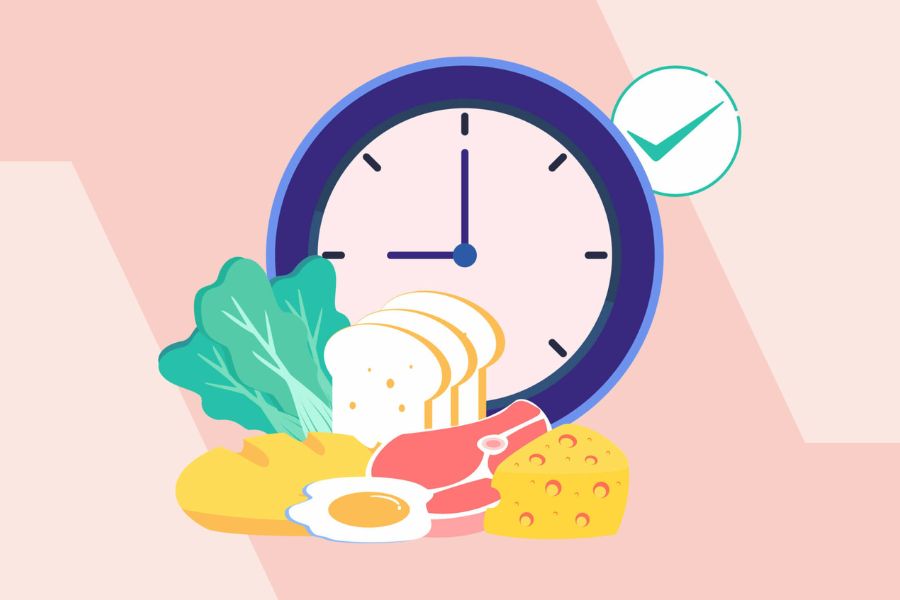
Understand 18 6 intermittent fasting
If you are curious about using 18 6 intermittent fasting to lose weight and improve your health, it helps to start with a clear picture of what this schedule actually looks like in daily life.
With 18 6 intermittent fasting, you:
- Fast for 18 consecutive hours each day
- Eat all of your calories within a 6‑hour window
There is no fixed rule for when your eating window must start. A common pattern is:
- Eating from 12 p.m. to 6 p.m.
- Fasting from 6 p.m. to 12 p.m. the next day
This often means you skip breakfast and eat lunch, an afternoon snack if you like, and dinner. Guides from Season Health describe this 18 6 pattern as a form of time restricted eating that can fit many lifestyles better than very long fasts like 20 4 or one meal a day (Season Health).
During your 18 hour fast, zero or very low calorie drinks are allowed, such as:
- Water, including lemon water and electrolyte water
- Black coffee without sugar, milk, or cream
- Unsweetened tea
This is important because additives like milk and sugar can raise insulin and interfere with fasting benefits like autophagy and blood sugar regulation (Aspect Health).
If you are new to intermittent fasting, 18 6 is considered an advanced time restricted schedule compared with 16 8, so planning and gradual transition matter (Simple).
How 18 6 intermittent fasting works in your body
When you start 18 6 intermittent fasting, what happens inside your body shifts hour by hour.
From glycogen to fat burning
In the first hours after you eat, your body uses glucose from your meal and glycogen stored in your liver for energy. As your fast continues and glycogen runs low, your body begins to:
- Tap into stored fat for fuel
- Produce ketones, which can power your brain and muscles
Season Health notes that during the 18 hour fasting period your metabolism moves from burning stored carbohydrates to burning stored fat, which is a key reason 18 6 can support fat loss and body composition changes (Season Health).
Some people also become more fat adapted over time, meaning your body gets better at switching between carbs and fat for energy, a concept called metabolic flexibility.
Hormones and metabolic health
The longer fasting stretch in 18 6 may help:
- Improve insulin sensitivity
- Reduce blood sugar spikes
- Support healthier blood lipids and blood pressure
Research summaries on intermittent fasting and specifically 18 6 suggest potential improvements in insulin sensitivity, reduced inflammation, and possibly better cardiovascular markers such as blood pressure and cholesterol (Simple; Season Health).
Over weeks and months, these shifts can contribute to:
- Decreased waist circumference
- Better blood sugar management
- Easier weight maintenance
Potential benefits you might notice
You are likely most interested in what 18 6 intermittent fasting can do for your weight, energy, and long‑term health. Existing guides and early research point to several possible benefits, although results vary from person to person.
Weight loss and body composition
Because you eat in a shorter window, 18 6 often leads to a natural reduction in daily calories. Season Health and Simple both point out that:
- Fewer eating hours can make it easier to avoid constant snacking
- You may end up eating roughly two meals and perhaps a snack, not three full meals plus snacks
- Your body spends more time in a fat burning state during the 18 hour fast (Season Health; Simple)
Guides from Aspect Health note that by week 4 many people notice visible weight loss and improved body composition along with better adherence to the schedule (Aspect Health).
Metabolic and digestive health
Reported benefits of 18 6 intermittent fasting include:
- Increased metabolic flexibility, meaning your body switches more smoothly between using carbs and fat
- Improved blood sugar control and insulin sensitivity
- Better heart health markers such as blood lipids and blood pressure
- Changes in the gut microbiome that can improve bowel movements (Season Health; Simple)
Some users also experience reduced inflammation, which may contribute to overall health and may support long term disease risk reduction, although more high quality research is still needed (Simple).
Brain and energy benefits
Once your body begins producing ketones during the fasting window, you might notice:
- More stable energy, especially later in your fast
- Better mental clarity and focus
- A sense of calm or steady mood
Season Health notes possible cognitive improvements tied to ketone use, while Simple highlights potential neuroprotective benefits, such as reduced risk of neurodegenerative conditions, although this area is still being studied (Season Health; Simple).
Common side effects and safety concerns
Like any significant change to your eating pattern, 18 6 intermittent fasting comes with potential side effects and is not right for everyone.
Hunger, mood changes, and fatigue
When you start fasting for 18 hours, you are very likely to feel hungry in the first days and weeks. Research on intermittent fasting has found:
- Hunger often peaks early and may fade as your body adapts
- A 2020 study of people fasting 4 to 21 days found hunger symptoms mostly occurred during the first few days (Healthline)
- A 2016 study with women noted more irritability during an 18 hour fasting period compared with a nonfasting period, although participants also reported increased feelings of achievement and self control afterward (Healthline)
Harvard Health Publishing also flags possible side effects such as:
- Headaches
- Lethargy
- Crankiness
- Constipation
These often relate to dehydration, low blood sugar, or abrupt changes to your normal diet (Harvard Health Publishing).
Risk of overeating during your eating window
After a long fasting period, your appetite hormones can surge. Harvard Health notes that this biological push to eat more can:
- Make you more likely to overeat or binge when your eating window opens
- Encourage less nutritious food choices if you arrive at meals overly hungry
- Potentially cancel out the calorie deficit you expected to create (Harvard Health Publishing)
Being intentional with meal planning, portion sizes, and food quality helps you avoid turning your 6 hour window into a prolonged feast.
Who should be cautious or avoid 18 6
Experts recommend particular caution with extended fasting and intermittent fasting if you:
- Take medications for diabetes, blood pressure, or heart disease
- Have a history of eating disorders or disordered eating
- Are pregnant, breastfeeding, or trying to conceive
- Are an older adult at risk of unintentional weight loss
Harvard Health points out that intermittent fasting may cause older adults to lose too much weight, which can affect bone health, immunity, and energy, and also that some medications can interact poorly with longer fasting periods (Harvard Health Publishing).
If you have any existing medical conditions or take prescription medications, talk with your healthcare provider before starting 18 6. A registered dietitian can help you build a plan that covers your nutrient needs and monitors side effects like constipation or fatigue (Season Health).
How to start 18 6 intermittent fasting gradually
Jumping straight into an 18 hour fast can feel overwhelming. You are more likely to stick with 18 6 intermittent fasting if you give your body time to adjust.
Step 1: Shorten your eating window slowly
Harvard Health suggests gradually shrinking your eating window over several months to ease side effects (Harvard Health Publishing). You can follow a progression like this:
- Start with 12 12
- Eat within a 12 hour window, for example 8 a.m. to 8 p.m.
- Focus on regular meals and reduced late night snacking.
- Move to 14 10
- Eat within 10 hours, for example 9 a.m. to 7 p.m. or 10 a.m. to 8 p.m.
- Notice how your hunger and energy feel in the extra two fasting hours.
- Try 16 8
- Limit eating to 8 hours, a common window like 11 a.m. to 7 p.m.
- Stay here for a few weeks until it feels routine.
- Transition to 18 6
- Shift to 6 eating hours that fit your schedule, such as 12 p.m. to 6 p.m.
- Be prepared for a short period of added hunger as your body adapts.
Aspect Health also advises beginners to start with shorter fasting windows first, since going directly to 18 hours can be challenging (Aspect Health).
Step 2: Choose an eating window that fits your life
Your ideal 6 hour window depends on your work, family, and social patterns. A few options:
- 11 a.m. to 5 p.m. if you like an earlier dinner
- 12 p.m. to 6 p.m. if you are comfortable skipping breakfast
- 1 p.m. to 7 p.m. if family dinners are later
Consistency helps your body learn when to expect food, which can make hunger more predictable and manageable.
Step 3: Plan your meals in advance
Because your eating window is short, planning ahead prevents rushed food choices and overeating. You can:
- Map out two balanced meals and one optional snack
- Prep protein sources like chicken, tofu, beans, or eggs in advance
- Stock up on fruits, vegetables, whole grains, nuts, and healthy fats
This way, when your window opens, you have nourishing options ready instead of grabbing whatever is fastest.
What to eat during your 6 hour window
18 6 intermittent fasting is not a specific food plan, but what you eat has a big impact on how you feel and what results you see.
Season Health and Aspect Health both emphasize choosing nutrient dense foods during your eating window to support overall health and to help manage side effects (Season Health; Aspect Health).
Focus on whole, minimally processed foods
Build your meals around:
- Protein: chicken, turkey, fish, eggs, tofu, tempeh, beans, lentils, Greek yogurt
- Fiber rich carbs: vegetables, fruits, oats, quinoa, brown rice, whole grain bread or pasta
- Healthy fats: olive oil, avocado, nuts, seeds, fatty fish
- Hydrating foods: cucumbers, leafy greens, citrus fruits, soups
This mix helps:
- Keep you full through long fasts
- Support blood sugar stability
- Provide vitamins, minerals, and fiber that you might otherwise miss with a shorter eating window
Sample 18 6 day
Here is a simple example of how an 18 6 day might look if your eating window is 12 p.m. to 6 p.m.:
-
12:00 p.m. Lunch
-
Grilled chicken or tofu
-
Large salad with mixed greens, vegetables, olive oil, and vinegar
-
Quinoa or brown rice
-
3:00 p.m. Snack (optional)
-
Greek yogurt with berries and a few nuts
-
Or hummus with sliced vegetables
-
5:30 p.m. Dinner
-
Baked salmon or beans and lentils
-
Roasted vegetables
-
Small portion of whole grains or starchy vegetables, like sweet potato
-
During fasting window
-
Water, herbal tea, black coffee
-
Electrolyte water if needed, as long as it is low or zero calorie (Aspect Health)
Hydration and electrolytes
Hydration is one of the most important details of 18 6 intermittent fasting.
You can support your body by:
- Drinking water regularly, not just during your eating window
- Including naturally hydrating foods like fruits and vegetables in your meals
- Considering low calorie electrolyte drinks during longer fasting stretches, especially if you live in a hot climate or exercise often (Aspect Health)
Season Health also highlights hydration as a key part of managing side effects like constipation and fatigue (Season Health).
What to expect in the first weeks and months
Understanding how 18 6 intermittent fasting tends to feel over time can help you set realistic expectations and stay motivated.
Week 1: Adjustment and discomfort
In the first week, many people notice:
- Strong hunger, especially at your usual breakfast time
- Energy dips or “crashes”
- Irritability or mood swings
Aspect Health notes that initial results often include some water weight loss and minimal fat loss, combined with hunger and low energy as your body learns the new pattern (Aspect Health).
Healthline also points out that hunger and mood changes during early intermittent fasting are common, but may ease as your body adapts and hunger hormones adjust (Healthline).
Weeks 2 to 4: Metabolic adaptation
By week 2 or 3, your experience may shift:
- Hunger becomes more predictable and less intense
- Energy feels more stable
- You begin to notice changes in the way your clothes fit
Aspect Health reports that after 2 to 3 weeks, many users see improvements in blood sugar and inflammation, and by week 4 they often experience noticeable weight loss, better body composition, mental clarity, and increased energy (Aspect Health).
Season Health similarly notes that by about one month into 18 6, people may see metabolic improvements, clearer thinking, and visible changes in weight and waist circumference (Season Health).
Month 2 and beyond: Lifestyle integration
If you continue with 18 6 beyond the first month:
- Your fasting schedule may feel more natural and less like a strict “diet”
- You might find it easier to maintain weight loss
- Metabolic health markers like blood sugar and waist circumference may continue to improve (Season Health)
Season Health adds that over time, it can be useful to build in occasional breaks from strict fasting, especially if you notice increased fatigue, difficulty sleeping, or mental burnout (Season Health).
Tips to stick with 18 6 intermittent fasting
Consistency is what turns 18 6 intermittent fasting from a short experiment into a sustainable lifestyle change. A few practical habits can make it easier to maintain.
Make your environment support your plan
You can set yourself up for success by:
- Keeping tempting snack foods out of sight during your fasting window
- Stocking your kitchen with quick, healthy options for your eating window
- Letting family or close friends know your schedule so they can support you
Even small changes like pre filling a water bottle each night or planning your first meal of the day in advance can reduce decision fatigue.
Use simple routines
Routines help you avoid constant willpower battles. For example, you might:
- Pair your last meal with a relaxing evening habit like a walk or reading
- Establish a “kitchen closed” time when your fasting window starts
- Use the same or similar meal pattern on weekdays, then adjust slightly on weekends
These patterns can train your body and mind to expect food at certain times, and make fasting feel more automatic over time.
Watch your body’s feedback
Intermittent fasting is not an all or nothing commitment. You can:
- Adjust your window on especially demanding days
- Take occasional days off, especially around important events
- Move back to 16 8 or 14 10 temporarily if 18 6 feels too intense
If you notice persistent headaches, dizziness, extreme fatigue, or changes in mood that concern you, talk to a healthcare professional and reconsider your current fasting length or approach (Harvard Health Publishing).
When 18 6 intermittent fasting might not be right for you
Even if 18 6 intermittent fasting sounds promising, your situation and health history matter more than any particular method.
You might want to avoid or postpone 18 6 if:
- You struggle with a history of restrictive eating or bingeing
- You are pregnant, breastfeeding, or recently postpartum
- You need regular food intake for certain medications
- You already feel very stressed or sleep deprived
Healthcare professionals caution against extended fasting in people with underlying health conditions or those taking medication that affects blood sugar, blood pressure, or heart function, without medical supervision (Harvard Health Publishing).
If you like the idea of time restricted eating but 18 hours feels too long, you can still benefit from gentler methods like 12 12 or 14 10 while focusing on whole foods, movement, sleep, and stress management.
Key takeaways
- 18 6 intermittent fasting means fasting for 18 hours each day and eating during a consistent 6 hour window, often 12 p.m. to 6 p.m.
- During your fast, your body shifts from using glycogen to burning stored fat, which can support weight loss, improved body composition, and better metabolic health (Season Health; Simple).
- Possible benefits include weight loss, improved blood sugar control, healthier heart markers, better digestion, mental clarity, and increased metabolic flexibility, although individual responses vary (Season Health; Aspect Health).
- Common early side effects are hunger, irritability, low energy, headaches, and constipation, which may improve as your body adapts, but should still be monitored carefully (Healthline; Harvard Health Publishing).
- You are more likely to succeed if you transition gradually, choose an eating window that fits your life, emphasize nutrient dense whole foods, and stay well hydrated.
- 18 6 is not suitable for everyone. If you have medical conditions, take medications, or have a history of disordered eating, talk with your doctor or a registered dietitian before changing your eating pattern.
If you decide to try 18 6 intermittent fasting, you might start by shifting your first meal slightly later this week, paying close attention to how your body responds. From there, you can adjust, get support when you need it, and shape a routine that supports your weight, energy, and long term health.
About the Author