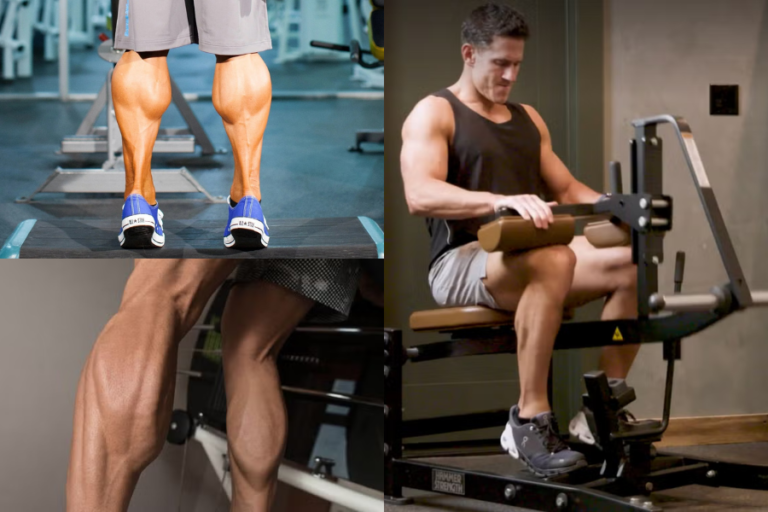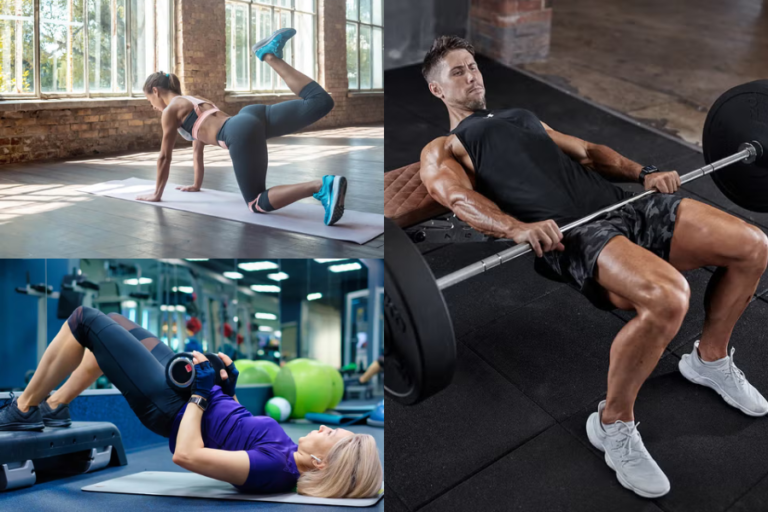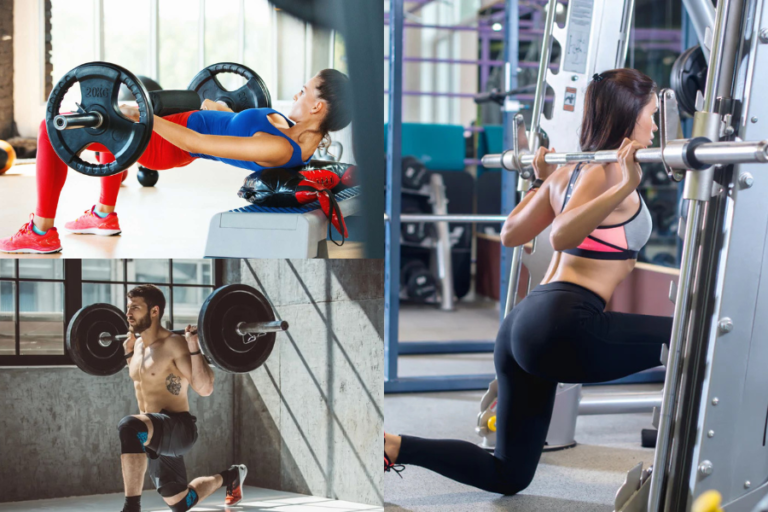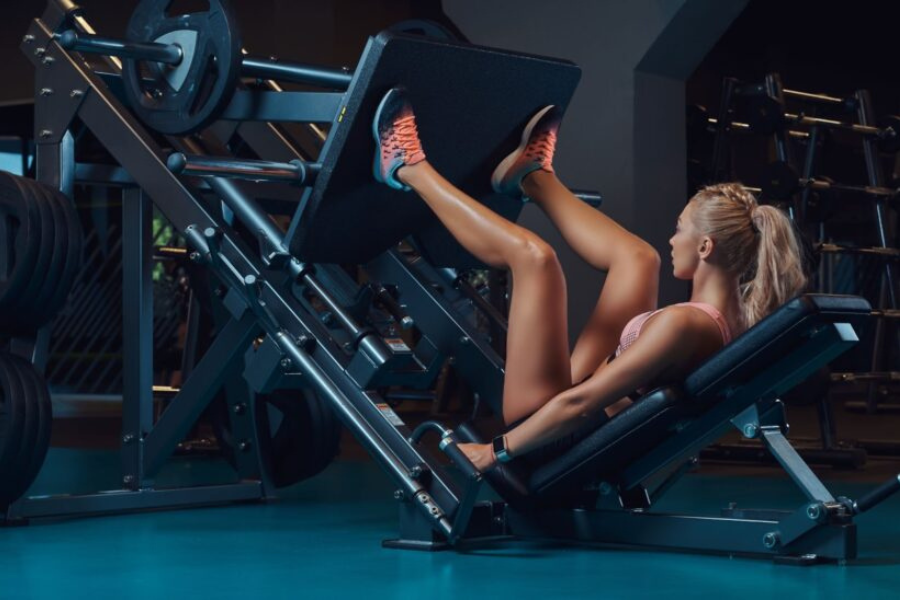
A strong quad workout for women does much more than shape your thighs. Your quadriceps help you walk, climb stairs, stand up from a chair, sprint, and jump. When you train them properly, you build strength, balance, and knee stability that carries into everything you do.
Below, you will learn how your quads work, the best quad exercises for women at every level, and how to put them together into an effective routine that fits your schedule and goals.
Why quad strength matters for women
Your quadriceps sit at the front of your thighs and are responsible for straightening your knees and helping with hip flexion. You use them every time you stand, walk, run, or squat. Strong quads are especially important for women because they support your knees and hips, which can be more vulnerable to injury due to factors like wider hips and common muscular imbalances.
Strength training your thighs, including your quadriceps, can also change the appearance of your legs over time. You can build fuller, more muscular quads for a “thick thighs” look, or create lean, defined legs when muscle is combined with lower body fat, as explained by PureGym personal trainer Hayley Chapman in their thigh training guide updated in April 2023.
When you focus on a quad workout for women that is consistent and well structured, you get three big benefits: more powerful legs, better balance and stability, and reduced risk of knee pain during everyday activities.
Meet your quad muscles
You do not have just one quad muscle. You have four, and together they give your thigh its shape and strength:
- Rectus femoris
- Vastus lateralis
- Vastus medialis
- Vastus intermedius
These muscles work together to extend your knee and help flex your hip. They create the teardrop shape at the front of the thigh that many people want to build. A good quad workout for women aims to challenge all four, so your legs get stronger and more balanced instead of overdeveloping one area.
How often to train your quads
For strength, performance, and muscle growth, most trainers recommend that you train your quads one to two times per week. Aim for at least 48 hours between hard quad sessions so your muscles can recover and grow.
If your goal is to noticeably increase quad size and shape, research suggests a good target is:
- 2 quad focused workouts per week
- At least 2 quad exercises per session
- Around 10 or more total working sets per week in the 8 to 12 rep range
This might look like three sets of squats and three sets of leg presses in one session, then three sets of lunges and three sets of leg extensions in a second session, leaving at least a couple of days between them.
If you are newer to strength training or returning after time off, start on the low end by training quads once weekly. Once your body adapts and you feel less sore after sessions, you can build up to twice weekly.
Best beginner quad exercises
If you are new to strength training, you will want simple movements that teach your body control before you load up heavy weights. Beginner friendly quad exercises focus on bodyweight and stable positions so you can practice technique and build confidence.
Bodyweight squats
Bodyweight squats are one of the best all around quad exercises for women. They strengthen your quads, hamstrings, glutes, and core, and you can do them almost anywhere.
- Stand with your feet about hip to shoulder width apart and toes slightly turned out.
- Brace your core as if you are preparing for a cough.
- Sit your hips down and back as if you are going to a chair while keeping your chest proud.
- Lower as far as is comfortable, then push through your mid foot and heels to stand back up.
If you are just starting, you can reduce the depth of your squat and hold onto a sturdy object like the back of a chair. As your strength improves, aim to squat a little deeper over time.
Wall or isometric squats
Isometric squats and holds build endurance and stability without movement, which can feel safer if you are nervous about form.
For a wall squat:
- Stand with your back against a wall and feet about a step forward.
- Slide down until your knees are around a 90 degree angle or as low as comfortable.
- Keep your back flat against the wall and hold the position for 20 to 40 seconds.
- Rest, then repeat.
This teaches your quads to tolerate longer periods under tension and prepares you for more dynamic squats and lunges.
Split squat isometric holds
Split squat holds are a great way to introduce single leg work without worrying about balance too much.
- Take a staggered stance, one foot in front and one behind, about hip width apart side to side.
- Lower into a lunge position so both knees are bent.
- Stop when your front thigh is roughly parallel with the ground or at a comfortable depth.
- Hold the bottom position for 15 to 30 seconds, then switch legs.
You will feel your front quad working hard to keep you in place. Over time, you can progress from holds to full split squats with movement up and down.
Intermediate and advanced quad builders
Once you are comfortable with basic squats and lunges, you can move to more demanding exercises that load your quads heavily and stimulate muscle growth.
Back squats
The back squat is often considered the most effective exercise for building quad strength, power, and size. It targets all four heads of the quadriceps and allows you to progressively add weight over time.
- Position a barbell across your upper back, not on your neck.
- Take a shoulder width stance with toes slightly out.
- Brace your core and keep your chest up.
- Sit your hips down and back, bending your knees and keeping them in line with your toes.
- Descend until your thighs are at least parallel to the floor if mobility allows.
- Drive through the middle of your feet to stand.
If you have access to coaching or a trainer, it can be helpful to have them check your form, especially as the weight gets heavier.
Front squats and heel elevated squats
For women who really want to emphasize the quads, shifting your squat variation can make a big difference.
Front squats place the bar in front of your body on your shoulders. This upright torso position increases knee bend and shifts more load to your quads, especially the rectus femoris and vastus muscles.
Heel elevated goblet squats work similarly without needing a barbell:
- Place small plates, wedges, or a sturdy book under your heels.
- Hold a dumbbell or kettlebell at your chest.
- Squat down, allowing your knees to travel over your toes while keeping your torso upright.
Raising the heels helps if you have limited ankle mobility and it increases quad activation by boosting knee flexion.
Hack squats and leg press
If your gym has machines, hack squats and leg press are excellent for targeting your quads with less balance demand.
To emphasize the quads:
- Place your feet lower on the leg press platform to increase knee bend.
- Use a medium stance instead of very wide.
- Control the descent and avoid locking your knees aggressively at the top.
These movements let you train hard with less stress on your lower back and can be especially useful after free weight squats.
Unilateral quad exercises for balance
Training one leg at a time helps correct strength imbalances, improves stability, and forces both sides to work equally. This is especially helpful for women, since sports, daily habits, and previous injuries often create small differences between legs.
Lunges and walking lunges
Forward lunges are a classic unilateral exercise that challenge your quads, glutes, and core.
- Step forward with one leg and plant your foot firmly.
- Lower your back knee toward the floor, keeping your front knee aligned with your toes.
- Push through the front foot to return to standing.
Walking lunges turn this into a moving exercise that builds strength and coordination. If you are a beginner, start by lunging halfway down, then progress to deeper lunges or add dumbbells for more challenge.
Bulgarian split squats
Bulgarian split squats emphasize the stabilizing muscles of your knees and hips even more than traditional squats.
- Stand a step and a half in front of a bench.
- Place the top of one foot on the bench behind you.
- Keep your torso fairly upright and take a relatively short stance so your front knee can travel forward.
- Lower your back knee toward the ground and drive your front knee over your toes as you descend.
- Push through the front foot to stand back up.
A shorter stance and more upright torso increase the demand on your quad. If balance is hard, reduce your range of motion or lightly hold onto a stable object.
Lunges with elevated front foot
Placing your front foot on a small plate or step increases the range of motion at your knee and shifts more work onto your quad. This simple change can make bodyweight lunges feel surprisingly challenging and helps you get better activation without needing very heavy weights.
Isolation moves to finish your workout
Compound movements like squats, lunges, and presses should form the base of your quad workout for women, but isolation work can help you finish the muscle and improve definition.
Leg extensions
Leg extension machines allow you to train knee extension with almost all of the effort coming from your quads.
- Adjust the pad so it sits just above your ankles.
- Sit with your hips and back supported.
- Extend your legs until your knees are almost straight, then lower under control.
You can use leg extensions bilaterally or one leg at a time to correct imbalances. Isometric holds at the top for 2 to 3 seconds can increase the muscle pump and improve your mind muscle connection.
Straight leg raises
Straight leg raises target the rectus femoris, which crosses the hip joint and is part of the quadriceps.
- Lie on your back with one leg bent and foot flat, the other leg straight.
- Tighten your quad on the straight leg and slowly lift it to the height of the opposite knee.
- Lower with control and repeat.
This is a simple but effective option if you train at home without equipment or if you are easing back into training after a break.
Sample quad focused workouts
Below is a simple table you can use to structure two different quad focused sessions each week. Adjust the sets, reps, and variations based on your current level.
| Level | Workout A | Workout B |
|---|---|---|
| Beginner | Bodyweight squats 3 x 10 to 12, Wall or isometric squats 3 x 20 to 30 seconds, Alternating lunges 2 x 8 per leg | Split squat isometric holds 3 x 15 to 20 seconds per leg, Glute bridge or hip thrust 3 x 10, Straight leg raises 2 x 12 per leg |
| Intermediate | Back squats 3 x 8 to 10, Walking lunges 3 x 10 per leg, Leg press (feet low) 2 x 10 to 12 | Heel elevated goblet squats 3 x 8 to 10, Bulgarian split squats 3 x 8 per leg, Leg extensions 2 to 3 x 12 |
| Advanced | Front squats 4 x 6 to 8, Hack squats or leg press 3 x 8 to 10, Walking lunges with dumbbells 3 x 10 per leg, Leg extensions 2 x 12 to 15 | Back squats 4 x 6 to 8, Bulgarian split squats with shorter stance 3 x 8 per leg, Lunges with elevated front foot 3 x 10 per leg, Leg extensions with isometric hold 2 x 10 to 12 |
Rest about 60 to 90 seconds between sets for higher rep work and 2 to 3 minutes for heavier squats or presses.
Tips for safe and effective quad training
You will get more from every workout when you pay attention to form, recovery, and progression.
- Warm up with 5 to 10 minutes of light cardio and dynamic leg movements, such as leg swings and bodyweight squats.
- Focus on control rather than speed, especially as you lower into each rep.
- Use a full but comfortable range of motion that does not cause pain in your knees or hips.
- Add weight gradually. When an exercise feels easy for your chosen reps, increase the load slightly or add an extra set.
- Include at least one single leg exercise in each lower body session to maintain balance between sides.
Consistent training of your quad muscles twice a week, with smart exercise choices and enough recovery, can help you build strong, powerful legs that look and feel the way you want.
Start by choosing two or three of the exercises above that match your current level and perform them this week. As you feel stronger, add a new variation, increase your sets, or try one of the sample workouts. Your quads will adapt quickly when you give them regular, focused attention.
About the Author