Understand what chronic stress really is
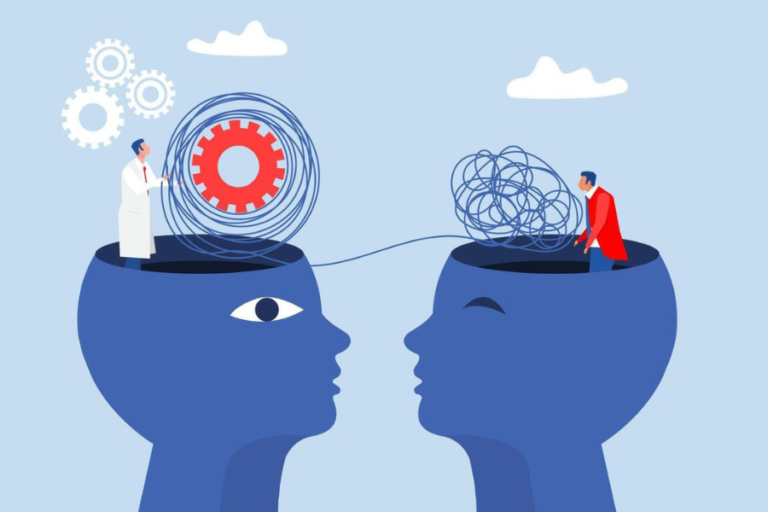
If you want to take control of your mental health, understanding the causes of chronic stress is a powerful place to start. You probably know what it feels like to have a stressful day. Chronic stress is different. It is the feeling that you are on high alert all the time, with no real break.
Clinicians describe chronic stress as a long‑lasting state of being pressured and overwhelmed, often when you feel unable to change your situation (Yale Medicine). It is not just “having a lot going on.” It is your body’s stress system stuck in the “on” position.
When this happens, stress slowly drains your psychological resources and harms your brain and body over time (Yale Medicine). That is why learning what is driving it for you is so important.
How your body responds to ongoing stress
When you face something you see as a threat or heavy demand, your brain sounds an alarm. The hypothalamus tells your adrenal glands to release hormones such as adrenaline and cortisol (Mayo Clinic).
You might notice:
- A faster heartbeat
- Quicker breathing
- Tense muscles
- A surge of energy
In short bursts this “fight or flight” response helps you cope. Chronic stress starts when this system never fully shuts off. Long‑term exposure to stress hormones disrupts sleep, immune function, digestion, and other key processes, and raises your risk for health problems like cardiovascular disease and depression (Mayo Clinic).
Everyone reacts differently to the same situation, so two people with identical challenges can have very different stress levels (Mayo Clinic). That is why identifying your specific sources of stress is more useful than comparing yourself to others.
Recognize the main causes of chronic stress
Chronic stress rarely has a single cause. It usually comes from repeated or constant exposure to demanding situations at work, at home, in your finances, or in your community. Researchers often call these “social determinants” of health because they shape both mental and physical outcomes (Institute for Functional Medicine).
Below you will find several major categories of causes, along with what they may look like in your daily life.
Work and career pressures
Work is one of the most common causes of chronic stress. In a Japanese national health survey, work‑related problems were the most frequent long‑term stressor reported by people 12 and older, followed by health and financial issues (PMC). In the United States, more than 80 percent of workers say they experience workplace stress, and over half believe it affects their life at home (OSHA).
High demand and low control at work
Two well‑studied models explain how jobs become chronically stressful:
- Job demand‑control‑support model
- Stress rises when your job has:
- High psychological demands, for example constant deadlines, heavy workloads, or complex tasks
- Low decision latitude, for example little control over how or when you do your work
- Low social support, for example distant or critical supervisors and coworkers
- A combination of high demands, low control, and low support is called iso‑strain, and it carries the highest health risk (PMC).
- Effort‑reward imbalance (ERI) model
- You invest a lot of energy and commitment.
- In return, you receive low salary, limited promotion opportunities, or little respect.
- This mismatch between effort and reward triggers ongoing psychological distress and physical arousal (PMC).
If you feel like you are working as hard as you possibly can without enough control or recognition, these models may describe your experience.
Job insecurity and unstable work
Temporary and insecure work also drives chronic stress. Temporary workers in Japan, for example, reported ongoing work‑related stress and fatigue, with risk increasing during economic recessions when jobs felt particularly unstable (PMC).
Signs this may be affecting you include:
- Worrying constantly about losing your job
- Taking on extra tasks to prove yourself, even when you are exhausted
- Accepting poor working conditions because you fear replacement
Job insecurity can act as both an acute and chronic stressor, spiking during crises but also wearing you down over time.
Emotional stressors in the workplace
Workplace stress is not just about tasks and hours. It also comes from emotional strain, such as:
- Loneliness or isolation at work
- Uncertainty about your role or company future
- Grief, fear, or other mental health challenges that show up on the job
OSHA notes that these kinds of stressors can harm your sense of well‑being and contribute to anxiety, depression, or substance use disorders (OSHA).
Encouragingly, more than 85 percent of employees surveyed by the American Psychological Association in 2021 believed that employer actions could help improve their mental health (OSHA). This highlights that while you can take personal steps, workplace policies and culture also matter.
Family dynamics and home life
Your home environment can either protect you from stress or add to it. Stress in one family member, especially a parent, often ripples through the entire household and shifts how everyone communicates and connects (Child Focus).
Ongoing conflict and unhealthy patterns
Unresolved family stress can come from:
- Frequent arguments or resentments that never get addressed
- Emotional distance or withdrawal between partners or between parents and children
- A pattern of yelling, criticism, or silent treatment
Chronic stress within a family often shows up as negative emotions, resentment, or inappropriate outbursts during daily interactions (Child Focus). Some family members may hide how stressed they feel, which makes it harder to see the full picture (Child Focus).
Ignoring these stressors can gradually push the family toward crisis. That is why naming them and seeking support early can be protective (Child Focus).
Adverse childhood experiences (ACEs)
Unhealthy family dynamics in childhood are a powerful cause of chronic stress in later life. Adverse childhood experiences include:
- Emotional, physical, or sexual abuse
- Witnessing violence at home
- Parental divorce or separation
- A parent with mental illness, substance use disorder, or criminal behavior
Research links these experiences to a higher risk of heart disease, depression, anxiety, and other health issues in adulthood (NCBI Bookshelf). These early stressors shape how your body responds to pressure for years to come.
Parent‑child conflict and low family warmth
For adolescents, role conflict with parents, particularly in low‑income families, can create chronic stress. These tensions are associated with higher aggression in teens, while family mutuality, meaning cohesion and warmth, appears to buffer against stress‑related behaviors (NCBI Bookshelf).
If you grew up in a home without much warmth or clear communication, your stress responses today may reflect that history.
How family stress affects your body
Stressful family relationships do not just feel bad. They also show up in your biology. Studies link negative family interactions with:
- Impaired sleep
- Elevated heart rate and blood pressure
- Higher allostatic load, which is a measure of your total lifetime stress burden (NCBI Bookshelf)
On the other hand, supportive relationships are tied to lower allostatic load, better immune function, and healthier coping behaviors (NCBI Bookshelf).
Chronic stress in the family is also connected to substance use risk in adolescents and difficulties with healthy weight management in children (NCBI Bookshelf).
Money worries and financial insecurity
Financial stress is another major driver of chronic stress. It is not only about how much money you have, but also how worried you feel about your situation.
A large 2018 U.S. survey found that higher levels of financial worries, including concerns about:
- Standard of living
- Medical costs
- Housing
- Retirement
- Monthly bills
were strongly linked to increased psychological distress (PMC).
Why subjective worries matter so much
Interestingly, the study found that subjective financial worries had a greater impact on mental health than objective measures like debt or income level (PMC). In other words, how you interpret your financial reality is often more stressful than the numbers themselves.
This supports the idea that financial worries are a specific kind of stressor within broader stress and social stress theories. People in disadvantaged positions tend to have fewer coping resources, which makes them more vulnerable to the mental health effects of chronic financial stress (PMC).
Who feels financial stress most intensely
In this survey, financial worries were more strongly associated with psychological distress among:
- People who were unmarried
- People who were unemployed
- Those with lower incomes, under 35,000 dollars
- Renters rather than homeowners (PMC)
Marriage, employment, higher income, and homeownership seemed to act as protective factors that weakened the link between financial stress and mental strain (PMC).
If you find yourself constantly thinking about bills or future expenses, it is likely that financial stress is a meaningful source of your chronic stress.
Social and environmental stressors
Your neighborhood and social environment also shape the causes of chronic stress. Repeated exposure to social and physical stressors is a key pathway for long‑term mental and physical health problems (Institute for Functional Medicine).
Discrimination and racism
Racism and discrimination are powerful chronic stressors. A 2021 review of 267 studies found that:
- Lower socioeconomic status
- Poor neighborhood health
- High racial discrimination
are all associated with high allostatic load, meaning a higher total stress burden and poorer health outcomes (Institute for Functional Medicine).
In a Canadian observational study from the Black Community Mental Health project, individuals who experienced high racial discrimination were 36.4 times more likely to have severe depressive symptoms compared with those reporting low discrimination (Institute for Functional Medicine).
If you live with ongoing discrimination, your stress is not “in your head.” There is clear evidence that these experiences have real, measurable effects on mental health.
Food and housing insecurity, unsafe neighborhoods
Other chronic social stressors include:
- Food insecurity
- Financial insecurity
- Living in unsafe neighborhoods or poor housing conditions
These conditions are linked with higher rates of cardiovascular disease, metabolic problems, and depression (Institute for Functional Medicine). They can also limit your access to healthy coping tools, like safe places to walk or community support.
Health issues and personal safety concerns
Existing health problems can be both a cause and consequence of chronic stress. When you are managing a serious or ongoing medical issue, your body and mind may stay in a heightened stress state.
Common health‑related and safety concerns that drive chronic stress include:
- Long‑term physical illnesses
- Pain conditions
- Worries about your own safety or the safety of loved ones
- Recovering from accidents or traumatic events
Research shows that stressors contributing to cardiovascular risk can start as early as childhood (American Journal of Lifestyle Medicine). Chronic stress is also linked to poor sleep and reduced physical activity, which in turn worsen many health conditions (American Journal of Lifestyle Medicine).
Over time, stress also affects cellular energy production. Chronic social stress has been associated with decreased mitochondrial capacity and changes in mitochondrial structure, which may contribute to fatigue and overall health decline (Institute for Functional Medicine).
Personality patterns and internal pressure
Not all causes of chronic stress come from outside. Some arise from how you relate to yourself and your goals.
Type A behavior and “always on” living
Type A behavior pattern is described as a chronic struggle to do more in less time. People with this pattern often feel driven, competitive, and highly time urgent. Classic research linked this style to greater risk of coronary heart disease, in part because of the constant stress response it triggers (American Journal of Lifestyle Medicine).
Even if you do not identify as Type A, you might notice similar tendencies if you:
- Feel guilty when you are not being productive
- Pack your schedule to the limit
- Struggle to rest or say no
In a fast‑paced society, these traits are often rewarded, which can make it harder to recognize them as potential causes of chronic stress.
Feeling trapped or powerless
Chronic stress also thrives when you feel stuck. Rajita Sinha, PhD, at Yale Medicine, notes that causes of chronic stress often include poverty, dysfunctional relationships, or deeply unsatisfying jobs (Yale Medicine).
When you believe you cannot change your situation, you may feel chronically pressured and overwhelmed, which feeds the stress cycle (Yale Medicine). Modern life’s complexity adds to this, as many problems do not have quick or simple solutions (Yale Medicine).
Over time, physiological changes in your stress hormones can help lock this state in place, which is one reason professional help can be so important (Yale Medicine).
How to tell if your stress is chronic
Most people experience stress sometimes. Chronic stress is different. You might be dealing with chronic stress if you:
- Feel stressed or on edge all day, nearly every day
- Notice that you rarely feel fully relaxed, even on weekends or vacations
- See stress affecting your sleep, appetite, mood, or relationships
- Feel like small problems trigger big reactions
Child and family specialists point out that when stress becomes constant, it usually signals a deeper issue that needs attention, not just “a rough week” (Child Focus).
During the early months of the COVID‑19 pandemic, a June 2020 CDC survey found that about 40 percent of U.S. adults reported negative mental or behavioral health effects like anxiety, depression, increased substance use, trauma symptoms, or suicidal thoughts related to stress (OSHA). While this was a unique moment, it highlights how quickly stress can become widespread and chronic.
If you notice these patterns in yourself, it may be time to explore what is sustaining your stress.
Connect the dots for your own life
You do not need to tackle every cause of chronic stress at once. A more manageable first step is to map out where your stress is coming from.
You can start by asking:
- Work: Do I feel overworked, under‑recognized, or stuck in a job I cannot control or leave?
- Home: Are there unresolved conflicts or painful patterns in my family or close relationships?
- Money: How often do I worry about bills, housing, or the future of my finances?
- Environment: Do I face discrimination, unsafe conditions, or lack of basic security?
- Health: Is a medical condition or ongoing pain keeping my body in a stressed state?
- Inner world: Do I pressure myself to perform constantly or struggle with feeling powerless?
You might find it helpful to jot down your answers over a week and notice which themes come up again and again.
From there, you can look for one or two areas where you have some influence. That might mean:
- Talking with a supervisor about workload or support
- Setting a small boundary at home, for example a regular quiet time or device‑free dinner
- Asking for financial counseling or benefits support at work or in your community
- Seeking therapy to unpack past experiences or current coping patterns
When stress has been chronic, self‑help steps are often not enough on their own. Because long‑term stress can alter your body’s systems, involving a health professional, such as a primary care doctor or mental health provider, can give you more options and support (Yale Medicine).
Key takeaways you can use today
- Chronic stress is your body’s stress system stuck in “on” mode, and it can harm both mental and physical health over time (Mayo Clinic, Yale Medicine).
- Major causes of chronic stress include work pressures, family dynamics, financial worries, discrimination and unsafe environments, health problems, and internal patterns like constant self‑pressure.
- Work is a leading source of ongoing stress, particularly when demands are high, control is low, and support or rewards are limited (PMC, OSHA).
- Unhealthy family relationships, adverse childhood experiences, and unresolved conflicts at home can drive lifelong stress responses (NCBI Bookshelf, Child Focus).
- Financial worries, especially how you feel about your finances, strongly influence psychological distress (PMC).
- Social factors like racism, discrimination, and unsafe neighborhoods add to your total stress load and are linked with serious health effects (Institute for Functional Medicine).
Understanding the causes of chronic stress in your own life is not about blame. It is about clarity. Once you can see where your stress is coming from, you are in a stronger position to ask for help, set boundaries, and make changes, one step at a time.
About the Author