Anxiety can feel like your mind is stuck in fast-forward. Learning how to calm anxiety naturally gives you a toolkit you can reach for anytime, without always relying on medication. While professional help is important for ongoing or severe symptoms, simple daily habits, natural remedies, and mindful practices can help you create more steady, lasting peace.
Below, you will find practical, research-backed ideas you can start using today.
Understand what natural anxiety relief means
When you explore how to calm anxiety naturally, you are looking for approaches that support your body and mind without prescription drugs. These methods can:
- Ease physical symptoms like a racing heart, tight muscles, and shallow breathing
- Help you manage spiraling thoughts and worry
- Support better sleep, mood, and concentration
Natural anxiety relief is not a replacement for medical care. Instead, it works alongside treatments like therapy or medication. If you ever feel overwhelmed, unsafe, or notice anxiety affecting your daily functioning, reach out to a mental health professional or your doctor.
Move your body to shift your mood
Physical activity is one of the most reliable natural ways to calm anxiety. Exercise helps your body release endorphins, which are natural feel-good chemicals that improve mood and reduce anxiety symptoms (WebMD).
Why exercise helps anxiety
When you move, even gently, you:
- Take your mind off worries and repetitive thoughts
- Use up some of the extra energy that often comes with anxiety
- Improve sleep quality, which in turn reduces anxious feelings
Simple ways to get moving
You do not need an intense workout plan. Aim for activities you can stick with:
- A 10 to 20 minute brisk walk around your neighborhood
- Light stretching before bed
- Dancing to a few songs at home
- Yoga videos focused on relaxation
If you are new to exercise or have health concerns, talk with your doctor before starting something more strenuous.
Use your breath to calm your nervous system
When you feel anxious, your breathing usually becomes fast and shallow. Learning how to calm anxiety naturally often starts with learning how to breathe in a slower, steadier way.
Deep breathing can lower heart rate and blood pressure, relax your muscles, and reduce stress hormones (Dignity Health). It also helps stop anxiety from building into a panic attack (WebMD).
Set up for success
For any breathing exercise:
- Choose a comfortable position, such as sitting with back support, standing upright, or lying on a bed or yoga mat (NHS)
- Place your feet flat on the floor about hip-width apart if you are sitting or standing (NHS)
- Loosen tight clothing around your chest or stomach to allow easier airflow (NHS)
Lengthen your exhale
Lengthening the exhale activates your parasympathetic nervous system, which helps your body relax (Healthline).
Try this:
- Inhale gently through your nose for a count of 4.
- Exhale slowly through your mouth for a count of 6 or 7.
- Repeat for 2 to 5 minutes, keeping the breath smooth rather than forced.
Practice diaphragmatic breathing
Diaphragmatic, or belly, breathing helps you move away from shallow chest breaths and reduces the work your body needs to breathe. Practicing three to four times a day for up to 10 minutes may decrease anxiety over time (Healthline).
- Place one hand on your chest and one on your stomach.
- Inhale through your nose so your belly rises more than your chest.
- Exhale slowly through pursed lips and feel your belly fall.
Try equal or resonant breathing
- Equal breathing: Inhale for a count of 4, exhale for a count of 4. This simple pattern promotes relaxation and can be done seated or lying down (Healthline).
- Resonant or coherent breathing: Gently slow your breathing to about 5 to 6 breaths per minute, which can bring on a calm, relaxed state (Healthline).
Breathing techniques work best when you practice them regularly, not only in moments of panic. The NHS recommends using calming breathing exercises as part of your everyday routine for the greatest benefit (NHS).
Try mindfulness and meditation for mental space
If you want to know how to calm anxiety naturally without leaving your house, meditation and mindfulness are powerful tools. They help you step back from racing thoughts instead of getting swept away by them.
Meditation can reduce stress and anxiety, and even a few minutes a day can make a difference (Mayo Clinic).
How meditation helps anxiety
Meditation trains you to focus on one thing at a time, such as your breath or a simple phrase. This can:
- Clear away stress-inducing thoughts
- Improve emotional balance and physical well-being (Mayo Clinic)
- Help you recognize worries as just thoughts, not facts, which reduces unproductive worry (Harvard Health Publishing)
A review of 47 clinical trials found that mindfulness meditation can ease anxiety, depression, and pain (Harvard Health Publishing).
Easy mindfulness practices to start
You do not need a special room or long sessions. You can begin with:
- Mindful breathing: Sit comfortably and focus on each inhale and exhale. When your mind wanders, gently bring it back to the breath.
- Body scan: Slowly bring attention from your toes up to your head, noticing sensations without judging them (Mayo Clinic).
- Walking meditation: Pay attention to the feeling of your feet lifting and landing as you walk, rather than to your thoughts.
- Guided meditation: Listen to an audio that leads you through relaxing imagery and breathing. Guided meditations can interrupt anxious thought patterns and create new calming habits (Healthline).
Even two minutes of mindfulness a day, focused on the present rather than past regrets or future worries, can lower stress and help you feel more connected to others (Dignity Health).
Consider structured programs
Mindfulness-based stress reduction (MBSR), developed by Dr. Jon Kabat-Zinn, is a well-known training program now offered in many cities. Group classes can be especially helpful if you want guidance and accountability (Harvard Health Publishing).
Support calm with everyday lifestyle choices
Your daily habits affect how easily your body and mind return to a calm baseline. Small shifts can make it easier to manage anxiety over time.
Balance your blood sugar with regular meals
Going too long without eating can make you feel jittery, irritable, and more anxious. Keeping your blood sugar steady by eating three meals and two snacks a day can help you feel more balanced, even if you do not have diabetes (Dignity Health).
Build your meals around:
- High-fiber foods such as whole grains and beans
- Fruits and vegetables
- Nuts and seeds
- Lean proteins like chicken, fish, or legumes
- Low-fat dairy if you tolerate it
Limit stimulants that rev up anxiety
Some substances can quietly fuel your nervousness. To support natural calm, try to avoid or reduce:
- Caffeine in coffee, energy drinks, and some teas
- Nicotine from cigarettes or vaping
- Illicit drugs
- Certain medications that act as stimulants (Dignity Health)
If you are unsure whether your medications might affect anxiety, ask your doctor or pharmacist.
Prioritize consistent, quality sleep
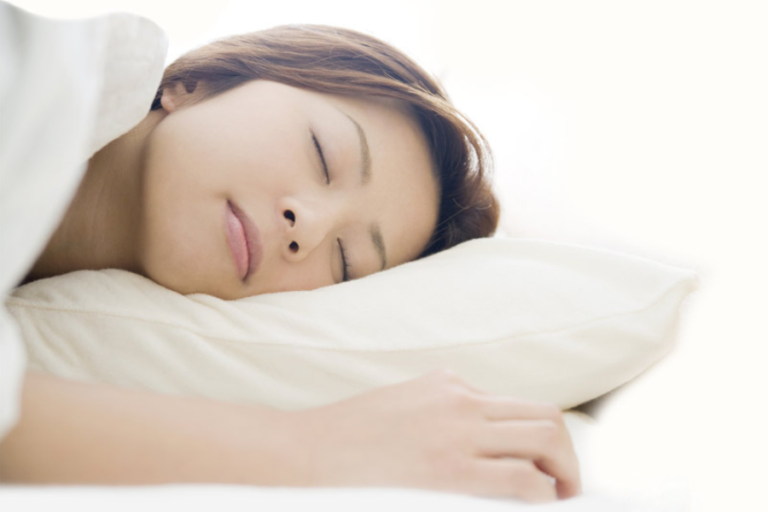
Poor or insufficient sleep can trigger or worsen anxiety, and anxiety can make it harder to sleep, which creates a draining cycle (Dignity Health).
You can support better sleep by:
- Going to bed and waking up at roughly the same time every day
- Keeping your bedroom cool, dark, and quiet
- Avoiding large meals and heavy screen use right before bed
If sleep problems continue despite healthy habits, talk with your doctor. Ongoing insomnia is worth addressing professionally.
Explore herbal remedies and aromatherapy carefully
When you look into how to calm anxiety naturally, you will often see herbs and essential oils mentioned. Some have promising research, but they are not risk-free. It is important to use them thoughtfully and with medical guidance.
What to know before trying herbal supplements
Some herbal remedies have been studied for anxiety, but researchers still need more data to fully understand their benefits and risks (Mayo Clinic).
Key points to keep in mind:
- The U.S. Food and Drug Administration (FDA) does not regulate herbal supplements as strictly as medications, so quality and safety can vary widely (Mayo Clinic).
- Some herbs can interact with medications and cause serious side effects. Always talk with your doctor before starting any supplement, especially if you already take medication (Mayo Clinic).
- Certain herbs can cause drowsiness and may be unsafe if you need to drive or operate machinery, and they can increase the sedative effects of other drugs (Mayo Clinic).
Herbs that are being studied for anxiety
Current research highlights several options, though results are not definitive and safety should always be considered with a professional.
- Ashwagandha: An adaptogenic herb from traditional Indian medicine. An 8 week study suggested that 600 mg per day may lower cortisol, improve sleep, and reduce perceived stress (Medical News Today).
- Chamomile: Often used as tea or supplements. A clinical trial found that 1,500 mg daily reduced the severity of relapse symptoms in generalized anxiety disorder over 26 weeks, though some people experienced allergic reactions or drug interactions (Medical News Today).
- Valerian root: Traditionally used for sleep issues and anxiety, and may work by affecting GABA receptors in the brain. Current evidence is limited, so its effectiveness and long-term safety are still unclear (Medical News Today).
- Kava kava: A shrub from the Pacific islands that may lessen stress and anxiety. However, there have been reports of severe liver damage linked to kava products, so you should only consider it with a doctor’s close supervision (Medical News Today).
These herbs can be part of a broader plan for how to calm anxiety naturally, but they should never replace professional advice or prescribed treatment.
Aromatherapy and essential oils
Aromatherapy uses concentrated plant oils to influence mood. For anxiety relief, lavender is one of the most widely discussed.
Lavender essential oil contains terpenes such as linalool and linalyl acetate, which may have a calming effect on brain receptors. A 2017 review suggested that lavender could be an effective short-term treatment for anxiety disorders, although long-term effects remain unclear (Medical News Today).
You can use essential oils by:
- Adding a few drops to a diffuser
- Diluting with a carrier oil and applying to pulse points (wrist, temples)
- Spritzing diluted oil on your pillow or in your room
Always dilute essential oils and avoid ingesting them unless a health professional specifically advises it.
Combine natural methods with professional support
Herbal remedies, breathing exercises, meditation, and lifestyle shifts can all help you calm anxiety naturally. However, they are most effective when used alongside evidence-based care.
Besides herbal treatments, natural ways to manage anxiety include stress management techniques, physical activity, and cognitive behavioral therapy (CBT) (Mayo Clinic). CBT in particular can help you understand and change thought patterns that fuel anxiety.
Always consider reaching out to a mental health professional if:
- Anxiety interferes with work, school, or relationships
- You avoid everyday situations due to fear or worry
- You experience panic attacks or ongoing physical symptoms
- You have thoughts of self-harm or feel hopeless
Natural tools are important, but you do not have to manage everything on your own.
Put it all together in a simple daily routine
If you feel unsure where to start, try weaving a few of these ideas into your day so they become habits instead of one-time fixes.
Here is a sample calm-supporting routine:
-
Morning
-
Short walk or gentle stretching
-
3 to 5 minutes of mindful breathing
-
Balanced breakfast with protein and fiber
-
Midday
-
Step outside for a brief walk when you notice tension building
-
Eat a light snack to keep blood sugar stable
-
Evening
-
Lower lights and limit caffeine
-
5 to 10 minutes of guided meditation or a body scan
-
A warm, caffeine-free drink such as chamomile tea if your doctor says it is safe for you
-
Anytime anxiety spikes
-
Pause to practice lengthened exhale or diaphragmatic breathing
-
Notice and name a few things you can see, hear, and feel to anchor yourself in the present moment
Over time, these small practices can make it easier to return to calm even when life feels demanding.
Key takeaways
- Learning how to calm anxiety naturally means building simple, daily habits that support your mind and body.
- Regular movement, deep breathing, and mindfulness practices are well-supported by research for easing anxiety.
- Balanced meals, limited stimulants, and better sleep make it easier for your nervous system to settle.
- Herbs and essential oils may help some people, but you should always talk with your doctor before using supplements.
- Natural strategies work best alongside professional care, not in place of it.
You can start today with one small step, such as a five minute breathing exercise or a short walk outside. Then, add new tools as you are ready and let your calm routine grow with you.
About the Author