Understand what depression is
Feeling sad from time to time is part of being human. You might feel low after an argument, a disappointment, or a big life change. These feelings usually ease with time or small changes in your routine.
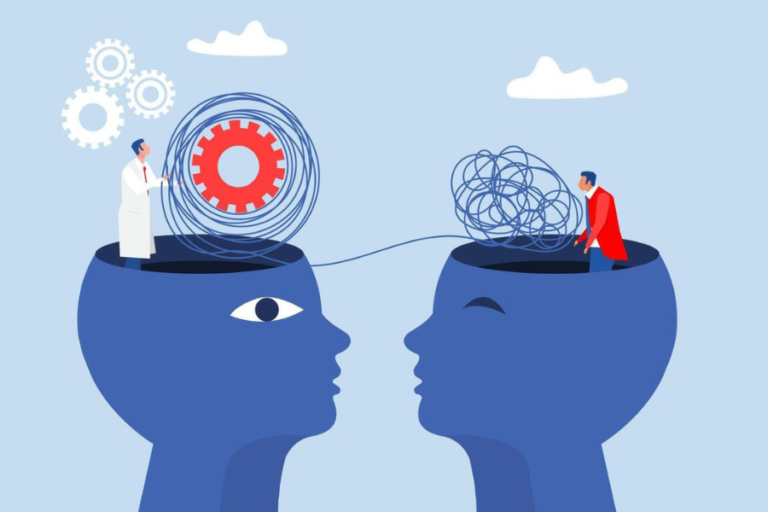
Depression is different. Depression symptoms involve a persistent low mood and loss of interest that affect how you feel, think, and function day to day. They tend to show up most of the day, nearly every day, and they can interfere with work, relationships, and basic self‑care (Mayo Clinic).
Knowing the difference between normal sadness and depression can help you decide when it is time to reach out for support.
Sadness vs depression
According to the CDC, sadness is a common emotion that can follow a loss, stress, or major life change (CDC). You might cry more, listen to sad music, or want more time alone. This usually improves as you adjust to what happened.
You might be dealing with depression rather than typical sadness if:
- Your low mood lasts 2 weeks or longer
- Symptoms interfere with work, school, or relationships
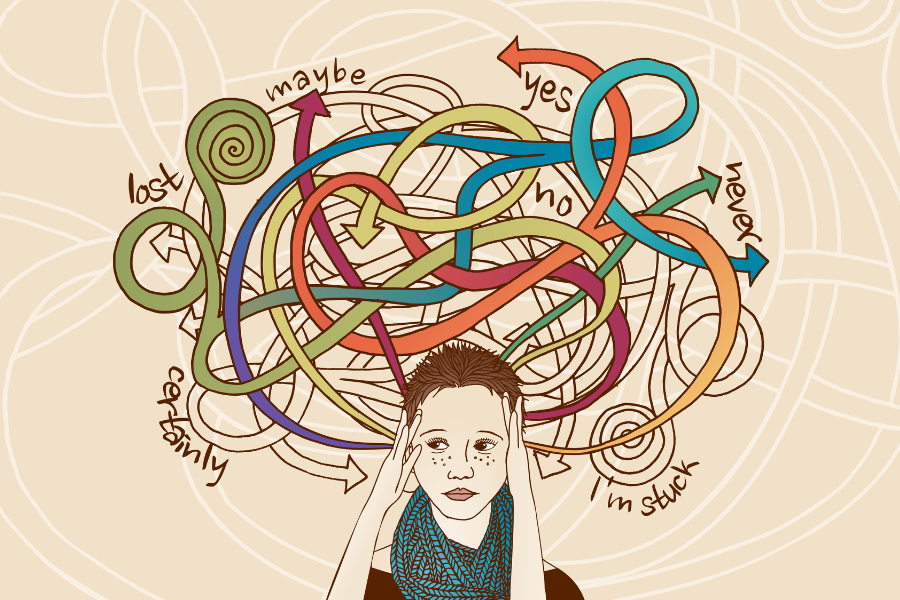
- You feel stuck, hopeless, or unlike yourself most days
In those situations, experts recommend talking with a healthcare provider to explore whether you are experiencing a depressive disorder rather than a temporary low mood (CDC).
Depression, grief, and loss
Grief after a loss can look a lot like depression. Both can involve sadness, sleep changes, appetite shifts, and difficulty focusing. The NHS notes that grief is usually a natural response that gradually eases over time, while depression is an illness that can linger or worsen without treatment and may involve intense guilt, hopelessness, or thoughts of suicide (NHS).
You do not have to figure this out alone. If you are unsure whether you are grieving, depressed, or both, a mental health professional can help you sort through what you are feeling.
Recognize common emotional symptoms
When you think of depression symptoms, emotional changes are probably what come to mind first. These shifts in mood and motivation can be subtle at the beginning, then gradually grow more disruptive.
Common emotional or psychological symptoms include:
- Feeling sad, empty, or tearful most of the day
- Losing interest in hobbies, sex, or activities you used to enjoy
- Feeling hopeless about the future or like nothing will ever get better
- Experiencing guilt, worthlessness, or harsh self‑criticism
- Feeling irritable, restless, or unusually angry
- Having trouble making decisions or concentrating
These symptoms can appear together and vary in intensity from person to person (Mayo Clinic; NHS).
When emotional symptoms are a red flag
You should pay close attention and consider seeking help if you notice that:
- You feel down or irritable most of the day, nearly every day
- You no longer feel pleasure from things that used to light you up
- You wake up thinking “What is the point?” several mornings in a row
- Friends or family say you seem different, distant, or withdrawn
If these patterns last longer than two weeks, it is a strong sign you would benefit from a conversation with a healthcare provider or therapist (NHS).
Notice physical symptoms of depression
Depression is often talked about as a mental health condition, but it has very real effects on your body too. In fact, some people feel the physical depression symptoms first and may not realize they are connected to their mood.
Sleep changes
Sleep and mood are closely linked. If you are depressed, you might:
- Struggle to fall asleep
- Wake up often during the night
- Wake much earlier than usual and not be able to get back to sleep
- Sleep far more than normal and still feel tired
Trouble falling or staying asleep is common in depression, although some people have the opposite problem and sleep excessively (WebMD).
Fatigue and low energy
Feeling tired sometimes is normal. With depression, fatigue can be different. You might:
- Feel exhausted even after a full night of sleep
- Find simple tasks like showering or washing dishes feel draining
- Need more breaks during the day than usual
This tiredness can make it harder to keep up with responsibilities, which then feeds feelings of guilt or failure, and the cycle continues (WebMD; Mayo Clinic).
Pain and body aches
Depression is linked to increased physical pain. People who are depressed are more likely to report:
- Aching muscles or joints
- Headaches
- Back pain
Researchers believe this connection may be related to shared brain chemicals that influence both mood and pain perception (WebMD).
Digestive issues
The brain and gut communicate constantly, so it is not surprising that mood can affect digestion. During a depressive episode you might experience:
- Nausea
- Indigestion
- Diarrhea or constipation
If your stomach problems appear alongside a low mood, they could be part of your depression symptoms rather than a separate issue (WebMD).
Chest pain and heart concerns
Sometimes chest discomfort shows up with depression. This can be related to anxiety, muscle tension, or stress. However, chest pain can also signal heart, lung, or stomach problems. Depression also raises your risk of heart disease and is more common if you have had a heart attack in the past (WebMD).
You should not ignore chest pain. It is important to seek medical evaluation to rule out urgent physical causes, even if you suspect depression is involved.
Why physical signs are easy to overlook
A World Health Organization study of over 1,000 depressed patients in 14 countries found that 69 percent reported only physical symptoms as the reason for their medical visit (Primary Care Companion to The Journal of Clinical Psychiatry). Because these aches, pains, or digestive problems can look like other conditions, depression often goes undiagnosed.
Being aware that your body can reflect your mood can help you recognize when it is time to bring up emotional concerns with your doctor, not just physical ones.
Pay attention to thinking and behavior changes
Depression does not just affect how you feel, it also influences how you think and behave. You might notice:
- Slowed thinking or speech
- Difficulty concentrating on work, reading, or conversations
- Frequent negative thoughts about yourself or the future
- Forgetfulness or trouble making everyday decisions
- Pulling away from friends and family
- Skipping hobbies, social events, or responsibilities
- Changes in appetite or weight gain or loss
These cognitive and behavioral depression symptoms can make daily life feel like walking through thick fog. They also increase the risk of job issues, conflicts in relationships, and isolation (Mayo Clinic; NHS).
Understand how symptoms vary by person
Depression does not look exactly the same in everyone. It can vary by age and sex, and that can make it harder to recognize in yourself or in someone you care about.
How symptoms can differ for women and men
Women are about twice as likely to be diagnosed with depression as men, and depression is a leading cause of disease burden in women (Johns Hopkins Medicine).
Common patterns include:
- Women with depression are more likely to show sadness, crying, guilt, and feelings of failure
- Men with depression may be more likely to express anger, irritability, or acting out behaviors
Cultural expectations that discourage men from talking about emotions can also mean male depression is missed or labeled as a “bad temper” instead of a mental health concern (Johns Hopkins Medicine).
Teens and younger adults
In adolescents, depression can show up as:
- Irritability rather than obvious sadness
- Loss of interest in school, sports, or social activities
- Changes in sleep and appetite
- Low self‑esteem and body image concerns
Adolescent girls with depression are more likely than boys to experience body image dissatisfaction, guilt, and sadness, while boys may show more loss of interest in activities and morning tiredness (Johns Hopkins Medicine).
Older adults
In older adults, depressive symptoms may be less obvious or may appear as:
- Complaints of physical problems rather than sadness
- Withdrawal from activities that require effort or social interaction
- Memory complaints that mimic dementia
Because these signs can be mistaken for “normal aging,” depression in older adults often goes undiagnosed and untreated (Mayo Clinic).
See how depression affects daily life
Depression does not stay in one corner of your life. It tends to spill into many areas, including your quality of life and physical health.
From 2008 to 2016 in the United States, adults with depression had significantly lower scores on measures of mental quality of life compared to those without depression (PMC). People with depression in this study also had lower physical quality of life, and the link between mood and physical functioning looked somewhat different for men and women.
Other findings from this research include:
- Both men and women with depression across all age groups had significantly lower mental quality of life
- Middle‑aged adults showed some of the strongest associations between depression and reduced quality of life
- Functional status (how well someone is able to perform daily tasks) helped explain the connection between depression and poorer physical quality of life, especially in men (PMC)
This means that if you are depressed, you might notice more than just low mood. You could find it harder to work, exercise, keep up with household tasks, or stay engaged socially. Recognizing that depression affects the whole person can make it easier to understand why you feel overwhelmed or unlike yourself.
Know the symptoms you should never ignore
Some depression symptoms signal an urgent need for help. They are not a sign of weakness, but they are a sign to reach out immediately.
According to the Mayo Clinic, you should seek emergency help right away if you have:
- Thoughts of harming yourself
- Thoughts of harming someone else
- A specific plan or intent to act on these thoughts
In these situations you can:
- Call 911 or your local emergency number
- Contact a crisis hotline in your area
- Stay with a trusted person or ask them to stay with you until help arrives
If you are supporting someone who is talking about suicide or self‑harm, try to stay with them, remove access to potential means of self‑harm if you can do so safely, and contact emergency services or a crisis line for guidance (Mayo Clinic).
Men are about four times more likely than women to die by suicide and account for nearly 80 percent of suicides in the United States, although women are more likely to experience suicidal thoughts (Johns Hopkins Medicine). This difference highlights why it is vital to take any talk of self‑harm seriously, regardless of who it is coming from.
Understand severity and diagnosis
If you decide to talk to a healthcare provider about depression symptoms, you might wonder what to expect.
How professionals assess depression
Doctors commonly look at:
- How long you have had symptoms
- How intense they are
- How much they interfere with daily life
The NHS notes that depression severity is often grouped as mild, moderate, or severe. In some severe cases, people may experience symptoms like psychosis, such as hallucinations or delusional thoughts (NHS).
To understand what you are going through, your provider may:
- Ask detailed questions about your mood, sleep, appetite, and energy
- Explore your medical history and any medications you take
- Screen for other conditions that can mimic depression symptoms
The information you share helps them determine whether you are experiencing depression and what level of support might help.
Physical symptoms and diagnosis
Physical complaints are a big part of the picture. In one primary care study of 1,000 adults, the likelihood of having a mood disorder increased sharply with the number of physical symptoms. Only 2 percent of people with 0 to 1 physical symptom had a mood disorder, compared with 60 percent of those with 9 or more physical symptoms (Primary Care Companion to The Journal of Clinical Psychiatry).
This does not mean that every physical symptom equals depression. It does mean that when many unexplained physical problems occur together with low mood, a mood disorder becomes more likely and is worth discussing with your doctor.
Explore treatment and recovery options
Depression is treatable, even when it feels heavy or long‑lasting. Many people improve with a combination of approaches that can include therapy, medication, lifestyle changes, or social support.
Medication and physical symptoms
For people who have depression symptoms along with significant physical pain, some experts recommend antidepressants that affect both serotonin and norepinephrine in the brain, such as venlafaxine and duloxetine. These medications can target mood regulation and pain pathways at the same time (Primary Care Companion to The Journal of Clinical Psychiatry).
Your doctor will consider your specific symptoms, health history, and any other medications you take to help you weigh the options.
It is also important to treat both emotional and physical symptoms fully. One study found that people who still had physical symptoms after depression treatment were much more likely to relapse. About 76 percent of those with residual physical symptoms experienced a relapse within 15 months, compared to 25 percent of people whose symptoms had resolved (Primary Care Companion to The Journal of Clinical Psychiatry).
Therapy and lifestyle support
Talk therapies such as cognitive behavioral therapy (CBT) can help you:
- Understand patterns in your thoughts and behaviors
- Develop coping strategies and problem‑solving skills
- Rebuild activities and routines that support your mood
Lifestyle choices can also play a powerful supportive role. According to experts, exercise and a healthy lifestyle that includes diet, stress management, and social support can help prevent major depression by reducing stress and boosting a sense of accomplishment and self‑efficacy (Johns Hopkins Medicine).
If you are already depressed, these steps may feel hard to start. Small, consistent changes are often more realistic than big leaps. For example:
- A 10‑minute walk most days instead of a full workout plan
- One balanced meal added to your week rather than overhauling your entire diet
- Reaching out to one trusted friend instead of trying to rebuild your whole social calendar at once
Any positive step counts, and you can build from there.
Decide when to seek help
You do not need to wait until things are unbearable to talk with someone. Early support can shorten the length and severity of depression and protect your quality of life.
Signs it is time to talk to a professional
Consider scheduling an appointment with a healthcare provider or mental health professional if:
- You have felt low, empty, or irritable most of the day, nearly every day, for more than two weeks
- You have lost interest in activities you usually enjoy
- Your sleep, appetite, or energy levels have changed noticeably
- Daily tasks feel overwhelming or you are missing work or school
- You are using alcohol, drugs, or other behaviors to cope with how you feel
The NHS advises seeing a general practitioner if you notice depression symptoms most of the day, every day, for more than two weeks. Even if a low mood sometimes lifts on its own, you do not have to wait and see if it will in your case (NHS).
If you are not sure where to start
If you feel hesitant about seeking help, try:
- Writing down your symptoms and how long you have had them
- Noting any physical changes like sleep, appetite, or pain
- Bringing this list to a primary care doctor and saying, “I am concerned I might be dealing with depression and I would like to talk about it.”
You can also look for local therapists, counseling centers, or community mental health clinics. Many offer sliding‑scale fees or telehealth options.
Move forward with compassion for yourself
Depression symptoms can touch nearly every part of your life, from your mood and thoughts to your sleep, energy, and physical health. They may show up differently depending on your age, sex, and circumstances, which can make them easy to minimize or explain away.
Paying attention to patterns such as:
- A low mood that lasts more than two weeks
- Loss of interest in activities you usually enjoy
- Noticeable changes in sleep, appetite, or energy
- Unexplained aches, pains, or digestive issues
- Thoughts that life is not worth living
can help you recognize when it is time to reach out.
The information here is not meant to diagnose or treat depression and it cannot replace working with a mental health professional (CDC). It can, however, be a starting point to better understand what you are experiencing and to remind you that you do not have to handle these symptoms alone.
Taking the step to talk with someone about how you feel, whether it is a doctor, therapist, or trusted person in your life, is a meaningful act of care for yourself.
About the Author