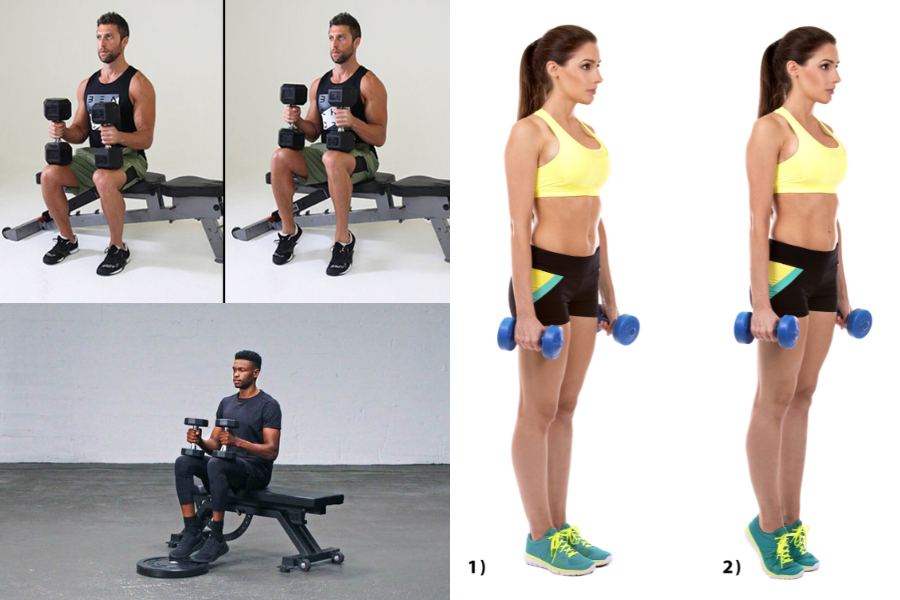
A pair of dumbbells and a few square feet of space are all you need to build stronger, more defined calves. With the right dumbbell calf exercises, you can improve lower leg strength, balance, and even protect your Achilles tendon, without complicated machines or a gym membership.
Below, you will find a friendly breakdown of how your calf muscles work, exactly how to do the most effective dumbbell moves, and how to put them together into a simple routine you can actually stick with.
Understand what your calf muscles do
Before you start lifting your heels with dumbbells in hand, it helps to know what you are training.
You have two main calf muscles:
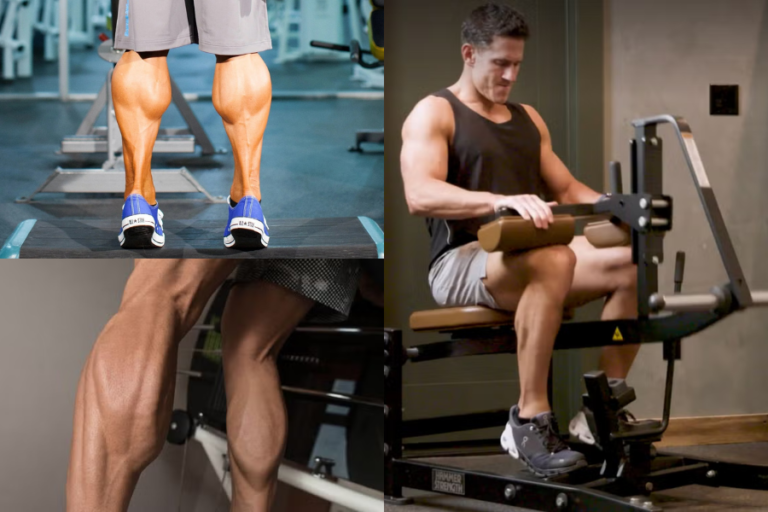
- Gastrocnemius: This is the larger, more visible muscle that gives your calf its rounded shape. It works hardest when your knee is straight, such as during standing calf raises and explosive movements like sprinting and jumping.
- Soleus: This lies underneath the gastrocnemius. It works more when your knee is bent, such as during seated calf raises. It plays a big role in walking, running, standing for long periods, and overall ankle stability.
Together, these muscles help you push off the ground, absorb impact, and keep your balance. Strengthening both the gastrocnemius and soleus can improve agility, reduce stress on the Achilles tendon, and lower your risk of calf strains, as explained by Edward R. Laskowski, M.D., from Mayo Clinic.
Why choose dumbbell calf exercises
Dumbbell calf exercises are simple, joint friendly, and easy to scale as you get stronger. You can do them at home, in a small corner of the gym, or even outdoors.
When you train your calves with dumbbells, you:
- Add load gradually without compressing your spine with a heavy bar
- Challenge your balance and ankle stability with each rep
- Control the range of motion and tempo more easily
- Target specific parts of the calf by adjusting your body position
Mayo Clinic recommends calf raises with dumbbells as a safe way to strengthen the back of your lower legs and help protect the Achilles tendon from injury. For most people, one set of 12 to 15 controlled repetitions is a good starting point, especially if you are new to resistance training.
Form tips that make every rep count
Good technique matters more than how heavy your dumbbells are. Calves are powerful and have a strong stretch reflex, so rushing through reps usually means you use momentum instead of muscle.
Use a slow, controlled tempo
For dumbbell calf raises, think of each rep as a three step movement:
- Rise up smoothly onto your toes.
- Pause at the top for 1 to 2 seconds and squeeze your calves.
- Lower your heels slowly until you feel a gentle stretch.
Experts like Jared Meacham, PhD, CSCS, note that this slow, controlled style with a brief squeeze at the top significantly increases muscle activation and helps you overcome that natural bounce at the bottom of the movement.
Keep your body aligned
Several technique cues show up repeatedly in Mayo Clinic guidance:
- Hold a dumbbell in each hand by your sides.
- Keep your back straight and your core gently braced.
- Keep your knees straight for standing raises unless the exercise specifically calls for a bend.
- If you struggle with balance, lightly rest one hand on a chair, wall, or pole for support.
You want the movement to happen mostly at the ankle. That means you should focus on pushing your toes down into the floor rather than thinking about lifting your heels. This helps avoid compensating with your hips or upper body and keeps the work on your calves, as explained by Jared Meacham, PhD, CSCS.
Standing dumbbell calf raise
The classic standing dumbbell calf raise is the foundation of most calf routines. It targets the gastrocnemius and also works the soleus, especially if you go through a full range of motion.
How to do it
- Stand tall with your feet shoulder width apart.
- Hold a dumbbell in each hand at your sides.
- Place the balls of your feet on a step or weight plate if you want extra range of motion, with your heels starting just below the step level.
- Keep your knees straight, your back neutral, and your core engaged.
- Slowly rise up onto your toes as high as you comfortably can.
- Pause at the top for 1 to 2 seconds and squeeze your calves.
- Lower your heels under control until you feel a comfortable stretch in the back of your lower legs.
According to Mayo Clinic, this simple sequence, performed for one set of 12 to 15 repetitions with smooth, controlled movement, is enough to effectively strengthen the calf muscles for many people.
Foot position variations
You can emphasize different parts of the gastrocnemius by slightly changing your foot angle:
- Toes slightly inward: Targets the outer (lateral) head more.
- Toes slightly outward: Targets the inner (medial) head more.
- Toes straight: Works the entire calf complex evenly.
Research noted by Shawn Arent, PhD, shows that these small changes in foot angle can help optimize growth of different gastrocnemius heads when combined with consistent training.
Seated dumbbell calf raise
If you want to give extra attention to the deeper soleus muscle, seated dumbbell calf raises are your go to option. Bending the knee reduces the work of the gastrocnemius so the soleus can take the lead.
How to do it
- Sit on a sturdy chair or bench with your feet flat on the floor, about hip width apart.
- Place a dumbbell across each thigh, close to the knees, and hold them in place with your hands.
- Keep your back straight and supported.
- Lift your heels off the floor as high as possible, pushing through the balls of your feet.
- Pause at the top and feel the muscles deep in your lower legs working.
- Lower your heels slowly until they are back on the floor and you feel a gentle stretch.
Experts such as Glenn Higgins explain that this bent knee position effectively targets the soleus by partially turning off the gastrocnemius. Building a stronger soleus improves ankle stability for walking, running, jumping, and maintaining good posture.
Single leg standing dumbbell calf raise
Training each leg separately helps you spot and fix strength imbalances. The single leg standing dumbbell calf raise also increases the balance challenge.
How to do it
- Stand near a wall or sturdy object for light support.
- Hold one dumbbell in the hand on the same side as the working leg.
- Lift the opposite foot off the ground so you are standing on one leg.
- Place the ball of the working foot on a step or plate if available.
- With a straight knee and tall posture, raise your heel as high as you can.
- Pause at the top, then lower slowly through a full range of motion.
- Complete your reps, then switch sides.
Because each leg has to work independently, this move prevents your stronger side from doing most of the work and helps build better symmetry and balance.
Goblet squat with calf raise
If you want to train more than just your calves, combine squats and calf raises into one fluid movement. Goblet squats with a calf raise bring your quads, glutes, and hamstrings into the mix.
How to do it
- Hold one dumbbell vertically against your chest with both hands, like a goblet.
- Stand with your feet about shoulder width apart, toes slightly turned out.
- Squat down, keeping your chest up and your heels on the floor, until your thighs are at least parallel to the ground.
- Push through your whole foot to stand up.
- At the top of the squat, immediately rise onto your toes into a calf raise.
- Lower your heels back to the floor and repeat.
This compound movement trains your calves along with the major muscles of your lower body. It also improves balance and explosive power that are useful for sports such as basketball and sprinting.
Dumbbell jumping squat
If you are ready for a more advanced option, dumbbell jumping squats add a plyometric element that challenges your calves in a different way.
How to do it
- Hold a light pair of dumbbells at your sides.
- Stand with your feet shoulder width apart.
- Lower into a quarter or half squat.
- Explosively jump upward, extending your ankles so you push off through your calves.
- Land softly, absorbing the impact by bending your knees and hips.
- Reset your balance, then repeat for controlled reps.
Dumbbell jumping squats increase calf activation beyond regular squats and are helpful for building power, strength, and calorie burn, especially if you play sports that demand quick, explosive lower body movement.
How often you should train your calves
Calves respond well to frequent, consistent training. For most people, training them 2 to 3 times per week works well when combined with good form and gradual increases in load.
Experts such as Shawn Arent, PhD, recommend using a mix of rep ranges to fully train both the strength and endurance qualities of the soleus and gastrocnemius:
- On one day, use heavier dumbbells for 8 to 12 reps.
- On another day, use lighter dumbbells for 15 to 20 reps.
Alternating like this helps you target a wider range of muscle fibers and promotes balanced development.
A simple starting point is one set of 12 to 15 smooth, controlled reps for each exercise, as recommended by Mayo Clinic, then you can build up to 2 or 3 sets as your strength and confidence grow.
Sample dumbbell calf workout you can try
Here is a straightforward routine you can follow with minimal equipment. Adjust the weight so your last 2 reps of each set feel challenging but doable with good form.
- Standing dumbbell calf raise
- 2 to 3 sets of 12 to 15 reps
- Use toes straight on the first set, then slightly in on the second, slightly out on the third if you are comfortable.
- Seated dumbbell calf raise
- 2 sets of 15 to 20 reps
- Focus on a strong squeeze at the top and a slow lower.
- Single leg standing dumbbell calf raise
- 2 sets of 10 to 12 reps per leg
- Use light support for balance if needed.
If you have extra energy, finish with:
- Goblet squat with calf raise
- 2 sets of 10 to 12 reps
- Move smoothly and keep heels down during the squat, then add the calf raise at the top.
Rest 45 to 60 seconds between sets. Aim to complete this routine two or three times per week on non consecutive days.
Safety reminders before you start
A few small habits will help you get the most from your dumbbell calf exercises while keeping your joints happy:
- Warm up first with 3 to 5 minutes of easy walking or marching in place.
- Start with body weight versions if you are new to exercise.
- Use a chair, wall, or rail for balance support when needed.
- Keep your movements smooth and avoid bouncing at the bottom.
- Stop if you feel sharp pain in your ankle, knee, or Achilles tendon.
Nicole L. Campbell from Mayo Clinic emphasizes that keeping your back and knees straight during calf raises, using controlled movement, and adding support if you have balance issues are key to proper form and long term progress.
Begin with one or two of these exercises in your next workout. As your calves get stronger, you can gradually add more sets, vary your foot positions, or increase the weight of your dumbbells. With consistency, you will not only see more defined calves, you will also feel the difference every time you walk, climb stairs, or power through a workout.
About the Author