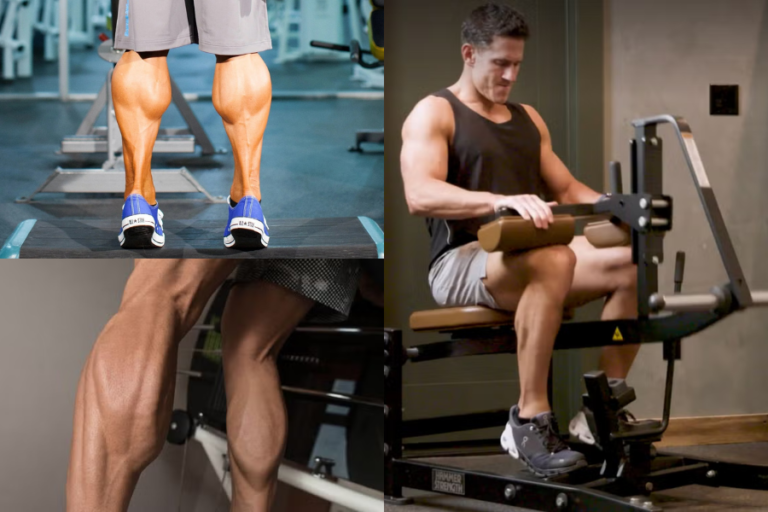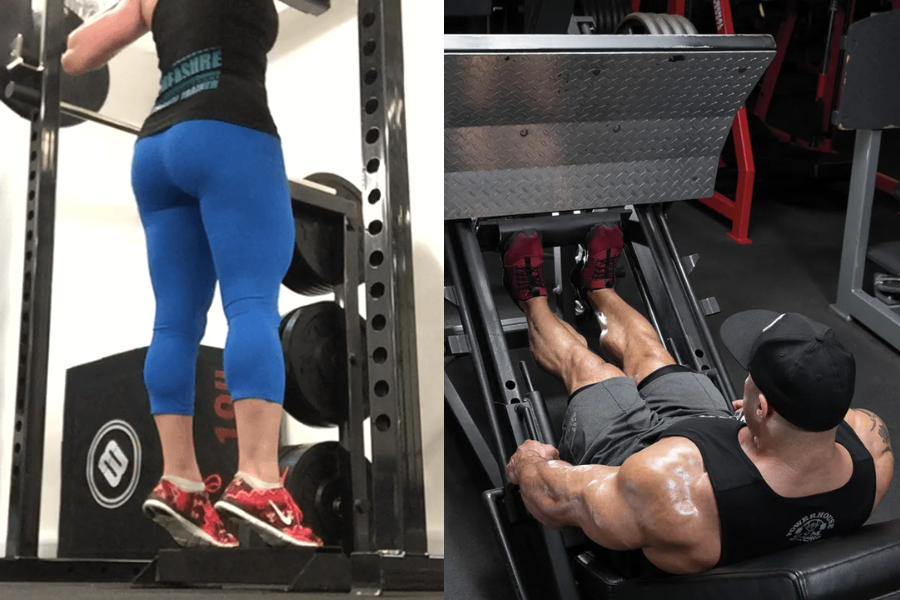
Calf workouts for beginners can be simple, quick, and surprisingly fun. Strong calves help you walk, run, climb stairs, and balance more confidently, and you can start building that strength with just your body weight and a few smart habits.
Below, you will find friendly, no-intimidation ideas to strengthen your calves, protect your ankles, and support your knees, even if you are new to exercise.
Why your calves deserve attention
Your calf muscles do more than help you look good in shorts. They are key players in everyday movement and in keeping you injury free.
The two main muscles are the gastrocnemius and the soleus. Together, they support walking, running, jumping, and good posture, and they help stabilize your ankle and knee joints. During running, your soleus can absorb 6.5 to 8 times your body weight, while your gastrocnemius takes around 2 to 3 times your body weight, which shows how much force your calves handle with every step.
Calf raises are especially helpful because they work with your plantar fascia and Achilles tendon and support knee function, so they are often used in foot and ankle pain rehabilitation.
If you have ever had sore ankles, tight calves, or felt unstable on uneven ground, a simple beginner calf routine can make daily life feel easier and more comfortable.
Simple form tips that protect your joints
Good technique helps you get more benefit from every rep and protects you from strain. Before you worry about weights or advanced moves, focus on how each rep feels.
Try to keep these points in mind whenever you do calf raises:
- Keep equal pressure across the whole forefoot, from your big toe joint to your little toe joint, so weight does not collapse to one side.
- Aim to reach full height on every rep. That means lifting your heels as high as you can with control, not just popping up halfway and dropping down when it gets tough.
- Move slowly. A calm, controlled rise and a calm, controlled lower will challenge your muscles much more than fast bouncing.
- Keep your knees and back straight, and pull your abdominals in gently so your body stays aligned instead of leaning forward or back.
- If your toes claw or curl, let them hang slightly off a step or weight plate. This reduces the help from your long toe flexors and keeps tension where you want it, in your calves.
You will feel the difference when you focus on a firm squeeze at the top and a comfortable stretch at the bottom instead of rushing.
Warm up your lower legs in minutes
A short warm up wakes up your muscles and reduces the chance of cramping or pulling something. You do not need anything fancy.
You can try this quick routine before your calf workout:
- March in place for 30 to 60 seconds.
- Roll your ankles slowly in circles, 10 times in each direction per foot.
- Do 10 body weight squats or sit to stands from a chair.
- Finish with a gentle standing calf stretch, holding 15 to 20 seconds per leg.
Stretching your calves both before and after standing calf raises can improve flexibility and help you avoid tightness that might lead to injury, especially if you sit a lot or wear stiff shoes.
Core beginner calf exercises to know
You can build a complete beginner-friendly routine around a handful of moves. Start with body weight, then add dumbbells or machines as you get stronger.
Double-leg standing calf raise
This is your foundation exercise. It is accessible nearly anywhere and uses just your body weight.
- Stand near a wall, counter, or sturdy chair for balance.
- Place your feet hip width apart, toes pointing forward.
- Press down into the balls of both feet and slowly lift your heels until you are as high on your toes as you comfortably can be.
- Pause for a second or two and feel the squeeze in your calves.
- Lower your heels slowly back to the floor.
You can start with one set of 12 to 15 repetitions, which is often enough to effectively work the calf muscles when you are new to this movement.
Single-leg standing calf raise
Once both legs together feel easy, you can increase intensity by working one leg at a time. This builds strength and also exposes any left to right imbalances.
- Stand near a wall or chair and place your fingertips lightly for support.
- Shift your weight onto one foot and bend the other leg behind you.
- Press through the ball of your working foot and rise onto your toes.
- Pause, then lower slowly under control.
Start with fewer reps here, for example 8 to 10 per leg, and build up over time. If the move feels wobbly, lightly hold the support and focus on slow, smooth motion.
Seated calf raise
Seated calf raises shift more work onto the soleus muscle because your knee is bent, which is helpful for full lower leg development.
You can do these at home:
- Sit on a sturdy chair with your feet flat on the floor, hip width apart.
- Place your hands on top of your thighs just above your knees for a bit of extra pressure, or rest a light weight on your thighs if you have one.
- Press into the balls of your feet to lift your heels as high as you can.
- Pause for a second or two, then lower your heels slowly.
If you are at a gym, you can also try a seated calf press machine. Ask the staff to show you how to adjust the seat and pad so your legs are comfortable before you begin.
Calf raises with dumbbells
When your body weight sets feel controlled, you can add dumbbells to increase the challenge without changing the basic motion.
According to Mayo Clinic experts, a safe way to do this is:
- Hold a dumbbell in each hand with your arms hanging straight at your sides.
- Stand with feet about shoulder width apart, knees and back straight.
- Rise onto your toes, feeling tension build in your calves.
- Slowly return your heels to the starting position without letting them slam into the floor.
Choose a weight that lets you complete 8 to 15 reps with good form. If you cannot reach full height, the weight is probably too heavy. If you could keep going forever, it is likely too light to be effective.
Technique details that boost results
Once you are confident with the basics, a few subtle tweaks can help your calves grow and get stronger faster, even if you are still a beginner.
Use full range of motion
Try to think in terms of a gentle stretch and a strong squeeze. At the bottom of each rep, allow your heels to drop just enough to feel a “sweet stretch,” especially if you are standing on a small platform or plate. Pause briefly, then press up to an almost “en pointe” position, as high on your toes as you can with control.
This full range helps lengthen and contract the muscle fibers more completely, which is better for growth and flexibility than quick, shallow bounces.
Control tempo and rhythm
Instead of racing, count in your head:
- 2 seconds to rise onto your toes.
- 1 to 2 seconds to hold the top squeeze.
- 2 seconds to lower your heels back down.
Calves often respond well to higher rep work. Sets of 10 to 20 are a good starting point, and you can occasionally mix in higher rep sets of 30 or more once your endurance improves, as long as you keep your form solid and the movement controlled.
Balance both major calf muscles
Standing calf raises hit your gastrocnemius more, while seated calf raises emphasize your soleus. If you only ever train one variation, you may limit how full and strong your calves can become.
Including both standing and seated versions in your weekly routine helps you build a more balanced, powerful lower leg.
Think of standing calf raises as your “show” muscle work and seated calf raises as your “go” muscle work. You want both for strength and shape.
A friendly 15 minute beginner calf workout
You do not need a long session to see progress. A short, focused workout three times a week is enough to start feeling the difference in your calves and ankles.
Try this sample routine on non consecutive days, for example Monday, Wednesday, and Friday:
-
Warm up
2 to 3 minutes of marching in place, ankle circles, and gentle calf stretches. -
Standing double-leg calf raise
3 sets of 10 to 15 reps. Pause for 1 to 2 seconds at the top and bottom of each rep. -
Seated calf raise
3 sets of 10 to 15 reps, using light weight or just body weight. Focus on an even push through the balls of your feet. -
Single-leg calf raise
2 sets of 8 to 12 reps per leg. Hold on for balance. Stop if your form starts to wobble or your toes grip the floor. -
Cool down
Finish with 1 to 2 gentle calf stretches per leg, 20 to 30 seconds each.
As you get stronger, you can add small weights, increase your reps, or include variations like leg press calf raises or jump rope intervals for a mix of strength and power. Just adjust gradually so your muscles and tendons have time to adapt.
Safety tips to keep things feeling good
Your calves work hard every day, so it pays to treat them with a little extra care while you train.
A few easy rules to follow:
- Start with two to three calf workouts per week instead of training them intensely every day.
- Move slowly with controlled counts. Quick, jerky motions can stress your Achilles tendon and ankle.
- Stay hydrated, especially if you tend to cramp.
- Build volume gradually. Add a few reps or one extra set over time instead of all at once.
- Pay attention to pain. Mild muscle burn is normal. Sharp pain, swelling, or intense tightness that does not ease with rest is a sign to stop and consult a doctor or fitness professional, especially if you are recovering from an injury.
If balance is a challenge, hold on to a wall or back of a chair. If standing work is still too much, stick with seated calf raises until your strength and stability improve.
Making calf training a habit you enjoy
Calf workouts for beginners do not need to feel like a chore. You can:
- Add a set of calf raises every time you wait for the kettle or microwave.
- Use stair steps at home to get a deeper stretch at the bottom of the movement.
- Turn on your favorite song and do a few sets during the chorus sections.
Aim for consistency over perfection. A focused 10 to 15 minutes, three times a week, is enough to build noticeably stronger, more resilient calves that support every step you take.
About the Author