Paleo diet vs keto comes up a lot when you start looking for a way to lose weight and feel more energized. Both diets focus on whole, minimally processed foods and cutting out added sugar, but they affect your energy in different ways, especially once you get past the first few weeks.
Below, you will see how each approach actually feels in your day to day life, what to expect from your energy levels, and how to decide which one fits your body and routine.
Understand the basics of paleo vs keto
Before you compare how you might feel on each plan, it helps to be clear on what you are actually eating.
What the paleo diet focuses on
The paleo diet, often called the caveman diet, is built around foods that would have been available to early humans. You eat:
- Meat, poultry, and fish
- Eggs
- Vegetables and fruits
- Nuts and seeds
- Healthy fats like olive oil and avocado
You avoid grains, legumes, processed sugar, most dairy, and ultra processed foods. Paleo also puts a lot of emphasis on overall lifestyle choices like movement and stress management, not just what is on your plate (Healthline).
You do not count macros on paleo, and you can eat plenty of whole food carbohydrates such as fruit, starchy vegetables, and small amounts of unrefined sweeteners (Healthline). That flexibility matters for your energy over the long term.
What the keto diet focuses on
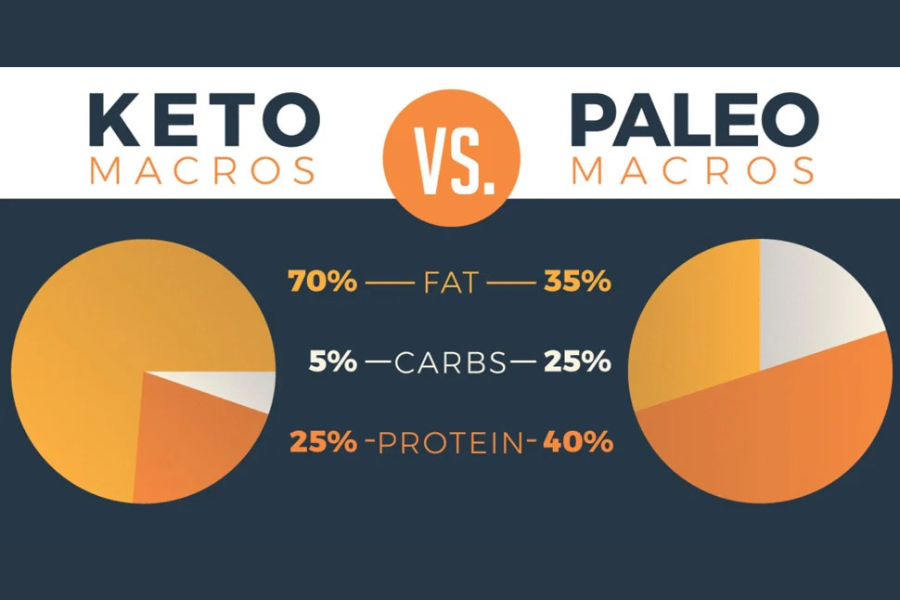
The ketogenic, or keto, diet is all about changing your main fuel source from carbs to fat. To get into ketosis, you drop your carbs very low and raise your fat intake. A typical keto macro breakdown is about 60% fat, 30% protein, and 10% carbohydrates (WebMD).
You:
- Keep carbs very low, often under 50 grams per day
- Eat moderate protein
- Eat a high amount of fat from sources like butter, oils, cheese, and fatty meat
Keto can lead to rapid weight loss and can be powerful for blood sugar control, but it requires strict tracking and careful control of what you eat (Healthline).
How paleo and keto change your fuel source
Your energy levels are closely tied to what your body is using as fuel.
Energy on paleo
On a paleo diet, you typically get energy from a mix of carbs and fat. Since you still eat fruits and starchy vegetables, your body has access to glucose, your normal, quick burning fuel. At the same time, the emphasis on healthy fats and protein gives you more stable digestion and fewer dramatic ups and downs.
Paleo encourages lean proteins like fish, chicken, and eggs, plus a wide variety of vegetables and some fruits, while avoiding refined grains and added sugars (Scripps Health). For many people, this combination feels familiar and steady, rather than extreme.
Energy on keto
On keto, your body shifts to burning ketones, which are made from fat, instead of relying on carbs. This metabolic state is called ketosis, and it can produce a very different kind of energy.
People often report a burst of mental clarity and reduced hunger once they are fully in ketosis. However, reaching that state can feel rough at first. When you sharply reduce carbs, your body needs time to adjust. You may feel tired, foggy, thirsty, and a bit off as your system switches fuel sources (Scripps Health).
According to Scripps Health, early keto side effects can include increased thirst, frequent urination, metallic taste, nausea, decreased appetite, and trouble sleeping as your body gets used to burning fat instead of carbs (Scripps Health).
Short term energy: what the first month feels like
The first few weeks on any new diet can shape how motivated you feel to keep going.
Your first weeks on paleo
When you start paleo, you cut out sugar, refined grains, and many processed foods. If you are used to grabbing sweet snacks or fast food, you might experience some cravings and mild withdrawal at first.
However, since paleo still allows whole food carbohydrates, your body does not have to fully switch fuel systems. Many people notice:
- Fewer mid afternoon crashes
- More stable mood
- Less bloating and heaviness after meals
Research suggests that paleo style eating can help regulate blood sugar, which can naturally tame some of those big energy dips over the course of the day (WebMD).
Your first weeks on keto
The early keto phase can feel more intense. As your body moves toward ketosis, you may go through what people often call the keto flu. Your energy can temporarily drop, and you might notice fatigue, brain fog, and irritability.
Keto also leads to loss of water and minerals at first, which contributes to increased thirst, more frequent trips to the bathroom, and sometimes nausea or sleep changes (Scripps Health). This transition period is temporary, but it can be challenging if you need to stay sharp for work or have a busy family schedule.
If you push through and stay strict enough to maintain ketosis, that is when many people start to feel more consistent energy and less hunger. The key is that you have to maintain very low carbs day after day for that benefit to last.
Long term energy: sustainability matters
Once you are past the adjustment phase, the biggest energy question becomes: can you actually live with this style of eating long term?
How sustainable paleo feels
The paleo diet is often considered easier to maintain over time because it is less restrictive and more flexible with carbohydrates. Healthline notes that paleo is generally seen as healthier and more sustainable due to its wider range of nutrient dense foods and more relaxed approach to carb intake (Healthline).
MorningStar Family Health Center adds that paleo focuses on food quality, like organic produce and grass fed or wild caught animal products, without requiring you to track macros or count every gram of fat and carbs (MorningStar Family Health Center).
That approach can support:
- Steady, livable weight loss
- Less mental fatigue from constant tracking
- A more natural fit with social events and family meals
Since you are not avoiding all fruits or starchy vegetables, it is often easier to get enough vitamins, minerals, and fiber, which also play a big role in how energetic you feel day to day.
How sustainable keto feels
Keto can be powerful, especially if you are trying to manage blood sugar swings or serious sugar cravings. MorningStar Family Health Center notes that keto can help switch your main fuel source to ketones, which may support significant fat loss and even reduce epilepsy symptoms in some cases (MorningStar Family Health Center).
However, keto also has some long term challenges. Because grains and most fruits are restricted, you may be more prone to certain nutrient deficiencies, including selenium, magnesium, phosphorus, and vitamins B and C. WebMD points out that keto can pose risks for liver and kidney health in people who already have issues in those areas (WebMD).
You also need to be comfortable with:
- Tracking carbs and fat carefully
- Avoiding many common foods in social settings
- Navigating side effects if you fall out of ketosis and then restart
For some, the payoff of very stable energy and appetite control is worth the work. For others, the strictness eventually becomes tiring, which can lead to yo yo dieting and inconsistent energy.
Weight loss, health, and energy tradeoffs
Energy and weight loss are closely connected. When you are losing weight in a way that suits your body, you typically feel lighter and more motivated. When the method is working against you, your energy pays the price.
How paleo supports weight loss and health
Both WebMD and MorningStar Family Health Center highlight that paleo style eating can lead to significant weight loss, lower BMI, smaller waist size, reduced blood pressure, and better cholesterol numbers, which together lower your risk of cardiovascular disease (WebMD, MorningStar Family Health Center).
Those improvements in metabolic health are closely tied to more consistent daily energy. It is easier to stay active, sleep better, and stick with healthy habits when your blood sugar is more stable.
However, paleo is not perfect. It often involves relatively high meat intake, and WebMD notes that this may increase risks of cardiovascular disease and diabetes for some people if the meat is high in saturated fat or if you are not balancing your plate with enough plant foods (WebMD).
How keto supports weight loss and health
Keto often delivers faster weight loss at the beginning, largely because of water loss and the way ketones affect appetite. Keto can be especially helpful if you need to manage blood sugar or overcome strong sugar cravings, since it largely takes sugar and refined carbs off the table (MorningStar Family Health Center).
Still, keto is not recommended for everyone. According to Scripps Health, it is generally not advised for pregnant or nursing women, people with advanced kidney problems, or those with a history of eating disorders, due to the potential negative health effects (Scripps Health).
The American Heart Association has also raised concerns. In a 2023 scientific statement that scored popular diets for heart health, both paleo and keto landed in the lowest tier. Paleo scored 53 out of 100 and keto scored 31, mainly because both are high in fat and do not necessarily limit saturated fats the way heart healthy guidelines recommend (American Heart Association News). That is important to keep in mind if you are thinking about the very long term, not just quick results.
Both paleo and keto can help you lose weight and improve your health if they are done thoughtfully, but you still need to pay attention to overall balance, especially your intake of saturated fat and fiber.
Choosing the diet that fits your energy needs
At this point, you may be wondering which path will actually help you feel your best.
When paleo may fit you better
You may do well with paleo if you:
- Want to lose weight without counting every gram of carbs and fat
- Prefer a diet that includes fruits and starchy vegetables
- Need something that feels realistic for family meals and social events
- Care about long term sustainability and steady, livable energy
MorningStar Family Health Center notes that paleo, or a paleo leaning approach, often works well for busy lifestyles and for becoming a more varied, healthier eater, without the constant focus on macros (MorningStar Family Health Center).
When keto may fit you better
You may be more drawn to keto if you:
- Want more dramatic appetite reduction and rapid early weight loss
- Have specific blood sugar issues to address, with your doctor’s support
- Feel better with very steady energy and no large carb swings
- Are comfortable tracking food closely and eating very low carb most days
Keto or a hybrid paleo keto style can be especially helpful for balancing blood sugar and beating sugar cravings (MorningStar Family Health Center). Just remember that the stricter the plan, the more important it is to work with a healthcare professional, especially if you have existing medical conditions.
Practical next steps for better energy
You do not have to jump straight into a strict plan to start feeling a difference. You can move toward the benefits of paleo or keto while you experiment with what your body likes.
Here are a few simple ways to start:
- Cut obvious added sugars and ultra processed snacks. This alone often improves your energy within a week or two.
- Center each meal on protein, vegetables, and healthy fat. Then decide how many whole food carbs you feel best with.
- If you want to test keto, try gradually lowering carbs over a couple of weeks instead of dropping to very low carb overnight. This can make the transition easier on your energy.
- Notice how you feel at different times of day. Pay attention to your afternoon focus, hunger between meals, and sleep quality. Your body’s signals will help you fine tune your approach.
- Talk with your doctor or a registered dietitian before going very low carb, especially if you have existing health issues or take medication.
Both paleo and keto can change your relationship with food and energy in powerful ways. The most important thing is choosing an approach that you can live with and that supports your overall health, not just the number on the scale. When you do that, higher, more stable energy becomes a natural side effect of how you eat, not another goal you have to chase.
About the Author