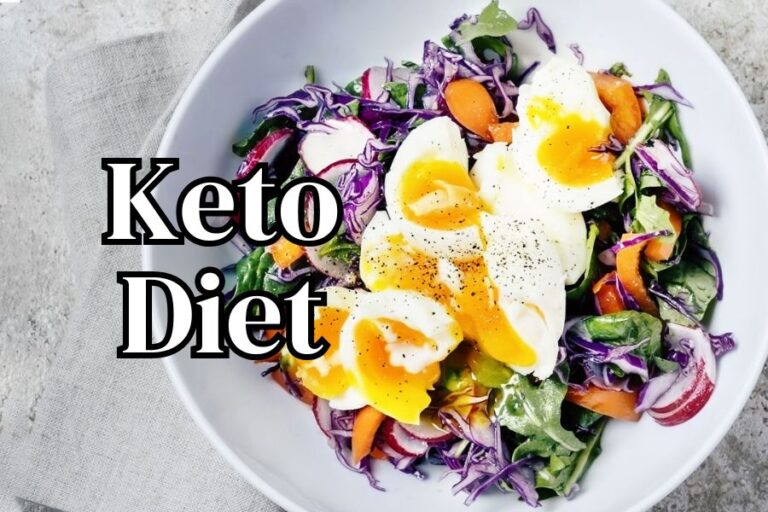
A low carb diet vegetarian approach can help you lose weight without feeling deprived, as long as you plan it thoughtfully. You focus on cutting refined carbs and sugars while leaning on fiber rich plants, eggs, and dairy for staying power and nutrition. With a few smart swaps, you can enjoy satisfying meals, better energy, and steady progress toward your goals.
Understand what low carb vegetarian really means
When you hear “low carb,” you might picture plates full of meat. As a vegetarian, your version will look different, but it can be just as effective for weight loss and health.
Low carb usually means that less of your daily calories come from carbohydrates and more come from protein and healthy fats. Many studies show that low carb diets help people lose weight by naturally reducing appetite, which tends to lower calorie intake without strict tracking (Healthline).
As a vegetarian, you are simply choosing low carb plant foods, plus eggs and dairy if you eat them, instead of relying on meat. Vegans typically feel best around 100 to 150 grams of carbs per day, while some vegetarians can comfortably go lower than 100 grams, especially if they include eggs and dairy for protein and fat (Healthline).
The goal is not to fear all carbs. It is to trade refined starches and sugars for fiber rich, slow digesting options that keep you full and support long term health.
Weigh the benefits and drawbacks
You will see strong opinions on both sides of the low carb conversation. Looking at the evidence helps you choose what works for your body and lifestyle.
Low carb diets have been shown in at least 23 studies over the past 12 years to support weight loss without calorie counting, largely because people feel less hungry and eat fewer calories overall (Healthline). These diets can also reduce harmful belly fat and improve markers like triglycerides, HDL cholesterol, blood pressure, and blood sugar, which is helpful if you live with obesity, metabolic syndrome, or type 2 diabetes (Healthline).
For some conditions, such as type 2 diabetes, a low carb pattern can be especially beneficial and may improve quality of life when monitored by your healthcare team (Arizona Gynecology Consultants). Low carb vegetarian styles like the eco Atkins diet, which gets about 26 percent of calories from carbs, have even outperformed some traditional low fat diets in certain studies (Healthline).
On the other hand, very low carb plans that drop below 20 percent of daily calories from carbs can create issues if you are not careful. You might cut out fruits, whole grains, and legumes that deliver vitamin C, potassium, and fiber, which your immune system and digestion rely on (Healthy For Life Meals). Low carb diets can also limit the carbs your brain prefers for fuel, which may trigger fatigue, irritability, or foggy thinking in some people (Healthy For Life Meals).
If you go too extreme for too long, your metabolism may adapt, so weight loss slows and becomes harder to maintain without further restriction or more exercise (Healthy For Life Meals). The key is a balanced approach that keeps plenty of fiber and micronutrients in your diet instead of cutting entire food groups for quick results.
Choose the right carb level for you
Your ideal carb intake depends on your body, activity level, and whether you are vegetarian or vegan.
As a vegetarian, you may find a lower carb range easier to maintain because eggs and dairy offer protein and fat with very few carbohydrates. Experts note that some vegetarians can comfortably keep carbs under 100 grams a day by leaning on these foods (Healthline). Vegans, who skip eggs and dairy, often feel better in the 100 to 150 gram range because extremely low carb intakes can be impractical without animal products (Healthline).
Instead of fixating on a single number, think in ranges. If you are very active, you might stay toward the higher end of your range for performance and recovery. On rest days, you can drift a little lower.
Using a nutrition tracker such as Cron o meter for a week or two can help you see your current carb, protein, and fat balance. This lets you adjust gradually instead of making a drastic overnight change. You can experiment, check in with how you feel, and tweak your intake based on your hunger, energy, and weight goals.
Build your plate around protein and fiber
For sustainable weight loss on a low carb diet vegetarian plan, you want every meal to be filling. Protein and fiber work together to keep you satisfied, reduce cravings, and stabilize your blood sugar.
If you include eggs and dairy, you have several very low carb high protein options. Eggs provide around 6 grams of protein and only 0.6 grams of carbs per cooked egg, which makes them ideal for low carb breakfasts or snacks (Camille Styles). Paneer is another powerhouse, with about 21 grams of protein and only 3.5 grams of carbs per 3.5 ounce serving (Camille Styles). Halloumi cheese offers roughly 7 grams of protein and 0 grams of carbohydrates per ounce, so it fits especially well into low carb vegetarian recipes (Camille Styles).
If you are vegan or want more plant variety, soy based foods are your friends. Tempeh, a fermented soybean product, packs about 34 grams of protein and 13 grams of carbs per cup, which gives you a dense, savory option that is still moderate in carbs (Camille Styles). Soy products, particularly tempeh, are often called the best low carb vegetarian source of both protein and fat, helping you stay full without relying on meat (Arizona Gynecology Consultants).
Layer these proteins over non starchy vegetables and leafy greens to add volume and fiber without many carbs. This combination helps control appetite so you naturally eat less, which is one of the main ways low carb diets promote weight loss (Healthline).
A simple rule of thumb: fill half your plate with non starchy vegetables, one quarter with protein rich foods, and the remaining quarter with healthy fats or higher fiber carbs like beans or lentils if they fit your daily targets.
Stock your kitchen with smart staples
Making a low carb vegetarian lifestyle easy starts with what you keep on hand. If your pantry and fridge are stocked, quick, healthy choices feel automatic.
Base your meals around:
- Eggs and egg whites
- Plain Greek yogurt and cottage cheese
- Paneer, halloumi, and other firm cheeses
- Tempeh, tofu, and edamame
- Non starchy vegetables such as broccoli, cauliflower, leafy greens, zucchini, bell peppers, and mushrooms
- Avocado, nuts, and seeds for healthy fats
- Low sugar plant milks and unsweetened yogurt alternatives
Practical low carb vegetarian meals can be simpler than you expect. For example, broccoli fried rice made with riced broccoli instead of regular rice, plus nuts, extra vegetables, and eggs for lacto ovo vegetarians, is both filling and low in carbs (Arizona Gynecology Consultants). Grilled cauliflower steaks with Romesco sauce are another satisfying, vegetable forward option that fits comfortably in a low carb pattern (Arizona Gynecology Consultants).
You can also recreate takeout favorites in low carb form. Think paneer tikka skewers with a side salad instead of naan, or a crispy halloumi salad loaded with greens and roasted vegetables instead of a pasta base (Camille Styles).
Keep nutrition and long term health in view
A low carb diet vegetarian plan is not just about the scale. It also affects your long term health, especially your heart, blood sugar, and digestion.
Well planned vegetarian diets, especially when built around whole, minimally processed foods, have been shown to lower blood pressure, body weight, total and LDL cholesterol, and HbA1c in clinical trials (NCBI). They may also help improve insulin sensitivity and lower the risk of developing type 2 diabetes, partly because they are high in fiber and tend to have a lower glycemic index, with fewer animal proteins rich in branched chain amino acids (NCBI).
When you keep refined carbs and unhealthy fats low but choose plenty of whole grains, legumes, and vegetables, vegetarian patterns are linked to a reduced risk of colorectal cancer. In contrast, vegetarian diets heavy in refined starch, sugar, and processed foods are associated with higher morbidity and mortality, which shows that food quality matters more than labels alone (NCBI).
On the flip side, strict low carb diets that push out fruits, whole grains, and beans can cause fiber shortfalls. Fiber is crucial for a diverse gut microbiome and strong immune system. If you cut it too far, you may face digestive issues and a higher risk of inflammation, obesity, and diabetes over time (Healthy For Life Meals). The takeaway is simple. Keep carbs lower, but protect your fiber intake by prioritizing vegetables, nuts, seeds, and, if they fit your carb budget, moderate portions of legumes.
Finally, if you are vegan or mostly plant based, pay close attention to vitamin B12, iron, zinc, calcium, and protein. B12 is not naturally present in plant foods, so you need fortified foods or supplements to avoid serious deficiencies such as megaloblastic anemia and nerve damage. You also want enough iron, zinc, calcium, and protein to support bone health and growth, which is especially important for children, teens, and older adults (NCBI).
Decide between low carb and low fat plant based
With so many diet headlines, you might wonder whether a low carb diet vegetarian style is your best option or if a high carb, low fat plant based plan could serve you better.
A controlled 2021 NIH study compared a low fat, plant based diet that was high in carbohydrates with a low carbohydrate, animal based diet. On the high carb plant based plan, participants ate 550 to 700 fewer calories per day than on the low carb, animal based plan, even though they were encouraged to eat until they were full (NIH). Participants lost weight on both diets, but only the low fat, plant based group saw a significant loss of body fat (NIH).
That plant based diet was about 10.3 percent fat, 75.2 percent carbohydrates, and 14 percent protein, and it centered on foods like baked sweet potatoes, chickpeas, broccoli, and oranges (NIH). Despite higher blood glucose and insulin levels because of the high carb content, these participants still consumed fewer calories and lost more body fat, and they reported an appetite suppressing benefit from the low fat, high fiber meals (NIH).
Other research suggests that a low fat vegan diet can outperform some conventional diabetic diets for people with type 2 diabetes, improving HbA1c, body weight, LDL cholesterol, and even allowing some to reduce medications (NCBI).
What does this mean for you? Low carb is one effective path to weight loss and better blood sugar control, but it is not the only one. A low carb diet vegetarian plan can work well if you prefer richer, higher fat foods and feel better with fewer starches. A low fat, high fiber plant based approach may suit you more if you love beans, fruits, and whole grains and do not want to count carbs. You can even combine elements of both, such as lowering refined carbs while keeping plenty of whole plant carbohydrates. The best plan is the one you can enjoy and maintain.
Put it all together for easy weight loss
To make your low carb diet vegetarian lifestyle simple and sustainable, start with a few small but powerful changes.
First, define your rough carb range based on your preferences and whether you eat eggs and dairy. Then, center each meal on a solid protein source like eggs, Greek yogurt, paneer, tempeh, or tofu, and surround it with non starchy vegetables. Use healthy fats such as avocado, nuts, seeds, and olive oil to keep you full and add flavor.
Check in with your fiber intake and make sure you are not cutting out all legumes, fruits, or whole grains without replacing that fiber from vegetables and seeds. If you are vegan or mostly plant based, speak with your healthcare provider about B12 and mineral supplements so you protect your long term health.
Finally, give yourself time. Your body will need a week or two to adjust to a new balance of carbs, protein, and fat. Notice how your hunger, energy, and mood respond. Use that feedback, along with the science, to design a low carb vegetarian routine that supports both easy weight loss and a stronger, healthier you.
About the Author