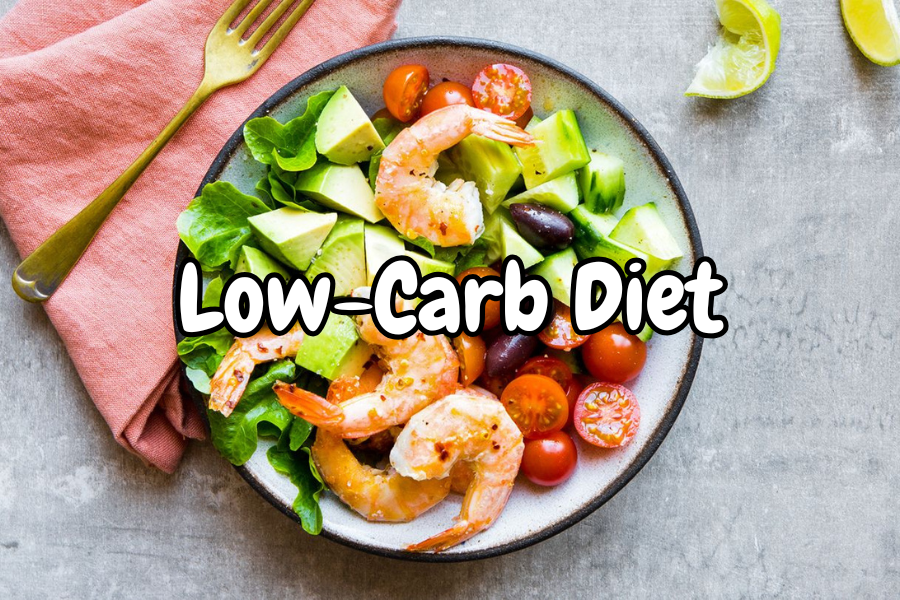
A low carb dinner can do more than help you “eat lighter.” When you choose the right low carb diet dinner recipes, you give your body steady energy, support weight loss, and still feel satisfied at the end of the day. You are not cutting out carbs completely. You are simply choosing meals that keep total carbs low, usually around 15 grams or less per serving, which fits common low carb approaches like Atkins, paleo, Whole30, and keto (Food Network).
The key is finding dinners that feel like real comfort food, not diet food. Below, you will learn how low carb dinners can support weight loss, what to look for in a recipe, and specific ideas you can put on your plate this week.
Understand how low carb dinners support weight loss
When you eat a typical high carb dinner with lots of pasta, bread, or rice, your blood sugar rises quickly. Your body responds with a spike in insulin, which helps move sugar into your cells. If your body does not need all of that energy right away, some of it can be stored as fat.
A well designed low carb dinner works differently. With fewer carbs and more protein and healthy fat, your blood sugar rises more slowly. You feel full for longer, you are less likely to snack late at night, and your overall calorie intake tends to drop without you trying so hard.
Many popular low carb plans follow this pattern. Low carb meals are often defined as having 15 grams of carbs or less per serving, and you will see that threshold used in recipes created for Atkins, paleo, Whole30, and keto ways of eating (Food Network).
Build a balanced low carb dinner plate
To use low carb diet dinner recipes for weight loss, focus less on strict rules and more on a repeatable formula that you can adjust to your tastes.
Think of your plate in three main parts:
- A generous portion of protein
- Plenty of non starchy vegetables
- A controlled amount of healthy fat
Protein as your anchor
Protein keeps you full, helps protect muscle while you lose weight, and gives your body the building blocks it needs. Good choices include chicken, turkey, fish, seafood, lean beef, pork tenderloin, tofu, tempeh, and eggs.
Recipes like High Protein Marry Me Chicken show how you can turn a classic creamy dish into a high protein, low carb dinner by loading the sauce with extra protein and keeping carbs in check (Delish).
Non starchy vegetables for volume
Vegetables like leafy greens, cauliflower, zucchini, broccoli, peppers, mushrooms, and green beans add fiber, vitamins, and volume without many carbs. A low carb dinner from EatingWell, such as the Salmon Rice Bowl made with riced cauliflower instead of brown rice, is a good example of how vegetables can stand in for starch while still feeling hearty (EatingWell).
Healthy fats for satisfaction
You do not need to fear fat on a low carb plan. Fats from olive oil, avocado, nuts, seeds, and fatty fish help you feel satisfied. The goal is to use enough to make the meal enjoyable, but not so much that calories skyrocket.
Creamy dishes like Cheesy Broccoli Cheddar Spaghetti Squash balance this well, combining lower carb spaghetti squash and broccoli with melted cheese for a comforting but still weight conscious meal (Delish).
Swap high carb staples for smart alternatives
You do not have to give up your favorite dinner styles to eat low carb. You only need to swap a few ingredients.
One simple strategy is to keep the flavors of a dish but change the carb heavy parts:
- Use zucchini ribbons instead of tortillas for chicken “enchiladas” to drop the carbs to about 10 grams per serving (Food Network).
- Replace traditional rice with cauliflower rice, which has roughly 25 percent of the carbs of regular rice, in stir fries, burrito bowls, and curries (Food Network).
- Turn pasta dishes into vegetable based bakes, such as Zucchini Lasagna Roll Ups, where zucchini sheets stand in for noodles around a ricotta filling and marinara sauce (Delish).
If you keep the same seasonings, sauces, and cooking methods, your plate will feel familiar even when the carb content is much lower.
Easy low carb chicken dinners for busy nights
Chicken is one of the easiest proteins to plug into low carb diet dinner recipes. It cooks quickly, works with almost any flavor profile, and pleases most palates.
Websites like That Low Carb Life build whole collections around kid tested, family friendly low carb chicken dinners, including recipes like Spinach Stuffed Chicken, Bruschetta Chicken, and Low Carb Taco Soup (That Low Carb Life). Taste of Home also highlights 39 low carb chicken recipes, from Herbed Slow Cooker Chicken to Mediterranean Chicken and Air Fryer Almond Chicken, many of which are designed to be both filling and healthy (Taste of Home).
Here are a few patterns you can follow at home:
Sheet pan and skillet chicken
Sheet pan garlic soy chicken with vegetables, like the version featured by EatingWell, uses chicken thighs plus a mix of vegetables flavored with garlic, ginger, and scallions (EatingWell). You can serve it with a very small scoop of brown rice if your carbs allow, or skip the grain entirely and add more vegetables.
Skillet chicken dishes, such as Chicken Enchilada Skillet Casserole, layer chicken with vegetables, sauce, and cheese in one pan without relying on a lot of tortillas. This keeps cleanup simple while keeping total carbs lower (EatingWell).
Italian inspired comfort
If you love Italian flavors, you can lean on recipes that use chicken instead of pasta:
- Keto Chicken Parmesan that uses a crisp, low carb coating and serves the chicken over sautéed greens instead of spaghetti (That Low Carb Life).
- Lasagna Stuffed Chicken where chicken breasts are filled with ricotta and marinara for all the lasagna flavors without noodles (That Low Carb Life).
- Creamy Tuscan Chicken, which pairs chicken with spinach, tomatoes, and a rich sauce, usually without any pasta (That Low Carb Life).
These types of dishes are satisfying and can support weight loss because they prioritize protein and vegetables instead of large amounts of starch.
Low carb seafood and vegetarian dinners
You do not have to eat chicken every night to stick with low carb. Seafood and plant based meals can fit well into your week and still support your goals.
Seafood with vegetable bases
Collections from Taste of Home include low carb seafood dinners like Rosemary Salmon, Chili Lime Shrimp, Ginger Halibut with Brussels Sprouts, and Artichoke Cod with Sun Dried Tomatoes, all built around fish paired with low carb vegetables (Taste of Home). New York Times Cooking adds options such as Roasted Salmon Glazed With Brown Sugar and Mustard, Grilled Flank Steak With Worcestershire Butter, and Spicy Slow Roasted Salmon With Cucumbers and Feta, many of which keep carbs in a modest range by focusing on protein and vegetables instead of grains (New York Times Cooking).
You can follow their lead at home by:
- Serving salmon over a bed of riced cauliflower and roasted broccoli.
- Pairing shrimp with zucchini noodles or roasted bell peppers instead of pasta.
- Making lettuce wraps with grilled fish, cabbage slaw, and a creamy sauce.
Satisfying vegetarian low carb options
Low carb does not always mean meat heavy. Vegetarian dishes can still be fairly low in carbs when you combine vegetables with eggs, cheese, or legumes in controlled amounts.
For example, EatingWell features Lentil Bowls with Fried Eggs and Greens that rely on French green lentils, which hold their shape and offer protein and fiber at a relatively moderate carb level (EatingWell). You can also build dinners around:
- Egg based dishes like frittatas, omelets, or crustless quiches loaded with vegetables, similar to an asparagus frittata with burrata and herb pesto highlighted in low carb collections (New York Times Cooking).
- Veggie and cheese combinations such as Cheesy Broccoli Cheddar Spaghetti Squash, which uses the squash strands as a lower carb pasta stand in (Delish).
- Big salads that include protein rich toppings like eggs, cheese, tofu, or beans in controlled amounts, such as classic Cobb salad or Chicken Nicoise salad, both featured as low carb friendly dinner salads (Taste of Home).
Keep dinners interesting with flavor and variety
One reason low carb diets fail is boredom. If you eat the same grilled chicken and steamed broccoli night after night, you will eventually crave something more exciting.
To keep your low carb dinners interesting and supportive of weight loss, you can:
- Rotate cuisines. Try gochujang shrimp with green beans for a Korean inspired sheet pan dinner, lemon chicken with garlic chile oil for a zesty twist, or Moroccan lamb lettuce wraps for something spiced and different (New York Times Cooking, Taste of Home).
- Change your cooking methods. Mix sheet pan meals, slow cooker recipes, air fryer dishes, and stovetop skillets to keep textures and flavors fresh. Collections from Skinnytaste and That Low Carb Life show how versatile low carb dinners can be when you swap methods and seasonings (Skinnytaste, That Low Carb Life).
- Lean on prepped ingredients. Use pre riced cauliflower, spiralized zucchini, bagged salad mixes, or precut vegetables to reduce prep time so it is easier to stick with your plan on busy nights.
Variety not only keeps your taste buds happy. It also helps you get a wider range of nutrients, which is important when you are eating fewer overall carbs.
Simple steps to start this week
You do not need to overhaul your entire meal plan overnight. You can ease into low carb diet dinner recipes that support weight loss with a few small changes.
Here is one straightforward way to begin:
- Pick three low carb dinners from the ideas above that genuinely appeal to you. For example, zucchini ribbon chicken enchiladas, Sheet Pan Caprese Chicken with tomatoes and basil, and a salmon bowl with cauliflower rice (Food Network, EatingWell).
- Shop with a short, focused list centered on protein, vegetables, and a few flavor boosters like herbs, spices, and sauces.
- Cook once, eat twice by doubling recipes and saving leftovers for the next night or for lunches. Many low carb casseroles, sheet pan meals, and soups reheat well.
As you notice how your body responds, you can add more low carb dinners into your routine. Over time, these recipes stop feeling like a temporary diet and simply become the way you eat most evenings.
The bottom line: when you choose low carb dinners that are rich in protein, full of vegetables, and seasoned well, you create a pattern of eating that naturally supports weight loss, steadier energy, and better health, without feeling deprived.
About the Author