Understand what healthy coping skills are
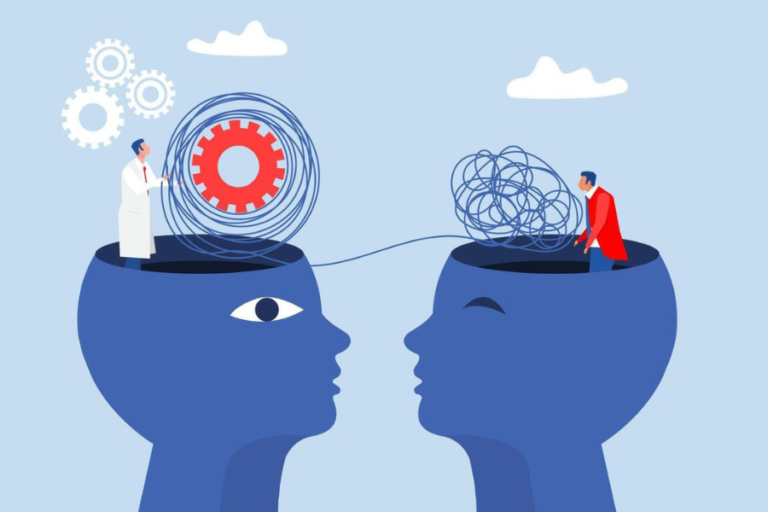
When life feels stressful or uncertain, it is easy to slip into habits that help you get through the moment but leave you feeling worse later. Healthy coping skills give you a different option. They are practical strategies you use on purpose to manage stress, care for your emotions, and respond to challenges in a way that supports your long‑term well‑being.
Researchers describe coping as the efforts you make to handle situations you see as harmful or stressful (Johns Hopkins Medicine). When your coping skills are healthy, you are more likely to
- Stay emotionally balanced in tough moments
- Avoid stress building up until it feels unmanageable
- Recover more quickly after setbacks
- Protect both your mental and physical health
Healthy coping skills are not about pretending everything is fine. They are about giving yourself tools so you can face what is happening with more steadiness and self‑respect.
Why healthy coping skills matter
Using healthy coping skills affects more than how you feel in a single stressful afternoon. Over time, they can reshape how you move through your life.
According to mental health experts, coping skills are essential for stress management and emotional regulation, and they play a central role in your overall mental health (Dallas Therapeutic). When you practice them regularly you
- Prevent stress from piling up
- Reduce the intensity of emotions like anger, anxiety, and sadness
- Lower your risk of chronic stress, which can worsen health problems (CDC)
- Strengthen your confidence in your ability to handle future challenges
Healthy coping skills also support your relationships. You are more likely to communicate clearly, set boundaries, and ask for help when you are not overwhelmed. Over time this builds resilience, which is your ability to adapt and recover from difficult experiences instead of staying stuck in them (Washington University in St. Louis).
Know the main types of coping
Not all healthy coping skills work the same way. Understanding the main types can help you choose what you need in a given situation instead of using the same approach for everything.
Problem‑focused coping
Problem‑focused coping is about changing the stressful situation itself. You use it when there is something concrete you can do to reduce or remove the stressor. Examples include
- Making a budget if money stress is weighing on you
- Asking for a deadline extension when you feel buried at work
- Having a direct, respectful conversation to resolve a conflict
- Changing jobs or ending a relationship that is harming your well‑being
These strategies aim to tackle the issue at its source. Verywell Mind describes this as taking action to change the situation rather than only managing how you feel about it (Verywell Mind).
Emotion‑focused coping
Emotion‑focused coping helps you handle how you feel when a situation cannot be changed quickly, or at all. It focuses on soothing, grounding, or expressing emotion in a healthy way without denying reality. For example you might
- Use deep breathing to calm your body before responding to an upsetting email
- Journal about grief after a loss
- Take a quiet walk when you feel overwhelmed
- Talk with someone you trust so you do not carry the feelings alone
Emotion‑focused coping is especially helpful when you are waiting on medical results, navigating a loss, or dealing with long‑term uncertainty.
Proactive coping
Proactive coping is planning ahead for future stress so it feels more manageable when it comes. Research shows proactive strategies can support mental health and even help with long‑term conditions such as stroke recovery and type 2 diabetes (Verywell Mind). You might
- Build a consistent sleep routine before a demanding work season
- Set realistic limits on social media to protect your mood
- Schedule regular check‑ins with a therapist or support group
- Make an action plan for upcoming changes, such as a move or a new baby
Instead of waiting for stress to explode, proactive coping allows you to put cushions in place ahead of time.
Flexible coping is the goal
You do not have to choose a single coping style. In fact, people who cope best tend to use a flexible set of strategies and match them to the situation (Cleveland Clinic). Sometimes you will need to calm your emotions first so you can think clearly. Other times you will feel ready to go straight to problem‑solving. Healthy coping skills give you options.
Build resilience through healthy coping
Resilience is the process of adapting well in the face of adversity, trauma, or significant stress (Johns Hopkins Medicine). It is not about being unaffected by hard things. Instead, it is about learning, healing, and continuing to move forward.
Healthy coping skills and resilience reinforce each other. As you practice coping skills, you discover that you can survive intense feelings and difficult situations. This experience boosts your sense of strength. At the same time, resilience makes it easier to use coping skills consistently rather than shutting down when life feels heavy.
Psychologists highlight four key ingredients that support resilience (Washington University in St. Louis)
-
Connection
Caring and supportive relationships are one of the strongest predictors of resilience. The American Psychological Association notes that relationships built on love and trust are a major contributor to your ability to bounce back (Johns Hopkins Medicine). Healthy coping often includes reaching out, not withdrawing. -
Wellness
Daily habits like sleep, movement, nutrition, and medical care influence your capacity to handle stress. Simple practices such as walking, stretching, or getting outside for fresh air can become powerful coping tools (ADAA, CDC). -
Healthy thinking
Noticing and gently questioning unhelpful thoughts helps you respond more calmly. Examples include
- Replacing “I will never handle this” with “This is hard and I can take one step at a time”
- Reminding yourself that feelings are temporary, even when they are intense
- Meaning and purpose
Finding a sense of meaning, even in difficulty, can protect your mental health. You might connect to values such as caring for family, contributing to your community, or living in line with your beliefs.
Learning to live with uncertainty is also an important part of resilience, especially in ongoing situations like public health crises, social injustice, or long‑term caregiving demands (Washington University in St. Louis). Healthy coping skills give you something to reach for when the future feels unclear.
Recognize common stressors and triggers
Stress is a normal response to new or challenging situations, including work, school, health, and relationships (CDC). In small amounts it can even help you solve problems and grow. When stress becomes chronic or stacks up without relief, though, it can begin to erode your mental and physical health.
You are more likely to need strong coping skills during
- Major life changes, such as moving, divorce, job loss, or becoming a parent
- Health issues, either your own or a loved one’s
- Ongoing stress at work or school
- Loneliness, conflict, or changes in close relationships
- Caregiving responsibilities, which research identifies as a significant source of stress (Johns Hopkins Medicine)
Too many changes in a short time can create a sense of losing control, which may lead to anxiety, depression, or worsening physical symptoms if your coping capacity is overwhelmed (Cleveland Clinic).
You may also notice personal “triggers,” such as
- Certain topics or memories
- Particular social situations
- Financial conversations or bills
- Medical environments or news
Healthy coping skills help you recognize these triggers and respond thoughtfully instead of reacting on autopilot.
Spot the difference between healthy and unhealthy coping
When you are hurting, almost anything that eases the pain in the moment can be tempting. It is helpful to know how to tell if a coping behavior is supporting you or slowly making things harder.
Signs a coping skill is healthy
A coping skill is likely healthy if it
- Helps you calm down, think clearly, or feel supported
- Respects your body and your relationships
- Fits your values
- Leaves you feeling a little more capable afterward, even if the situation is still hard
Healthy coping does not have to feel perfect or instantly fix the problem. Often it simply makes things a bit more manageable so you can decide on your next step.
Signs a coping habit is not serving you
A coping habit may be unhelpful or harmful if you notice
- You need more and more of it to get the same relief
- It hurts your health, finances, or relationships over time
- It avoids reality completely instead of helping you face it
- You feel ashamed, numb, or out of control afterward
Examples of unhealthy coping can include overusing alcohol or substances, shutting people out, constant scrolling to avoid feelings, self‑harm, or aggressive outbursts. If you recognize yourself here, it does not mean you are failing. It simply means you deserve safer tools and support.
Try healthy coping skills for your body
Your body and mind are deeply connected, so physical coping strategies can make a big difference in how you feel emotionally.
Move your body
Regular physical activity is one of the most well‑studied ways to manage stress and anxiety. Experts recommend at least
- 2½ hours of moderate activity each week, such as brisk walking, or
- 1¼ hours of vigorous activity, such as jogging or swimming laps
to help manage anxiety and stress (ADAA).
You do not need a perfect workout routine to benefit. Helpful options include
- Short walks, especially outdoors
- Gentle stretching or yoga videos at home
- Dancing to a favorite song
- Light body‑weight exercises for a few minutes at a time
The goal is not performance. It is giving your nervous system a way to release tension.
Practice grounding and breathing
When you feel anxious or overwhelmed, simple grounding skills can signal to your body that you are safe in this moment
-
Deep breathing
Inhale slowly through your nose, pause for a moment, then exhale through your mouth for slightly longer than you inhaled. Repeat several times. -
5‑4‑3‑2‑1 exercise
Notice -
5 things you can see
-
4 things you can feel
-
3 things you can hear
-
2 things you can smell
-
1 thing you can taste
These coping skills are quick, portable, and can be used almost anywhere, including at work or in public.
Support your basic needs
Stress feels heavier when you are running on empty. Coping can be as simple as
- Drinking water when you notice you are dehydrated
- Eating a regular meal or snack when your blood sugar drops
- Choosing a consistent sleep and wake time when possible
Taking care of your body is not a luxury. It is a foundation for mental health (CDC).
Use healthy coping skills for your emotions and thoughts
Caring for your inner world is just as important as caring for your body. Emotional coping skills help you feel your feelings without letting them completely take over.
Name what you feel
Putting your emotions into words can lower their intensity. You might say to yourself
- “I feel anxious about this deadline.”
- “I feel sad and lonely this evening.”
This simple naming process can reduce the sense of being flooded and make it easier to choose what to do next.
Journal or write things out
Journaling allows you to express thoughts and feelings that may be hard to say out loud. You might
- Write a letter you never send
- Make a list of what is worrying you, then mark what is in your control
- Track patterns between your mood, sleep, and activities
Journaling is a flexible coping tool that helps you reflect, not just react (Dallas Therapeutic).
Gently challenge unhelpful thoughts
Healthy thinking skills are a core part of resilience (Washington University in St. Louis). When you notice a harsh or extreme thought, you can ask
- “Is there another way to look at this?”
- “What would I say to a friend in this situation?”
- “Is this a temporary setback or am I assuming it will last forever?”
You are not forcing yourself to be positive. You are practicing being realistic and kind.
Practice gratitude in a grounded way
Gratitude can support mental health when it is used thoughtfully and not as a way to avoid real pain. A simple practice is to
- Write down one or two specific things you appreciated today, such as “The way the sunlight came through the window” or “The friend who texted to check on me”
This can shift your attention slightly so you are not only focused on what is going wrong (CDC).
Lean on social and community coping skills
Your relationships are one of your strongest protective factors. Healthy coping often includes letting others in.
Reach out for emotional support
Supportive relationships can buffer the impact of stress and protect your mental health (Cleveland Clinic). You might
- Call or text a friend and say, “I do not need advice. I just need to vent for a minute.”
- Share a simple “I am having a tough day” message with someone you trust
- Join an online or in‑person support group for people facing similar issues
You are not a burden for needing support. According to the American Psychological Association, caring, trusting relationships are a key ingredient in resilience (Johns Hopkins Medicine).
Set boundaries to protect your energy
Healthy coping sometimes means saying no or limiting your exposure to certain people or topics. This might look like
- Turning off work notifications after a certain hour
- Letting someone know you cannot talk about a particular topic today
- Taking breaks from news or social media when it heightens your anxiety
Boundaries are not selfish. They are part of caring for your mental health so you can show up more fully where you choose.
Find meaning through connection
Contributing to something larger than yourself can ease feelings of isolation and add a sense of purpose to your coping. You might
- Volunteer in your community
- Support a cause that matters to you
- Offer small acts of kindness in your daily life
Meaning and purpose help anchor you during difficult seasons (Washington University in St. Louis).
Create your own healthy coping toolkit
Because your experiences and needs are unique, your set of healthy coping skills will be unique too. Building a personal “toolkit” gives you something to turn to when stress spikes.
You can start by making a simple list in your phone or a notebook with sections like
-
Quick calm‑down tools
Deep breathing, grounding exercises, short walks, stepping outside for fresh air -
Comfort and expression
Journaling, listening to music that matches your mood, drawing, praying or meditating -
Problem‑solving steps
Making a small to‑do list, asking for help, breaking a big task into tiny parts -
Connection supports
Names of people you can contact, support groups, online communities that feel safe
When you feel overwhelmed, choose just one item from your list and try it for a few minutes. Often you will find that small actions open the door for bigger changes.
Healthy coping is a skill set, not a personality trait. It develops with mindfulness, practice, and self‑awareness over time (LightHeart Associates).
Know when to seek extra support
Even with strong healthy coping skills, there are times when you might need more help, especially if
- Anxiety or sadness is interfering with work, school, or relationships
- You feel on edge or hopeless most days
- You are using harmful coping methods and feel unable to stop
- You are thinking about hurting yourself or feel like you cannot go on
Reaching out for professional support is a sign of strength, not failure. Mental health providers can help you explore personalized coping strategies, process underlying issues, and, when appropriate, discuss options like therapy or medication management (LightHeart Associates).
If stress, anxiety, or low mood have been affecting your ability to function for a while, organizations such as the Anxiety & Depression Association of America encourage you to seek professional care instead of trying to manage it all alone (ADAA).
If you are in immediate distress or thinking about self‑harm, you can contact
- The Suicide & Crisis Lifeline in the United States by calling or texting 988, or using chat at 988lifeline.org, for free, confidential support 24 hours a day (CDC, ADAA)
You deserve support right away if you are in crisis.
Take small, kind steps forward
Building healthy coping skills is not about doing everything at once. It is a gradual process that calls for time, patience, and self‑compassion (Washington University in St. Louis). You might begin by choosing just one small step, such as
- Trying a brief breathing exercise before you check your messages in the morning
- Taking a 10‑minute walk after work
- Texting a friend to say you could use some company
- Writing down a few of your personal triggers and one gentle way to respond
Each small choice is a way of telling yourself that your well‑being matters. Over time, these choices add up to real change. With practice, healthy coping skills can help you feel more grounded, resilient, and capable of facing whatever comes next.
About the Author