Why relaxation techniques for stress matter
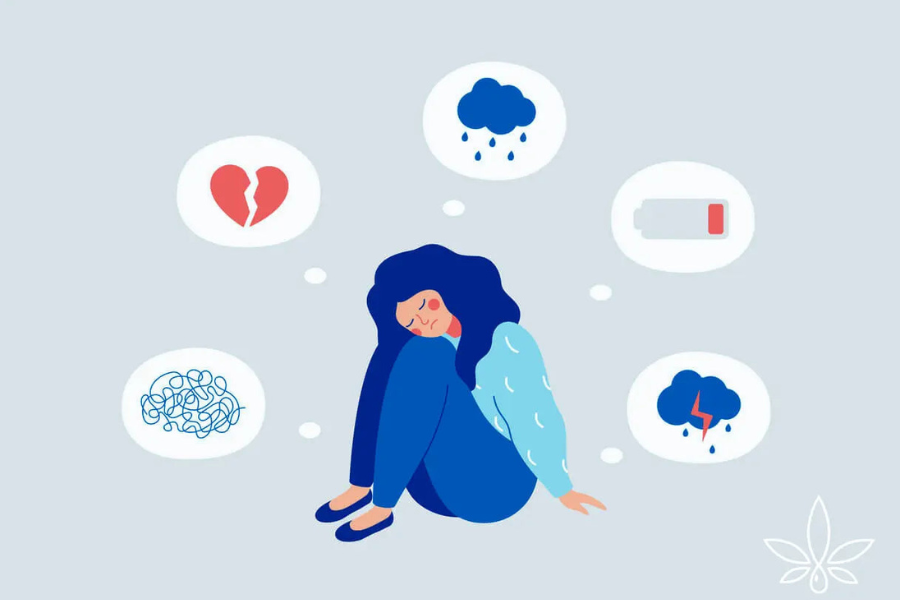
When stress piles up, you usually feel it in your body first. Tight shoulders. Headaches. A racing heartbeat. Effective relaxation techniques for stress help you interrupt that cycle, calm your nervous system, and feel more in control of your day.
Researchers have studied many relaxation methods, including meditation, breathing exercises, progressive muscle relaxation, and yoga. Across dozens of clinical trials, these practices consistently lower physical signs of stress, such as blood pressure, heart rate, and stress hormones like cortisol (PubMed). The good news is that many of these techniques are simple, free, and practical enough to use at home, at work, or even in a parked car before a big meeting.
Below, you will find several proven relaxation techniques, plus clear guidance on how to try each one and decide what works best for you.
Understand how your body reacts to stress
Before you choose a relaxation method, it helps to understand what you are trying to calm.
When you feel stressed, your body activates the “fight or flight” response. You might notice:
- Faster breathing
- A pounding heart
- Tight or clenched muscles
- Upset stomach or headaches
- Restless energy or trouble sleeping
The opposite state is sometimes called the “relaxation response.” This is a term researchers at Harvard Medical School use for the deep rest state your body enters during effective relaxation practices (Harvard Health Publishing). In this state, your:
- Heart rate slows
- Blood pressure drops
- Muscles soften
- Breathing becomes deeper and steadier
Relaxation techniques for stress are simply tools that help you move from the stress response into the relaxation response more easily and more often.
Try calming breathing exercises
Breathing is one of the fastest ways to signal your body that it is safe to relax. You always have your breath with you, so these techniques are easy to use whenever stress appears.
Simple deep breathing for everyday stress
A straightforward deep breathing exercise can ease anxiety, tension, and even mild panic, often in just a few minutes (NHS). You can do this standing, sitting in a supportive chair, or lying down on a bed or yoga mat.
- Get comfortable
- Loosen tight clothing if needed.
- If you are sitting or standing, place both feet flat on the floor, roughly hip-width apart.
- If you are lying down, rest your arms slightly away from your sides with palms facing up.
- Breathe slowly
- Inhale gently through your nose, letting your belly rise.
- Exhale slowly through your mouth.
- Keep your breath smooth, not forced.
- Stay with the rhythm
- Continue this pattern for a few minutes.
- If your mind wanders, gently bring your focus back to your breath.
For the best results, try to make this kind of breathing a regular part of your routine, not only something you use in emergencies (NHS).
Belly breathing and 4-7-8 counts
Belly breathing, also called diaphragmatic breathing, is another beginner friendly technique that can ease tension throughout the day. Health experts suggest practicing it 3 to 4 times a day for about 10 minutes per session (Kaiser Permanente).
To try belly breathing:
- Place one hand on your chest and one on your belly.
- Inhale through your nose so that your belly rises under your hand while your chest stays relatively still.
- Exhale slowly through your mouth, letting your belly fall.
Once this feels natural, you can layer in a 4-7-8 style rhythm:
- Inhale through your nose to a count of 4, letting your belly rise.
- Gently hold your breath for a count of 7.
- Exhale fully through your mouth to a count of 8, emptying your lungs.
This pattern emphasizes long, slow exhalations, which help activate your body’s relaxation systems (Kaiser Permanente).
Morning breathing to start your day smoother
If you wake up stiff or already tense, a simple morning breathing routine can help loosen muscles and reduce back tension so you start the day on a calmer note (Kaiser Permanente). This often involves gently rolling up from a bent knee position while coordinating your breath with your movement.
Even a few minutes of intentional breathing at the start of your day can change how you respond to stress later on.
Use meditation to quiet your mind
Meditation might sound intimidating at first, but at its core it is just structured mental rest. You are not trying to erase thoughts, you are practicing how to relate to them differently.
A 2017 analysis of 45 randomized controlled trials found that multiple meditation styles, including focused attention, open monitoring, and automatic self-transcending, significantly reduced physical stress markers such as blood pressure, cortisol, heart rate, and inflammatory indicators (PubMed). That means meditation not only feels calming, it also changes how your body handles stress.
Mindfulness meditation basics
Mindfulness meditation is one of the most accessible techniques. It usually involves sitting comfortably, paying attention to your breathing, and noticing thoughts and sensations without judging them.
To start:
- Sit in a stable, comfortable position.
- Gently close your eyes or soften your gaze.
- Bring your attention to your breath as it moves in and out.
- When your mind wanders, notice that it wandered, then return to your breath.
Mindfulness can help with anxiety, depression, and pain for many people (Harvard Health Publishing). You can begin with just 5 minutes and build up gradually.
Focused attention and open monitoring
The same 2017 research found that different meditation types have slightly different strengths (PubMed):
- Focused attention meditation, where you concentrate on a single object like the breath or a word, was linked to reduced cortisol levels, a key stress hormone.
- Open monitoring meditation, where you observe thoughts, feelings, and sensations as they come and go, was associated with lower heart rate.
You do not have to choose perfectly. Experiment with focusing on your breath some days and taking a more open, observing stance on others. Both approaches support relaxation and emotional balance.
Build a realistic meditation habit
For meditation to truly help with stress relief, consistency matters. You might try:
- 5 minutes after waking up, before you touch your phone
- A brief session during lunch as a reset
- 10 minutes in the evening to unwind
Over time, regular practice tends to deepen the relaxation response and make it easier to access calm when you need it most (Harvard Health Publishing).
Relax your muscles with PMR
Stress often shows up as clenched jaws, tight shoulders, or a sore back. Progressive muscle relaxation (PMR) gives you a way to notice and release that hidden tension.
PMR was developed in the early 1920s by Dr. Edmund Jacobson and is still widely used today. It involves tensing and then relaxing specific muscle groups to teach your body the difference between tension and ease (VA Whole Health Library).
How progressive muscle relaxation works
In PMR, you typically move through about 14 muscle groups, such as your hands, arms, shoulders, face, chest, and legs. For each group, you:
- Gently tense the muscles for several seconds while breathing in.
- Notice the feeling of tightness, without overdoing it.
- Release the tension as you breathe out and pay close attention to the sensation of relaxation.
You can repeat each group with slightly less tension each time. Over practice, you become more skilled at recognizing early signs of tension and letting them go quickly (VA Whole Health Library).
Benefits beyond stress relief
Although PMR was originally used for anxiety, research and clinical experience show it can be helpful for:
- Tension headaches and migraines
- TMJ disorder and neck pain
- Backaches and high blood pressure
- Insomnia and other sleep difficulties
- Some mood conditions such as bipolar disorder (VA Whole Health Library)
Because it is so grounding, PMR is often recommended before bed to fall asleep more easily and get deeper rest. The American Academy of Sleep Medicine rated it an effective non-drug treatment for chronic insomnia in 1999 (VA Whole Health Library).
Tips for safe and effective practice
To get the most from PMR:
- Choose a quiet place and set aside 10 to 15 minutes.
- Avoid straining your muscles. The tension should be firm but not painful.
- Do not hold your breath. Breathe in while tensing and out as you relax (VA Whole Health Library).
- Consider silently saying a calming word like “relax” as you release each muscle group.
If you have serious injuries, muscle spasms, or back problems, check with your doctor before starting PMR. If you already feel extremely tense, you may do better at first with a gentler, passive relaxation method (VA Whole Health Library).
Explore yoga, tai chi, and qigong
For some people, sitting still feels more stressful, not less. If that sounds like you, movement-based relaxation techniques might fit better.
Yoga, tai chi, and qigong combine:
- Rhythmic breathing
- Physical postures or flowing movements
- Focused attention on the present moment
This combination helps distract you from racing thoughts while also improving flexibility and balance (Harvard Health Publishing).
How these practices affect your nervous system
Studies up to 2023 show that yoga, including postures, meditation, and controlled breathing exercises known as pranayama, promotes both physical and mental relaxation. These practices shift your body toward parasympathetic dominance, which is the “rest and digest” side of your nervous system, while dialing down the “fight or flight” response (PMC – NIH).
Researchers have found:
- Increased alpha and theta brainwaves, which are linked to calm and reduced stress (PMC – NIH)
- Improvements in heart rate variability after breathing exercises like Bhramari Pranayama, indicating healthier stress regulation (PMC – NIH)
- Decreases in muscle tension, such as reduced trapezius muscle activity, which correspond to less anxiety-related tightness (PMC – NIH)
- Better coordination between brain regions involved in emotion and thinking, which supports resilience under stress (PMC – NIH)
Getting started gently
If you are new to these practices or have health conditions, it is helpful to:
- Look for beginner classes or videos that emphasize relaxation, not performance.
- Talk with your healthcare provider before beginning if you are inactive or have joint, balance, or heart issues.
- Focus on how you feel during and after practice, not on how the posture looks.
Even 10 to 20 minutes of gentle movement paired with slow breathing can count as a meaningful relaxation technique for stress.
Build your personal relaxation routine
You do not have to use every method at once. In fact, experts suggest experimenting with different relaxation techniques for stress, then practicing the ones you like most for at least 20 minutes a day to get the strongest benefits (Harvard Health Publishing).
Here is one way you might design a simple daily routine:
-
Morning
-
5 minutes of belly breathing in bed or in a chair
-
Brief stretch or gentle yoga sequence
-
Midday
-
3 to 5 minutes of deep breathing at your desk or in a quiet spot
-
Short mindful check-in, noticing how your body feels
-
Evening
-
10 to 15 minutes of progressive muscle relaxation lying down
-
Optional mindfulness meditation before sleep
You can adjust the length and mix of techniques to match your schedule and energy. The key is consistency and choosing methods that feel genuinely supportive, not like another chore on your to-do list.
Know when to seek extra support
Relaxation techniques are powerful tools, but they are not a substitute for professional help when stress is overwhelming or long lasting. It is a good idea to talk with a healthcare provider or mental health professional if you notice:
- Persistent anxiety, low mood, or irritability
- Ongoing trouble sleeping despite trying self help methods
- Physical symptoms like chest pain, severe headaches, or digestive problems
- Thoughts of harming yourself or feeling hopeless
You can use breathing exercises, meditation, PMR, or yoga alongside therapy or medical care to support your healing.
Key takeaways
- Relaxation techniques for stress work by shifting your body from “fight or flight” into a calmer state, often called the relaxation response.
- Simple breathing exercises, including deep and belly breathing, offer quick, portable relief and work best when practiced regularly.
- Meditation has strong research support for reducing stress related markers like blood pressure, heart rate, and cortisol.
- Progressive muscle relaxation teaches you to recognize and release muscle tension and can improve both stress and sleep.
- Yoga, tai chi, and qigong blend movement, breath, and focus to calm your nervous system and support overall well-being.
- You do not need a perfect routine. Start with one small practice today, repeat it often, and let your relaxation toolkit grow as you discover what helps you feel more at ease.
About the Author