Starting the ketogenic diet can feel confusing at first, especially with so many opinions and conflicting guidelines. Keto works best when you approach it with a clear structure and a focus on how your body actually uses fuel. The goal is simple: shift your body from running on sugar to running on fat. When done correctly, this shift supports steady energy, appetite control, and metabolic health.
This guide explains how to start the ketogenic diet correctly, step by step, with an emphasis on food choices, meal timing, and practical habits that make the transition smoother.
Understanding the Goal of Keto
The ketogenic diet changes how your body produces energy. Most people rely on sugar, or glucose, as their primary fuel source. Glucose comes mainly from carbohydrates. When carbohydrate intake stays high, the hormone insulin remains elevated, which signals your body to burn sugar instead of fat.
Keto works by keeping insulin levels low. When insulin stays low, your body switches to burning fat and produces ketones as a byproduct. Ketones become an alternative fuel source, especially for the brain.
Two core strategies make this shift possible:
- Lowering carbohydrate intake
- Eating fewer meals rather than constantly eating
These strategies work together to keep insulin levels down for longer periods of time.
Reducing Carbohydrates the Right Way
The first major step in starting keto correctly is cutting back on carbohydrates. This includes obvious sources and hidden ones.
Eliminating Added Sugars
Sugar needs to go, regardless of the source. This includes:
- White sugar
- Brown sugar
- Honey
- Agave nectar
- Date sugar
- Syrups and sweetened sauces
Even small amounts of sugar can raise insulin and slow your progress. When cooking or baking, sugar alcohols and low-carb sweeteners can replace traditional sugar. Always read labels carefully and aim for products with little to no sugar listed.
Limiting Fruit Intake
Most fruits contain enough natural sugar to interfere with ketosis. While fruit is often considered healthy, keto requires a different approach.
The only fruits typically allowed are berries, and even those should stay limited. The best options include:
- Raspberries
- Strawberries
- Blackberries
Other fruits, such as apples, bananas, oranges, and grapes, should be avoided during the early stages of keto.
Avoiding Grains and Starches
Grains and starches quickly raise blood sugar and insulin. This means avoiding:
- Bread
- Pasta
- Cereal
- Crackers
- Biscuits
- Rice
- Flour-based foods
Potatoes and similar starchy vegetables also fall into this category.
The good news is that low-carb alternatives exist. Almond flour often replaces wheat flour in baking and cooking. Cauliflower can replace potatoes, rice, and even pizza crust. While the taste is not identical, these substitutions make keto more sustainable long term.
Emphasizing Vegetables
Vegetables play a major role in a healthy ketogenic diet. Even though carbs stay low, vegetable intake should remain high.
How Many Vegetables to Eat
Aim for at least seven cups of vegetables per day. This may sound like a lot, but salads, roasted vegetables, and sautéed greens add up quickly.
Good vegetable options include:
- Leafy greens
- Bell peppers
- Cabbage
- Broccoli
- Kale
- Brussels sprouts
At the beginner level, vegetables like carrots, tomatoes, and beets can still fit into the plan when eaten in reasonable portions.
Eating Vegetables First
Eating vegetables at the start of a meal makes it easier to reach your daily intake. Once protein and fat enter the meal, fullness sets in quickly. By eating vegetables first, you avoid skipping them altogether.
Vegetables also serve two important functions:
- They feed beneficial gut bacteria, which supports stable blood sugar and energy
- They provide minerals like potassium and magnesium, along with vitamin C
These nutrients help prevent common keto side effects, especially during the early transition.
Consuming Moderate Protein
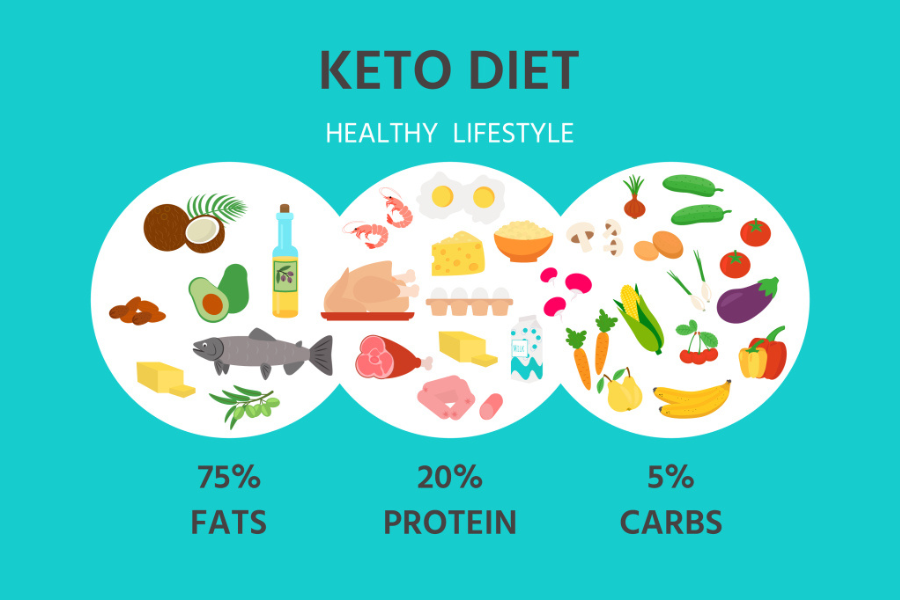
Protein intake on keto should remain moderate, not excessive. This approach differs from very high-protein diets.
How Much Protein You Need
Protein needs vary based on age, body size, activity level, and metabolism. A simple guideline works well for beginners:
- Eat a portion of protein about the size of your palm
Active individuals or those with higher muscle mass may need slightly more. Instead of weighing food, use this visual method to keep things simple.
Choosing the Right Protein Sources
Good protein options include:
- Meat
- Fish
- Poultry
- Seafood
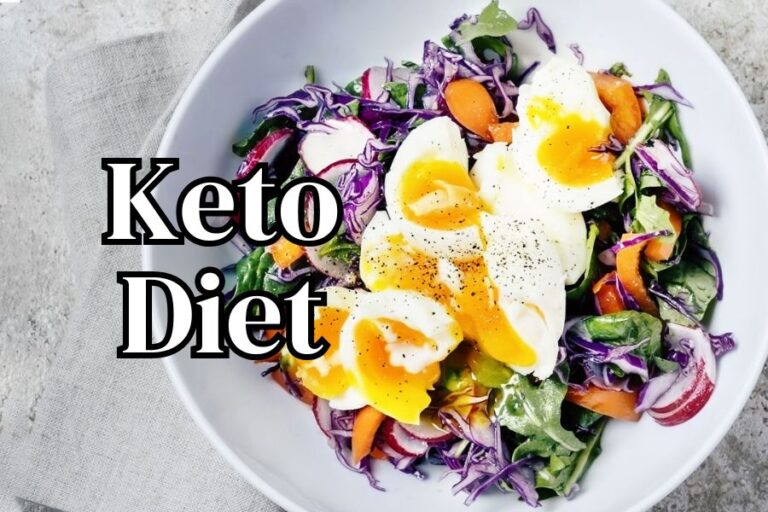
- Eggs
- Cheese
- Nuts and nut butters
Always check labels, especially on processed meats and nut butters. Some products contain added sugar, dextrose, or fillers that interfere with ketosis.
Avoiding Lean Protein
Lean protein raises insulin more than protein that contains fat. Very lean sources, such as protein powders or low-fat meats, can slow progress.
Choose protein sources that naturally contain fat. Examples include:
- Fatty cuts of meat
- Fatty fish
- Whole eggs
- Full-fat cheese
This approach supports stable insulin levels and keeps you satisfied for longer.
Including Healthy Fats
Keto relies on fat as the primary fuel source, especially in terms of calorie intake. Fat naturally comes with many protein foods, but you may also add extra fats when needed.
Beneficial Fat Sources
Healthy fat options include:
- Butter
- Avocados
- Olive oil
- Coconut oil
- Olives
- Nuts
Adding fat to vegetables improves nutrient absorption. Many plant compounds, including antioxidants and phytonutrients, absorb better in the presence of fat. Drizzling olive oil on a salad or melting butter over vegetables enhances both nutrition and satisfaction.
Fats to Avoid
Not all fats support health on keto. Some oils promote inflammation and should stay limited or avoided altogether.
These include:
- Soy oil
- Corn oil
- Canola oil
- Cottonseed oil
- Safflower oil
- Sunflower oil
These oils often appear in packaged foods, dressings, and condiments. Reading labels becomes essential to avoid them.
Eating Fewer Meals
Meal frequency matters just as much as food choice. Every time you eat, insulin rises. Eating less often allows insulin to stay low for longer periods.
Learning to Recognize True Hunger
Do not eat unless you feel genuinely hungry. True hunger feels different from habit-based eating.
Signs of real hunger include:
- Lower energy
- Feeling shaky or weak
- Increased irritability
Mild stomach sensations or the urge to eat out of routine do not require food. Allowing these sensations to pass helps your body adapt.
Skipping Breakfast
Skipping breakfast supports the transition into ketosis. You can ease into this by gradually pushing breakfast later each day or by stopping it altogether.
Many people replace breakfast with coffee that contains fat. Adding a tablespoon of butter or MCT oil to coffee provides energy, supports ketone production, and helps curb appetite.
MCT oil offers quick ketone production, which can support mental clarity during the transition.
Managing Morning Appetite Signals
Around early morning hours, cortisol levels rise naturally. This hormonal shift can briefly increase appetite. This sensation often passes within 30 minutes. Recognizing this pattern makes it easier to ignore unnecessary eating.
Eliminating Snacking
Snacking disrupts insulin control and increases hunger over time. Even small snacks can restart appetite and make fasting periods harder.
If you feel tempted to snack, adjust your previous meal instead. Increasing fat intake during meals often solves the problem by improving satiety.
Between meals, you can safely consume:
- Water
- Tea
- Coffee without sugar
Vitamins and supplements do not interfere with fasting.
Structuring Your Eating Window
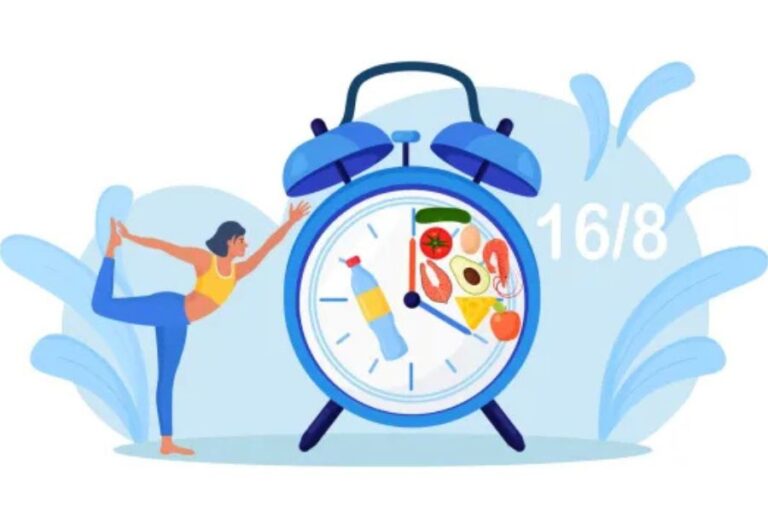
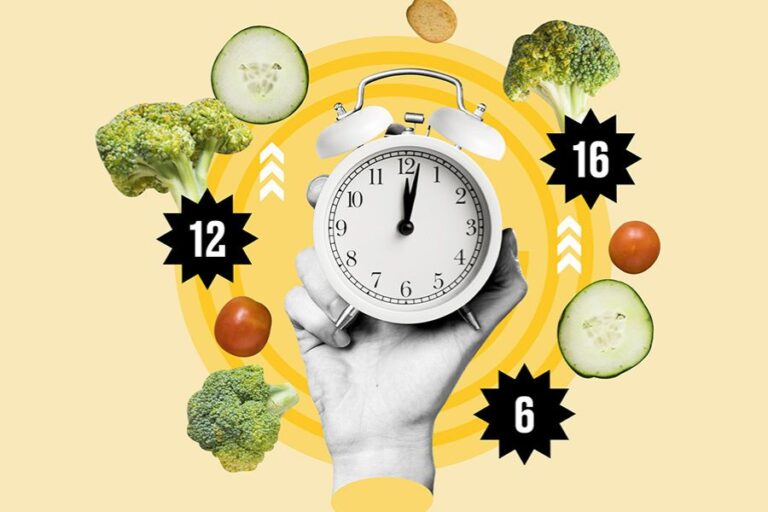
A simple and effective eating schedule involves two meals per day.
For example:
- First meal at noon
- Second meal at 6 p.m.
This creates a six-hour eating window and an 18-hour fasting period. Avoid snacking between meals to maintain the full benefits.
At the beginning, avoid focusing on calorie counting. The priority is food quality, meal timing, and insulin control.
Common Early Benefits
When keto is done correctly, many people experience:
- Reduced hunger
- More stable energy
- Improved focus
- Easier weight control
These benefits improve as the body becomes more efficient at burning fat.
Staying Consistent and Patient
The ketogenic diet works best when applied consistently. The transition period may include fatigue or cravings, especially during the first week. Proper vegetable intake, adequate electrolytes, and sufficient fat help minimize these effects.
Focus on progress rather than perfection. Each low-carb meal moves your body closer to fat adaptation.
About the Author