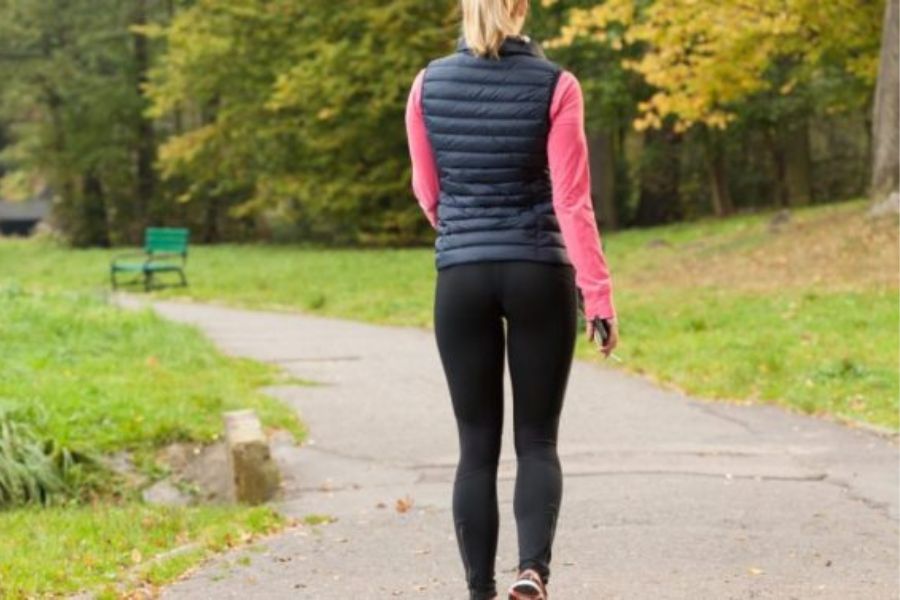
Why start a treadmill walking workout?
If you are looking for a simple way to lose weight, boost energy, and improve your health, a consistent treadmill walking workout is a smart place to start. Walking is low impact, easy to adjust to your fitness level, and you can do it year round without worrying about weather or daylight.
Research links treadmill walking to:
- Improved cardiovascular health and reduced heart disease risk (Garage Gym Reviews)
- Support for healthy blood pressure, blood sugar, and metabolism (TODAY)
- Better mood and fewer days of poor mental health (Garage Gym Reviews)
The American Heart Association suggests at least 150 minutes of moderate cardio each week, which you can hit with a 30 minute treadmill walking workout five days a week (Garage Gym Reviews). If weight loss is a goal, slightly longer sessions may help.
The good news is that you do not need to run, memorize complicated settings, or already be fit. You only need a plan that matches where you are right now.
In the sections below, you will find beginner friendly treadmill walking workouts plus clear form tips so you can walk safely and confidently.
Get set up for success
Before you jump into your first treadmill walking workout, take a few minutes to prepare your space, gear, and body. These small steps make your routine feel easier and more enjoyable.
Choose the right shoes
Supportive shoes protect your joints and help you maintain good walking form.
Look for:
- Flexible soles that let your foot roll from heel to toe
- Cushioning under the heel and forefoot
- A snug but not tight fit around your midfoot
Very stiff shoes can cause your feet to slap the belt and may reduce the quality of your workout, especially if you have higher arches or are older and need more cushioning (Verywell Fit).
Set up the treadmill safely
Before you step on:
- Clip on the safety key so the belt stops if you trip
- Make sure the belt is still when you get on
- Straddle the belt with your feet on the side rails, then start at a low speed and step on carefully
Keep the area around the treadmill clear so you have room to move your arms freely.
Warm up your body
Starting a treadmill workout with no warm up can increase your injury risk because your muscles are not ready for sudden effort (NordicTrack).
A simple 5 minute warm up:
- Walk at 2.0 to 2.5 mph at 0 percent incline
- Gradually increase up to 2.5 to 3.0 mph by the end of 5 minutes
If you feel stiff, add some gentle ankle circles and shoulder rolls before you start.
Master basic treadmill walking form
Using good form makes your treadmill walking workout feel smoother, protects your joints, and helps you burn more calories for the same effort.
Align your posture
Try to maintain:
- Head up and eyes looking forward, not down at your feet
- Shoulders relaxed away from your ears
- Chest open so you can take full breaths
- Core gently engaged and back upright
Looking forward instead of down can help prevent neck, shoulder, and lower back pain and allows deeper breathing during cardio (Verywell Fit; NordicTrack).
Use your arms, skip the rails
It might feel natural to hold the handrails, but it actually makes your workout less effective.
Holding on can:
- Reduce arm and core engagement
- Shorten your stride
- Promote slouched posture
Both Verywell Fit and NordicTrack note that you will get more benefit by walking at a slightly slower speed without holding the rails, unless you have a balance issue that requires support (Verywell Fit; NordicTrack).
Instead:
- Let your elbows bend about 90 degrees
- Swing your arms naturally front to back, not across your body
- Keep your hands relaxed
Active arm motion can help drive your leg speed and increase calorie burn, and may also ease tightness from long periods of sitting (Verywell Fit).
Find a comfortable stride
Overstriding happens when your front heel lands too far in front of your body. This can make your steps feel heavy and increase tripping risk.
Aim for:
- Shorter, quicker steps
- Front heel landing closer to your body
- A strong push off from your back foot
This efficient stride can help you walk faster and burn more calories without feeling like you are pounding on the belt (Verywell Fit).
Start with an easy beginner treadmill walking workout
If you are new to a treadmill walking workout, keep your first sessions short and simple so your body and joints have time to adapt.
30 minute beginner walking workout
This structure comes from a beginner friendly plan that gradually increases speed and incline to improve your cardio fitness over time (MoveWithAscend).
Use this as a template and adjust the speed slightly up or down depending on how you feel.
- Warm up, 5 minutes
- Speed: 2.5 to 3.0 mph
- Incline: 0 percent
- Focus on relaxed posture and easy breathing
- Steady walk, 15 minutes
- Increase speed by 0.5 to 1.0 mph if comfortable
- Keep incline at 0 percent
- You should be able to talk in full sentences, but feel slightly warm
- Gentle incline, 10 minutes
- Keep speed comfortable
- Raise incline by 1 percent
- Pay attention to how your calves and glutes feel
If 30 minutes feels like too much right now, start with 10 to 15 minutes from this structure and add 2 to 5 minutes each week.
How often to walk
For general health and weight loss support, aim for:
- 3 days per week to get started
- Eventually building up to 5 days per week
A 30 minute daily treadmill walking session can help lower health risks and support fat loss when you combine it with a balanced diet and hydration (MoveWithAscend).
Progress with incline walking workouts
Once an easy treadmill walking workout feels comfortable, you can use incline to gently increase intensity without having to start running.
Why incline helps
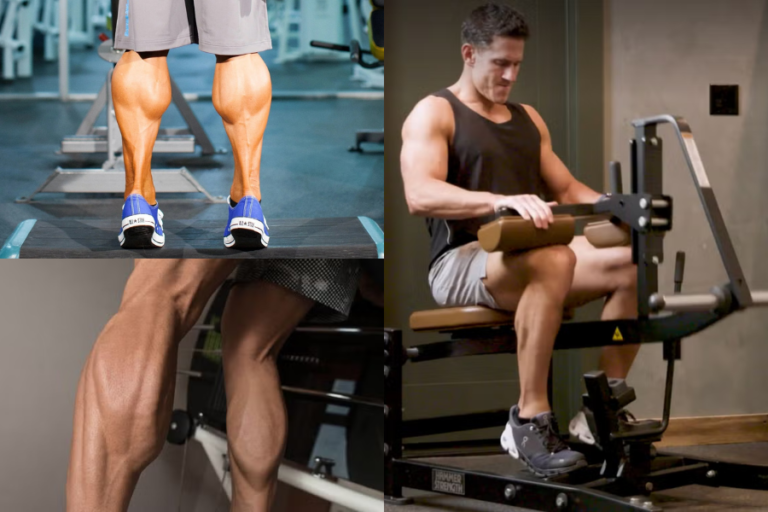
Walking uphill makes your leg muscles work harder, especially your:
- Calves
- Hamstrings
- Glutes
Even a slight incline can burn significantly more calories than walking on a flat surface because it adds workload to your muscles (NordicTrack; Hartford HealthCare).
Incline walking has also been highlighted as a way to build muscle definition in your glutes, quads, and calves, potentially faster than flat walking alone (UK Gym Equipment).
Safe incline progression for beginners
Physical therapist Jane Kircaldie suggests that beginners start with about a 1 degree incline and then increase it every third session to safely build strength and reduce repetitive strain (Hartford HealthCare).
A simple progression might look like this:
- Week 1: 0 to 1 percent incline
- Week 2: 1 to 2 percent incline
- Week 3: 2 to 3 percent incline
Listen to your body. If you notice unusual knee, Achilles, or foot pain, stay at your current incline or lower it until your body adapts.
25 minute rolling hills treadmill walk
Try this once your basic 30 minute walk feels manageable.
- Warm up, 5 minutes
- 2.5 to 3.0 mph, 0 percent incline
- Hill cycle 1, 6 minutes
- 2 minutes at 3.0 to 3.5 mph, 1 percent incline
- 2 minutes at same speed, 2 percent incline
- 2 minutes back at 1 percent incline
- Hill cycle 2, 6 minutes
- 2 minutes at 3.0 to 3.5 mph, 2 percent incline
- 2 minutes at 3 to 4 percent incline
- 2 minutes back at 1 percent incline
- Cool down, 8 minutes
- Gradually reduce to 2.5 mph and 0 percent incline
This routine activates your calves, hamstrings, and glutes while keeping the effort predictable and time limited (Hartford HealthCare).
Try the 12‑3‑30 treadmill walking trend (carefully)
You may have seen the viral 12‑3‑30 treadmill walking workout online. It looks simple, but it is more challenging than it sounds and is not always the best starting point for a brand new beginner.
What is 12‑3‑30?
This workout means:
- 12 percent incline
- 3 miles per hour
- 30 minutes of walking
Influencer Lauren Giraldo popularized it on YouTube and TikTok, and shared that it helped her lose 30 pounds and feel more comfortable in the gym when she did it about five times per week, working up gradually to the full 30 minutes (TODAY).
Experts note that it:
- Is low impact since you are walking, not running
- Engages your leg muscles intensely because of the steep incline
- Can support heart health, blood pressure, and mental health
Potential downsides for beginners
A 12 percent incline is very steep. Physical experts caution that high incline walking can stress your:
- Lower back
- Hamstrings
- Achilles tendon
- Knees
- Plantar fascia
If you jump in too fast, you can increase your risk of overuse injuries, so it is important to start gradually and include rest days (TODAY).
A beginner friendly version
If you want to work toward 12‑3‑30, think of it as a long term goal. You can build up over several weeks.
For example:
- Step 1: 5 percent incline, 2.5 to 3.0 mph, 15 minutes
- Step 2: 8 percent incline, 2.5 to 3.0 mph, 20 minutes
- Step 3: 10 percent incline, 3.0 mph, 25 minutes
- Step 4: 12 percent incline, 3.0 mph, 30 minutes
Stay on each step for at least a week, or longer if you need it. Only move up when your legs and lower back feel fine during and after the walk. If anything feels off, lower the incline and shorten the duration.
Use intervals to keep workouts interesting
As you get comfortable, adding simple intervals can help you burn more calories in less time and keep boredom away.
Why intervals work
Interval walking splits your workout into short sections that feel more manageable. Alternating between easier and harder efforts can:
- Increase your stamina and speed
- Prevent plateaus in your fitness
- Make time pass faster on the treadmill
Changing your speed and incline regularly also challenges your muscles in different ways and can enhance progress over time (NordicTrack; UK Gym Equipment).
20 minute beginner interval walk
Use a 1 to 10 effort scale, where 1 feels like sitting and 10 feels like an all out sprint. Your “hard” walks should land around 6 to 7 on that scale.
- Warm up, 4 minutes
- 2.5 to 3.0 mph, 0 percent incline
- Interval block, 12 minutes (repeat this 4 times)
- 1 minute, 3.0 to 3.5 mph, 1 percent incline, Effort 6 to 7
- 2 minutes, 2.5 to 3.0 mph, 0 percent incline, Effort 3 to 4
- Cool down, 4 minutes
- 2.0 to 2.5 mph, 0 percent incline
You can adjust the speeds so that you can still walk without holding onto the handrails.
3‑2‑1 endurance builder
Once you are comfortable with basic intervals, you can try a simple 3‑2‑1 structure that is often used for building stamina and endurance (UK Gym Equipment).
For beginners, stay at a walk. As you get fitter, you might introduce gentle jogging in the “fast” parts if that feels right for you.
- Warm up, 5 minutes
- Easy walk, 0 percent incline
- 3‑2‑1 block, 9 minutes
- 3 minutes fast walk, moderate incline
- 2 minutes easy walk, flat
- 1 minute fast walk, moderate incline
- Repeat the block once more if you feel good
- Cool down, 5 minutes
Start by doing this workout one or two days a week, with easier steady walks in between.
Make treadmill walking a lasting habit
A treadmill walking workout does not need to be complicated to be effective. The key is consistency and small, steady progress.
Track your progress
To stay motivated, you can track:
- Minutes walked per week
- Average speed or incline
- How your body feels during and after workouts
- Your energy levels or mood
Some fitness trackers estimate calorie burn and VO2 max, but use these numbers as rough guides, not exact measures, since calibration can be tricky on treadmills (Reddit).
Stay hydrated and recover well
Drink water before, during, and after your treadmill walking workouts so you do not get dehydrated (NordicTrack). Keeping a bottle within reach can remind you to sip regularly.
Recovery habits that help:
- Include at least one full rest or light movement day per week
- Gently stretch your calves and hamstrings after walking
- Get enough sleep to support heart and muscle health
Adjust as your fitness grows
Over time, you can keep your treadmill walking workout effective by gradually increasing any of the following:
- Total time walked in a week
- Speed during your “steady” sections
- Incline during hills or intervals
- Number of interval rounds
Experts recommend increasing speed or incline gradually so you avoid boredom and strain while continuing to challenge your cardiovascular and muscular systems (NordicTrack).
Key takeaways
If you are just beginning, you can keep things very simple:
- Start with 10 to 30 minutes of easy treadmill walking at 2.5 to 3.5 mph
- Focus on posture, natural arm swing, and walking without the handrails
- Gradually add small inclines and intervals as they feel comfortable
- Aim for about 150 minutes of walking per week for heart health, and a bit more for weight loss
Choose one workout from this guide that feels approachable and try it this week. Then adjust speed, incline, or duration step by step. Over time, your treadmill walking workout can become a steady anchor in your routine that helps you feel stronger, lighter, and more energized.
About the Author