Understand intermittent fasting and belly fat
If you are curious about intermittent fasting belly fat results, you are not alone. Intermittent fasting (IF) has become one of the most popular approaches for weight loss and better health, and a lot of the buzz focuses on trimming your waistline.
Intermittent fasting is an eating pattern that alternates between periods of eating and fasting. It focuses on when you eat rather than exactly what you eat. Common styles include:
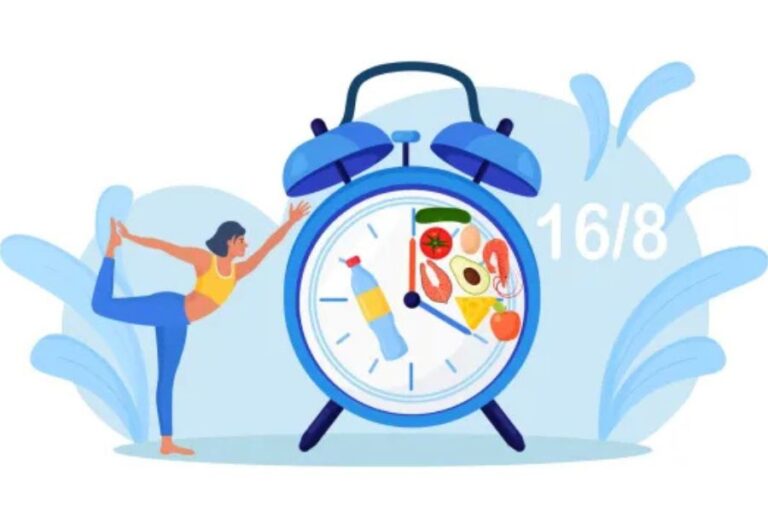
- 16/8 method: Fast for 16 hours, eat within an 8 hour window
- 5:2 diet: Eat normally 5 days per week, and eat very few calories on 2 non consecutive days
Both are used to support fat loss and overall health (HealthHero).
The surprising truth is that intermittent fasting can help reduce belly fat, but it is not magic, and it does not work the same way for everyone. Understanding how and why it works will help you set realistic expectations and choose a plan that fits your life.
What makes belly fat different
When you talk about belly fat, you are really talking about two types of fat:
-
Subcutaneous fat
-
Sits just under your skin
-
You can pinch it on your stomach or hips
-
Visceral fat
-
Wraps around your internal organs
-
Linked to higher risk of heart disease and diabetes
Intermittent fasting does not only target belly fat, but by helping you lose overall body fat and improve your metabolism, it can reduce both subcutaneous and visceral fat around your waist (MyFitnessPal).
How intermittent fasting burns belly fat
Intermittent fasting helps you lose belly fat in two main ways: through metabolic changes during the fast, and through a natural reduction in how many calories you eat.
Metabolic switch from sugar to fat
After you eat, your body uses glucose from carbohydrates as its main fuel. Any extra energy gets stored, including in your belly. When you fast for long enough, your body runs out of easy glucose and has to switch to burning stored fat. Researchers call this “metabolic switching” (Johns Hopkins Medicine).
Here is what happens during a fast:
- A few hours after your last meal, insulin levels start to fall
- Your body finishes using stored glucose
- Around 12 hours in, you begin to use fat stores for energy and produce ketones (Vinmec)
- Lower insulin and higher growth hormone support fat burning and help preserve muscle mass (HealthHero)
This shift encourages your body to use stored fat, including belly fat, as fuel.
Natural calorie reduction
Intermittent fasting belly fat loss is also about what you do not eat. By shortening your eating window, you simply have fewer hours available to snack.
In one study, people who ate within a 10 hour window and fasted for 14 hours naturally ate about 9% fewer calories. They also saw improvements like:
- Weight loss
- Decreased visceral fat
- Lower blood pressure
- Reduced LDL cholesterol (MyFitnessPal)
So IF can help you create a calorie deficit without strict calorie counting, which leads to fat loss across your whole body, including your waist (MyFitnessPal).
What the research actually shows
You might hear claims that intermittent fasting melts belly fat overnight. The real story is more measured but still encouraging.
Overall fat and waist loss
Across 27 intermittent fasting trials with 944 overweight or obese participants, researchers found:
- Weight loss between 0.8% and 13% of starting body weight
- BMI decreases of about 4.3%
- Waist reductions of 3 to 8 cm in studies longer than 4 weeks (Canadian Family Physician)
Most of the weight lost was fat. One study estimated that about 79% of the weight loss came from fat, not muscle (Canadian Family Physician).
A larger meta analysis of 43 randomized controlled trials with 2,483 people found that intermittent fasting:
- Reduced waist circumference by around 1.02 cm more than doing nothing
- Reduced fat mass more than a non intervention diet
- Preserved fat free mass, so you lost fat rather than muscle (Frontiers in Nutrition)
Compared to regular calorie restriction, intermittent fasting led to a slightly greater waist reduction of about 2.29 cm, even though total weight loss was similar (Frontiers in Nutrition). That suggests IF may have a small edge when it comes to trimming your waistline.
Belly fat and health markers
Intermittent fasting seems to offer more than just smaller jeans. Studies report:
- Improved insulin sensitivity and reduced insulin resistance, especially in overweight and obese adults (Frontiers in Nutrition)
- Decreased signs of inflammation, helped by ketone production and better metabolic control (Vinmec)
Since visceral belly fat is strongly linked with insulin resistance and inflammation, these improvements matter even if the tape measure does not change overnight.
Timeframe for results
If you choose a 16/8 approach, you can often expect to see early changes in about 4 to 8 weeks, as long as you are consistent and your food choices are reasonable. Early weight loss may include water, so you want to give your body time to show real fat loss (HealthHero).
Why intermittent fasting is not a magic belly fat cure
Intermittent fasting can be powerful, but there are some important “surprises” that help you see the full picture.
Belly fat can adapt and resist loss
Research from the University of Sydney looked at every other day fasting in mice and found something interesting:
- Both subcutaneous and visceral fat changed dramatically during intermittent fasting
- Over time, visceral fat entered a “preservation mode”
- This belly fat reduced its release of fatty acids, which helped it hold onto energy stores
- The fat tissue even increased its capacity to store energy between fasts (University of Sydney)
Using detailed protein analysis (proteomics), the researchers discovered a preservation signaling pathway in visceral fat. That pathway likely helps explain why stubborn belly fat sometimes becomes more resistant to loss after repeated fasting cycles (University of Sydney).
This was an animal study, so you cannot copy the results directly to humans, and the pattern was every other day fasting, not daily 16/8 or 5:2. Even so, it is a good reminder that your body can adapt to dieting and that belly fat is often the last to go.
Fasting style and food quality still matter
Not all intermittent fasting schedules give the same results. For example:
- Intermittent fasting works best when your eating window is long enough, such as 8 to 10 hours, for you to eat enough food without feeling deprived
- Longer fasts of 24 to 72 hours can be risky and may push your body toward fat storage because of “starvation mode” (Johns Hopkins Medicine)
You also cannot out fast a poor diet. Simply shrinking your eating window, without improving what you eat, does not always prevent weight gain or cause significant loss (Johns Hopkins Medicine).
Intermittent fasting vs classic dieting
When researchers directly compared intermittent fasting and traditional calorie restriction, they found:
- Weight loss results were roughly the same across 12 studies with more than 1,200 participants
- Intermittent fasting was at least as effective as calorie restriction for weight and belly fat reduction (Canadian Family Physician)
In other words, IF is not necessarily “better” than any smart, sustainable calorie controlled approach. It is simply a different structure that many people find easier to stick with.
Choosing the right fasting window for you
The best intermittent fasting belly fat plan is the one you can live with. Studies show that sustainability is critical. In one trial published in JAMA, about 40% of people on a fasting regimen dropped out because it was too hard to maintain (MyFitnessPal).
Popular fasting schedules
Here are a few common structures and how they relate to belly fat:
-
16/8 daily fasting
-
Fast for 16 hours, eat in an 8 hour window
-
Often recommended for belly fat because it gives enough time for fat burning while staying practical (HealthHero)
-
Studies show daily fasts around 16 hours are effective and doable for many people (Canadian Family Physician)
-
14/10 daily fasting
-
Eat within 10 hours, fast for 14
-
In one study, people naturally cut calories by about 9% and saw improvements in visceral fat and other health markers (MyFitnessPal)
-
5:2 fasting
-
Eat normally 5 days a week
-
Eat very low calories on 2 non consecutive days
-
Found to be roughly as effective as other calorie controlled approaches in several studies (Canadian Family Physician)
Every other day fasting, which alternates full days of fasting and eating, was used in the University of Sydney mouse study that found belly fat preservation (University of Sydney). Human research is still developing, so you may want to choose more moderate patterns like 16/8 or 14/10.
How to pick a schedule that fits your life
When you choose your fasting window, think about:
- Your work and family schedule
- When you naturally feel most hungry
- Medication timing, if you take any
- Social events and meals you want to enjoy
If you constantly feel deprived or you are skipping important social connections around food, it will be much harder to stick with your plan.
What to eat for better belly fat loss
Intermittent fasting sets the timing, but your food choices still decide most of your belly fat progress.
Build meals that support fat loss
During your eating window, focus on:
-
Lean proteins
-
Chicken, fish, tofu, beans, eggs
-
Help preserve muscle while you lose fat
-
High fiber carbohydrates
-
Whole grains, beans, lentils, vegetables, fruits
-
Support fullness and healthy digestion
-
Healthy fats
-
Nuts, seeds, olive oil, avocado, fatty fish
Prioritizing these whole foods, while limiting sugary desserts and processed foods, makes intermittent fasting more effective for fat loss and helps you stay nourished (Vinmec). Healthy choices also improve insulin sensitivity, which is key for reducing visceral belly fat (MyFitnessPal).
Drinks that will not break your fast
To keep your fast intact and let your body stay in fat burning mode, avoid calorie containing drinks during the fasting window. That includes:
- Juice
- Soda
- Milk
- Sweetened coffee or tea
Instead, stick with:
- Water
- Herbal teas
- Black coffee
These non caloric options hydrate you without interrupting the fasting benefits (HealthHero).
Lifestyle habits that boost belly fat loss
Intermittent fasting is one tool, not the entire toolbox. For more effective belly fat reduction, pair IF with a few key lifestyle habits.
Move your body regularly
Daily movement encourages your body to tap into fat stores more efficiently. You can combine:
- Cardio activities like walking, cycling, or swimming
- Strength training to maintain or build muscle, which keeps your metabolism steady
Regular exercise is one of the core recommendations for reducing belly fat, together with fasting and diet improvements (Vinmec).
Support your belly from the inside
A few additional habits can make a noticeable difference at your waist:
-
Increase soluble fiber
-
Found in oats, beans, lentils, apples, and flaxseeds
-
Helps manage appetite and supports a healthy gut
-
Avoid trans fats and limit alcohol
-
Both are linked with more belly fat storage (Vinmec)
-
Eat enough protein
-
Helps protect muscle during weight loss
-
Supports a higher resting metabolic rate
-
Manage stress and sleep
-
High stress and poor sleep raise hormones that encourage fat storage around your middle
Intermittent fasting works best when it sits on top of these solid lifestyle foundations rather than replacing them.
Safety, side effects, and who should be careful
Most studies on intermittent fasting report that participants tolerate it well. Hunger often stays stable or even decreases over time, and serious side effects are rare in short to medium term trials (Canadian Family Physician).
That said, fasting is not for everyone.
When you should talk to a professional first
You should speak with a doctor or nutrition professional before you try intermittent fasting if:
-
You have diabetes or blood sugar issues
-
Fasting can sometimes cause dangerously low blood sugar (Vinmec)
-
You are underweight, elderly, or have a history of eating disorders
-
Extended fasting can cause bone and muscle loss and may worsen disordered eating patterns (Vinmec)
-
You are pregnant, breastfeeding, or taking certain medications
-
You need consistent nutrition and sometimes food with medication
If you start fasting and feel dizzy, weak, extremely irritable, or unwell, you should stop and get medical advice.
Signs your fasting plan needs adjusting
Pay attention to how you feel day to day. You may need to shorten your fasting window, adjust your meal timing, or change your food choices if you notice:
- Intense hunger that does not improve after the first week or two
- Constant fatigue, low mood, or brain fog
- Binge eating during your eating window
Intermittent fasting should feel challenging in the short term but sustainable overall, not like a punishment.
Putting it all together
Intermittent fasting belly fat loss is possible, but it happens as part of a bigger picture.
Here are the key points to keep in mind:
- Intermittent fasting encourages your body to switch from burning sugar to burning fat, which can reduce overall and belly fat (Johns Hopkins Medicine)
- Research shows reductions in waist circumference, fat mass, and visceral fat, often similar to or slightly better than standard calorie restriction (Canadian Family Physician, Frontiers in Nutrition, MyFitnessPal)
- Belly fat can be stubborn and adaptive, so progress may be gradual and requires patience (University of Sydney)
- The quality of your diet, your daily movement, stress levels, and sleep all influence how well intermittent fasting works for you
- Safety comes first, especially if you have health conditions or take medications
If you decide to try intermittent fasting, consider starting with a realistic window such as 14/10 or 16/8. Focus on nourishing foods, stay hydrated with non caloric drinks, and give yourself several weeks to see how your body responds. Over time, a consistent, gentle approach is more likely to flatten your belly than any extreme quick fix.
About the Author