Understand intermittent fasting after 40
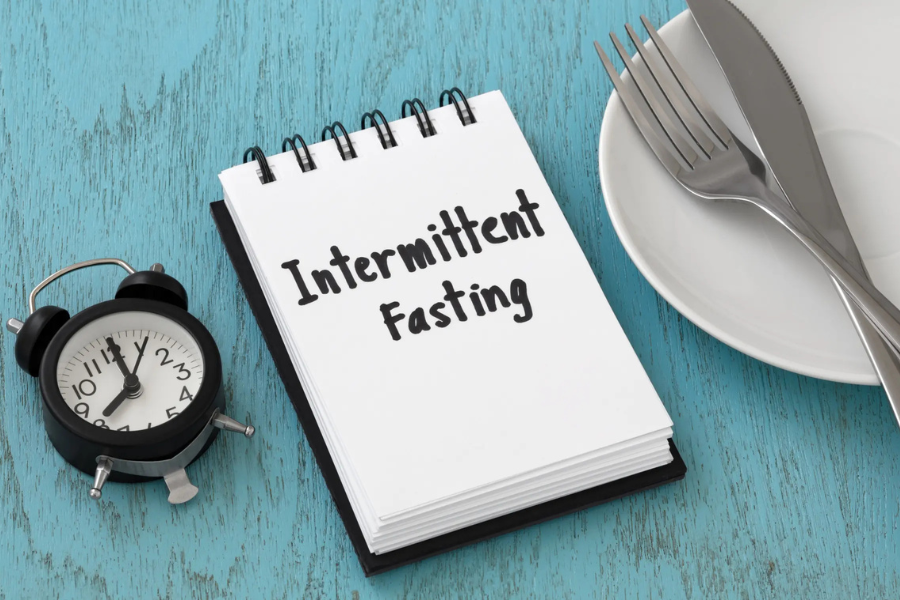
Intermittent fasting after 40 can look different from fasting in your 20s or 30s. Hormones are shifting, muscle mass is harder to maintain, and you may be juggling more stress, medications, or sleep issues than before. All of these affect how your body responds to a fasting routine.
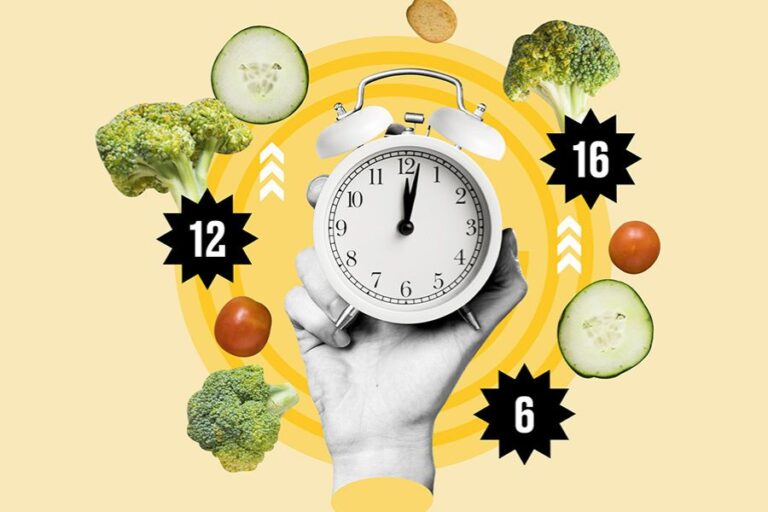
Recent research shows a mixed picture. Some studies suggest that time restricted eating, such as an 8 hour eating window, can improve short term markers like blood pressure, cholesterol, fasting glucose, and insulin resistance (PMC, UIC Today). Others raise concerns about long term cardiovascular risk with very short daily eating windows. A large preliminary analysis presented at an American Heart Association conference found that adults who ate within an 8 hour window had a 91% higher risk of death from cardiovascular disease than those who ate across 12 to 16 hours (American Heart Association).
The takeaway for you after 40 is not that intermittent fasting is “good” or “bad,” but that it deserves a thoughtful, personalized approach. You want to maximize potential benefits for weight and health, and at the same time avoid schedules or habits that push your body too far.
Weigh the benefits and risks
Before you overhaul your eating schedule, it helps to know what intermittent fasting may realistically do for you, and where the limits might be.
Potential benefits after 40
Research and expert opinions suggest that intermittent fasting can help you:
- Improve insulin sensitivity and fasting glucose
- Protocols like 16/8 have been associated with around a 6% improvement in insulin resistance in humans (PMC).
- Support weight and fat loss
- By creating a natural calorie deficit and encouraging your body to rely more on stored fat, fasting can make weight management easier when your metabolism has slowed (Clinikally).
- Enhance metabolic health
- Studies report reductions in insulin resistance and markers of oxidative stress, along with improvements in blood pressure and cholesterol in some people (UIC Today, PMC).
- Reduce inflammation and support cellular repair
- Fasting can trigger autophagy, a process that clears damaged cells, and is linked to lower inflammation and better immune function (Medium).
- Boost energy and mental clarity
- Many adults over 40 report steadier energy and sharper focus, which may relate to more stable blood sugar and beneficial brain changes (Clinikally).
For women, especially in perimenopause and menopause, intermittent fasting may also help ease some hormone related weight gain and metabolic shifts (Medium).
Important risks and cautions
On the other side, there are clear cautions you should take seriously:
- Possible cardiovascular risk with tight eating windows
- The American Heart Association analysis found an association between an 8 hour eating window and higher cardiovascular mortality risk, particularly for people with existing heart disease or cancer, although the study does not prove causation and relied on self reported diet data (American Heart Association).
- Hormonal and stress sensitivity
- Women over 40 can be more sensitive to long fasts, with potential effects on hormone balance, stress, and anxiety (Clinikally, Medium).
- Nutrient deficiencies and bone health
- Chronic calorie restriction or poor food choices during your eating window can reduce key nutrients and weaken bones over time, which is a concern after 40 (Medium).
- Muscle loss
- Older adults are already at higher risk of losing lean muscle. If your eating window is too short or your protein intake is too low, you can lose muscle along with fat (Verywell Health).
- Medication timing and blood sugar swings
- If you take medications that must be taken with food, like many diabetes drugs, long fasts can be unsafe without medical supervision (Verywell Health).
Intermittent fasting after 40 is not one size fits all. It is a tool you can adapt, not a rule you must follow rigidly.
Choose a schedule that fits your life
The most effective intermittent fasting schedule after 40 is the one you can keep doing without feeling miserable or sacrificing your health.
Popular fasting schedules
Here is a quick look at common options and how they may feel once you are over 40:
| Schedule | How it works | Pros after 40 | Cons and cautions |
|---|---|---|---|
| 16/8 (time restricted eating) | Fast 16 hours, eat in an 8 hour window daily | Flexible, easy to pair with sleep, often recommended for beginners and for women over 40 (Verywell Health, Medium) | If the 8 hour window is too tight or very early or late, it may backfire for heart health or social life |
| 14/10 | Fast 14 hours, eat in a 10 hour window daily | Gentler, helpful bridge if you are new or sensitive to long fasts | Weight loss may be slower, but often more sustainable |
| 5:2 | Eat normally 5 days, reduce calories sharply 2 days | Might fit if daily fasting does not suit your routine | Low calorie days can feel draining, harder with blood sugar or medication needs |
| 4 hour “warrior diet” window | Eat within 4 hours each day | Can lead to quick weight changes in some | Very restrictive, linked to drops in DHEA, not ideal for many people over 40 (UIC Today) |
As you decide, keep in mind that recent cardiovascular research has raised questions about very short daily eating windows like 8 hours or less, especially in people with existing heart conditions (American Heart Association). That does not mean 16/8 is off limits, but it does mean you should be cautious and talk with your healthcare provider if you have heart disease, cancer, or other complex conditions.
How to pick your ideal window
To maximize intermittent fasting after 40, build your schedule around your real life, not an idealized day. Ask yourself:
- When do you usually feel most hungry and energetic?
- When do you work, commute, and exercise?
- What does dinner look like in your household? Late, early, flexible?
- Do you take medications that have to be taken with food?
Then test a window that respects those realities. For example:
- If you prefer earlier meals, try eating from 9 a.m. to 5 p.m.
- If family dinners are non negotiable at 7 p.m., a 12 p.m. to 8 p.m. window might feel better.
You can always shift your window by 30 to 60 minutes at a time and notice how your energy, sleep, and mood respond. Fasting after 40 works best when you adjust it to your life instead of forcing your life to fit the fasting rules.
Prioritize nutrient dense meals
Once you choose an intermittent fasting schedule, what you eat during your eating window becomes more important, not less. You have fewer opportunities to feed your body, so each meal has to work harder for you.
Build balanced, satisfying plates
Aim to include these elements in each meal or substantial snack:
- Protein
- Helps you preserve muscle, stabilize blood sugar, and feel full.
- Examples: eggs, Greek yogurt, cottage cheese, tofu, tempeh, lentils, beans, fish, chicken, lean meats, quinoa.
- Colorful vegetables and fruits
- Provide fiber, antioxidants, vitamins, and minerals that support heart, brain, and hormone health.
- Fill half your plate with produce when you can.
- Healthy fats
- Support hormone production and keep you satisfied.
- Examples: avocado, olive oil, nuts, seeds, fatty fish.
- Smart carbohydrates
- Choose whole grains and fiber rich options to avoid blood sugar spikes.
- Examples: oats, brown rice, quinoa, whole grain bread or pasta, starchy vegetables like sweet potatoes.
For women over 40, nutrient dense meals are especially key due to hormone shifts and potential bone health concerns (Medium).
Avoid these common pitfalls
When your eating window is limited, it is easy to:
- Skimp on total calories and nutrients because you “forget” to eat enough
- Break your fast with ultra processed snacks that spike your blood sugar
- Overeat at your first meal because you felt overly restricted
- Crowd out protein with low fiber, high sugar foods
To stay on track, you might:
- Plan your first two meals of the day in advance
- Keep a loose list of go to balanced meals you enjoy
- Batch cook proteins or grain bowls so you always have a solid base ready
Maximizing intermittent fasting after 40 is less about perfection and more about consistent, good enough choices that fit your lifestyle.
Protect your hormones and metabolism
Your hormones and metabolism change naturally as you age. Intermittent fasting interacts with those changes and that can work for or against you depending on how you approach it.
What the research suggests about hormones
- Women’s sex hormones
- In an 8 week study of pre and post menopausal women using a 4 hour eating window, researchers saw no changes in sex hormone binding globulin, testosterone, or androstenedione, and no changes in estradiol, estrone, or progesterone in post menopausal women (UIC Today).
- DHEA levels did drop by about 14 percent, but they stayed within the normal range.
- Insulin and glucose metabolism
- Intermittent fasting protocols like 16/8 have been linked to reduced fasting glucose and improved insulin resistance (PMC).
- Appetite and fat related hormones
- Fasting can lower leptin, which is involved in appetite and energy balance, and raise adiponectin, which promotes insulin sensitivity. The balance of these hormones is an important indicator of metabolic health (PMC).
- Growth hormone and muscle protection
- Fasting can increase growth hormone levels, which helps preserve muscle by encouraging your body to use fat for fuel (PMC).
For women after 40, some experts highlight potential benefits such as better hormone regulation, improved insulin sensitivity, and reduced inflammation, but also emphasize the need for caution due to increased hormonal sensitivity during perimenopause and menopause (Medium, Clinikally).
Gentle ways to support hormonal balance
You can make intermittent fasting kinder to your hormones by:
- Starting with shorter fasts
- Begin with 12 hours, such as 8 p.m. to 8 a.m., and gradually move to 14 or 16 hours if you feel well.
- Avoiding extreme calorie cuts
- Fasting is about timing, not starvation. Drastic calorie restriction can stress your body and disrupt your cycle if you are still menstruating.
- Managing stress
- High stress plus long fasting windows can raise cortisol, which makes it harder for you to lose abdominal fat and feel calm.
- Respecting your sleep
- Eating very late at night or starting your eating window too early in the day can interfere with good sleep quality.
Listening to your body is not vague advice here. If your mood, sleep, or cycle changes for the worse, that is data you can use to adjust your approach.
Protect muscle and joint health
After 40, maintaining muscle is one of the most important things you can do for your metabolism, independence, and long term health. Intermittent fasting can either support that goal or undermine it.
Why muscle matters more now
- Muscle burns more calories at rest than fat
- It stabilizes your joints and supports posture
- It lowers your risk of falls and injuries
- It helps regulate blood sugar and insulin sensitivity
Older adults who use very long fasting windows and do not eat enough protein are more likely to lose lean mass, which is already a challenge with age (Verywell Health).
Simple strategies to safeguard your muscle
To get the most out of intermittent fasting after 40:
- Include protein in every meal
- Aim for a meaningful portion at least 2 to 3 times per eating window.
- Time your workouts
- Many people feel best lifting weights or doing resistance exercise within 2 to 3 hours before a meal so they can refuel afterward.
- Avoid very long fasts if you are trying to build or maintain muscle
- Extreme schedules leave little room for the protein and calories you need.
- Stay active between workouts
- Walking, stretching, and light movement keep your joints happy and support circulation, which can be especially helpful when your eating schedule is more structured.
Think of your muscles as an investment. Fasting can help you tap into fat stores, but you never want to “spend” muscle mass to do it.
Watch for red flags and adjust
Intermittent fasting after 40 should not feel like punishment. It is normal to feel some hunger, especially in the first week or two, but your overall wellbeing should move in a positive direction. If it does not, that is a sign to pause and reassess.
Signs your fasting plan may be too aggressive
Pay attention to:
- Persistent fatigue or brain fog
- Irritability or increased anxiety
- Worsening sleep
- Strong dizziness or shakiness, especially if you have blood sugar issues
- New or worsening digestive problems
- Changes in menstrual cycles or more severe menopausal symptoms
- Unintended rapid weight loss or clear loss of strength
If you notice any of these, you can:
- Shorten your fasting window by 1 to 2 hours
- Add a small, protein rich snack earlier in your eating window
- Shift your schedule so your meals line up better with when you are naturally hungry
For people with heart disease, cancer, diabetes, or those taking medications that must be paired with food, it is especially important to talk with your healthcare provider before committing to longer fasting windows (American Heart Association, Verywell Health).
Work with your healthcare team
Because intermittent fasting after 40 intersects with hormones, heart health, medications, and long term disease risk, involving your healthcare team is not overkill, it is smart.
A clinician, dietitian, or endocrinologist can help you:
- Choose a safe fasting window based on your medical history
- Adjust medications that are tied to meals
- Monitor markers like blood pressure, cholesterol, fasting glucose, and bone health
- Catch early signs that your plan is not serving you well
Researchers have emphasized the need for more detailed, longer term studies on intermittent fasting, especially around cardiovascular outcomes and how women and older adults respond (American Heart Association). Until those answers are clearer, a cautious and collaborative approach is your best path.
Putting it all together
If you want to maximize intermittent fasting after 40, you do not have to overhaul your routine overnight. You can:
- Start by simply not eating for 12 hours between dinner and breakfast.
- Slowly stretch that to 14 or 16 hours if you feel well.
- Focus on nutrient dense meals during your eating window, with plenty of protein and plants.
- Pair fasting with strength training and daily movement to protect muscle.
- Stay aware of how you sleep, think, and feel, and adjust if your body sends warning signs.
- Check in with your healthcare provider, especially if you have heart disease, diabetes, cancer, or are on medications tied to meals.
Intermittent fasting is a tool, not a requirement. Used thoughtfully, it can support weight management, metabolic health, and healthy aging after 40. The best plan is the one that respects your body, your schedule, and your long term wellbeing.
About the Author