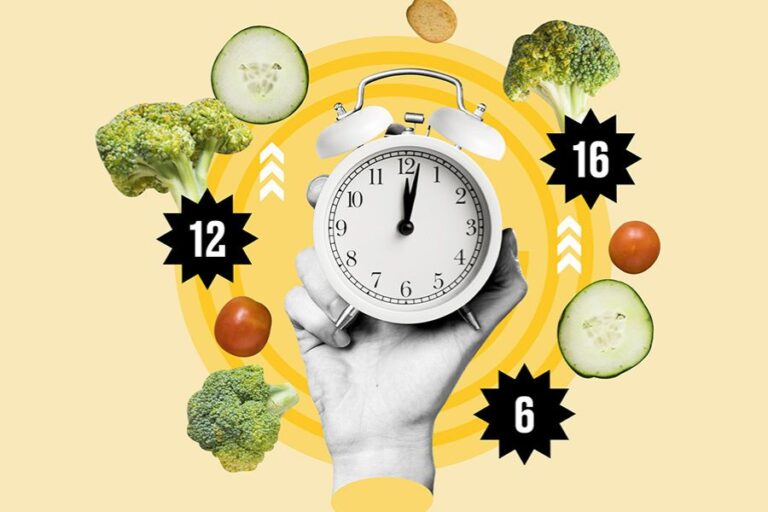
Understand intermittent fasting and blood sugar
If you are curious about intermittent fasting blood sugar and how the two are connected, you are not alone. Intermittent fasting (IF) has become a popular way to lose weight and improve health, and many people also hope it will help stabilize blood glucose.
Intermittent fasting is not a specific food list. It is an eating pattern where you alternate between periods of eating and periods of little or no calorie intake. During fasting windows you can usually drink water, black coffee, tea, or other non calorie drinks, but you skip meals or significantly cut calories (Diabetes UK).
Research over the last several years suggests that IF can:
- Lower fasting blood sugar
- Improve insulin sensitivity
- Support weight loss and smaller waist size
These changes all matter for your long term risk of type 2 diabetes and heart disease.
How intermittent fasting affects your body
To understand how intermittent fasting might help your blood sugar, it helps to know what is happening inside your body during a fast.
What happens to blood sugar when you fast
When you eat, your blood sugar rises. Your pancreas releases insulin to move that sugar into your cells for energy or storage. Between meals, insulin levels drop. Your body starts to use stored energy from your liver and fat tissue.
During a fast:
- Your blood sugar slowly falls as your body uses up the glucose from your last meal.
- Your insulin levels drop.
- Your body releases more glucagon, a hormone that tells your liver to release stored sugar and to start breaking down fat for energy. This helps prevent your blood sugar from dropping too low (International Diabetes Federation).
Over time, these repeated cycles of lower insulin and increased fat use can help your cells respond better to insulin. That is what people mean by “improved insulin sensitivity.”
Why insulin sensitivity matters
When your cells stop responding well to insulin, your body has to make more and more of it to keep blood sugar in range. This is called insulin resistance and it sits at the center of type 2 diabetes.
Intermittent fasting has been shown to:
- Decrease fasting insulin levels and
- Reduce a measure of insulin resistance called HOMA IR
in people with metabolic problems (International Journal of Endocrinology). In that analysis, people following IF lowered their fasting blood sugar, insulin, body weight, BMI, and waist circumference, all of which support better insulin sensitivity.
Types of intermittent fasting you might consider
There is not just one way to practice intermittent fasting for blood sugar. Several styles have been studied in people with prediabetes or type 2 diabetes.
Daily time restricted eating
Time restricted eating (TRE) means you eat all your meals within a set window each day and fast the rest of the time. Common patterns include 16:8 or 14:10.
- 16:8: You fast for 16 hours and eat within an 8 hour window. For example, you might eat from 12 pm to 8 pm, then fast from 8 pm to 12 pm the next day.
- 14:10: You fast for 14 hours and eat within a 10 hour window.
A 2025 randomized controlled trial in obese people with type 2 diabetes found that the 16:8 method led to about 4 percent weight loss in three months and significantly improved fasting blood sugar, A1C, and cholesterol compared with a 14:10 window and a control diet (PMC).
In another study, a 10 hour eating window reduced fasting glucose and HbA1c in people with diabetes or prediabetes over 12 weeks, nearly doubling the effect of typical diabetes medications (PMC).
A 2023 NIH funded trial where participants with obesity and type 2 diabetes ate between noon and 8 pm found:
- About 3.6 percent body weight loss in six months
- Smaller waist sizes
- Similar healthy drops in average blood sugar as a traditional calorie restriction group
Participants also said the time restricted schedule was easier to follow than daily calorie counting (NIH Research Matters).
Twice per week fasting
Twice per week fasting (sometimes called 5:2 style or twice weekly fasting, TWF) usually means:
- 2 days per week: You significantly cut calories.
- 5 days per week: You eat more normally, ideally with a generally healthy diet.
A network meta analysis of 13 randomized controlled trials with 867 people with type 2 diabetes found that intermittent fasting regimens, including TWF, fasting mimicking diets, and TRE, improved fasting blood glucose, A1C, and insulin resistance more than standard diets. The twice per week fasting style ranked best overall for improving insulin resistance and fasting glucose (Frontiers in Nutrition).
5:2 diet
The 5:2 diet is a popular version of intermittent fasting. You eat normally 5 days per week and limit yourself to a low calorie intake on 2 nonconsecutive days.
A study published in JAMA found that the 5:2 diet was as effective as continuous daily calorie restriction for blood sugar control in 137 people with type 2 diabetes and may be better for weight loss (Verywell Health).
For people with diet controlled type 2 diabetes, this approach has been considered safe, but anyone taking insulin or certain oral medications needs close monitoring to avoid low blood sugar (Verywell Health).
What the research says about blood sugar
You may be wondering if intermittent fasting actually works for blood sugar or if it is just another trend. Overall, the evidence is encouraging, especially for type 2 diabetes and prediabetes.
Effects on fasting blood sugar and A1C
Across multiple studies, intermittent fasting has:
- Reduced fasting blood sugar by a modest but meaningful amount in people with impaired glucose or metabolic issues (International Journal of Endocrinology).
- Lowered fasting blood sugar and HbA1c in type 2 diabetes across different intermittent fasting styles, with twice per week fasting ranking best in some analyses (Frontiers in Nutrition).
- Improved HbA1c and fasting blood sugar in obese patients with type 2 diabetes, especially with longer fasting windows like 16:8 (PMC).
A 2024 network meta analysis concluded that all the intermittent fasting programs studied were generally effective at improving fasting blood sugar, HbA1c, and insulin resistance in type 2 diabetes, even though no single method was dramatically better in one to one comparisons (Frontiers in Nutrition).
Effects on insulin and insulin resistance
In people with metabolic syndrome, intermittent fasting has been shown to:
- Drop fasting insulin by about 13 mU/L on average
- Improve HOMA IR, a common measure of insulin resistance, by about 0.31
compared with control diets (International Journal of Endocrinology). These changes suggest that your body is using insulin more efficiently and not needing as much of it to manage blood sugar.
In some studies, the improvements in insulin levels were similar to what you might see with certain oral medications, but without the common side effect of weight gain (International Journal of Endocrinology).
Effects on weight and waist size
Weight loss is not required to see blood sugar benefits, but it definitely helps. Intermittent fasting often leads to eating fewer calories overall, which is one reason it works.
Evidence shows that IF can:
- Reduce body weight, BMI, and waist circumference in people with impaired glucose or metabolic issues (International Journal of Endocrinology)
- Lead to around 3 to 4 percent weight loss over several months in people with obesity and type 2 diabetes (NIH Research Matters, PMC)
Because extra body weight and abdominal fat play a big role in insulin resistance, these changes can support both better blood sugar and better overall health.
Potential benefits beyond blood sugar
If you are exploring intermittent fasting for blood sugar, you may also see other health improvements.
Possible benefits for blood pressure and lipids
Some studies suggest that intermittent fasting can:
- Lower blood pressure
- Improve cholesterol and triglyceride levels
In particular, early time restricted feeding (eating earlier in the day) has been linked to lower insulin levels and blood pressure in men with prediabetes even without weight loss (Verywell Health).
In people with obesity and type 2 diabetes, 16:8 fasting improved lipid profiles along with blood sugar control (PMC).
Diabetes remission potential
There is growing interest in whether intermittent fasting can do more than just manage blood sugar and actually help put type 2 diabetes into remission.
Some people with type 2 diabetes have achieved remission using intermittent fasting, likely because of the combination of weight loss and improved insulin sensitivity (International Diabetes Federation, Diabetes UK). However, experts note that you still need more long term studies to know how sustainable remission is over many years.
Risks and who should be careful
Intermittent fasting is not automatically safe for everyone, especially if you already have diabetes, if you are on medication, or if you have other health conditions.
When intermittent fasting may be risky
You need extra caution or may need to avoid fasting if you:
- Have type 1 diabetes
- Have type 2 diabetes and take insulin or certain oral medications
- Have a history of severe low blood sugar
- Are underweight or have an eating disorder
- Are pregnant or breastfeeding
- Have other serious medical conditions
In people with type 1 diabetes, fasting can increase the risk of both hypoglycemia (very low blood sugar) and diabetic ketoacidosis. Close monitoring and medication adjustment are essential if fasting is attempted, and some people may be advised not to fast at all (PMC).
In type 2 diabetes, intermittent fasting may require you to adjust medications to prevent blood sugar from dropping too low. Several reviews and organizations, including the International Diabetes Federation and Diabetes UK, stress the need for a personalized plan and medical supervision before you change your eating schedule (International Diabetes Federation, Diabetes UK).
Possible side effects you might notice
Common short term side effects when you first start fasting can include:
- Hunger and irritability
- Headaches
- Low energy or lightheadedness
- Trouble focusing
- Difficulty sleeping if you are very hungry at night
In people with diabetes, more serious risks can be:
- Hypoglycemia, especially if you keep the same dose of insulin or sulfonylurea medications while eating less
- Hyperglycemia if you overeat during eating windows or if medication adjustments go too far
- Dehydration if you are not drinking enough water or low calorie fluids
Most clinical trials in people with type 2 diabetes report that intermittent fasting is generally safe when monitored, with no serious side effects or dangerous blood sugar events over several months (NIH Research Matters, Frontiers in Nutrition). Still, these studies had medical teams watching closely, which is a good reminder to involve your own healthcare provider.
How to start intermittent fasting more safely
If you decide to try intermittent fasting to help your blood sugar, it pays to approach it in a structured way instead of jumping in overnight.
Step 1: Talk with your healthcare team
Before you change your eating pattern, discuss your plan with:
- Your primary care doctor
- Your diabetes educator or endocrinologist, if you have one
- A registered dietitian, if possible
Make sure to:
- Review your current medications and doses.
- Ask how and when to check your blood sugar.
- Talk about signs that mean you should break your fast or contact your provider.
People with type 2 diabetes who use insulin or other diabetes medications almost always need some adjustment to stay safe while fasting (Diabetes UK, Verywell Health).
Step 2: Choose a realistic fasting pattern
Pick a schedule that fits your lifestyle and feels sustainable. You do not need to copy someone else’s routine.
Options to consider:
- Start with 12:12 (12 hours fasting, 12 hours eating) and gradually move to 14:10 or 16:8 if you tolerate it well.
- If daily fasting feels too rigid, talk with your provider about a 5:2 or twice per week approach.
When you are beginning, it may be easier to:
- Finish your last meal earlier in the evening.
- Avoid very late night snacking.
Even shifting your eating window a bit earlier can help some people, and early time restricted feeding may have extra benefits for insulin and blood pressure (Verywell Health).
Step 3: Focus on what you eat too
Intermittent fasting is about when you eat, but what you eat still matters for blood sugar.
During your eating windows, try to:
- Build meals around vegetables, lean proteins, healthy fats, and high fiber carbohydrates.
- Include sources of protein and fiber at each meal to slow digestion and reduce blood sugar spikes.
- Limit sugary drinks, refined grains, and very processed snacks that can quickly raise blood sugar.
Organizations like Diabetes UK note that weight loss from intermittent fasting usually happens because people naturally eat fewer calories in their shorter eating windows (Diabetes UK). You can support this effect by choosing filling, nutrient dense foods instead of overeating during your meals.
Step 4: Monitor your blood sugar
Keeping a close eye on your blood sugar will help you and your healthcare team see how you are responding and catch problems early.
Consider:
- Checking your blood sugar more often when you first start fasting or change your plan.
- Logging your readings along with fasting times, meals, and any symptoms.
This is especially important if:
- You use insulin or certain oral medications.
- You have a history of low blood sugar.
Some 2024 reviews emphasize regular glucose and ketone monitoring for people with type 1 diabetes who fast, and many of the same ideas apply if you have type 2 diabetes and are making big changes (PMC).
Step 5: Adjust if you feel unwell
Intermittent fasting should not make you feel constantly awful. If you notice:
- Repeated low blood sugars
- Extreme fatigue
- Dizziness or fainting
- Rapid weight loss you did not expect
pause and talk with your healthcare provider. You may need to:
- Change your fasting window.
- Adjust your medications.
- Try a different eating pattern that suits your body better.
It is okay if intermittent fasting is not the right fit for you. There are other ways to improve blood sugar and health through diet, activity, and medication.
Key takeaways for your health
When you are deciding whether to try intermittent fasting for blood sugar, it helps to keep the big picture in mind.
- Intermittent fasting can reduce fasting blood sugar, improve insulin sensitivity, and support weight loss in people with type 2 diabetes, prediabetes, or metabolic issues (International Journal of Endocrinology, Frontiers in Nutrition, PMC).
- Different fasting styles like 16:8, 5:2, time restricted eating, and twice per week fasting all show benefits. No single method is perfect for everyone.
- Some people may achieve type 2 diabetes remission with intermittent fasting, especially when it leads to meaningful weight loss, although long term research is still underway (International Diabetes Federation, Diabetes UK).
- Intermittent fasting is not risk free, particularly if you have type 1 diabetes or use insulin or certain oral medications. Medical guidance and blood sugar monitoring are essential.
If you are drawn to the structure of intermittent fasting and think it could simplify your eating routine, the next step is to have a detailed conversation with your healthcare provider. Together, you can design an approach that respects your blood sugar goals, your medications, and your everyday life.
About the Author