Understand the one meal a day diet
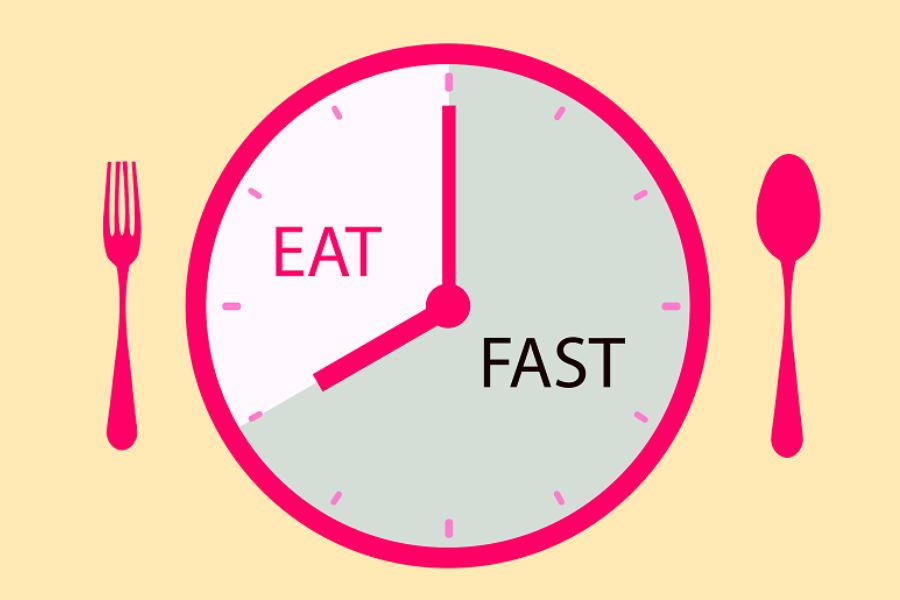
The one meal a day diet, often shortened to OMAD, is an extreme form of intermittent fasting. You eat all your daily calories in a single meal, usually within a one hour window, and fast for the remaining 23 hours. During the fast, you typically only have zero calorie drinks like water, black coffee, and unsweetened tea (Perfect Keto).
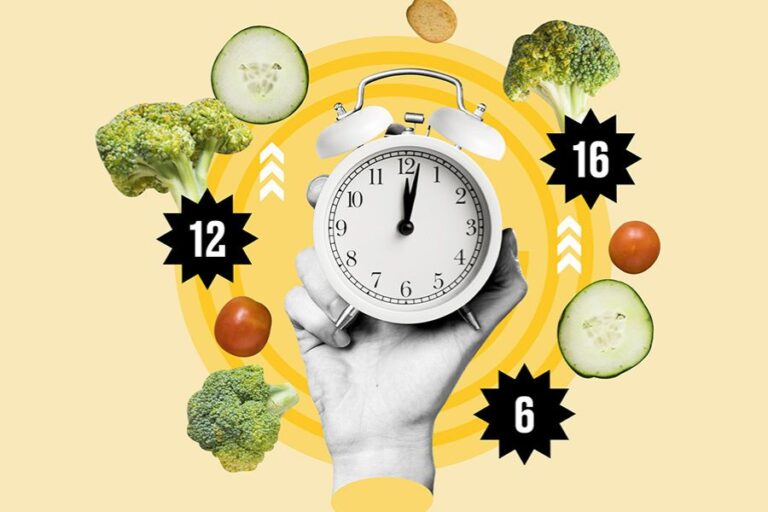
In that sense, OMAD is more intense than common intermittent fasting approaches such as 16:8 or 18:6. Those methods give you a longer eating window, while the one meal a day diet concentrates everything into one sitting.
You will see strong opinions on both sides. Some people say it transformed their relationship with food and their weight. Others warn that eating one meal a day feels unsustainable or even risky. The reality usually sits somewhere in between and depends heavily on your health, habits, and goals.
Before you decide whether OMAD fits your lifestyle, it helps to understand how it works, where the research stands, and what a realistic day on this diet actually looks like.
How OMAD works in your body
OMAD is built around extended fasting. When you go close to 23 hours without calories, several things start to happen under the surface.
Fasting, ketosis, and fat burning
With the one meal a day diet, you spend most of the day without incoming energy. Once your body uses up stored carbohydrate, it begins relying more heavily on fat for fuel. This shift can encourage:
- Increased fat oxidation, or fat burning
- Ketosis, where your body produces ketones from fat and uses them as an energy source (Dr. Berg)
Some research suggests that eating a single evening meal, compared with three meals that total the same calories, can reduce body weight and body fat by a larger margin (Dr. Berg).
Hormones, hunger, and insulin
Intermittent fasting in general, including OMAD, can improve insulin sensitivity and help lower insulin levels, which may support weight loss and metabolic health (Perfect Keto). Longer fasting windows can also:
- Encourage your body to become more metabolically flexible
- Reduce overall daily calorie intake
- Trigger cellular repair processes such as autophagy, where damaged cells are broken down and recycled (Delicut)
However, OMAD is not only about benefits. Studies show that eating one meal a day can increase levels of the hunger hormone ghrelin, which can make you feel significantly hungrier than if you ate several meals (WebMD). Some research also links OMAD to delayed insulin responses and higher fasting blood sugar compared with more frequent eating (Healthline).
You are working with powerful levers, so it is important to know both sides.
Potential benefits of the one meal a day diet
Many people consider OMAD because they want to lose weight, break a plateau, or simplify eating. The research and anecdotal reports point to several possible upsides.
Weight loss and fat loss
OMAD can reduce calories simply by shrinking your eating window. You have less time available to snack or graze, which can naturally cut your intake without strict counting.
Several findings support the idea that fewer meals or longer overnight fasts can help reduce weight and body fat:
- Intermittent fasting patterns, including those with fewer meals, have helped people lose around 7 to 11 pounds over 10 weeks (WebMD)
- A 2017 review of data from more than 50,000 adults found that eating one or two meals per day was associated with a yearly drop in BMI, and fasting 18 hours or more overnight was linked with reduced body weight (Healthline)
- A 2022 study reported greater reductions in body fat and body weight in healthy adults who ate during a 2 hour evening window compared with those who had three meals per day (Healthline)
Although some results focus on intermittent fasting in general rather than strict OMAD, they suggest that compressing your eating window can be effective for fat loss.
Simplicity and time savings
If you struggle with meal planning, prep, and constant decisions about food, the one meal a day diet can feel freeing. You only have to:
- Plan one main meal
- Cook once
- Clean up once
This simplicity is a big part of the appeal. A 2024 overview on OMAD highlights that reducing cooking and eating occasions can save time and lower stress around food choices (Perfect Keto).
Possible metabolic and cellular benefits
Practicing OMAD or similar long fasts may:
- Improve insulin sensitivity and lower insulin levels, which is important for obesity and cardiovascular risk (Perfect Keto)
- Enhance metabolic health markers like triglycerides and HDL cholesterol in some studies (Perfect Keto)
- Stimulate autophagy, the cellular cleanup process associated with long term health and longevity (Delicut, Perfect Keto)
Some people also report better digestion because their gut gets a long break from processing food. Increased fasting time can reduce symptoms like abdominal pain, diarrhea, and nausea, particularly for people dealing with irritable bowel issues (Dr. Berg).
Mood and mental clarity
As your blood sugar swings level out, you might notice steadier energy and fewer crashes. Prolonged fasting may help stabilize blood sugar, which some reports link to calmer mood and fewer feelings of irritability or anxiety that can be triggered by spikes and dips (Dr. Berg).
Not everyone experiences this effect, but it is one reason some people feel more focused and mentally clear on OMAD.
Real risks and drawbacks to consider
OMAD is not a gentle shift like cutting out dessert or moving dinner earlier. It is a radical change in your eating schedule, and that intensity can come with tradeoffs.
Increased hunger and potential overeating
Hunger is the most obvious challenge with the one meal a day diet. Research shows that people who eat one meal per day have higher ghrelin levels and feel more hungry than those who have multiple meals (WebMD).
That intense hunger can lead to:
- Overeating during your single meal
- Choosing fast comfort foods instead of balanced options
- Digestive discomfort because you are taking in a large volume at once
If you already struggle with binge eating or a chaotic relationship with food, compressing everything into one meal can be especially tricky.
Possible loss of muscle and lean mass
Extreme fasting methods may contribute to loss of lean body mass, particularly if your protein intake is low or your workout routine does not support muscle maintenance. A review of fasting methods notes that loss of lean mass can raise the risk of metabolic diseases such as type 2 diabetes, cardiovascular disease, and abnormal blood lipids (Healthline).
If you lift weights, play sports, or simply want to preserve strength as you age, this is an important piece of the puzzle.
Metabolic and cardiovascular concerns
OMAD is not automatically easier on your heart or blood sugar. Some evidence suggests it may have the opposite effect for certain people:
- Eating one meal a day has been linked to higher fasting blood sugar, delayed insulin response, and increased levels of total and LDL cholesterol and blood pressure compared to eating more frequently (Healthline)
- For people with cardiovascular disease or diabetes, one meal a day can increase blood pressure and cholesterol and raise the risk of blood sugar spikes or hypoglycemia (WebMD)
- A 2022 study found that eating only one meal per day was associated with greater risk of death from any cause and from cardiovascular disease compared with more moderate patterns (Healthline)
These findings do not mean OMAD will automatically harm you, but they are a strong signal to avoid self experimenting if you have existing conditions or risk factors. A health professional who understands fasting and your medical history is essential here.
Who should avoid OMAD altogether
Certain groups are generally advised to skip the one meal a day diet:
- You are pregnant or breastfeeding
- You have a history of eating disorders or disordered eating
- You have type 1 or type 2 diabetes and use blood sugar lowering medications, unless a doctor closely supervises you
- You have advanced cardiovascular disease or other complex medical conditions
- You are underweight or recovering from serious illness
Sources such as WebMD and Healthline caution strongly that OMAD can aggravate health issues in these situations (WebMD, Healthline).
If you fit any of these categories, a more conservative intermittent fasting schedule or a different nutrition approach altogether is likely much safer.
What a typical OMAD day looks like
If you are still curious, picturing a full day on the one meal a day diet can help you decide whether it suits your routine and personality.
A sample daily schedule
This is just one example. You can adjust the timing around your work and family life.
- 7:00 am: Wake up, drink water. Have black coffee or unsweetened tea if you like caffeine. No milk, cream, or sugar.
- Morning to mid afternoon: Stay hydrated with water, herbal tea, or other zero calorie drinks. You might schedule light to moderate exercise here if it feels comfortable.
- 4:00 pm to 5:00 pm: Main meal window. You eat all of your daily calories within about one hour.
- Evening: Continue fasting, drink water or herbal tea. Aim for a normal bedtime.
Your window can shift earlier or later, for example at lunch time or in the evening after work. The key is that you maintain roughly 23 hours of fasting and one hour of eating.
What your single meal should include
With only one chance to meet your nutritional needs, the quality of that meal matters. A balanced OMAD plate usually has (Delicut):
- Protein: Chicken, fish, eggs, tofu, tempeh, or legumes
- Healthy fats: Olive oil, avocado, nuts, seeds, or fatty fish
- Complex carbohydrates: Whole grains, potatoes, or starchy vegetables, depending on your carb tolerance and goals
- Plenty of vegetables: For fiber, vitamins, and minerals
- Fluids and electrolytes: Water and possibly electrolyte supplements if you fast regularly and exercise heavily
Because it can be hard to cover every nutrient in one meal, some people use supplements like vitamin D, B12, or omega 3 after consulting their healthcare provider (Delicut).
Managing hunger and cravings
The first days, and sometimes weeks, on OMAD often feel challenging. You can make the transition smoother by:
- Drinking plenty of water, usually 8 to 10 glasses per day
- Including fiber rich foods, such as leafy greens and non starchy vegetables, in your meal to feel full longer
- Choosing healthy fats that keep you satisfied
- Staying busy during your fasting hours so you are not focused on the clock
- Timing physical activity near your meal window so you can refuel afterward (Delicut)
Even with these strategies, you may notice side effects like headache, fatigue, irritability, or brain fog, especially if you are also lowering carbohydrates. These overlap with what many people call “keto flu” and usually improve as your body adapts (Perfect Keto).
Is OMAD right for your lifestyle?
The clearest answer is that OMAD can be a useful tool for some people, but it is rarely the best first step. Use the questions below to guide your thinking.
Your goals and priorities
Start by asking what you care about most right now:
- Fat loss above all: If you want straightforward fat loss and do not mind short term discomfort, OMAD might work, especially if other methods have stalled.
- Muscle, performance, or strength: If preserving or building muscle is your priority, a more moderate fasting schedule with two or three well spaced meals is usually kinder to your body.
- Stable energy and mood: Some people feel great on extended fasts, while others feel anxious or depleted. If you already struggle with low energy or mood swings, easing into intermittent fasting with a longer eating window can be safer.
Intermittent fasting in general can support weight and health, but that does not mean you have to jump straight into the most extreme version.
Your medical history and current health
Before you consider the one meal a day diet, it is important to be honest about your health background:
- Do you have diabetes, heart disease, or blood pressure concerns?
- Have you ever struggled with an eating disorder or disordered eating patterns?
- Are you pregnant, breastfeeding, or trying to conceive?
- Are you under medical care for any chronic condition?
If you answer yes to any of these, talk to your doctor or a registered dietitian before experimenting with OMAD. Research from sources like WebMD and Healthline notes that one meal a day can worsen blood pressure, cholesterol, and blood sugar control in some people and is associated with increased mortality risk in others (WebMD, Healthline).
Your daily routine and social life
Finally, consider how OMAD fits into the life you actually live:
- Do you work in a physically demanding job that requires steady energy?
- Does your family schedule revolve around shared meals?
- Are you often in social situations that involve breakfast or lunch?
- Do you enjoy food and cooking enough that one meal feels restrictive?
If your day is built around long work hours, childcare, and social commitments, it may be hard to regularly skip multiple meals without feeling isolated or overly focused on food.
Meals are not just fuel. They also carry emotional, cultural, and social meaning. A diet that cuts you off from that reality is harder to keep long term.
How to experiment safely or choose alternatives
You do not have to commit fully to OMAD to benefit from intermittent fasting. In fact, easing in gradually is smarter for most people.
Step down gradually into shorter eating windows
If you currently eat from early morning to late at night, you could:
-
Try a 12:12 schedule
Eat within a 12 hour window, such as 8 am to 8 pm. -
Move to 16:8
Fast for 16 hours overnight, and eat all meals within an 8 hour window, for example 11 am to 7 pm. -
Experiment with 18:6 or 20:4
Once you are comfortable, see how you feel with a 6 or 4 hour eating window.
Only after several weeks or months of experimenting with shorter windows should you consider a true one meal a day pattern. At each stage, watch for warning signs like intense fatigue, dizziness, or difficulty focusing.
Check in with your body and your lab work
If you plan to test OMAD for more than a short period, it is wise to:
- Have baseline blood work done, including blood sugar, lipids, and other key markers
- Recheck these values after a few months
- Track how your sleep, mood, energy, and performance respond
The study that linked OMAD with higher total and LDL cholesterol and blood pressure is a reminder that your numbers may move in directions you do not expect (Healthline).
When to choose another path
The one meal a day diet is probably not right for you if:
- You feel constantly preoccupied with food or anxious during your fasting hours
- You notice cycles of restriction and overeating during your meal
- Your workouts suffer and your recovery feels slow
- Your doctor sees unfavorable changes in blood pressure, blood sugar, or cholesterol
In these cases, a gentler form of intermittent fasting or a more traditional, balanced eating schedule with a moderate calorie deficit can be just as effective and far easier to sustain.
Key takeaways and next steps
If you are considering the one meal a day diet, you are likely looking for a clear, structured way to lose weight and improve health. OMAD can offer:
- A simple daily routine with fewer food decisions
- A built in calorie reduction that can support fat loss
- Potential improvements in metabolic health and cellular repair in some people
At the same time, you will want to weigh:
- Increased hunger and the risk of overeating
- Potential loss of muscle and lean mass
- Mixed research on blood sugar, cholesterol, blood pressure, and long term risk (WebMD, Healthline)
If you decide to explore OMAD, approach it as an experiment, not a permanent identity. Start with more flexible fasting schedules, track how you feel, and involve a healthcare professional, especially if you have existing medical conditions.
Most importantly, choose an eating pattern that supports the life you want to live, not just the number you hope to see on the scale.
About the Author