Understand intermittent fasting weight loss
Intermittent fasting weight loss plans focus on when you eat instead of only what you eat. You voluntarily pause eating for set periods, then eat all your meals in a shorter window. During the fasting period you usually stick to water and zero calorie drinks.
Intermittent fasting has become a popular way to lose weight because it can trigger fat burning and help you naturally eat fewer calories overall. Recent research suggests that several types of intermittent fasting can be as effective as traditional calorie restricted diets for weight loss and cardiometabolic health (Mayo Clinic Health System, Harvard T.H. Chan School of Public Health).
Before you dive in, it helps to understand how the different methods work and what kind of results and side effects you might expect.
Common intermittent fasting methods
Most intermittent fasting plans fall into three main categories.
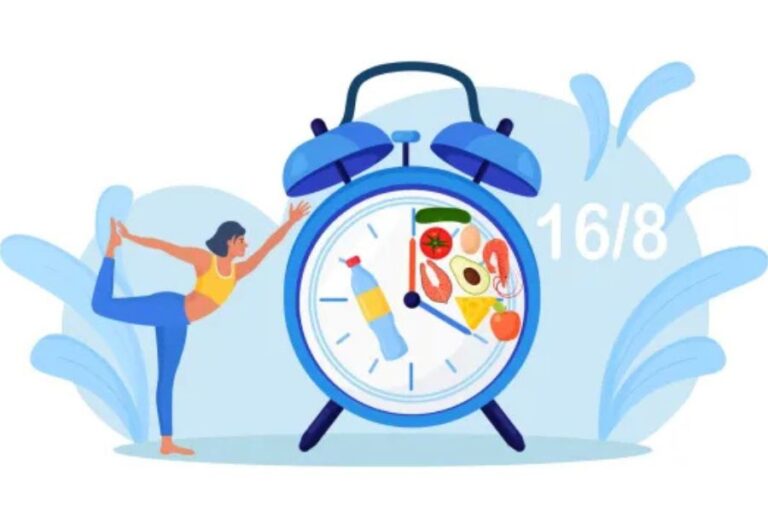
Time restricted eating (for example 16:8)
You fast for about 16 hours each day and eat all your meals in an 8 hour window. For example, you might eat from 11 a.m. to 7 p.m. and fast the rest of the time.
- Pros: Fits more easily into daily life. You can follow the same routine every day.
- Cons: You may feel very hungry in the morning or late at night at first.
A 16:8 style approach can support weight management and blood sugar processing for adults with overweight or obesity, according to a 2022 review (Medical News Today).
Alternate day fasting
You alternate between:
- Fasting days, when you eat little or nothing.
- Regular eating days, when you eat your usual amount.
Research suggests alternate day fasting is at least as effective as a standard low calorie diet, and in some analyses it led to about 1.3 kilograms more weight loss and greater improvements in waist size, cholesterol, triglycerides, and inflammation markers (Mayo Clinic Health System, Harvard T.H. Chan School of Public Health).
5:2 fasting
You eat normally five days per week. On two nonconsecutive days, you sharply reduce calories, often to about one quarter of your usual intake.
In a 2021 randomized controlled trial, people with obesity using a 5:2 method with group support lost more weight at six weeks, although results leveled out by one year (Medical News Today).
How intermittent fasting helps you lose weight
Intermittent fasting weight loss comes from a few overlapping effects. You are not only skipping meals. Your body is shifting how it uses energy.
You burn more stored fat
When you go long enough without eating, your blood sugar and insulin levels drop. Once your body has used up its easy access energy from your last meal, it starts to break down stored fat for fuel. This shift is called ketosis.
Short term intermittent fasting can trigger this fat burning state, especially when you are also eating fewer calories overall (Mayo Clinic Health System).
You may eat fewer calories without counting
For many people, shrinking the hours when they eat naturally lowers their calorie intake.
You might notice that:
- Grazing and late night snacking become harder, simply because your eating window is shorter.
- Planning one or two satisfying meals feels easier than planning three plus snacks.
Systematic reviews of intermittent fasting trials found that people often lost between about 0.8 percent and 13 percent of their starting body weight over 2 to 52 weeks, with no serious adverse events reported (NCBI – Canadian Family Physician, Medical News Today).
You still need a calorie deficit
Even though intermittent fasting can make it easier to eat less, weight loss still comes down to a simple rule. To lose weight, you must consistently use more energy than you consume.
Experts emphasize that the key to intermittent fasting weight loss is:
- Not overeating during your eating windows.
- Choosing a balanced diet with fruits, vegetables, whole grains, low fat dairy, and lean proteins.
- Keeping an eye on portion sizes, even if you are not tracking every calorie (Mayo Clinic Health System).
If your eating window turns into an all you can eat period, your results will stall.
Health benefits beyond the scale
You might be drawn to intermittent fasting for weight loss, but research suggests there can be added health perks for some people.
Better blood sugar control
Several studies in people with overweight or obesity and in those with type 2 diabetes found that intermittent fasting could:
- Reduce fasting blood glucose.
- Lower hemoglobin A1c by roughly 0.25 percent to 0.7 percent over about 12 weeks.
- Produce weight loss on par with standard calorie restriction (NCBI – Canadian Family Physician).
Better blood sugar control can mean more stable energy, fewer crashes, and a lower risk of diabetes related complications.
Improved cardiometabolic markers
In a large network meta analysis of 99 clinical trials and more than 6,500 participants, intermittent fasting diets were as effective as traditional calorie restricted diets for weight loss, and both beat unrestricted eating for cardiometabolic health (Harvard T.H. Chan School of Public Health).
Alternate day fasting in particular was linked with improvements in:
- Waist circumference.
- Cholesterol levels.
- Triglycerides.
- C reactive protein, an inflammation marker.
These changes may lower your long term risk of heart disease.
Possible reductions in inflammation
Early research suggests intermittent fasting might help reduce inflammation and improve the way your body responds to physical stress, which could support conditions like arthritis, asthma, and multiple sclerosis. Evidence is still emerging, so you should treat this as a promising area, not a proven treatment (Mayo Clinic Health System).
Potential side effects and risks
Intermittent fasting is not side effect free, especially in the first few weeks. Knowing what to expect can help you decide if it is a good fit for you.
Common short term symptoms
Many people report:
- Hunger and food cravings.
- Fatigue or low energy.
- Irritability or mood changes.
- Trouble concentrating.
- Insomnia or lighter sleep.
- Nausea or constipation.
- Headaches or mild dizziness.
These symptoms often improve within about a month as your body adapts to the new pattern (Mayo Clinic Health System, Harvard Health).
Risk of overeating and slowed progress
Fasting can increase hunger hormones and make your brain more sensitive to food cues. That can lead to:
- Overeating on non fasting days.
- Choosing high sugar or high fat comfort foods.
- A cycle of restrict, then binge.
Over time, this pattern can blunt your weight loss and make it harder to maintain a healthy metabolism (Harvard Health).
Concerns for older adults
If you are older, losing too much weight too quickly can be risky. It may:
- Weaken bones.
- Reduce immune function.
- Drain your energy levels.
Most intermittent fasting studies have followed younger adults for a limited time, so there is less information about long term effects in older adults (Harvard Health).
Medication and medical conditions
Intermittent fasting may be unsafe for you if you:
- Take medications for diabetes, blood pressure, or heart disease.
- Have conditions that affect blood sugar, blood pressure, or fluid balance.
- Need regular food intake for medication timing.
Fasting can change mineral balance and interact with how drugs work in your body, which in some cases could become dangerous (Harvard Health).
Before you change your eating schedule, talk with your healthcare provider so you can adjust doses or timing safely if needed.
Conflicting research and open questions
Not all findings on intermittent fasting are positive. For example, a 2024 observational study of over 20,000 U.S. adults found that a 16:8 pattern was associated with a higher risk of death from cardiovascular disease, although the study has not yet been peer reviewed and cannot prove that intermittent fasting caused the increased risk (Medical News Today).
Most clinical trials also last less than 24 weeks, so researchers are still learning about the long term impact of intermittent fasting on health (Harvard T.H. Chan School of Public Health).
Who intermittent fasting might suit
Intermittent fasting weight loss can work well for some people, but it is not the best choice for everyone.
You might find it helpful if you:
- Prefer structure and like clear rules about when you eat.
- Do not enjoy counting calories but want to lose weight.
- Tend to snack late at night and want a simple way to cut back.
- Can comfortably go several hours without food once you are used to it.
You may want to avoid it or seek professional guidance if you:
- Are pregnant, nursing, or trying to conceive.
- Have a history of disordered eating.
- Have type 1 diabetes, uncontrolled type 2 diabetes, or low blood pressure.
- Take multiple daily medications that must be taken with food.
- Are underweight or have been told not to lose weight.
Experts recommend discussing intermittent fasting with your healthcare provider first, especially if you have existing health conditions, a complex medication routine, or concerns about long term adherence (Harvard T.H. Chan School of Public Health).
How to get started safely
If you decide to try intermittent fasting, a gradual and thoughtful approach makes it more sustainable.
1. Choose a realistic method
Pick a plan that fits your schedule instead of forcing your life to fit the plan.
- If you have a regular daytime schedule, time restricted eating such as 14:10 or 16:8 is often easiest.
- If your weekdays are busy but weekends are flexible, you might experiment with a 5:2 style pattern.
- Alternate day fasting can be more intense, so consider it only if you already tolerate longer fasting periods well and have medical clearance.
Starting with a slightly shorter fast, such as 12 to 14 hours, and increasing slowly can reduce early side effects.
2. Prioritize nutrient dense foods
Shorter eating windows can make it harder to get all the vitamins and minerals you need. To protect your health, build your meals around:
- Vegetables and fruits.
- Whole grains like oats, brown rice, or quinoa.
- Lean proteins such as beans, fish, poultry, or tofu.
- Healthy fats from nuts, seeds, and olive oil.
- Low fat dairy or fortified alternatives if you use them.
This kind of balanced pattern is especially important for intermittent fasting weight loss to ensure you are not just cutting calories but also supporting your overall health (Mayo Clinic Health System).
3. Plan meals and snacks
Going into your eating window without a plan makes it much easier to overeat. Try:
- Preparing simple meals ahead of time.
- Deciding on your main plate portions before adding extras.
- Including a mix of protein, fiber, and healthy fat at each meal so you stay satisfied.
You might experiment with two meals and one snack within your eating window, or three smaller meals, depending on what feels best.
4. Stay hydrated
During fasting periods, water is your main support. Sipping regularly can help you:
- Ease hunger pangs.
- Reduce headaches.
- Keep digestion moving.
Unsweetened tea and black coffee are often allowed in intermittent fasting plans, but if you take medications or are sensitive to caffeine, check with your doctor about what is safe for you.
5. Watch how you feel and adjust
Your body’s response matters more than the exact schedule on paper. Pay attention to:
- Energy levels throughout the day.
- Mood and concentration.
- Sleep quality.
- Digestive changes.
If your symptoms are severe or do not ease after a few weeks, or if you feel pressured to keep going even though you feel worse, it may be a sign that intermittent fasting is not the right fit for you right now.
Putting it all together
Intermittent fasting weight loss approaches can help you:
- Lose a meaningful amount of weight.
- Improve blood sugar and other cardiometabolic markers.
- Possibly reduce inflammation and improve your stress response.
At the same time, intermittent fasting can bring side effects, may not suit certain health conditions, and still depends on a calorie deficit and nutrient rich foods to work well.
If you are curious, the safest next step is to:
- Talk with your healthcare provider about your medical history, medications, and goals.
- Choose a gentle method, such as a 12 to 14 hour overnight fast, and build from there if it feels right.
- Focus on what you eat during your eating window, not just when you eat.
With a thoughtful plan and the right support, you can explore whether intermittent fasting is a practical, sustainable tool to support your weight and your long term health.
About the Author