Understand the intermittent fasting results timeline
If you are starting intermittent fasting, you probably want to know how long it takes to see results and what that timeline actually looks like in your body. The intermittent fasting results timeline is not just about the scale. It includes how your energy, hunger, digestion, and metabolic health shift from hour to hour, week to week, and month to month.
Intermittent fasting works by giving your body long enough without food to switch from using glucose to using stored fat for energy, sometimes called the “metabolic switch” (familydoctor.org). That process unfolds in stages, and understanding those stages can help you set realistic expectations and avoid quitting just before things start to improve.
Key fasting stages in your body
Most intermittent fasting plans, like 16:8 or 18:6, repeat a daily or near daily fed-fast cycle. Within that cycle, your body passes through clear stages, each with its own effects.
Fed state: 0 to about 3 hours after eating
Right after you eat, you are in the fed state.
What happens in this stage:
- Blood sugar and insulin rise as you digest your meal
- Your body uses the incoming food for energy
- Fat burning is minimal because there is plenty of glucose available
You move out of this stage once your body has handled most of the nutrients from your last meal.
Early fasting state: About 3 to 18 hours after eating
This is the stage most relevant to common intermittent fasting windows like 16:8. It usually begins 3 to 4 hours after your last meal and can last up to 18 hours (Healthline).
What happens in this stage:
- Blood sugar and insulin start to fall
- Your body begins to break down stored glycogen (stored carbohydrate) for energy
- Fat breakdown (lipolysis) gradually increases
- You may start to feel hungry, especially if you are new to fasting
This is the period when you might notice mental cues like “I usually snack now,” and you are practicing delaying or skipping those habitual snacks.
Fasting state: About 18 hours to 2 days without food
You reach this deeper fasting state only with longer fasts, not typical daily 16:8 patterns. Between about 18 hours and 2 days without food, the body shifts further (Healthline).
What happens in this stage:
- Liver glycogen stores become depleted
- Your body leans more on fat and some protein for energy
- Ketone bodies begin to rise as an additional fuel source
- Ketosis can start, although timing is highly individual
This stage is closer to what people think of when they imagine extended fasting. Many intermittent fasting schedules, especially shorter daily fasts, may not reach this level unless paired with a very low carb diet.
Long term fasting: Around 48 hours and beyond
After about 48 hours of not eating, fasting becomes long term or extended. At this point:
- Insulin is very low
- Ketones are significantly elevated
- The body continues gluconeogenesis, making glucose for the brain
- Muscle breakdown can increase, and medical supervision is advised (Healthline)
Most people who practice intermittent fasting for weight loss or health do not need to go this far. Extended fasts should only be attempted with professional medical guidance.
How intermittent fasting methods affect your timeline
Your intermittent fasting results timeline depends heavily on the schedule you follow and how aggressive it is.
Daily time restricted eating (for example 16:8 or 18:6)
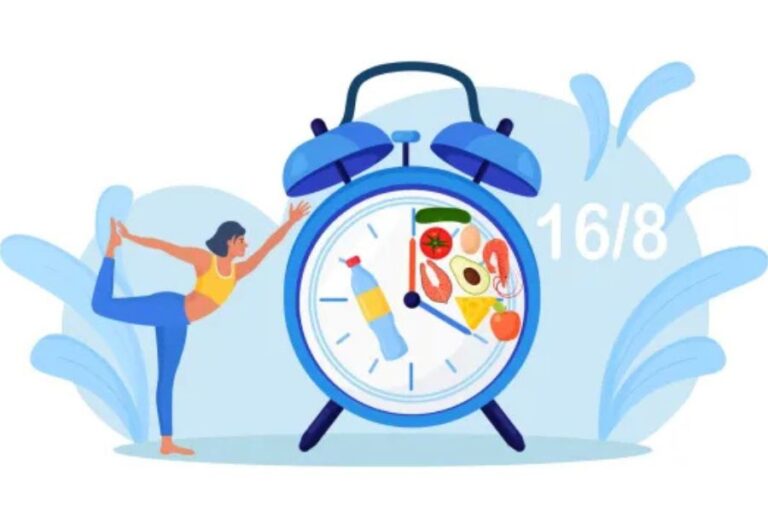
With 16:8, you fast for 16 hours each day and eat in an 8 hour window. With 18:6, you extend the fast to 18 hours. These are the most common and practical approaches.
What the research suggests:
- Metabolic shifts that support better fat burning can start within the first 24 hours of using a 16:8 pattern (DrRuscio.com)
- Fat burning tends to pick up toward the end of the fasting window, around 12 to 16 hours after your last meal, when glycogen is lower (familydoctor.org)
Within this style of fasting, you repeat that early fasting state daily, which can add up metabolically over time.
Alternate day fasting
Alternate day fasting means you alternate between a full or very low calorie day and a regular eating day.
What studies have found:
- Trials up to 22 days with alternate day fasting showed about 2.5% weight loss and improvements in some blood sugar markers, but people reported a lot of hunger (NIH – PMC)
This method can be effective, but it is not always easy to stick with in daily life.
5:2 intermittent fasting
With the 5:2 plan, you eat normally on 5 days of the week and limit calories on 2 non consecutive days.
What research shows:
- Studies lasting 8 weeks to 6 months in adults with overweight or obesity reported weight loss between 3.2% and 8.0%, with mixed effects on insulin and cholesterol (NIH – PMC)
This structure can feel more flexible, but the fasting effect is concentrated into those 2 lower calorie days.
Ramadan and religious style fasting
Ramadan fasting involves daily fasts from dawn to sunset for about a month.
What has been observed:
- Meta analyses show average weight loss of about 1.24 kg during Ramadan, with some weight regained within two weeks afterward and mixed, usually short term, changes in cholesterol and blood sugar (NIH – PMC)
This is useful as a real world example of time restricted eating over a fixed period.
Hour by hour: What happens during your fast
When you focus on your intermittent fasting results timeline, it helps to zoom in on a single fasting period and see what is likely happening.
0 to 4 hours: Digesting and storing
You are still in the fed state.
You may notice:
- Steady or rising energy from your last meal
- Little to no hunger if you ate enough protein and fiber
- No significant fat burning yet
4 to 12 hours: Using stored glycogen
This is the early fasting state.
In this window:
- Your body draws on glycogen in your liver and muscles for energy
- Insulin gradually drops
- Hunger waves may come and go
If you are used to frequent snacking, this is often when you start to feel uncomfortable at first.
12 to 16 hours: Metabolic switching begins
Many health resources note that intermittent fasting requires at least about 12 hours of fasting to prompt a meaningful metabolic switch from primarily glucose to more fat use, with ketone production increasing as a fuel source (familydoctor.org).
In this stage:
- Your body leans more on stored fat for energy
- Low level ketones may begin to rise
- You may notice clearer thinking or steadier energy if you are adapted
For many 16:8 schedules, the last few hours of the fast are where much of the fat burning and hormonal benefit likely accumulates.
16 to 24 hours: Deeper fat burning with longer fasts
If you occasionally extend your fasting window beyond 16 hours (for example 18:6 or a 24 hour fast), research suggests that fat burning becomes more pronounced between 16 and 24 hours after your last meal as glycogen continues to be depleted (Dr. Alexis Shields).
You might notice:
- More pronounced but often manageable hunger
- A sense of lightness or sharper focus once you are used to fasting
- A stronger reliance on fat stores for energy
Most daily intermittent fasting plans do not regularly go beyond this point, which helps with sustainability.
Week by week: When you can expect to feel and see changes
Your intermittent fasting results timeline really comes into focus over several weeks. Below is a general pattern, based on current research, that you can use as a guide. Your experience may differ depending on your diet, sleep, stress levels, and activity.
Week 1: Adjustment and early signals
In the first week, your body is simply learning the new schedule.
You might notice:
- Stronger hunger at your usual meal or snack times
- Headaches, fatigue, irritability, or trouble concentrating, especially in the first 2 to 4 weeks as your body adjusts (familydoctor.org)
- Light digestive shifts, sometimes improved bloating
Emerging reports suggest some people notice reduced bloating or relief of IBS symptoms within the first week of a 16:8 approach (DrRuscio.com).
Tips to make this stage easier:
- Drink water regularly during your fasting period
- Consider unsweetened tea or black coffee if it agrees with you
- Make your eating window count with protein, fiber, and healthy fats, not just snack foods
Weeks 2 to 4: Adaptation and early results
For most people, this is where the intermittent fasting results timeline becomes encouraging. Information from familydoctor.org indicates that it typically takes about 2 to 4 weeks to adjust to an intermittent fasting schedule and start noticing benefits like possible weight loss or improved health markers (familydoctor.org).
You may notice:
- Hunger during the fast beginning to feel more manageable
- Fewer headaches or energy crashes
- More comfortable digestion, such as less bloating
- Early changes in weight or waist measurements
Clinical trials of daily time restricted eating have reported weight loss between about 1.3% and 4.1% over 2 to 8 weeks, with some improvements in fasting glucose and cholesterol (NIH – PMC).
If you are consistent with a 16:8 pattern:
- Modest changes in body weight
- Early improvements in insulin sensitivity
- Lower levels of inflammatory markers
often appear within the first few weeks (DrRuscio.com).
Months 2 to 6: More visible and measurable changes
With regular intermittent fasting over several months, you give your body time to accumulate effects from repeating the fed-fast cycle.
Research on modified fasting regimens like 5:2 over 8 weeks to 6 months has shown sustained weight loss ranging from 3.2% to 8.0%, although not all studies find the same changes in blood sugar or cholesterol (NIH – PMC).
If you stay consistent, you may notice:
- More noticeable changes in clothing fit and body composition
- Steadier energy throughout most days
- Better awareness of hunger and fullness cues
- Possible improvements in blood work if your doctor is monitoring markers like fasting glucose and triglycerides
Reviews of 16:8 style fasting indicate that modest weight loss and ongoing improvements in metabolic health can continue across several months, although more long term research is still needed (DrRuscio.com).
Beyond 6 months: Long term patterns and maintenance
Over the long term, intermittent fasting tends to work best when it becomes part of your normal routine, rather than a short challenge. Studies suggest that several months of consistent intermittent fasting can support sustained improvements in metabolic health and cellular repair processes, but the evidence for long term disease prevention is still developing (DrRuscio.com).
At this stage, your focus may shift from “How quickly will I see results?” to:
- How can I maintain a pattern that fits my lifestyle?
- Do I want to adjust my eating window based on work, family, or training?
- How do I combine fasting with quality nutrition, sleep, and movement?
What affects how fast you see results
Your intermittent fasting results timeline is not one size fits all. Several factors can speed up or slow down how quickly you notice changes.
Your starting point and health status
You may see faster or more visible changes if:
- You are coming from a highly irregular eating pattern with frequent snacking
- You have a higher starting body weight or more stored fat
- You previously consumed a lot of sugary drinks or late night snacks
You may see slower or more subtle changes if:
- You were already eating nutrient dense meals on a regular schedule
- You are close to your natural healthy weight range
- You are dealing with hormonal or metabolic conditions that affect blood sugar or appetite
What you eat during your eating window
Intermittent fasting is not a free pass to eat anything you want during your eating window. Your results depend heavily on food quality.
You are likely to see better results if you:
- Prioritize protein at each meal to support fullness and muscle
- Include plenty of vegetables and some fruit for fiber and micronutrients
- Choose mostly whole foods instead of ultra processed snacks
In contrast, frequent fast food, sugary drinks, and heavy late night eating can blunt or delay the benefits you are expecting.
When you place your eating window
Some research suggests that early time restricted eating, where your eating window starts and ends earlier in the day, may support better results than late night eating. When people follow 16:8 with eating windows that start before about 10 a.m., they may see better outcomes in weight loss, blood sugar control, inflammation, and gut microbiota diversity compared to later windows (DrRuscio.com).
If your schedule allows, you might experiment with:
- Eating breakfast a bit earlier
- Finishing dinner earlier in the evening
- Avoiding large meals close to bedtime
How consistently you fast
Most of the research on intermittent fasting results is based on regular, repeated patterns over several weeks or months. Human trials up to 2015 generally show that intermittent fasting methods produce statistically significant weight loss of about 1.3% to 8.0% across periods of 2 weeks to more than 8 weeks (NIH – PMC).
If you are frequently skipping your fasting window or eating late into the night, your timeline may stretch out and your results may be less predictable.
Your overall lifestyle
Fasting works alongside, not instead of, other healthy habits.
You are more likely to see steady progress if you:
- Sleep enough most nights
- Manage stress with realistic tools
- Move your body in ways you can stick with, such as walking, strength training, or gentle exercise
These habits help your body handle the metabolic shifts from intermittent fasting and make it easier to stay consistent.
Safety, side effects, and when to slow down
As you move along your intermittent fasting results timeline, it is important to recognize normal adjustments versus signs that your current approach is not a good fit.
Common early side effects
During the first 2 to 4 weeks, it is normal to experience (familydoctor.org):
- Headaches
- Hunger or strong cravings
- Irritability or mood swings
- Fatigue or temporary brain fog
These usually fade once your body adapts to using stored energy between meals.
You can ease this phase by:
- Staying hydrated
- Including electrolytes if you are sweating a lot
- Adjusting your schedule gradually, for example moving from 12 hours of fasting to 14, then to 16
When to be cautious or stop
You should talk to a doctor before starting or continuing intermittent fasting if you:
- Have diabetes or take medications that affect blood sugar
- Have a history of eating disorders
- Are pregnant or breastfeeding
- Have chronic health conditions or take multiple medications
Guidance from familydoctor.org also cautions against fasting for many days in a row without medical oversight because prolonged extreme fasting can trigger a starvation response, where your body stores fat rather than burning it and may break down muscle for energy (familydoctor.org).
If you notice:
- Persistent dizziness or fainting
- Extreme fatigue that does not improve
- Worsening mood or obsessive thoughts about food
you may need to shorten your fasting window, change your approach, or stop intermittent fasting altogether, with guidance from a health professional.
How to set realistic expectations for your own timeline
Your intermittent fasting results timeline is influenced by science, but it also needs to match your life and your goals.
To make your expectations realistic, you can:
-
Define your main goal
Decide whether you are focused on weight loss, steadier energy, better digestion, or long term health support. This helps you notice progress that is not only about the scale. -
Pick a schedule you can live with
For many people, starting with a 12 to 14 hour overnight fast and then building to 16:8 feels more sustainable than jumping straight into an aggressive plan. -
Give it at least 4 weeks
Research notes that it typically takes 2 to 4 weeks to adjust and start feeling or seeing changes (familydoctor.org). Use that period as a trial, not as a final verdict. -
Track a few simple markers
Instead of only weighing yourself, you might also track:
- How hungry you feel at different times
- Your energy levels across the day
- Bloating or digestive comfort
- Sleep quality
- Adjust rather than abandon
If you find that a late evening eating window is causing sleep or digestion issues, you might shift it earlier. If 18 hour fasts are too draining, you might settle on 14 or 16 hours instead.
Putting your intermittent fasting results timeline into perspective
Intermittent fasting can start shifting your metabolism within hours and your comfort level within a few weeks. Short term research shows meaningful weight loss and improvements in some health markers across 2 to 8 weeks and beyond, especially when you combine fasting with thoughtful food choices (NIH – PMC, DrRuscio.com).
If you approach intermittent fasting as a flexible framework instead of a rigid rule set, you are more likely to find a timeline and routine that fits your body and your daily life. Starting with a realistic plan, watching for gradual changes, and adjusting based on how you feel will help you get the most from this approach over weeks, months, and potentially years.
About the Author