Understand the link between keto and cholesterol
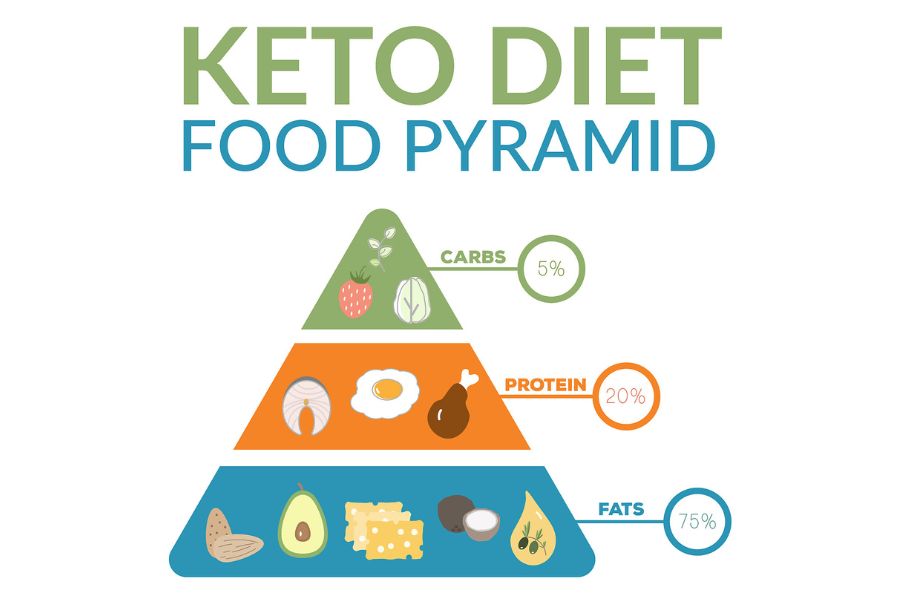
When you think about keto and cholesterol, you might picture plates of bacon and butter and worry about your heart. The truth is more nuanced. A ketogenic diet is very low in carbohydrates, high in fat, and moderate in protein. It usually looks like about 75% of calories from fat, 20% from protein, and 5% from carbohydrates, which shifts your body into ketosis so you burn fat for fuel instead of carbs (Penn Medicine).
This shift can create real benefits, such as weight loss, better insulin sensitivity, and higher HDL or “good” cholesterol. At the same time, keto can raise LDL or “bad” cholesterol in some people and affect other heart risk markers. Understanding both sides helps you use keto more safely and effectively.
How keto changes your cholesterol
Keto changes how your body handles fat and sugar, which shows up in your cholesterol panel. Research has found that in people with type 2 diabetes, ketogenic diets often:
- Lower total cholesterol and triglycerides
- Increase HDL cholesterol
- Have mixed effects on LDL cholesterol, with some studies showing decreases, no change, or increases (PMC)
One review found that ketogenic diets led to greater reductions in total cholesterol, LDL, and triglycerides, and increases in HDL compared with standard diabetes diets, along with significant weight loss over 12 weeks (PMC).
On the other hand, a 2022 randomized trial saw LDL cholesterol go up on keto while a Mediterranean-style diet brought LDL down, even though both improved triglycerides and HDL (PMC).
In other words, your cholesterol may improve in some ways on keto and worsen in others. That is why regular monitoring and smart food choices matter.
Weigh the benefits and risks
Potential benefits for your heart and metabolism
When you follow a well-formulated ketogenic diet with mostly healthy fats, you may see:
-
Better HDL cholesterol
Multiple studies show that keto increases HDL, which helps remove cholesterol from your arteries (PMC, Penn Medicine). -
Lower triglycerides
Meta-analyses report meaningful drops in triglycerides, such as reductions of about 0.72 mmol/L in some studies (PMC). -
Improved blood sugar and insulin sensitivity
Keto can enhance insulin sensitivity and may help reverse type 2 diabetes or improve blood sugar control in type 1 diabetes when carefully supervised (Penn Medicine). -
Anti-inflammatory and protective effects
Ketone bodies can reduce inflammation by inhibiting the NLRP3 inflammasome and decreasing pro-inflammatory cytokines. They also support mitochondrial function and protect against oxidative stress, which may improve blood vessel health and lower cardiovascular risk (PMC).
These benefits are some of the reasons people experience better energy, weight loss, and metabolic health on keto.
Risks and red flags to watch
Even with potential gains, keto is not risk-free, especially for your heart. Research points to several concerns:
-
LDL cholesterol spikes
Some people see dramatic rises. A 2023 case series reported an average LDL increase of 187 mg/dL after about 12 months on keto, which was a 245% jump, with LDL levels as high as 810 mg/dL in some patients (American Journal of Preventive Cardiology). -
“Lean mass hyper-responders”
A subset of lean, often athletic people can experience LDL increases greater than 200 mg/dL on keto. In this case series, some also had mutations in the LDL receptor gene, which may explain the extreme response (American Journal of Preventive Cardiology). -
Temporary LDL and triglyceride surges
Experts at Penn Medicine note that when you first start keto, LDL and triglycerides can rise for a short period. If they stabilize or improve over weeks to months, your long-term risk might not rise significantly, but this is something you should track closely (Penn Medicine). -
Arrhythmia and electrolyte issues
Low-carb diets can influence heart rhythm. One study found that people who got 44% or less of their calories from carbs had a higher risk of irregular heart rhythms, though it did not specifically study keto (Mass General Brigham). In ketosis, reduced insulin can cause electrolyte imbalances that may disrupt heart rhythm control (Mass General Brigham). -
Long-term carb restriction concerns
Very low carbohydrate intake for long periods might lead to insulin resistance when you reintroduce carbs, which can increase blood sugar and type 2 diabetes risk, both linked to worse heart outcomes (Mass General Brigham).
Because of these mixed effects, you will want to approach keto thoughtfully, especially if you already have heart disease or high cholesterol.
Choose heart healthier keto fats
One of the easiest ways to balance keto and cholesterol is to be choosy about your fat sources. Keto does not have to mean unlimited bacon and butter.
Focus on unsaturated and minimally processed fats
Build your meals around:
- Monounsaturated fats
- Olive oil, avocado oil
- Avocados
- Nuts like almonds, macadamias, pecans
- Polyunsaturated fats
- Fatty fish such as salmon, sardines, mackerel
- Walnuts, chia seeds, flaxseeds
- Whole-food animal fats in moderation
- Eggs
- Full-fat yogurt or cheese from quality sources
- Poultry with skin, some leaner cuts of meat
Penn Medicine experts specifically recommend choosing monounsaturated and polyunsaturated fats from eggs, fish, and nuts to lower the risk of atherosclerosis and coronary heart disease on keto (Penn Medicine).
Limit saturated and trans fats
You do not have to avoid saturated fat completely, but on keto it is easy to overshoot. Try to limit:
- Large amounts of processed red meats like bacon, sausage, and hot dogs
- Regular fast foods cooked in poor-quality oils
- Heavy use of butter, cream, and high-fat cheese at every meal
- Any foods with trans fats or “partially hydrogenated oils” on the label
High intakes of these fats can increase LDL levels and raise your risk of atherosclerosis and coronary heart disease, especially if you already have cardiovascular risk factors (Penn Medicine).
Think of your plate as mostly colorful non-starchy vegetables and high quality protein, drizzled or topped with healthy fats, instead of a mountain of meat with a pat of butter.
Build a cholesterol friendly keto plate
You can keep net carbs low and still protect your heart by how you structure your meals.
Simple meal framework for most days
Aim for this balance at each meal:
- Non-starchy vegetables: half of your plate
- Protein: one quarter of your plate
- Healthy fats: one quarter of your plate or used for cooking and dressing
Here is what that can look like in practice:
-
Breakfast
-
Scrambled eggs cooked in olive oil with spinach and tomatoes
-
Sliced avocado on the side
-
Optional: a small serving of full-fat, unsweetened Greek yogurt with chia seeds
-
Lunch
-
Large salad with mixed greens, cucumbers, peppers, and olives
-
Grilled salmon or tuna on top
-
Dressing made with olive oil and lemon juice
-
Dinner
-
Roasted non-starchy vegetables such as broccoli, cauliflower, or Brussels sprouts
-
Grilled chicken thighs or baked cod
-
Drizzle of avocado oil or a sprinkle of chopped nuts
-
Snacks
-
A handful of nuts
-
Celery or cucumber slices with guacamole
-
Cheese in small portions if you tolerate dairy
This approach gives you the benefits of ketosis while building in fiber, micronutrients, and healthier fat patterns that support better cholesterol.
Monitor how your body responds
Since research shows that people respond differently to keto, you will want to pay attention to your individual numbers and symptoms.
Work with your care team
Before you start keto, especially if you have heart disease, diabetes, high cholesterol, or a family history of early heart disease, talk with your:
- Primary care doctor or cardiologist
- Registered dietitian familiar with low-carb diets
- Endocrinologist if you have diabetes
They can help you decide if keto is appropriate and how strict your carb limit should be. Many heart health guidelines recommend that 45% to 60% of your calories come from carbohydrates, with an emphasis on whole foods high in soluble fiber to help lower cholesterol and manage blood sugar (Mass General Brigham). Keto is far more restrictive than that, so medical guidance matters.
Track lab work regularly
Plan to check your bloodwork at baseline and then after you have been on keto for a while. Ask about:
- Total cholesterol
- LDL cholesterol
- HDL cholesterol
- Triglycerides
- Fasting glucose and A1C
- Electrolytes (sodium, potassium, magnesium)
In the 2023 case series, people who stopped keto saw an average LDL drop of 174 mg/dL, or 220%, and statin therapy after stopping led to a 290% reduction in LDL in some patients (American Journal of Preventive Cardiology). This shows that keto-induced cholesterol changes can be reversible, and sometimes medication plus diet changes are needed.
Your provider can help you interpret your results and adjust your diet, or your medication, if needed.
Watch for warning signs and side effects
You might feel some common short-term effects when starting keto, often called the “keto flu.” These can include fatigue, headache, dizziness, or irritability. Most of these are related to fluid and electrolyte shifts and usually ease within a week or two.
Because of the possible heart-related issues noted in studies, keep an eye out for more serious symptoms, such as:
- New or worsening chest pain or tightness
- Palpitations, fluttering, or a racing heartbeat
- Unexplained shortness of breath
- Fainting or near-fainting spells
If you notice any of these, stop what you are doing and seek medical care right away. Electrolyte imbalances, arrhythmias, or severe cholesterol spikes are not things to troubleshoot on your own.
Adjust your carb strategy for the long term
Strict keto is not the only option. Over time, you may decide to loosen your carb intake to support better heart health while keeping some benefits of carb awareness and blood sugar control.
Consider a more moderate low carb approach
Options you might discuss with your healthcare team include:
-
Modified low carb
Increasing carbs slightly, for example to 50 to 100 grams per day, adding in more low glycemic fruits, legumes, or whole grains while monitoring blood sugar and lipids. -
Mediterranean-style low carb
Emphasizing vegetables, fish, olive oil, nuts, and limited whole grains. One study found that a Mediterranean-plus diet reduced LDL, from 111.5 mg/dL to 95.3 mg/dL, while a keto diet increased LDL in the same time frame (PMC). -
Cyclical or targeted keto
Staying low carb most of the time but eating a bit more carbohydrate around exercise or on occasional days, if this keeps your labs and energy in a better range.
If you do increase carbs, focus on whole foods that are naturally rich in fiber, such as vegetables, berries, and some minimally processed grains or legumes if you tolerate them and your blood sugar stays controlled.
Put it all together
You can use keto and cholesterol information to build a plan that supports both weight loss and long-term health. To recap, you will want to:
- Use keto as a tool, not a free pass to eat unlimited saturated fat
- Prioritize unsaturated fats from fish, nuts, seeds, avocado, and olive oil
- Keep plenty of non-starchy vegetables on your plate for fiber and nutrients
- Work closely with your healthcare team, especially if you have heart or metabolic conditions
- Check your cholesterol, triglycerides, blood sugar, and electrolytes regularly
- Stay alert to symptoms like palpitations or chest pain and seek care if they occur
- Be flexible and open to easing strict carb limits if your lab results or symptoms suggest that is safer for you
With these steps, you can explore ketogenic eating in a more balanced way, using it to support your weight and blood sugar goals while keeping your heart health firmly in view.
About the Author