Understand what keto constipation is
If you have recently started a low carb, high fat eating plan, you might notice a not‑so‑fun side effect: keto constipation. On the keto diet, you typically eat around 20 to 50 grams of carbs per day instead of the usual 225 to 325 grams recommended in general guidelines, which can make regular bowel movements harder to maintain (Healthline).
Constipation on keto is usually defined as:
- Three or fewer bowel movements per week
- Hard, lumpy stools that are difficult or painful to pass
- A feeling that you cannot fully empty your bowels
Many people experience this for a few days or weeks as their body adjusts to digesting much more fat and far fewer carbohydrates (Medical News Today). It is uncomfortable, but in many cases it is temporary and fixable with a few targeted changes.
Learn why keto can make you constipated
Several things come together to create keto constipation. When you know the main causes, it becomes easier to fix them.
You are suddenly eating far less fiber
Most traditional fiber sources are also high in carbs. When you cut these out quickly, your fiber intake can drop too low.
Common examples you may have reduced:
- Whole grains like oats, brown rice, and whole wheat bread
- Beans and lentils
- Most fruits
- Starchy vegetables like potatoes and corn
Fiber adds bulk and water to your stool. Without enough of it, stools move more slowly and become drier and harder, which is a familiar recipe for constipation (Medical News Today, Healthline).
Your digestive system is still adapting
Switching overnight from a higher carb pattern to a very low carb, high fat one is a big change for your gut. Your digestive enzymes and gut bacteria need time to adjust to the new balance of fat, protein, and fiber.
A quick transition can trigger:
- Constipation
- Nausea
- General stomach discomfort
A more gradual shift into keto tends to be easier on your digestion and can reduce these side effects (Medical News Today).
You might be dehydrated or low in electrolytes
When you lower carbs, your body stores less glycogen, which holds water. You may lose water quickly, especially in the first weeks. If you do not replace that fluid, your stools can become dry and slow moving.
Some experts who specialize in nutritional ketosis point out that constipation on a well‑formulated ketogenic diet often comes from too little sodium and fluids rather than fiber alone (Virta Health).
Your fat intake has jumped
On keto, fat usually makes up 70 to 80 percent of your calories (Everyday Health). That increase can feel like a shock to your system.
For some people, this shows up as constipation. For others, it may cause loose stools or diarrhea if the body cannot keep up with fat digestion. Either way, your gut is reacting to a major change in what you are feeding it.
Know how long keto constipation usually lasts
For many people, constipation shows up in the first days or weeks after starting keto. As your body adjusts, it often eases on its own.
Helpful time frames to keep in mind:
- Mild constipation that lasts a few days to a couple of weeks is common when you first start keto (Medical News Today, Healthline)
- If constipation lasts longer than about three weeks or is severe, it is a sign to talk with your doctor so you can avoid complications like fissures or hemorrhoids (Healthline)
You do not need to wait that long to act. You can start making gentle changes as soon as you notice things slowing down.
Add keto‑friendly fiber back in
You can stay in ketosis and still get enough fiber. The key is to choose low carb, high fiber foods and work them into your daily routine.
Focus on nonstarchy vegetables
Nonstarchy vegetables are your best fiber allies on keto. They add volume and nutrients while keeping your net carbs under control.
You might include:
- Leafy greens like spinach, kale, and romaine
- Broccoli, cauliflower, and Brussels sprouts
- Zucchini and yellow squash
- Cabbage, collard greens, and Swiss chard
- Artichokes and asparagus
Experts frequently recommend building meals around nonstarchy vegetables to help prevent keto constipation (Healthline, Everyday Health).
A simple habit: aim to see at least one generous serving of nonstarchy vegetables on your plate at lunch and dinner.
Use small portions of low carb fruits
You do not need to remove fruit entirely. A few options are relatively low in carbs and still provide fiber.
Examples you can work into your carb budget:
- Raspberries
- Blackberries
- Strawberries
Healthline notes berries like raspberries as helpful additions when you are trying to relieve keto constipation without overshooting your daily carb target (Healthline).
Include “fiber‑rich” fats
Some high fat foods also bring useful fiber:
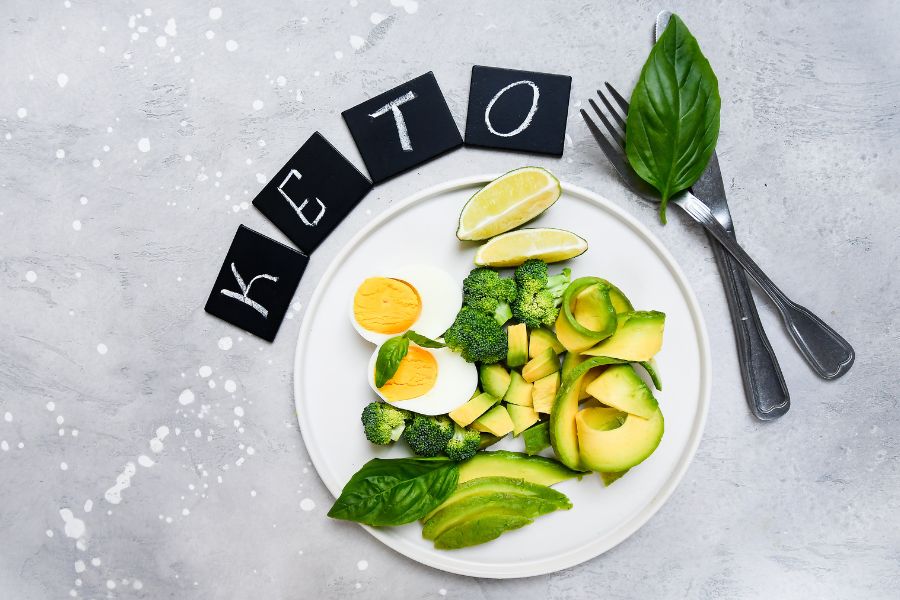
- Avocado
- Chia seeds
- Flax seeds
- Nuts like almonds and walnuts (in moderation)
Everyday Health highlights avocado and nuts as fiber‑containing fat sources that can support digestion on keto (Everyday Health).
You can sprinkle seeds on salads, add avocado to a meal, or enjoy a small handful of nuts as a snack.
Consider fiber supplements with care
If food changes are not enough, a fiber supplement might help, but you need to read labels carefully.
- Choose a product that is low in digestible carbohydrates
- Check for sugars or starches that could affect ketosis
- Talk with your doctor or dietitian before starting a supplement
Both Healthline and Medical News Today recommend using supplements or low carb laxatives only under medical guidance, because some products can interfere with ketosis (Healthline, Medical News Today).
Improve hydration and electrolytes
Staying hydrated and maintaining electrolytes is one of the easiest ways to feel better fast.
Drink more water throughout the day
Your fluid needs may increase once you lower carbs. To support smoother digestion:
- Sip water consistently instead of drinking large amounts at once
- Keep a water bottle nearby while you work or run errands
- Drink a glass of water with each meal and snack
When you are better hydrated, your colon has more fluid to draw into your stool, which can make it softer and easier to pass.
Add sodium strategically
According to Virta Health, too little sodium plus dehydration is a frequent trigger for constipation on keto (Virta Health). They suggest a simple fix:
- Add about 2 cups of broth or bouillon to your daily routine
- Choose a product that fits your overall health needs and sodium recommendations
This combination of more fluid and extra sodium can quickly improve how you feel if your constipation is partly from low electrolytes.
If you have high blood pressure or heart or kidney conditions, check with your doctor about how much sodium is safe for you before increasing it.
Transition into keto more gently
If you have not started keto yet, or you are restarting after a break, you can reduce the risk of constipation by easing into it.
Reduce carbs in stages
Medical News Today and Healthline both note that a slower transition gives your body more time to adapt and can limit digestive side effects like constipation and nausea (Medical News Today, Healthline).
A gentler approach might look like this:
- Start near the top of the keto carb range, around 50 grams of carbs per day.
- Maintain this level for a week or two while you build your meals around nonstarchy vegetables, healthy fats, and moderate protein.
- Gradually decrease carbs toward your long‑term target if you want to, checking in with your digestion as you go.
This way, your gut bacteria, enzymes, and fluid balance all have a chance to adjust.
Keep fiber in mind from day one
When you plan your new way of eating, decide where your fiber will come from before you cut out old sources. For example:
- Trade your usual side of potatoes for roasted Brussels sprouts or broccoli
- Replace sugary snacks with a small portion of berries and nuts
- Build large salads with leafy greens, avocado, and a protein source
Thinking about fiber early helps you avoid the “nothing is moving” phase later.
Try simple daily habits to keep things moving
Tiny, repeatable habits often matter more than big one‑time fixes. You can encourage more regular bowel movements with a few everyday changes.
Move your body, even a little
You do not need intense workouts to support digestion. Gentle movement helps your intestines move stool along.
You might:
- Go for a walk after meals
- Stretch for a few minutes in the morning and evening
- Stand and move around during long work sessions
Any activity that gets you out of your chair regularly can help.
Create a regular bathroom routine
Your body responds well to signals and consistency.
Helpful bathroom habits:
- Try to use the bathroom at the same general time each day, such as after breakfast
- Give yourself a few unhurried minutes instead of rushing
- Do not ignore the urge to go when you feel it
Over time, your body may “learn” that this is the time to move your bowels.
Support a healthy gut environment
Everyday Health notes that high fat diets can shift your gut microbiome, and researchers are still studying the long‑term effects of ketogenic eating patterns (Everyday Health). Some people also report that sustained nutritional ketosis improves gas, bloating, and certain irritable bowel symptoms (Virta Health).
Within your carb limits, you may find it helpful to include:
- Fermented vegetables like sauerkraut or kimchi
- Unsweetened yogurt or kefir that fits your personal carb allowance
- A variety of low carb vegetables rather than the same one every day
This variety can support a more resilient gut environment as your eating pattern changes.
Know when to seek medical help
Most keto constipation gets better with tweaks to fiber, fluids, electrolytes, and your transition pace. Still, it is important to know when you should bring in a professional.
Contact your doctor if:
- Constipation lasts more than about three weeks despite your efforts (Healthline)
- You have severe or worsening abdominal pain
- You see blood in your stool or on the toilet paper
- You alternate between constipation and diarrhea without a clear reason
- You have a history of digestive conditions and your symptoms change suddenly
Your doctor can rule out other causes, suggest appropriate treatments, and help you adjust your diet in a way that still supports your weight loss and health goals.
If you are considering over‑the‑counter laxatives or stool softeners, it is wise to talk with a healthcare professional first. Some products contain carbohydrates that may affect ketosis, and they may not be suitable if you have certain medical conditions (Healthline).
Put it all together
You can stay on track with your keto weight loss and still feel comfortable day to day. To manage or prevent keto constipation, keep these points in mind:
- Make nonstarchy vegetables the base of most meals
- Add small servings of low carb fruits like raspberries when they fit your carb goal
- Use fiber‑rich fats such as avocado, nuts, and seeds
- Drink water regularly and consider adding broth if you might be low on sodium
- Ease into lower carb levels instead of cutting them sharply overnight
- Move your body daily and keep a consistent bathroom routine
- Reach out to a doctor if constipation is severe, lasts more than a few weeks, or comes with other concerning symptoms
You do not need to overhaul everything at once. Start with one or two changes, such as adding an extra serving of vegetables and a daily cup of broth, and notice how your digestion responds. Then you can adjust from there while continuing to use keto to support your weight and health goals.
About the Author