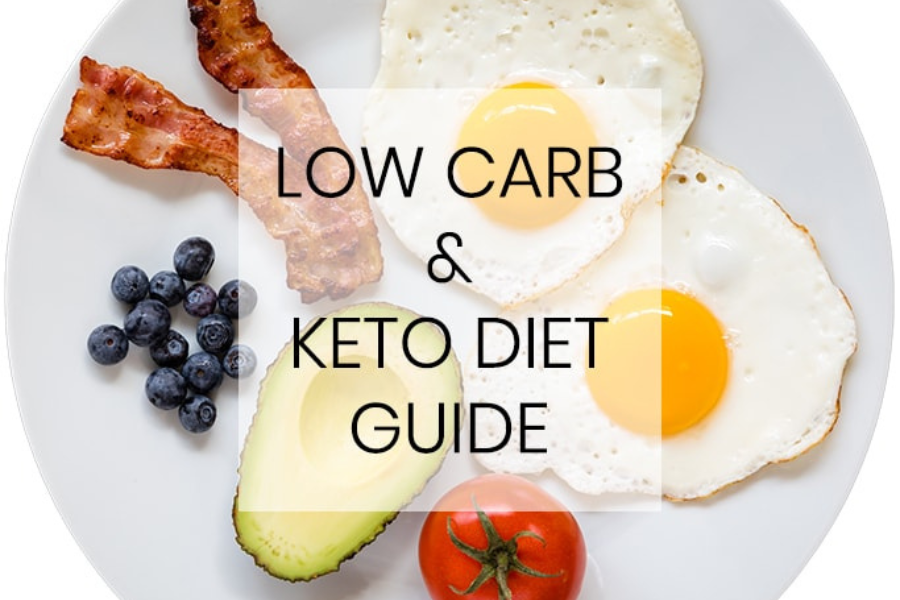
Understand keto vs low carb diet basics
If you are comparing a keto vs low carb diet, you are probably trying to lose weight, balance your blood sugar, or just feel better day to day. Both approaches focus on cutting back on carbohydrates, but they are not the same plan and they do not feel the same in everyday life.
At a glance:
- A low carb diet usually means about 50 to 150 grams of carbs per day, or roughly 10 to 30% of your daily calories from carbs. You eat more protein, healthy fats, and plenty of vegetables to stay full and naturally reduce overall calories (Healthline).
- A keto diet is a very low carb, high fat diet, usually under 50 grams of carbs per day and often closer to 20 to 30 grams. This shift is designed to push your body into ketosis, a state where you burn fat for fuel instead of carbs (Healthline).
You can think of low carb as “carb-conscious” and keto as “carb-restrictive.”
See how each diet is structured
When you look at keto vs low carb diet options, the big differences show up in the way your calories are divided among carbs, protein, and fat.
Low carb diet macros
On a typical low carb diet, your plate is still balanced, just lighter on starches and sugars. A common guideline looks like this (Nutrition News by Abbott):
- Carbs: about 10% to 25% of calories
- Protein: about 40% to 50% of calories
- Fat: about 30% to 40% of calories
For a 2,000 calorie diet, that usually means around 50 to 150 grams of carbs per day (Healthline).
What that feels like in real life:
- You cut back on bread, pasta, sugary snacks, and sweet drinks.
- You build meals around protein like chicken, fish, eggs, tofu, or Greek yogurt.
- You add healthy fats like avocado, olive oil, nuts, and seeds.
- You fill the rest of your plate with non starchy vegetables.
You are not aiming for ketosis, you are simply reducing carbs to help control appetite and overall calories.
Keto diet macros
On keto, the numbers shift more dramatically toward fat. A standard keto breakdown looks like this (Nutrition News by Abbott):
- Carbs: about 5% to 10% of calories
- Protein: about 15% to 30% of calories
- Fat: about 70% to 80% of calories or more
In practice, that means roughly 20 to 50 grams of carbs per day at most, and sometimes less than 20 grams (Healthline, Health.com).
The goal is to enter nutritional ketosis, where your body produces ketones and uses stored fat and dietary fat as its main fuel source instead of sugar. To stay in that state, carbs must stay very low and protein must be moderate, not high, because too much protein can interfere with ketosis (Healthline).
What that feels like in real life:
- You avoid most grains, starchy vegetables, most fruits, beans, and anything with added sugar.
- You rely heavily on high fat foods like oils, butter, full fat dairy, nuts, seeds, and fattier cuts of meat.
- You track carbs carefully to keep them under your set limit.
Compare what you can eat
Both diets push you to eat fewer refined carbs, but the actual food lists are not identical.
Foods you eat on both keto and low carb
On either plan, your staples often include (Health.com):
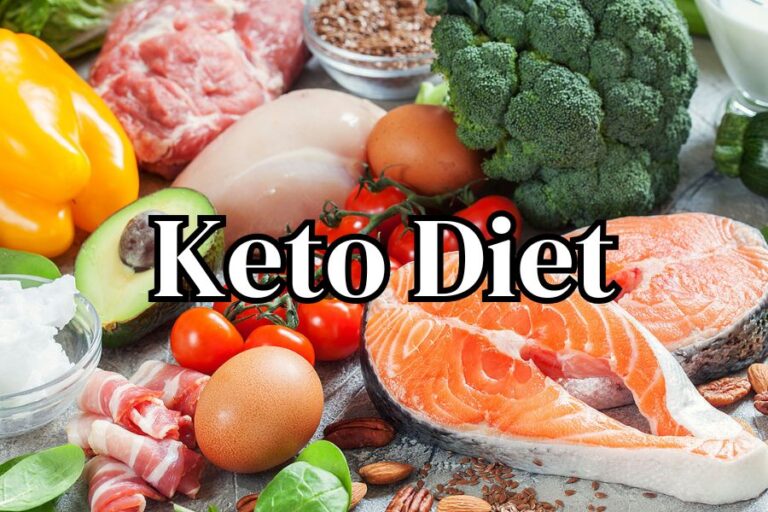
- Protein rich foods: chicken, turkey, beef, pork, fish, seafood, eggs, tofu, tempeh
- Non starchy vegetables: leafy greens, broccoli, cauliflower, zucchini, bell peppers, cucumbers, mushrooms, asparagus, green beans
- Healthy fats: olive oil, avocado oil, nuts, seeds, avocado
You limit or avoid:
- Sugary drinks and desserts
- White bread, pastries, most cereals
- Large portions of pasta and white rice
Extra flexibility on low carb
On a low carb diet, you have more room to include:
- Whole grains in moderate portions, such as oats, quinoa, or brown rice
- More fruit, especially berries and occasionally apples, oranges, or pears
- Legumes like lentils, chickpeas, and black beans
- Starchy vegetables in small to moderate servings, such as sweet potatoes or peas
This added variety can make it easier to meet your fiber and vitamin needs and stay on track long term (Nutrition News by Abbott).
Stricter rules on keto
On a keto diet, you usually need to avoid or tightly limit:
- Grains, even whole grains
- Beans and lentils
- Most fruits, aside from very small amounts of berries
- Starchy vegetables like potatoes, corn, and winter squash
Instead, you center meals around:
- High fat meats and fish
- Cheese and other full fat dairy if you tolerate them
- Oils, butter, nuts, and seeds
- Very low carb vegetables
This pattern makes it simpler to stay in ketosis, but it can feel restrictive.
Compare benefits for weight loss and health
If you are choosing between a keto vs low carb diet, you might be wondering which option will help you lose weight faster and improve your health markers. Research suggests both can work, but they do not always feel the same over time.
Weight loss and blood sugar
Studies show that both keto and low carb diets can support weight loss and help improve blood sugar control, especially in people with prediabetes or Type 2 diabetes.
In one study from Stanford Medicine, adults with Type 2 diabetes or prediabetes followed either:
- A ketogenic diet (20 to 50 grams of carbs per day)
- A Mediterranean style low carb diet, rich in vegetables, legumes, fruits, whole grains, olive oil, and fish
After 12 weeks:
- Both groups saw similar reductions in HbA1c, a measure of long term blood sugar control, 9% on keto and 7% on the Mediterranean diet.
- Weight loss was also similar, about 8% on keto and 7% on the Mediterranean diet (Stanford Medicine).
This suggests that eliminating added sugars and refined grains and focusing on whole foods can be more important than pushing carbs extremely low, at least for blood sugar and weight loss in the short term.
Cholesterol and nutrient balance
The same Stanford study found that the two approaches did not look equally good when it came to cholesterol and overall nutrient intake:
- The keto diet increased LDL cholesterol (often called “bad” cholesterol) and lowered intake of fiber, thiamin, and vitamins B6, C, D, and E.
- The Mediterranean low carb diet decreased LDL cholesterol and provided a more balanced intake of nutrients (Stanford Medicine).
Other research has also highlighted potential risks on strict keto, such as:
- Nutrient deficiencies
- Electrolyte imbalances
- Low blood sugar
- Digestive issues, especially if fiber is low (Health.com)
If you have existing health conditions or take medication, this is one reason to speak with a healthcare provider before starting keto or any restrictive plan (Healthline).
Sustainability and lifestyle fit
A key difference between keto and low carb rarely shows up on nutrition labels. It shows up in your day to day life.
Research and expert reviews suggest that low carb diets are generally easier to follow long term because they:
- Allow a wider variety of foods
- Offer a more moderate balance of protein, fat, and carbs
- Make social events and eating out simpler (Nutrition News by Abbott)
The ketogenic diet can be effective in the short term, and it can have specific therapeutic uses such as helping treat certain forms of epilepsy, but for many people it feels too restrictive to maintain. That can lead to poor adherence and a higher risk of side effects (Healthline).
In the Stanford study, participants themselves found the Mediterranean style low carb diet easier to stick with. Three months after the trial ended, most people were eating closer to that pattern and still maintaining improved blood sugar and weight outcomes, without strict carb limits (Stanford Medicine).
Weigh the pros and cons side by side
The table below can help you quickly compare keto vs low carb diet features.
| Feature | Low carb diet | Keto diet |
|---|---|---|
| Typical daily carbs | About 50 to 150 g, 10% to 30% of calories (Healthline) | Usually under 50 g, sometimes as low as 20 g, 5% to 10% of calories (Healthline, Health.com) |
| Main fuel source | Mix of carbs and fat | Mostly fat, via ketosis |
| Protein intake | Moderate to higher, about 40% to 50% of calories (Nutrition News by Abbott) | Moderate, about 15% to 30% of calories |
| Fat intake | Moderate, about 30% to 40% of calories | High, at least 70% to 80% of calories (Nutrition News by Abbott) |
| Food variety | Includes some whole grains, fruits, and legumes in moderation | Excludes most grains, legumes, fruits, and starchy veggies |
| Weight loss | Effective, often more sustainable long term (Healthline) | Often faster early weight loss if you stay in ketosis (Health.com) |
| Blood sugar control | Effective, especially when refined carbs and added sugars are removed | Effective, especially in short term trials |
| Potential downsides | If not planned well, can still be high in processed foods | Higher risk of nutrient gaps, LDL increase, digestive issues, and poor adherence for many people (Health.com, Stanford Medicine) |
| Best for | People who want flexibility and long term changes | People who can handle very low carbs and high fat, often with medical guidance |
Decide which plan fits you
There is no single “right” answer in the keto vs low carb diet debate. The best plan is the one that lines up with your health goals, preferences, and daily routine and that you can actually follow.
When a low carb diet may suit you better
You might prefer a low carb approach if you:
- Want to lose weight or improve health without cutting out entire food groups
- Enjoy fruit, beans, and occasional whole grains
- Like a higher protein intake to support muscle maintenance
- Want a plan that feels realistic during holidays, travel, and social events
- Care about long term sustainability more than short term intensity
Experts often view low carb as the more sustainable option for most people seeking weight loss or better health (Healthline, Nutrition News by Abbott).
When a keto diet might be worth considering
You might look at keto if you:
- Are comfortable eating a high fat diet day after day
- Are willing to track your carbs closely to stay under 20 to 50 grams
- Want a more aggressive approach to early weight loss and are prepared for close monitoring
- Have a specific medical reason to be in ketosis, and your healthcare provider recommends it
Even then, it helps to ask yourself how you will feel following keto for more than a few weeks. Transitioning into ketosis can take three to five weeks, and you may feel off as your body adapts. Careful meal planning, food tracking, and sometimes supplements like fiber or a multivitamin are often recommended to support you during this time (Nutrition News by Abbott).
Take practical next steps
Once you have an idea of where you lean in the keto vs low carb diet choice, you can start with a small, low stress experiment.
Step 1: Clarify your main goal
Ask yourself:
- Is your top priority weight loss, blood sugar control, energy, or overall health?
- Do you care more about fast early results or steady progress you can live with?
If your answer is “steady progress I can live with,” a low carb pattern that cuts out sugary drinks, refined grains, and ultra processed snacks is usually a safe place to start.
Step 2: Talk to a healthcare provider
Before starting keto or a significantly low carb diet, it is important to check in with a doctor or registered dietitian, especially if you:
- Have diabetes or prediabetes
- Take blood sugar or blood pressure medications
- Have kidney, liver, or heart conditions
- Are pregnant, breastfeeding, or planning a pregnancy
Professional guidance can help you choose the most appropriate carb range and avoid complications (Healthline).
Step 3: Start with one or two changes
Rather than rewriting your entire meal plan overnight, try:
- Swapping sweet drinks for water or unsweetened tea
- Replacing white bread or pasta with non starchy vegetables and protein
- Building your plate around protein and vegetables first, then adding a small serving of carbs if you are choosing low carb, or skipping the starch entirely if you are experimenting with keto
From there, you can gradually lower your daily carbs to your chosen target while paying attention to how you feel.
Key takeaways to remember
When you compare a keto vs low carb diet, it helps to keep these points in mind:
- Both diets restrict carbs, especially from sugar and refined grains, and both can support weight loss and better blood sugar.
- Low carb diets give you more flexibility with fruits, legumes, and some whole grains, which can improve nutrient intake and make the plan easier to maintain.
- Keto diets are more restrictive, rely heavily on fat, and aim for ketosis, which may lead to faster early weight loss but can be harder to follow and carry more potential side effects.
- For most people looking for sustainable weight loss and health improvements, experts often suggest that a well planned low carb approach is a better long term fit.
- Whatever route you choose, working with a healthcare provider helps you tailor your plan and stay safe.
You do not have to have everything figured out today. You can start with one change, see how your body responds, and use that feedback to choose the version of low carb or keto that supports your goals and your everyday life.
About the Author