Understand the keto basics
If you are exploring a keto diet for beginners, it helps to start with a clear picture of what you are actually doing and why. A ketogenic diet is a way of eating that is very low in carbohydrates, higher in fat, and moderate in protein. This mix encourages your body to enter ketosis, a metabolic state where you burn fat, not carbs, for energy.
On a standard keto diet, most of your daily calories come from fat, with only about 5 to 10 percent coming from carbohydrates, and the rest from protein (Cleveland Clinic). That usually means:
- Carbs: about 20 to 50 grams per day
- Protein: moderate, not “all you can eat”
- Fat: enough to feel comfortably full
When you keep carbs very low, your body runs out of glucose, its usual fuel, and starts breaking down stored fat into ketones for energy (Healthline). Many people find this helps them lose excess body fat without constant hunger (Diet Doctor).
Knowing this science is not just interesting. It also gives you a reason to stick with the diet on days when motivation dips. You are not simply “avoiding bread.” You are choosing foods that shift how your body uses energy.
Why people choose keto
You might be drawn to a keto diet for beginners for several reasons:
- Weight loss, especially around the midsection
- Better blood sugar control or lower insulin needs if you have type 2 diabetes or prediabetes (Healthline, WebMD)
- More stable energy and fewer sugar crashes
Many studies show that low carb and keto diets can lead to more weight loss than low fat diets for at least the first few months, and often with less hunger (Diet Doctor, Healthline).
Knowing your personal “why” will become a powerful tool to keep you motivated when the novelty wears off.
Set realistic goals from day one
Motivation fades quickly if you expect miracles overnight. Before you start your keto diet for beginners, spend a few minutes setting realistic goals that are specific and kind.
Focus on more than the scale
Weight can shift from water loss, hormones, and sodium intake. Instead of only tracking pounds, add a few other markers:
- How your clothes fit around your waist and hips
- Daily energy levels
- Sleep quality
- Cravings, especially for sugar and refined carbs
- Blood work or blood sugar results if your doctor is monitoring these
Research shows that keto often leads to early weight loss, but some of that is water as your body uses stored glycogen (Northwestern Medicine). Real fat loss continues at a more gradual pace. Expect that pattern so you do not get discouraged when the first-week drop slows.
Make your goals small and visible
Instead of “I will stay keto perfectly for three months,” try:
- “I will keep my net carbs under 30 grams today.”
- “I will prep tomorrow’s lunch before bed.”
- “I will walk for 15 minutes after dinner.”
Write these down or keep them in your phone. Checking off tiny wins gives you a sense of progress every day, which keeps motivation steady.
Organize your kitchen for success
Your environment has a big influence on your willpower. When you are starting a keto diet for beginners, a little organization makes it much easier to stay on track.
Clear out high carb temptations
If you can, donate or store away foods that do not fit your new plan such as:
- Sugary cereals and granola bars
- Bread, pasta, rice, and most crackers
- Candy, cookies, and sweetened drinks
- Starchy snacks like chips or pretzels
If you share a kitchen with others, try creating one shelf or drawer for your keto items so you are not staring at cookies every time you open the pantry.
Stock your keto staples
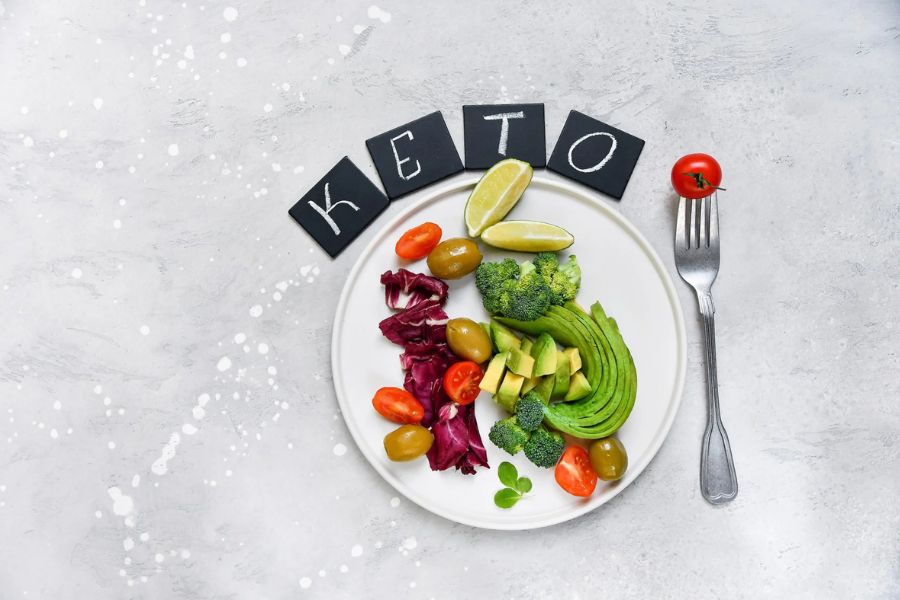
Based on common keto food lists, you can build meals around:
- Protein: eggs, chicken, turkey, beef, pork, seafood, tofu
- Healthy fats: olive oil, avocado, nuts, seeds, butter, ghee
- Dairy: cheese, cream, unsweetened Greek yogurt or cottage cheese in moderation (EatingWell)
- Low carb vegetables: spinach, kale, zucchini, peppers, broccoli, cauliflower, avocado, olives (Healthline)
A detailed beginner’s guide recommends keeping total carbs under about 20 to 50 grams a day and choosing whole foods as much as possible (Healthline, EatingWell).
Use simple meal planning
You do not have to create gourmet recipes. Whole Foods Market, for example, offers a 7-Day Keto-Friendly Meal Plan for two adults that focuses on repeatable, easy meals and snacks (Whole Foods Market). The key ideas you can borrow are:
- Cook in batches so you have leftovers for quick lunches
- Repeat simple breakfasts like omelet bites or keto yogurt bowls
- Prep vegetables and proteins ahead of time so you can assemble meals quickly
When you remove last-minute decisions, you remove a lot of chances to get off track.
Build a simple 7-day keto rhythm
You might feel more motivated if you treat your first week as a short experiment instead of a forever commitment. A 7-day structure keeps it manageable.
Repeat easy breakfasts
From the Whole Foods Market meal plan, you can see that keto breakfasts do not need to be complicated:
- Egg bites baked in a muffin tin
- Keto-friendly yogurt topped with a few raspberries and chia seeds
- Scrambled eggs with spinach and cheese
Repetition saves brain power. Pick one or two that fit your routine and stick with them during your first week.
Lean on leftovers for lunch and dinner
Batch cooking is one of the smartest ways to take stress off your new keto diet for beginners. For example, you can:
- Roast extra chicken breasts and slice them for salads
- Cook a larger portion of a roast or meatloaf and use it in different ways over a few days
- Make a big tray of roasted low carb vegetables to pair with any protein
The Whole Foods Market plan suggests cooking larger portions of a herbed roast or chicken and then reusing them to simplify the rest of the week (Whole Foods Market). The fewer decisions you face, the easier it is to stay motivated.
Keep keto snacks ready
Healthy snacks help you avoid grabbing something high in carbs when hunger appears. The Whole Foods Market plan includes ideas like:
- Celery, cucumber, or carrot sticks with a chipotle dip
- Parmesan crisps or pork rinds
- Fresh salsa with low carb dippers
- Keto-friendly protein bars, if they fit your carb target (Whole Foods Market)
Keep a few options with you at work or in your bag so you do not rely on vending machines or drive-throughs.
Expect and manage keto side effects
It is easier to stay motivated when you know what might show up in the first few days of keto and how to handle it.
What is “keto flu”?
As your body shifts from burning carbs to burning fat, you might feel under the weather. Many beginners report:
- Headache
- Fatigue or irritability
- Nausea
- Constipation or diarrhea
- Muscle cramps
These symptoms are often called the “keto flu” and usually last from a few days to about a week (Healthline, WebMD). They tend to fade once your body adjusts to ketosis.
Simple ways to ease the transition
To minimize side effects and protect your motivation:
- Hydrate well, especially in the first week
- Add electrolytes, for example a bit of salt in your water or broth, since you lose more sodium on low carb diets (Healthline)
- Consider easing in by moving from a typical diet to a lower carb intake first, then dropping to full keto after a few days
- Keep physical activity gentle until your energy returns
If you experience severe symptoms, or if you have conditions such as kidney disease, heart disease, or diabetes, talk to your healthcare provider right away. Experts note that keto is not ideal for everyone and can affect cholesterol and kidney health in some people (Northwestern Medicine).
Being prepared for a bumpy start means you are less likely to panic and quit on day three.
Use health benefits to stay inspired
Sometimes you need more than willpower. Reminding yourself of the potential benefits of a keto diet for beginners can keep you going when a craving hits.
Weight loss that goes beyond water
Studies show that people on ketogenic diets often lose more weight than those on low fat diets, especially in the first 3 to 6 months (Healthline, WebMD). While some initial loss is water, longer term changes can include:
- Lower waist size
- Reduced body fat
- Lower blood pressure and triglycerides in some cases (Healthline)
When you feel tempted to give up, think about how each meal is part of this bigger shift, not just a single “good” or “bad” choice.
Better blood sugar control
If you have type 2 diabetes or prediabetes, the potential benefits can be especially motivating. Research has found that keto and low carb diets:
- Improve insulin sensitivity, in some cases up to 75 percent in older studies (Healthline)
- Help some people reduce or even stop certain diabetes medications under medical supervision (WebMD)
Whenever you adjust medication or make major diet changes, work closely with your healthcare provider. Still, knowing that your meals can directly support your long-term health might make it easier to pass on the breadbasket tonight.
A realistic view of risks
Being honest about possible downsides actually helps your motivation because you know you are making an informed choice. Potential concerns mentioned by major medical sources include:
- Higher LDL cholesterol in some people due to saturated fat intake
- Limited intake of high fiber foods if fruits, legumes, and whole grains are overly restricted
- Constipation and digestive discomfort if you do not plan your vegetables and fluids carefully
- Difficulty sticking with such a restrictive pattern over the long term (EatingWell, Northwestern Medicine)
This is why regular check-ins with a healthcare provider or dietitian are recommended, especially if you have existing health conditions.
Make keto fit your real life
You are more likely to stay motivated if your keto diet fits your everyday routine rather than fighting it at every turn.
Plan for social events
Parties, dinners out, and holidays will still happen. Instead of avoiding them, you can:
- Look at the menu ahead of time and choose a protein plus low carb vegetables
- Eat a small keto-friendly snack before you go so you are not starving
- Focus on conversation or activities, not only the food table
Having a “default plan” keeps you from making frantic last-minute decisions when you are hungry and tired.
Keep meals simple on busy days
Whole Foods Market encourages beginners not to feel pressured to cook everything from scratch (Whole Foods Market). That advice matters for motivation. It is completely fine to rely on:
- Rotisserie chicken with a bagged salad
- Pre-cut vegetables with dip
- Frozen low carb vegetables and ready-to-cook proteins
Perfection is not the goal. Consistency is. Simple backup meals make it easier to stay with your plan even after a long day.
Track progress without obsessing
Paying attention to your progress keeps motivation alive. The trick is to measure what matters without turning it into a full-time job.
Choose a tracking style that suits you
You can keep it as basic or detailed as you like:
- Basic: take a weekly waist measurement and note energy and sleep in a notebook
- Moderate: log meals and estimate daily carbs, maybe using an app
- Detailed: track carbs, protein, and fat in grams, plus blood sugar or ketone levels if you and your healthcare provider decide that is useful
Most beginner guides suggest limiting carbs to 20 grams or fewer of net carbs per day to get into ketosis (Diet Doctor). You might not need every detail, but having a rough idea helps you understand what is working.
Celebrate non-scale victories
Some of the most motivating changes will not show on the scale, such as:
- Fewer afternoon crashes
- Less constant hunger
- Cravings that are easier to manage
- Better focus at work or school
When you notice one of these, write it down. On a tough day, a quick look back at your list can be surprisingly encouraging.
Know when to pause or adjust
Staying motivated does not mean pushing through at all costs. It also means knowing when to step back and make changes.
Watch for warning signs
Keto is a powerful tool, but it is not right for everyone. Check in with your body, and talk to a professional if you notice:
- Persistent fatigue, dizziness, or heart palpitations
- Significant mood changes
- Ongoing digestive problems
- Worrying changes in blood work, especially cholesterol or kidney markers (Northwestern Medicine)
Sometimes a more moderate low carb approach is a better fit for your health and lifestyle.
Give yourself permission to change course
You are allowed to adjust your plan. You can:
- Increase carbs slightly with whole foods like berries or extra non-starchy vegetables
- Shift to a less strict low carb pattern
- Take a guided break and restart with a fresh 7-day plan if that feels best
Motivation lasts longer when you see keto as one tool in your toolbox, not your only option.
Bring it all together
A keto diet for beginners does not have to be complicated to be effective. To stay motivated, you can:
- Understand how ketosis works so every low carb choice feels purposeful
- Set realistic goals and track small daily wins
- Organize your space and plan simple, repeatable meals and snacks
- Expect short-term side effects and know how to ease them
- Use potential health benefits as fuel when your willpower dips
- Make keto fit your real, busy life instead of the other way around
- Stay flexible and willing to adjust with guidance from a healthcare professional
You can start small today. Choose one meal to make lower in carbs, prep one snack for tomorrow, or clear one shelf for your keto foods. These steps might feel simple, but they quietly build the momentum you need to keep going.
About the Author