What the keto diet actually is
Before you can understand keto diet risks, it helps to be clear on what the ketogenic diet looks like in practice.
On a classic keto diet, you typically eat:
- Around 70 to 75% of your calories from fat
- About 15 to 20% from protein
- Only about 5 to 10% from carbohydrates
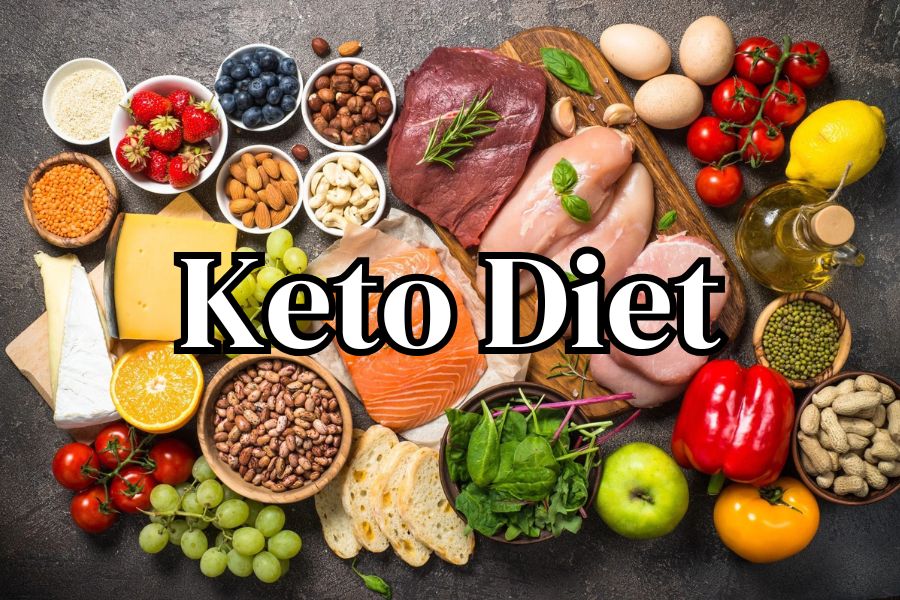
That means very little bread, grains, beans, fruit, or starchy vegetables. Instead, your plate is heavy on foods like butter, cream, oils, cheese, eggs, and fatty cuts of meat.
When you cut carbs this low, your body runs out of its usual fuel, glucose. After roughly 72 hours, you begin producing ketones from fat, a state called ketosis, as described by dietitians at the University of Chicago Medicine (University of Chicago Medicine).
Ketosis can lead to quick weight loss, which is why keto is so appealing. But that fast drop on the scale does not tell you what is happening inside your body over weeks and months.
Short term side effects you might notice
When you first start keto, you might feel anything but energized. Many people experience a period often called the “keto flu.”
Common early symptoms
According to ZOE and University of Chicago Medicine dietitians, early keto side effects can include:
- Headaches and brain fog
- Fatigue and low energy
- Muscle aches
- Upset stomach or nausea
- Dizziness or lightheadedness
- Mood swings or irritability
- Bad breath from acidic ketones
- Constipation from very low fiber intake (ZOE)
These symptoms often ease as your body adapts, but they are a sign that you are putting it under stress. Constipation, in particular, can linger if you are not getting enough fiber from vegetables, nuts, and seeds.
Blood sugar swings
In the short term, you might see lower blood sugar, which can look like a benefit. But especially if you use diabetes medication, you can be at risk of low blood sugar episodes. Experts at the University of Chicago Medicine note that people on diabetic medications sometimes need adjustments within days of starting keto to avoid dangerous drops (University of Chicago Medicine).
If you feel shaky, sweaty, or notice heart palpitations after meals, that can be a sign that your blood sugar is dipping too low.
Long term heart and cholesterol concerns
You might hear that keto improves heart health because it can lower triglycerides and promote weight loss. The picture is more complicated.
How keto affects your cholesterol
Several reviews have raised concerns that keto diets often:
- Lower triglycerides
- Raise LDL cholesterol, the “bad” cholesterol that contributes to clogged arteries
A review in Current Problems in Cardiology, summarized by Harvard Health Publishing, found that the keto diet does not meet standards for a heart healthy eating plan and may not be safe for people with heart disease (Harvard Health Publishing). The same review notes that while there can be a dramatic drop in fat mass and weight at first, there is little evidence of long term heart benefits.
The diet’s emphasis on foods rich in saturated fat, such as butter, cream, and fatty meats, can push LDL cholesterol higher, especially if you already have elevated levels or a family history of heart disease (Mass General Brigham).
Heart rhythm and early death risk
Two lines of research connect low carbohydrate eating patterns, including keto, to heart rhythm problems and earlier death:
- A 2019 study from the American College of Cardiology found that people whose carbs made up 44% or less of calories had a higher risk of irregular heart rhythms (Mass General Brigham).
- A 2018 meta analysis in Lancet Public Health linked low carbohydrate diets with increased risk of early death from heart and blood vessel disease (Mass General Brigham).
Electrolyte imbalances from carb restriction can also interfere with the electrical signals that control your heartbeat. If you notice skipped beats, racing heart, or unusual shortness of breath, that is a red flag to speak with a doctor.
Blood sugar, insulin, and diabetes risk
You might be considering keto to improve insulin resistance or type 2 diabetes. Short term, you may see better blood sugar readings. Long term, the story is less reassuring.
What happens to your pancreas
Research in mice from University of Utah Health gives some clues. In this long term study, mice on a ketogenic diet:
- Did not gain as much weight as mice on a high fat Western diet
- Developed serious metabolic complications
- Showed fatty liver disease, particularly male mice, and worse liver function
- Had low insulin and low blood sugar at rest, but when they were given carbohydrates, their blood sugar spiked to dangerous levels because they could not produce enough insulin in response (University of Utah Health)
Researchers tied this impaired blood sugar regulation to stress on the insulin producing cells in the pancreas due to chronic high fat intake.
While this study was in mice, it raises concerns about how a long term ketogenic pattern might affect your ability to handle carbs in the future. Mass General Brigham highlights a similar issue, noting that when you reintroduce carbohydrates after long term restriction, you may be at higher risk of insulin resistance and type 2 diabetes if you already have blood sugar issues (Mass General Brigham).
The good news is that in the mouse study, some blood sugar problems reversed when the ketogenic diet stopped, suggesting not all changes are permanent (University of Utah Health). But cycling in and out of strict keto may still put extra strain on your metabolism.
Kidney strain and potential damage
Your kidneys quietly filter waste from your blood all day. Keto can put extra stress on this system, especially if your version of the diet is high in animal protein.
How high protein keto affects your kidneys
A 2023 review of high protein ketogenic diets describes several kidney related concerns:
- Increased “hyperfiltration,” where your kidneys work harder than normal
- Protein in the urine (proteinuria), which is an early sign of kidney stress
- Higher risk of kidney stones
- Potential progression to chronic kidney disease over 6 to 12 years when protein intake stays high (NCBI PMC)
The same review notes that animal protein above about 1.5 grams per kilogram of ideal body weight increases:
- Acid load that the kidneys must clear
- Phosphate load
- Inflammation inside kidney tissue
Over time, this can damage kidney function.
Acute kidney injury case report
A 2023 case study described a 36 year old woman with no history of kidney disease who developed acute kidney injury after two months on a ketogenic diet and a weight loss of more than 30 pounds (NCBI PMC). While her condition improved, this example shows that keto related kidney problems are not only a theoretical risk.
If you already have kidney disease or even one kidney, experts recommend keeping protein under about 1.2 grams per kilogram per day and being cautious with high protein keto plans (NCBI PMC).
Watch for signs like swelling, changes in urination, or unexplained fatigue, and check in with your doctor before starting keto if you have any kidney history.
Liver stress and fatty liver risk
Your liver plays a central role in fat metabolism and ketone production, so it is not surprising that keto affects liver health.
In the University of Utah Health mouse study, animals on a ketogenic diet developed:
- Severe metabolic complications
- Significant fat buildup in the liver in male mice
- Worsened liver function tests in these male mice compared with controls (University of Utah Health)
Female mice did not develop the same degree of fatty liver, which suggests sex differences, but the overall pattern still points to possible liver vulnerability with long term keto, especially when it is high in saturated fat.
If you already have a history of fatty liver, alcohol use, or liver disease, this is a reason to be especially cautious and to speak with a healthcare provider before cutting carbs this aggressively.
Nutrient gaps and gut health
When you remove most carbohydrates, you cut out many plant based foods that carry essential nutrients and fiber.
What you might be missing
ZOE notes that a strict keto diet restricts:
- Whole grains
- Beans and lentils
- Most fruit
- Starchy vegetables like potatoes, corn, and squash
Over time, that pattern can leave you low on:
- Fiber
- Certain B vitamins
- Vitamin C and some antioxidants
- Minerals like potassium and magnesium (ZOE)
Fiber from plant foods is especially important for your gut microbiome. Without prebiotic fibers from grains, legumes, fruits, and vegetables, the diversity and balance of your gut bacteria can shift in ways that may increase long term risks for heart disease and metabolic problems (ZOE).
Medication interactions
The limited intake of fruits and vegetables can also interfere with certain medications. Harvard Health Publishing points out that keto can interact with:
- Warfarin, an anti clotting drug, due to altered vitamin K and plant intake
- SGLT 2 inhibitors, drugs used for diabetes and heart failure, when combined with very low carbohydrate intake (Harvard Health Publishing)
If you take these medications, do not start keto without a conversation with your doctor or pharmacist.
Who should avoid keto or be very cautious
Keto diet risks are not the same for everyone. For some groups, experts generally advise against the diet altogether.
High risk groups
Based on reviews from Forks Over Knives, ZOE, and medical centers, keto is considered particularly risky if you:
- Are pregnant or may become pregnant
- Are breastfeeding
- Have a history of kidney disease or kidney stones
- Have liver, pancreas, thyroid, or gallbladder problems
- Have osteoporosis or low bone density
- Live with irritable bowel syndrome (IBS) or chronic constipation
- Have a history of disordered eating or are underweight
- Have known heart disease or very high LDL cholesterol (Forks Over Knives, ZOE, University of Chicago Medicine)
For pregnancy in particular, a 2021 meta analysis reviewed by Forks Over Knives found that low carbohydrate diets are linked with:
- Higher risk of neural tube defects
- Increased risk of gestational diabetes, even with folic acid supplementation (Forks Over Knives)
If you fall into any of these categories, a more moderate, balanced approach to eating is likely safer than strict keto.
Mental health and social life considerations
Food is not just fuel. It shapes your routines, relationships, and overall quality of life. Keto can affect those areas too.
Disordered eating patterns
Because keto is highly restrictive and labels many everyday foods as off limits, it can:
- Encourage all or nothing thinking about food
- Make social situations involving food more stressful
- Increase the risk of disordered eating patterns in people who are vulnerable
University of Chicago Medicine experts note that keto can contribute to social isolation and disordered eating, especially when you feel you must avoid most restaurant meals, family gatherings, or celebrations to stay “on plan” (University of Chicago Medicine).
Sustainability and weight regain
Dietitians from both University of Chicago Medicine and ZOE emphasize that strict keto is hard to maintain long term. Many people:
- Lose weight quickly at first
- Find the rules too difficult or isolating over time
- Regain most or all of the weight when they go back to a more typical pattern, sometimes gaining more than they lost (University of Chicago Medicine, ZOE)
Some research also suggests that restrictive diets can lower your metabolic rate for years, which may contribute to weight regain after you stop dieting (ZOE).
If your main goal is lasting weight loss, a pattern you can comfortably maintain is more important than rapid early results.
How to reduce risks if you still want to try keto
If you decide to explore a ketogenic diet despite the potential risks, you can take steps to make it safer and more balanced.
Talk with a professional first
Before you start, especially if you have any medical conditions or take medications, check in with:
- Your primary care doctor
- A registered dietitian familiar with keto and cardiovascular health
They can:
- Run baseline labs for cholesterol, kidney function, and liver health
- Adjust medications, particularly for diabetes or blood pressure
- Help you design a plan that emphasizes healthier fats and adequate fiber
Focus on food quality, not just macros
Many of the reported keto diet risks are tied to high intakes of red and processed meat and saturated fats. Where you get your fat and protein matters:
Try to:
- Limit processed meats like bacon, sausage, and deli meats
- Cut back on heavy cream, butter, and cheese as your main fat sources
- Use more unsaturated fats like olive oil, avocado, nuts, and seeds
- Include non starchy, fiber rich vegetables at every meal
Forks Over Knives highlights that the negative side effects in many studies come from diets built around red and processed meats and saturated fats that are already linked with colon cancer, heart disease, Alzheimer’s disease, and more (Forks Over Knives).
Monitor your health along the way
If you are on keto, it is worth keeping an eye on:
- LDL cholesterol and triglycerides
- Kidney function markers (creatinine, eGFR)
- Liver enzymes
- Blood pressure
- Blood sugar responses, especially if you reintroduce carbohydrates
Let your healthcare provider know if you experience symptoms like persistent fatigue, swelling, chest discomfort, sudden weight gain or loss, or significant changes in urination or mood.
When keto might make sense, and when it does not
There is one area where ketogenic diets are well supported: stubborn, drug resistant epilepsy in children. In that setting, the benefits can outweigh the risks, and the diet is carefully supervised by a medical team.
For general weight loss or heart health, the picture is quite different. A 2021 review in Frontiers in Nutrition, summarized by Forks Over Knives, concluded that for most people, long term keto diets:
- Increase the risk of heart disease and LDL cholesterol buildup
- Raise risks of kidney failure, diabetes, and some cancers
- Are particularly dangerous for people who are or may become pregnant (Forks Over Knives)
Harvard Health Publishing echoes this, stating that the long term risks seem to outweigh the short term benefits for most adults who are not using keto as a medical therapy (Harvard Health Publishing).
If your goal is to lose weight and improve your health, you have other options that:
- Do not require extreme carb restriction
- Allow a wide variety of fruits, vegetables, whole grains, and legumes
- Are easier to maintain over years, not just weeks
Bringing it all together
Keto can look like a quick fix, especially if you have tried other approaches without success. Understanding keto diet risks helps you see the full picture before you commit.
You now know that:
- Short term benefits, like fast weight loss and lower blood sugar, often fade over time.
- Long term, keto can raise LDL cholesterol, strain your heart, kidneys, and liver, and increase the risk of nutrient deficiencies.
- Certain groups, including people with kidney disease, heart disease, or those who are pregnant, are at higher risk of serious side effects.
- Quality of fats and proteins, plus medical supervision, can make a big difference if you decide to try it anyway.
If you are still curious about keto, consider starting with a conversation, not a shopping list. Talk with your healthcare team about your goals, your health history, and whether a gentler, more sustainable way of eating could get you where you want to go with fewer trade offs.
About the Author