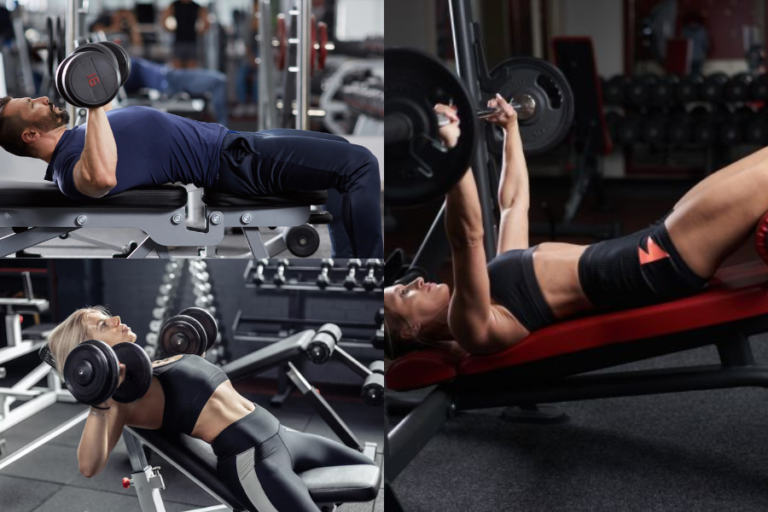
Understand your barbell shoulder workout
A barbell shoulder workout is one of the most efficient ways to build stronger, broader shoulders while also training your triceps, upper back, and core. Big compound lifts like the barbell overhead press and military press target all three heads of your deltoids and recruit stabilizing muscles in your traps, core, and upper back so you get more overall strength from every rep.
Because your shoulder is the most mobile joint in your body, it is also one of the most vulnerable. Using a barbell wisely can increase strength and stability around the shoulder joint and help protect the rotator cuff and glenohumeral joint from injury during everyday lifting tasks and sports. Strengthening these muscles has been highlighted as a key way to reduce shoulder injury risk in repetitive lifting tasks in research cited by Steel Supplements in 2021, which underscores how valuable smart shoulder work can be for your long term joint health.
Before you load the bar, it helps to understand what you are training and why.
Key muscles you work
During a barbell shoulder workout, you mainly train:
- Deltoids, front, side, and rear heads
- Trapezius, especially upper traps
- Triceps
- Upper back muscles like rhomboids and parts of the lats
- Core stabilizers, abs, obliques, lower back
Movements like the military press and overhead press also demand solid posture, which can carry over into reduced neck and back discomfort when your form is consistent.
Main barbell shoulder exercises
You will see many barbell shoulder variations. Some of the most common include:
- Barbell overhead press or military press
- Push press
- Seated barbell shoulder press
- Behind the neck press
- Barbell front raise
- Upright row
- High pull
- Clean and press
- Barbell shrug
- Landmine presses and face pulls
You do not need to use all of these to have a productive routine. You will get excellent results by mastering a few core moves with solid form and gradually adding weight over time.
Prepare before you press
Good shoulder training starts before your first working set. A short, focused warm up helps protect the joint and primes your muscles so heavy sets feel smoother.
Do a simple shoulder warm up
Aim for 5 to 10 minutes of movement before your barbell shoulder workout:
- 2 to 3 minutes of light cardio like brisk walking, cycling, or easy rowing
- Arm circles forward and backward
- Band pull aparts or light cable face pulls
- Scapular shrugs and controlled shoulder rolls
- A few slow, bodyweight or PVC pipe overhead presses
These moves wake up your rotator cuff, raise your body temperature, and remind your shoulders what a healthy pressing pattern feels like before you add load.
Choose your starting weight
If you are a beginner, err on the lighter side so you can focus on technique.
- For the barbell press, start with just the empty barbell if needed
- Many beginners do well with about 25 percent of their body weight for 2 to 3 sets of 8 to 12 reps once they can control the bar smoothly
- Increase weight only when you can press the current load for all planned reps without losing form
If you have a previous shoulder or back injury, consider starting with dumbbells or bodyweight pressing variations, and get medical or coaching guidance before you push heavier barbell work.
Set up your barbell and stance
A good setup makes your barbell shoulder workout safer and more effective. Take a minute to dial in your rack height, grip, and stance before you press.
Rack and bar position
For standing overhead or military presses:
- Set the bar in a squat rack or power rack at about upper chest height.
- Walk up so your chest is close to the bar.
- Grip the bar, then dip slightly and stand up to lift it out of the rack.
- Step back just enough to clear the rack, keep your feet planted and stable.
The bar should rest roughly at the top of your chest or at shoulder height with your elbows slightly in front of the bar, not flared way out to the sides.
Find the right grip width
Your grip affects your pressing power and shoulder comfort.
- Place your hands just outside shoulder width
- Keep wrists straight or only slightly extended
- Position the bar low in your hands across the heel of your palm, not up in your fingers
A grip that is too wide can stress your shoulders. Too narrow can overload your wrists and elbows and make the bar path wobbly. Slightly outside shoulder width is usually a good starting point and is often recommended to keep a consistent bar path and reduce wrist extension problems.
Stand in a strong base
For standing barbell shoulders presses:
- Place your feet about shoulder width apart
- Distribute weight evenly across your whole foot, heel, big toe, and little toe
- Squeeze your glutes and quads lightly to create a solid base
This stance helps you avoid leaning back and turning the press into a risky, low back heavy movement.
Master the barbell overhead press
The barbell overhead press is a foundation of any barbell shoulder workout. It is a strict press, so you do not use your legs to help. That makes it a clear test of upper body pushing strength.
Here is how to perform it step by step.
Step 1: Brace your core
Before the bar leaves your shoulders:
- Take a deep breath into your belly, not just your chest
- Tighten your abs as if you are about to be lightly punched
- Keep your ribs stacked over your pelvis, avoid flaring them up and out
This bracing protects your lower back and lets you transfer force efficiently from your body into the bar.
Step 2: Start the press
From the rack position at your upper chest:
- Move your head slightly back so the bar has a clear path.
- Press the bar straight upward in a vertical line.
- Keep your elbows under or just in front of the bar, do not let them flare wide.
Think about pushing yourself down into the ground as you push the bar up so your whole body stays tight.
Step 3: Pass your head through
As the bar moves past your forehead:
- Bring your head forward under the bar
- Finish with the bar directly above the middle of your foot when you look from the side
- Your biceps should be roughly in line with or just behind your ears at lockout
This position stacks the weight over your joints so your muscles are supported by your skeleton rather than relying solely on muscular tension.
Step 4: Lock out with control
At the top:
- Fully extend your elbows without aggressively hyperextending them
- Maintain tight glutes and core so you are not arching your lower back
- Hold for a brief pause to own the position
Avoid cutting the movement short by stopping before your arms are straight. A full lockout gives you more shoulder stability and full range of motion benefits.
Step 5: Lower the bar safely
To return the bar to your shoulders:
- Move your head slightly back again to make room.
- Lower the bar along the same straight path it traveled upward.
- Control the descent instead of letting the bar drop or crash quickly.
Once the bar reaches your upper chest in the start position, reset your breath and brace for the next rep.
Use the military press correctly
The military press is often used interchangeably with the overhead press. When most people say “military press,” they mean a strict barbell press from a standing position with your feet close together, which demands even more core stability and balance.
In practice, you can think of your military press as a slightly stricter, more upright version of the overhead press:
- Keep your feet together or only a few inches apart
- Squeeze your glutes hard and keep your torso tall
- Press straight up without leaning back or using your legs
Beginners should learn the movement with just the bar so you can maintain balance and form. Once you feel stable and can keep the bar path straight, you can gradually add load.
If your gym does not have a straight barbell, an EZ bar can work as a substitute, as long as you keep the same pressing motion and shoulder-friendly wrist position.
Add effective barbell shoulder variations
Once you have a solid strict overhead or military press, you can add variations to target the shoulders from more angles and build power.
Push press
The push press looks like a strict press, but you use a small dip and drive from your legs to help move heavier weights overhead.
- Start with the bar at your shoulders in your pressing stance
- Dip a few inches by bending your knees and hips
- Drive up powerfully through your legs and transfer that power into the bar
- Finish by locking out overhead
This variation recruits more of your lower body and lets you train explosive power and heavy lockouts while still challenging your delts, triceps, and upper back.
Seated barbell shoulder press
If standing presses strain your lower back or if you want to isolate your shoulders more:
- Set up a bench with back support
- Keep your feet planted and your back lightly against the pad
- Press from shoulder level to overhead without using leg drive
Seated pressing reduces lower body involvement, which can help you focus on shoulder mechanics and control.
Barbell front raise
The barbell front raise targets the front delts.
- Stand tall holding a barbell at your thighs with straight arms
- Raise the bar in front of you to roughly shoulder height
- Pause briefly then lower with control
Use lighter weight for this isolation move, since it puts a lot of direct work on the front of the shoulder.
Upright row and high pull
Both movements emphasize the traps and side delts.
- Upright row, pull the bar up your torso to about mid chest, leading with your elbows
- High pull, use more hip drive and pull the bar explosively to upper chest or neck height
Keep the bar close to your body and avoid jerking your shoulders or yanking the bar with poor control. If upright rows feel uncomfortable on your shoulders, reduce range of motion or replace them with another pulling variation.
Avoid common form mistakes
Even small technique errors can add up over time, especially on a joint as mobile as the shoulder. Watch yourself in the mirror, record occasional sets, or ask a coach to check for these frequent mistakes.
Incomplete lockout
Stopping short at the top:
- Limits strength and stability gains
- Reduces the range of motion your shoulders can handle under load
Think “press and finish” on each rep so your elbows lock out in a comfortable, controlled position.
Excessive back arching
If you lean back or arch your lower back during your barbell shoulder workout, you are probably:
- Not bracing your core enough
- Using too much weight
- Turning the press into a standing incline chest press
Prioritize core bracing and reduce the load until you can press without your pelvis tilting forward or your ribs flaring up.
Arcing the bar path
Pushing the bar forward or in a big curved path:
- Wastes energy
- Increases stress on your shoulders
- Makes you more likely to lose balance
Focus on a straight bar path. Move your head slightly back as the bar passes, then forward again under the bar at lockout. Video feedback can help you see whether the bar is traveling vertically.
Unintentional push press
Bending your knees or dipping your hips during a strict press turns it into a push press even if you do not mean to.
- For strict presses, keep your legs locked and glutes tight
- If you catch yourself dipping, lower the weight and focus on control
Saving leg drive for dedicated push press sets keeps your training more intentional.
Train safely and progress smartly
Your shoulders will thank you for being patient and consistent instead of rushing into heavy loads.
Follow basic safety guidelines
During any barbell shoulder workout:
- Warm up with light weights and dynamic shoulder movements
- Stop immediately if you feel sharp or unusual pain, especially deep in the joint
- Consult a medical professional if you have a history of shoulder injuries
- Do not ignore persistent discomfort that shows up every session
If you have ongoing pain during barbell pressing, consider switching to dumbbell presses or machine variations while you address the underlying issue.
Plan your sets and reps
For most people who are building size and general strength:
- Beginners: 2 to 3 sets of 8 to 12 reps with light to moderate weight
- Intermediate lifters: 3 to 4 sets of 6 to 10 reps for main presses, and 8 to 15 reps for accessory moves like front raises or upright rows
As you get stronger and more confident, you can introduce heavier sets of 4 to 6 reps for strength and keep a portion of your work in the moderate rep range for muscle growth.
Balance your shoulder training
To keep your shoulders healthy long term, train all three head of your deltoids and your upper back, not just the muscles you see in the mirror.
Include a mix of:
- Pressing, overhead presses, push presses, seated presses
- Raising, front raises or landmine presses
- Pulling, upright rows, high pulls, shrugs, rows and face pulls with other equipment
Balanced work around the joint supports your rotator cuff and can improve shoulder mobility, which is especially important for sports that involve throwing or frequent overhead movements.
Put it all together
If you want a simple framework for your barbell shoulder workout, you can structure it like this:
- Warm up
- 5 to 10 minutes of light cardio and shoulder prep
- Main press
- 3 sets of barbell overhead or military press, 6 to 10 reps
- Power or volume press
- 2 to 3 sets of push press or seated press, 6 to 10 reps
- Accessories
- 2 sets of front raises, 10 to 15 reps
- 2 sets of upright rows or high pulls, 8 to 12 reps
- Cooldown
- Light shoulder stretching and easy band work
You can adjust exercises, sets, and reps based on your experience, available equipment, and how your shoulders feel from week to week. The key is to move well first, then gradually challenge yourself with a bit more weight, volume, or precision over time.
If you approach your barbell shoulder workout with that mindset, you can build stronger, more resilient shoulders that support both everyday life and heavier training in the future.
About the Author