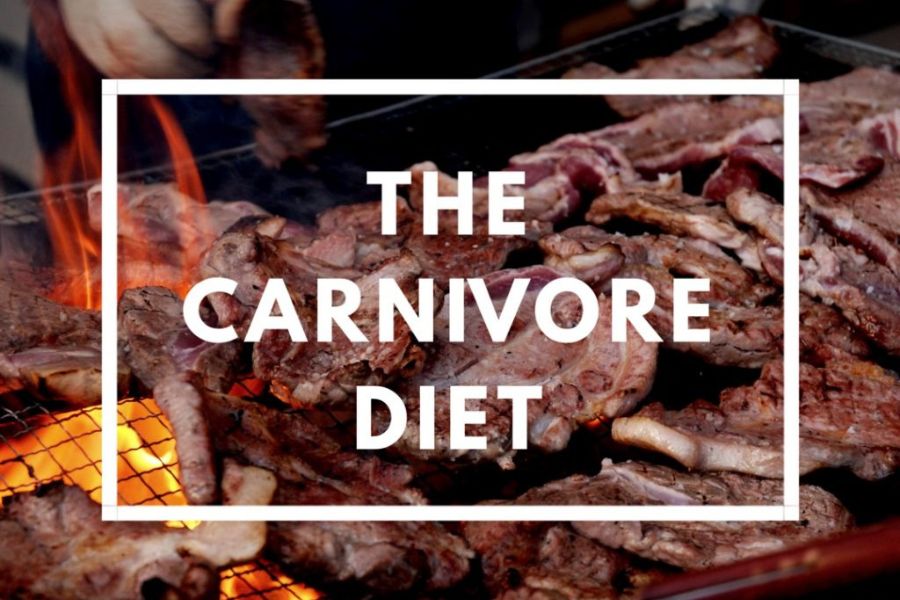
A plate full of steak, bacon, and eggs sounds like the opposite of a health plan. Yet you are probably seeing more people talk about the benefits of the carnivore diet for weight loss, energy, and inflammation. Before you load your cart with ribeye, it helps to understand what this way of eating actually does in your body, where it might help you feel stronger, and where it can backfire.
You will see plenty of bold success stories online. The science is still catching up, and much of the evidence is anecdotal. Your best approach is to look at both the potential benefits and the real risks, then decide if any part of the carnivore diet makes sense for you, ideally with your healthcare provider in the loop.
What the carnivore diet actually is
On a classic carnivore diet, you eat only animal products. That usually means:
- Beef, pork, lamb, and other red meat
- Poultry like chicken and turkey
- Fish and seafood
- Eggs
- Animal fats such as tallow or lard
- Sometimes small amounts of dairy like cheese or butter
You cut out fruits, vegetables, grains, legumes, nuts, seeds, and all added sugars and processed carbs. In practice, you are eating almost zero carbohydrates and getting nearly all your calories from protein and fat. This makes the carnivore diet an extreme version of keto, since it virtually eliminates all carbohydrates rather than just reducing them below about 50 grams per day (University Hospitals).
Supporters often say this way of eating is closer to how your ancestors ate and that modern problems like obesity, diabetes, and autoimmune issues come from processed carbs and plant compounds. While that is an oversimplified story, it does explain why some people feel better when they switch away from a highly processed, high sugar diet.
How the carnivore diet may help you lose weight
If you are considering carnivore for weight loss, you are not alone. Many people are drawn to this diet because the rules are simple and the early results can be dramatic.
Fewer carbs and more fat burning
Any very low carb diet pushes your body to burn more fat for fuel. The carnivore diet is considered the most ketogenic way of eating, since you are essentially removing carbs altogether instead of just cutting them down (Baylor Scott & White). With little glucose coming in, your body shifts toward using stored fat and dietary fat as energy.
Some dietitians note that initial weight loss on carnivore is often a mix of water loss and fat loss. You store water along with carbohydrates, so when those carbs disappear, the scale drops quickly. Over time, continued fat loss depends on whether you are still eating fewer calories than your body uses each day.
High protein and feeling full
The carnivore diet is naturally high in protein. Protein is the most filling macronutrient, so you may find that a steak and eggs breakfast holds you longer than cereal and fruit ever did.
According to the British Heart Foundation, the potential weight loss benefit of carnivore seems to come less from magical ketosis and more from a combination of high protein, which boosts satiety, and the removal of many high calorie processed foods and sugary drinks (British Heart Foundation). When you feel full on fewer meals and snacks, it is easier to stay in a calorie deficit without constantly thinking about food.
Cutting out processed foods by default
Simply by following carnivore rules, you automatically remove:
- Sodas and sugary drinks
- Candy, cookies, pastries, and desserts
- Chips, crackers, and most packaged snacks
- Many fast foods that rely on buns, breading, or tortillas
This is one of the clearest benefits of the carnivore diet. Baylor Scott & White notes that eliminating highly processed carbs that are packed with added sugar and calories can improve your diet quality, at least in the short term (Baylor Scott & White).
If your current diet is heavy on these foods, you might feel noticeably better just from dropping them, regardless of whether you go fully carnivore.
Possible benefits for inflammation and pain
Many people try carnivore not because of weight but because they are desperate for relief from joint pain, digestive issues, or autoimmune flare ups.
Removing common inflammatory triggers
The modern Western diet is full of ingredients that can aggravate your system, especially if you are sensitive to them. The carnivore diet removes a long list of possible triggers, including sugar, refined flour, seed oils, and many processed foods.
Camarata Chiropractic explains that carnivore can also remove gut irritants like certain fibers, lectins, and oxalates, which some people with IBS, autoimmune conditions, or food sensitivities find hard to tolerate (Camarata Chiropractic). When you stop eating those foods, you may see calmer digestion and less overall inflammation.
CarnivoreSnax points out that animal based diets tend to be rich in omega 3 fats from fish and grass fed meats, along with nutrients like vitamin B12 and iron that support recovery and overall health (CarnivoreSnax). One study highlighted there found that inflammatory markers dropped more on a low carb diet than on a low fat diet, which suggests that reducing carbs, in general, may play a role in cooling inflammation.
Anecdotal improvements in symptoms
Plenty of people who follow carnivore say their joint pain, skin problems, brain fog, or digestive symptoms improve. Some report fewer autoimmune flare ups and more stable energy across the day (Camarata Chiropractic).
The British Heart Foundation also cites a survey of more than 2,000 carnivore followers where 95 percent reported better overall health and 69 percent reported improvements in at least one chronic condition like high blood pressure or abnormal blood sugar (British Heart Foundation). However, the survey relied on self reports and did not verify changes with medical tests, so you should view those numbers as interesting but limited.
A useful way to think about these reports is that you might benefit less because meat is magic and more because you stopped eating foods that were bothering your body.
Blood sugar, cravings, and energy
If you wrestle with energy crashes or intense carb cravings, the near zero carb structure of carnivore can feel like a relief at first.
More stable blood sugar
When you eat mostly protein and fat, you avoid the sharp blood sugar spikes that come from highly refined carbs. This can help your blood sugar stay steadier, at least in the short term. The British Heart Foundation notes that eating protein and fats tends to lead to smaller blood sugar rises compared to carbohydrate heavy meals (British Heart Foundation).
Camarata Chiropractic also highlights that by cutting out sugar and refined carbs, you reduce insulin spikes and metabolic stress, which may be especially helpful if you have insulin resistance, metabolic syndrome, or chronic fatigue (Camarata Chiropractic).
Fewer cravings and clearer routine
With carnivore, food choices are simple. You do not wonder whether you should have bread, pasta, or dessert. You either eat an animal-based food or you do not. This binary rule set can quiet constant food decisions and reduce the mental tug of snacks and sweets.
If you have a long history of emotional eating or late night snacking on sugary foods, this black and white structure can feel empowering in the short term. Over time, though, some people find that such rigid rules make social eating harder and set them up for swings between strict carnivore and all out carb binges.
Mental health and brain function
One of the more controversial claims about the benefits of the carnivore diet is its effect on your mood and mental health.
Psychology Today reported on the Boulder Carnivore Conference, where clinicians and individuals shared cases of serious, chronic psychiatric symptoms improving or even resolving on an all meat diet (Psychology Today). According to that coverage, carnivore style diets can cause rapid shifts in brain and body chemistry, which may help correct some imbalances in certain people.
There are a few possible reasons you might feel mentally clearer on this type of diet:
- You are removing foods that provoke immune reactions or gut irritation, and your gut and brain are closely linked
- You are stabilizing blood sugar, which often reduces energy crashes and mood swings
- You are eating more nutrient dense foods like eggs, red meat, and fish, which supply B vitamins, iron, and fatty acids that your brain needs
However, these mental health reports are still largely based on individual stories, not large controlled trials. If you take psychiatric medications or other prescriptions, Psychology Today emphasizes that you should work closely with your doctor, because the metabolic shift on a carnivore diet can alter how your body processes medications in the first weeks and months (Psychology Today).
The serious downsides you need to weigh
So far, most of the potential benefits of the carnivore diet are short term. When you zoom out, the long term picture becomes more concerning.
Missing nutrients from whole food groups
To follow carnivore strictly, you remove:
- Fruits
- Vegetables
- Whole grains
- Legumes
- Nuts and seeds
These foods supply fiber, vitamin C, folate, potassium, magnesium, and a wide range of plant compounds that support your heart, gut, and immune system. Experts at the Cleveland Clinic and St. Vincent’s Medical Center warn that a diet that excludes entire food groups can lead to nutrient deficiencies and other health complications over time (Cleveland Clinic, St. Vincent’s Medical Center).
You may be able to offset some gaps with supplements, but supplements do not perfectly replace the benefits of whole plant foods.
Heart health, cholesterol, and colon cancer risk
A no carb diet that is heavy in red meat and processed meat may raise your LDL cholesterol and increase your risk of heart disease and certain cancers. St. Vincent’s Medical Center notes that a strict all meat approach can increase inflammation, stress your kidneys, and raise your risk of colon cancer due to both the lack of fiber and the high intake of red and processed meats (St. Vincent’s Medical Center).
The British Heart Foundation adds that while omega 3 rich fish and some grass fed meats may combat inflammation, that benefit can be cancelled out by frequent consumption of processed meats and large amounts of red meat, which are tied to higher inflammation and cardiovascular risk (British Heart Foundation).
Digestive problems and lack of fiber
Fiber is crucial for healthy digestion, hormone balance, and a thriving gut microbiome. On a pure carnivore diet, you are getting almost none. That can mean constipation, uncomfortable bowel movements, and changes in your gut bacteria over time. Some people report that their digestion improves on carnivore, especially if they had IBS like symptoms triggered by certain plant fibers, but for many others, the long term lack of fiber becomes a real issue.
Sustainability and lifestyle fit
Many healthcare providers point out that even if you see benefits of the carnivore diet at first, it is extremely hard to stick with it for months or years. University Hospitals and Baylor Scott & White both describe carnivore as difficult to sustain because it is so restrictive and eliminates many foods that are part of social events, cultural traditions, and convenient eating (University Hospitals, Baylor Scott & White).
When a diet is this all or nothing, you may find yourself cycling between extremes, which can be stressful and discouraging.
How to decide if carnivore is right for you
You might be wondering how to use all this information for your own health and weight loss goals. The key is to separate useful ideas from rigid rules.
Questions to ask yourself first
Before trying a strict carnivore approach, ask:
- What am I hoping to change: weight, pain, digestion, mental clarity, or all of the above?
- Have I already tried less restrictive changes, like cutting out ultra processed foods and added sugar?
- Do I have medical conditions, especially heart disease, kidney problems, diabetes, or a history of eating disorders, that could make this risky?
- Could I start with a short, supervised trial rather than jumping into a long term commitment?
Because the research on long term carnivore dieting is limited, experts at University Hospitals and St. Vincent’s Medical Center recommend talking with a healthcare professional before starting, particularly if you have chronic conditions or take regular medications (University Hospitals, St. Vincent’s Medical Center).
Borrowing the helpful parts without going all in
You do not have to be 100 percent carnivore to benefit from some of its principles. You might choose to:
- Dramatically reduce sugary drinks, desserts, and processed snacks
- Center your meals around quality protein like fish, eggs, or lean meat
- Experiment with eliminating specific plant foods that you suspect trigger symptoms, then reintroduce them slowly
- Build your plate using something like the MyPlate method recommended by St. Vincent’s, where half your plate is vegetables and the rest is a balance of protein and healthy carbs (St. Vincent’s Medical Center)
This way, you keep many of the benefits of the carnivore diet, such as better blood sugar control and fewer ultra processed foods, while still getting the fiber and nutrients that come from a variety of plant foods.
In practice, many people feel stronger not from an all or nothing plan, but from consistently eating fewer ultra processed foods and more simple, nutrient dense meals they can maintain.
Putting it all together
The potential benefits of the carnivore diet include quick weight loss, fewer cravings, more stable blood sugar, and sometimes improvements in pain, digestion, or mental health. These positives seem to come mostly from cutting out refined carbs, processed foods, and personal trigger foods, as well as from eating more protein and certain nutrient rich animal products.
At the same time, you need to weigh those short term gains against real concerns, including nutrient deficiencies, higher long term risks for heart disease and colon cancer, digestive issues from lack of fiber, and the challenge of maintaining such a restrictive way of eating.
If you decide to explore carnivore, look at it as one possible tool rather than a lifelong identity. Work with your healthcare provider, track how you feel, and give yourself permission to adjust. Your goal is not to follow a perfect rulebook. Your goal is to build an eating pattern that helps you feel stronger, more energetic, and healthier in a way you can actually live with.
About the Author