Understand how intermittent fasting affects muscle
If you want to build muscle intermittent fasting can seem confusing. You might like the idea of a tidy eating window and better fat loss, but worry about losing strength, size, or energy. The good news is that you can combine intermittent fasting (IF) with muscle building if you understand what is going on in your body and plan your training and nutrition around it.
Intermittent fasting changes when you eat, not necessarily what you eat. That timing affects two key processes:
- Muscle protein synthesis (MPS), which builds and repairs muscle
- Muscle protein breakdown (MPB), which increases during long fasts
Research suggests that MPS is maximally stimulated when you eat about 0.25 to 0.3 grams of protein per kilogram of body weight in a meal and then give your body around 3 to 5 hours before the next protein dose (Frontiers in Nutrition). When you go much longer without food, MPB rises because insulin is low and your body looks for other fuel sources.
That is why some very strict fasting patterns with very few meals can be less than ideal for muscle maintenance or growth, especially if you are in a calorie deficit (Frontiers in Nutrition).
So IF is not magic for muscle gain, but it is not a muscle destroyer either. It is a tool. How you use it determines whether you preserve or build muscle, or feel tired and flat in the gym.
Pick the right fasting schedule for muscle
Not all intermittent fasting approaches are equal when your goal is to build or maintain muscle.
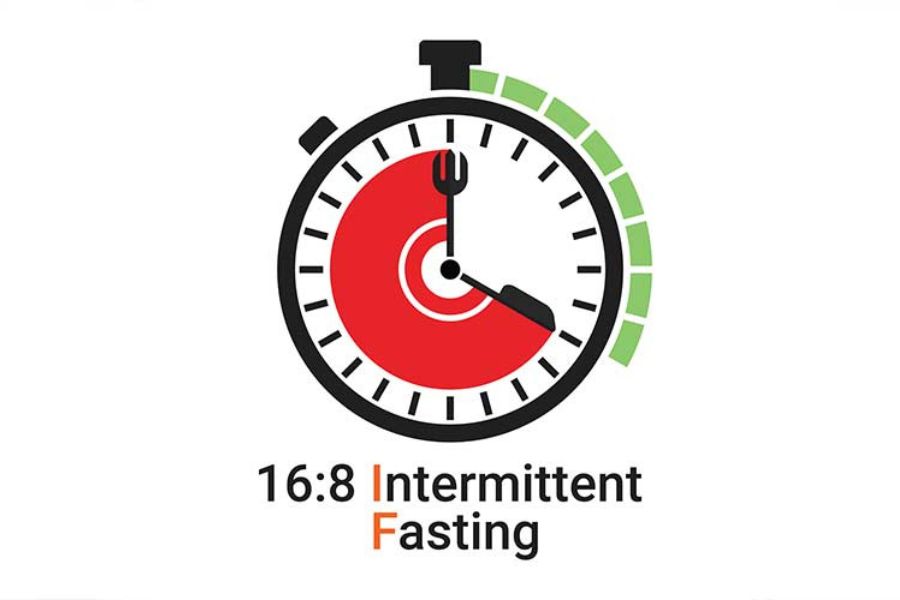
Why the 16:8 schedule works best
For most people who want to build muscle intermittent fasting on a 16:8 schedule strikes the best balance. You fast for 16 hours and eat within an 8 hour window. That might look like:
- 12 p.m. to 8 p.m.
- 10:30 a.m. to 6:30 p.m.
- 1 p.m. to 9 p.m.
This gives you enough time to eat several protein-rich meals, which is key for muscle growth. Both a 2024 overview from Simple.life and guidance from Protein Chefs highlight 16:8 as a practical option for muscle gain, because it allows you to consistently hit calorie and protein targets without feeling rushed at every meal (Simple.life, Protein Chefs).
More extreme setups, like one meal a day, can make it hard to eat enough calories and to spread protein out. That pattern is less friendly to your muscle.
When more restrictive fasting can backfire
Protocols with very long fasts and tiny feeding windows can:
- Make it difficult to hit total calories and protein
- Limit you to one or two meals so you miss multiple MPS “spikes”
- Increase muscle protein breakdown for longer stretches, especially when you are dieting (Frontiers in Nutrition)
If your primary goal is maximum muscle gain, these stricter approaches are usually not worth the trade-off. A moderate fasting window offers most of the health and weight loss benefits with less risk to muscle and energy.
Set realistic goals: muscle gain vs fat loss
You can build muscle intermittent fasting, but the context matters. IF works especially well for:
- Fat loss with muscle maintenance
- Small gains in muscle while leaning out
PureGym notes that building significant new muscle usually requires a consistent calorie surplus, which is harder to manage inside a tight eating window (PureGym). At the same time, a systematic review of IF combined with resistance training found that lean body mass was generally maintained and five out of eight studies also showed fat loss (Versa Gripps).
That means IF is often ideal if you want to:
- Lose fat
- Keep or slightly increase muscle
- Stay within a manageable routine
If you are chasing maximum size as fast as possible, a more traditional eating pattern might be easier. You can still use IF seasons strategically, for example when you want to cut without sacrificing the work you already put in.
Time your workouts around your fasting window
Your training schedule and your eating window should work together, not compete. There are two main approaches if you want to build muscle intermittent fasting without losing energy.
Option 1: Train near the start of your eating window
For most people who care about performance and muscle gain, this is the simplest plan:
- Start your workout 30 to 90 minutes before your eating window opens
- Break your fast soon after you finish training
- Eat two or three more protein-rich meals within the window
This option:
- Gives you energy soon after training
- Makes it easier to eat enough calories and protein
- Supports better workout performance, which is crucial for muscle growth
PureGym points out that training during your eating window tends to support better strength and hypertrophy because you are less likely to be drained and unable to push heavy loads or high volume (PureGym).
Option 2: Train fully fasted, then eat
If you prefer morning workouts or feel better on an empty stomach, fasted training can still work, especially for:
- Short, heavy lifting sessions
- Sprint or high intensity interval training (HIIT)
Prospect Medical notes that exercising while intermittent fasting can help optimize hormones like growth hormone and improve insulin sensitivity, which supports staying lean and strong (Prospect Medical). Fasted sprint training in particular is linked with better strength, stamina and growth hormone responses, as well as improved body composition (Prospect Medical).
If you go this route:
- Expect a short adjustment period where performance might dip while your body learns to use more fat as fuel (Prospect Medical)
- Break your fast soon after heavy lifting or long endurance sessions to support recovery. Prospect Medical suggests that waiting 2 to 3 hours before eating can be useful mainly after shorter, less glycogen-demanding workouts. After heavier training, refueling sooner is a better idea (Prospect Medical)
A practical rule of thumb: if your workout is light and short, you can wait a bit longer to eat. If it is heavy or long, plan food within about an hour.
Fasted vs fed training for muscle growth
You may hear that fasted workouts unlock special growth hormone advantages. Current evidence suggests that for pure muscle growth, there is little difference between training fasted or fed when calories and protein are matched (Simple.life).
So your priority is very simple: choose the option where you feel strongest, most focused and most consistent.
Eat enough protein and calories inside the window
If you want to build muscle intermittent fasting, your nutrition during the eating window must carry more weight. You have fewer meals to get everything in, so each one has to count.
Daily protein targets for intermittent fasting
Several sources converge on similar protein goals:
- Around 1.6 grams per kilogram of body weight per day as a solid minimum for muscle support on IF (Frontiers in Nutrition)
- About 0.6 to 0.9 grams per pound of body weight daily according to Simple.life, especially if your main goal is muscle gain (Simple.life)
For a 170 pound (77 kilogram) person, that works out to roughly 100 to 150 grams of protein per day.
A large meta-analysis summarized by Versa Gripps also concludes that higher and evenly spaced protein intake supports better hypertrophy outcomes for lifters (Versa Gripps).
Spread protein across 2 to 4 meals
Within your 8 hour window, aim for:
- 2 to 4 protein focused meals, spaced about 3 to 5 hours apart
- Around 0.25 to 0.3 grams per kilogram per meal, which for many people is 20 to 40 grams of protein per meal (Frontiers in Nutrition)
This pattern takes advantage of the MPS “spikes” without wasting protein in one giant serving that your muscles can no longer fully use in that moment.
Do not forget about calories
If you are in a big calorie deficit, your body will have a harder time adding new muscle regardless of your fasting schedule. IF can make it easier to accidentally under eat, especially if you get full quickly.
When your goal is to build or at least maintain muscle:
- Aim for maintenance calories or a small surplus for growth
- Or, if you are cutting fat, keep the deficit modest rather than extreme
PureGym notes that building muscle in a calorie deficit is harder, and the limited eating window can make it even more difficult to pack in enough energy and protein (PureGym).
If you notice your lifts stalling, your energy tanking, and your weight dropping very fast, you might simply be under eating.
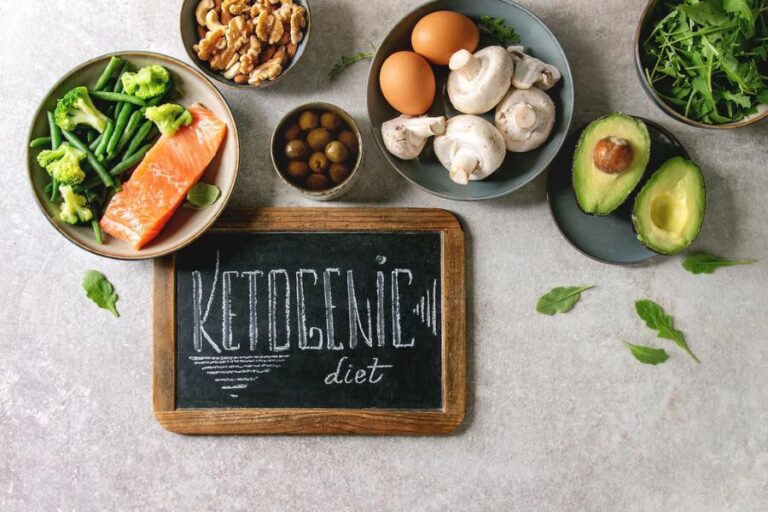
Choose nutrient dense foods
Protein Chefs recommends building your meals around:
- Proteins: eggs, fish, lean meats, dairy, legumes, tofu, protein shakes
- Carbs: whole grains like oats, quinoa, barley, plus fruit and starchy vegetables
- Fats: nuts, seeds, olive oil, avocado and fatty fish (Protein Chefs)
This mix provides the amino acids, glycogen and healthy fats your muscles and hormones need, especially when your eating window is compressed.
Structure your meals around your workouts
You do not need a complex meal plan to build muscle intermittent fasting. You just need a repeatable structure that hits your numbers.
Here is a simple example for a 16:8 schedule with a noon to 8 p.m. eating window and an early afternoon workout.
Sample day for muscle and energy
-
11:30 a.m.
Light pre workout snack if needed, like a banana or small yogurt. Optional if you like training on an empty stomach. -
12:30 p.m. to 1:30 p.m.
Workout. Focus on heavy compound lifts or progressive overload in your main movements. -
1:45 p.m.
First main meal: -
30 to 40 grams of protein, for example chicken, tofu, or a shake plus food
-
Whole food carbohydrates like rice, potatoes, or whole grain bread
-
Some healthy fats and vegetables
-
5 p.m.
Second meal: -
25 to 35 grams of protein
-
Carbs for energy and glycogen
-
Colorful vegetables or fruit
-
7:30 p.m.
Third meal or snack: -
20 to 30 grams of protein
-
A bit of carbohydrate or healthy fat
-
Focus on something easy to digest before bed, such as Greek yogurt with berries and nuts
Adjust portion sizes to match your calorie needs, but keep the basic idea: several meals, each with a solid block of protein, spread through your eating window.
Train smart: what your workouts should look like
You cannot build muscle intermittent fasting without consistent, progressive resistance training. Fasting does not replace lifting. It simply shapes the timing around your lifts.
Focus on progressive overload
The research that looks at IF and weight training usually involves:
- 3 to 4 resistance training sessions per week
- A focus on progressively increasing load, volume or both (Versa Gripps)
In these setups, studies repeatedly show that lean mass is maintained and fat mass often decreases, especially when protein intake is adequate (Versa Gripps).
Build your program around:
- Squats or leg presses
- Deadlifts or hip hinges
- Bench presses or push ups
- Rows and pull ups
- Overhead presses
Then add accessory work for arms, shoulders, calves or core as needed.
Blend in moderate cardio, not endless sessions
To protect your muscle:
- Keep cardio at 2 to 3 moderate sessions per week
- Choose activities that support your lifting, like brisk walking, cycling, light jogging or intervals
Simple.life recommends this mix to maintain lean mass while improving aerobic fitness that can help your weight training performance (Simple.life).
Long, frequent endurance sessions combined with a tight eating window and a calorie deficit can make muscle maintenance harder.
Support recovery so your energy stays high
Fasting changes how you fuel, so recovery outside the gym becomes even more important. Lack of sleep, low hydration, and poor refueling will show up quickly as low energy and stalled progress.
Prioritize sleep and stress management
Chronic sleep debt and high stress push your body toward muscle breakdown and lower training performance. Aim for:
- 7 to 9 hours of sleep per night
- Simple wind down habits, like dimming lights and limiting screens before bed
- Light movement and deep breathing on off days to keep stress manageable
Hydrate during the fast
Energy dips during IF are often dehydration plus low electrolytes, not just lack of food. To stay sharp:
- Drink water regularly throughout the day, including during your fasting window
- Consider calorie free drinks like herbal tea or black coffee if they suit you
If you train hard while fasting and sweat a lot, you may benefit from adding electrolytes that do not break your fast. Just be mindful of ingredients and calories.
Use supplements strategically during your eating window
Versa Gripps highlights several supplements that can support adaptation when you combine intermittent fasting with weight training (Versa Gripps):
- Protein shakes to help you hit your daily target when appetite is low
- Creatine monohydrate for strength, power and muscle support
- Essential amino acids during the eating window if you struggle to get enough high quality protein from food
You do not have to take any supplement to succeed, but these can make life easier inside a limited eating window.
Watch for signs your plan needs adjusting
When you build muscle intermittent fasting, your body will tell you when something is off. Pay attention to patterns, not one off days.
Possible warning signs:
- You feel consistently weak or lightheaded during workouts
- Your lifts are dropping week after week
- You are losing weight very quickly without intending to
- You are always sore and never feel recovered
- Your sleep is getting worse
If you notice several of these together, try:
- Shifting your workout closer to your eating window
- Increasing calories slightly, especially around training
- Raising your daily protein intake
- Reducing cardio volume for a while
- Reconsidering whether your fasting window is too strict for your current goals
On the other hand, if you are maintaining or slowly increasing strength, feeling reasonably energized, and noticing fat loss or better muscle definition, your IF setup is likely working.
Put it all together
You can build muscle intermittent fasting without losing energy, as long as you treat IF as a structure, not a shortcut. To recap the essentials:
- Choose a moderate fasting pattern like 16:8 that allows 2 to 4 protein rich meals
- Aim for 0.6 to 0.9 grams of protein per pound of body weight daily, spread across your meals (Simple.life)
- Time your workouts near your eating window, or refuel soon after heavy fasted sessions
- Lift 3 to 4 times per week, focus on progressive overload, and keep cardio moderate
- Support recovery with sleep, hydration and, if helpful, simple supplements used during your eating window
You do not need to abandon intermittent fasting to gain or protect muscle. You just need a plan that respects how your body builds and maintains it. Start with one or two changes from this guide, notice how your energy and performance respond, and adjust from there until your fasting schedule and your training feel like they are working on the same team.
About the Author