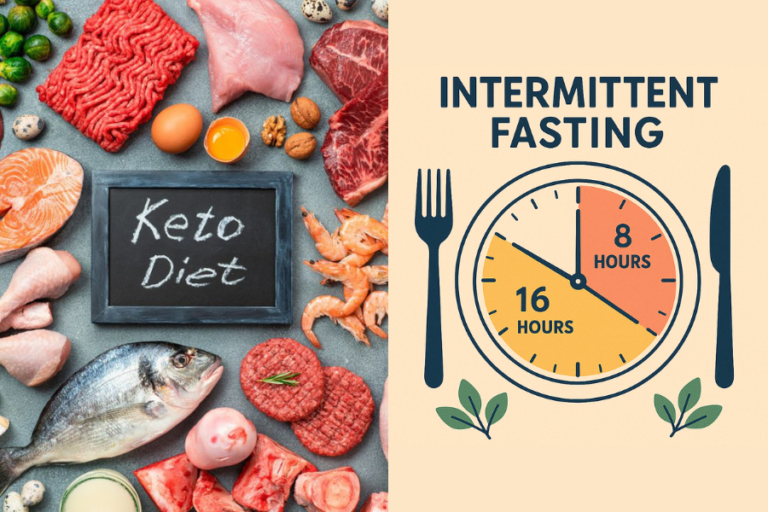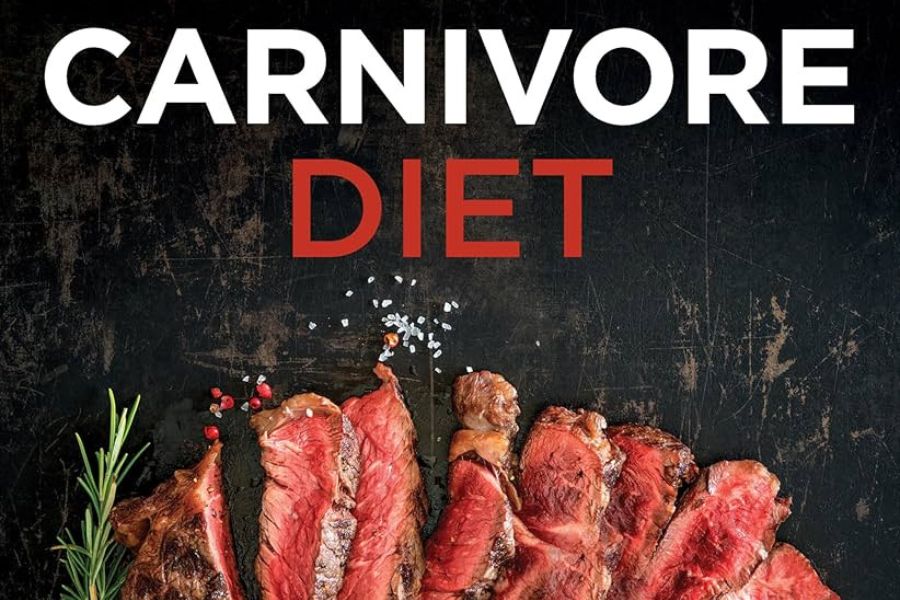
A carnivore diet is about as simple as eating plans get. You focus on animal foods like beef, chicken, fish, and eggs, and you cut out all plant foods, including fruits, vegetables, grains, legumes, nuts, and seeds. In other words, it is a zero carb, animal only approach to eating, sometimes called the most ketogenic diet because your body runs almost entirely on fat and ketones instead of carbohydrates (Harvard Health Publishing).
That simplicity is part of the appeal. You might be wondering if eating this way could actually help you lose weight, steady your energy, or improve nagging health issues. Below, you will learn what the carnivore diet looks like in practice, what potential benefits people report, and what serious risks experts want you to consider before you decide whether it fits your life.
Understand what the carnivore diet really is
The carnivore diet strips your menu down to animal products only. That typically means meat, poultry, fish, seafood, eggs, and some dairy if you tolerate it well.
Nutrition experts describe it as:
- An extreme form of low carb eating
- Higher in fat and protein, and very low in carbohydrates
- Focused on meat, fish, eggs, and animal products like butter and cheese
- Completely free of plant foods, including vegetables, fruit, grains, legumes, nuts, and seeds (Cleveland Clinic, Healthline, Inspira Health Network)
There are no official portion rules or calorie targets. Instead, you generally eat until you are full. The idea is that very low carb intake keeps insulin low and encourages your body to burn stored fat for energy, a state known as ketosis (Harvard Health Publishing).
Look at why the carnivore diet is so controversial
On one side, you will find people who say a carnivore diet changed their life, from dramatic weight loss to fewer joint aches and better focus. On the other side, you have dietitians and physicians who strongly advise against it.
Health organizations raise several core concerns:
- You remove entire food groups that supply essential vitamins, minerals, and fiber
- You eat large amounts of saturated fat and cholesterol
- You rely heavily on red and processed meat, which observational research links to higher rates of heart disease and some cancers (British Heart Foundation)
Registered dietitians at Cleveland Clinic and Baylor Scott & White Health state that the carnivore diet is not considered safe or healthy as a long term strategy, and that a varied diet with fruits, vegetables, whole grains, and lean protein is a safer path for most people (Cleveland Clinic, Baylor Scott & White Health).
At the same time, formal scientific research on carnivore eating is limited. Most “success stories” come from self selected surveys and anecdotes without lab tests or medical follow up (Center for Nutrition Studies). That means you are weighing personal stories against incomplete long term data.
Explore potential benefits people look for
Even with the concerns, many people are drawn to the carnivore diet because they feel stuck with their weight, energy level, or digestion. Here are some of the reasons you might be considering it, along with what current evidence does and does not support.
Weight loss and appetite control
One of the main carnivore diet benefits you may hear about is fat loss. Several things could play a role:
- You remove sugary foods, refined carbs, and most processed snacks
- You eat mostly protein and fat, which tend to keep you full for longer
- You may naturally eat fewer calories because you feel satisfied sooner
High protein, low carb diets in general can support short term weight loss, partly by increasing satiety and metabolic rate (Healthline). In surveys of people following carnivore style eating for 9 to 20 months, many reported a lower body mass index and less reliance on diabetes medications, although these were self reports without medical verification (WebMD).
It is important to note that you do not need to remove every carbohydrate to lose weight. Cutting out calorie dense processed foods and balancing your plate can also create a calorie deficit without going to extremes (Healthline).
Simple food choices and fewer cravings
If you feel overwhelmed by food rules, calorie apps, and conflicting advice, you might appreciate how straightforward carnivore eating is. There is no debate about which vegetables are best or how many grams of carbs to allow at lunch. You just eat from a short list of animal foods.
Some people find that this simplicity:
- Reduces decision fatigue about what to eat
- Cuts down on grazing and “just one bite” moments
- Decreases cravings for sweets after an adjustment period
By eliminating ultra processed foods and sugar, you avoid a lot of the blood sugar spikes that can feed cravings. You may notice a steadier appetite throughout the day.
Steadier energy and mental clarity
Many carnivore followers talk about clearer thinking and fewer afternoon energy crashes. Since the diet is almost entirely fat and protein, your body is not dealing with the rapid blood sugar swings that can follow high carb meals.
In general, very low carb, high fat diets can:
- Promote more even blood sugar levels
- Reduce large insulin spikes
- Encourage your brain to use ketones, which some people experience as a “cleaner” fuel
Proponents claim this can lead to improved mental clarity and more stable energy across the day (Saint Alphonsus, Inspira Health Network). However, controlled studies specifically on the carnivore diet and cognition are not available yet, so you would be relying on personal experimentation rather than solid data.
Possible improvements in blood sugar and inflammation
Some small surveys suggest that people with type 2 diabetes who switch to a carnivore style diet may use less medication or see improved blood sugar control over several months. In a 2019 survey of more than 2,000 carnivore eaters, participants reported better diabetes markers, but again, this was not confirmed with lab tests and did not track those who stopped the diet because of problems (WebMD).
Advocates also say they see reductions in joint pain, skin irritation, or digestive discomfort. These changes could come from:
- Removing refined sugar and ultra processed foods
- Avoiding potential food sensitivities like gluten or certain plant compounds
- Losing excess weight, which can ease pressure on joints
At this point, these anti inflammatory claims remain largely anecdotal. Experts emphasize that there are no controlled studies proving that a carnivore diet is better for inflammation than other balanced, whole food eating patterns (Healthline, Cleveland Clinic).
Weigh serious health risks before you commit
While the potential benefits might feel compelling, nutrition researchers highlight several real risks you need to keep in mind, especially if you are considering carnivore eating beyond a brief experiment.
Higher risk for heart and circulatory problems
A carnivore diet is naturally high in saturated fat and cholesterol because it is built entirely on animal products. Major health organizations caution that this pattern can:
- Raise LDL, or “bad,” cholesterol levels
- Increase blood pressure
- Elevate your risk of coronary heart disease, heart attack, and stroke (British Heart Foundation, Harvard Health Publishing)
Harvard Health Publishing notes that the carnivore diet tends to raise LDL cholesterol and that saturated fat from animal sources is considered the least healthy type of fat for your heart (Harvard Health Publishing). Processed meats on a carnivore plan can also add a lot of sodium, which further pushes blood pressure higher (WebMD).
If you already live with heart disease, high cholesterol, or high blood pressure, experts warn that a carnivore diet is likely not a safe choice for you.
Lack of fiber and plant nutrients
When you remove all fruits, vegetables, whole grains, legumes, nuts, and seeds, you also remove:
- Dietary fiber that supports digestion and gut health
- Antioxidants and phytonutrients that help protect against chronic disease
- Key vitamins and minerals found mainly in plant foods
The British Heart Foundation points out that fiber is vital for lowering bad cholesterol, preventing constipation, and reducing the risk of heart and circulatory diseases, yet it is completely missing from the carnivore diet (British Heart Foundation). Healthline notes that this lack of fiber and beneficial plant compounds may raise your risk of heart disease, certain cancers, and type 2 diabetes over time (Healthline).
You may also fall short on nutrients like vitamin C, potassium, folate, and some B vitamins, especially if your carnivore menu is not very varied. A 2025 nutrient analysis of theoretical carnivore meal plans found that while some nutrients were adequate, intakes of thiamin, magnesium, calcium, vitamin C, and potassium were often below recommendations, and sodium intake was extremely high (Nutrients via PubMed Central).
Possible kidney, bone, and metabolic issues
Very high protein intake from meat and other animal products can strain your kidneys, especially if you already have reduced kidney function. Harvard Health Publishing notes that long term carnivore eating may increase the risk of:
- Kidney stones
- Gout
- Osteoporosis
- Impaired kidney function (Harvard Health Publishing)
Healthline and WebMD also caution that this pattern is not recommended for people with kidney disease, heart disease, or certain metabolic conditions, and it may be unsafe for children, pregnant women, and other groups with special nutrient needs (Healthline, WebMD).
Difficulty sticking with it long term
Even if you manage a few weeks of strict carnivore eating, you might find the plan very hard to maintain in real life. You are saying no to:
- All restaurant meals that are not heavily meat focused
- Social events centered on mixed foods
- Basic items like coffee with milk and most condiments
- Any fruit or vegetable, even in tiny amounts
Dietitians describe the carnivore diet as highly restrictive and likely unsustainable. Many people eventually experience strong carbohydrate cravings and rebound eating once they loosen the rules (WebMD, Baylor Scott & White Health).
Decide if a carnivore trial fits your situation
If you still feel curious about carnivore eating, it can help to treat it as a short, structured experiment rather than a permanent identity. Before you make any changes, especially if you live with medical conditions or take medications, talk with your doctor or a registered dietitian. Experts encourage this step because the long term effects of a carnivore diet are still largely unknown and may carry real risks for some people (Inspira Health Network).
If you and your healthcare provider agree to a time limited trial, you might:
- Get baseline lab work, including cholesterol, kidney function, and blood sugar.
- Set a clear duration, for example two to four weeks.
- Plan high quality animal foods, such as a mix of beef, poultry, fish, eggs, and possibly nutrient dense organ meats.
- Monitor your digestion, energy, sleep, mood, and any changes in symptoms.
- Recheck labs after the trial and decide together whether any aspects are worth keeping.
A 2025 study on carnivore style meal plans suggested that including organ meats and some dairy improved iron and calcium intake, and that supplementation might be necessary to cover nutrients that are very hard to get without plants (Nutrients via PubMed Central). If you move forward, your dietitian can help you decide whether targeted supplements make sense for you.
Consider safer, more flexible alternatives
If your main goals are weight loss, better blood sugar, and more stable energy, you have several other options that are better studied and less restrictive. For example:
- A lower carb, whole food plan that includes non starchy vegetables, lean proteins, and healthy fats
- A Mediterranean style diet rich in vegetables, fruit, whole grains, legumes, nuts, olive oil, and fish
- A moderate carb, high fiber plan that focuses on minimally processed foods
Balanced approaches like these have stronger evidence for long term heart health, blood sugar control, and weight maintenance than a strict carnivore diet (British Heart Foundation, Cleveland Clinic).
If you are drawn to the simplicity and appetite control you hear about with carnivore eating, you can borrow some of those ideas, such as eating more protein and cutting added sugar, without removing plant foods entirely.
Key takeaways for your next step
- A carnivore diet focuses only on animal foods and removes all carbohydrates.
- People often report less hunger, weight loss, and steadier energy, but most evidence is anecdotal.
- Major health organizations warn about higher risks of heart disease, digestive issues, nutrient deficiencies, kidney strain, and long term sustainability problems.
- Before you try it, have an honest conversation with your doctor or a registered dietitian and consider getting baseline blood work.
- In many cases, you can reach your health and weight goals with a more balanced, flexible eating pattern that feels easier to live with.
If you are feeling stuck with your current habits, start by changing just one thing, such as adding more protein to breakfast or swapping sugary drinks for water. Notice how your body responds, then build from there with support from a qualified professional who understands your health history and your goals.
About the Author