Understand clean keto vs dirty keto
If you are curious about clean keto vs dirty keto, you are probably trying to lose weight, feel more energized, or support your long-term health. Both approaches can get you into ketosis, where your body burns fat instead of carbs for fuel. The difference is what you eat to get there and how those foods affect your overall health.
Clean keto focuses on whole, nutrient-dense foods. Dirty keto, sometimes called lazy keto, simply focuses on hitting your macros, often with processed convenience foods. Both can technically “work,” but they do not support your body in the same way (Healthline).
In the sections below, you will see how the two compare so you can decide which style fits your goals and lifestyle.
What clean keto actually means
Clean keto is a health-focused version of the ketogenic diet. You still keep carbs very low, but you pay close attention to food quality and nutrient density, not just grams of fat and carbs.
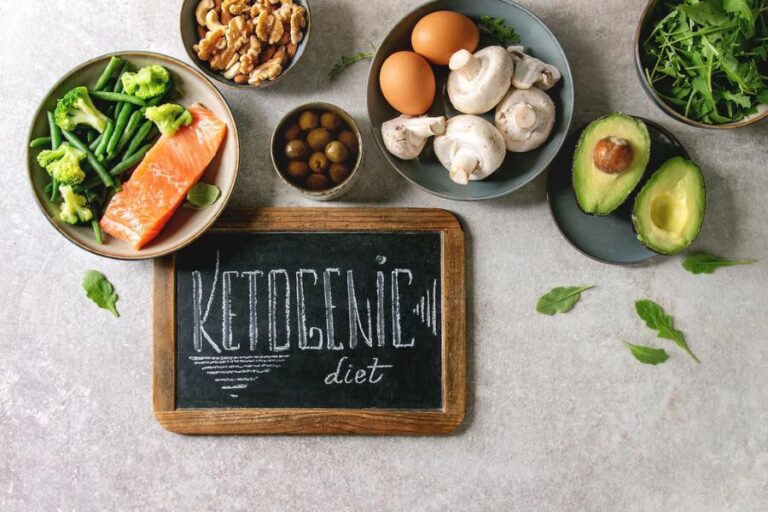
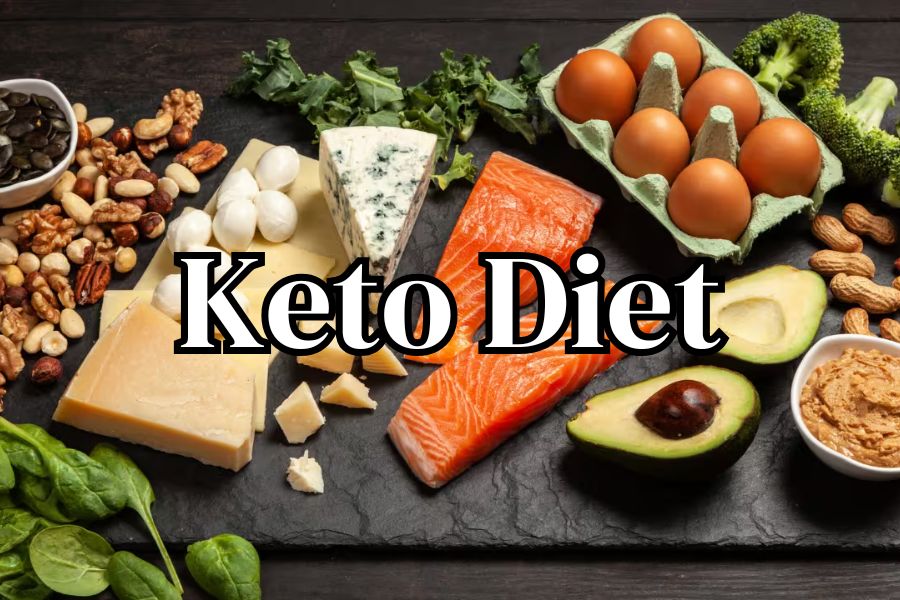
According to Healthline and Natural Force, clean keto typically includes foods like (Healthline) (Natural Force):
- Grass-fed beef and lamb
- Free-range eggs and pasture-raised poultry
- Wild-caught seafood
- Healthy fats such as olive oil, avocado oil, and coconut oil
- Non-starchy vegetables like spinach, kale, broccoli, and asparagus
This approach feels like a blend of keto and a whole-food or paleo style diet. You still aim for high fat, moderate protein, and very low carbs, but you choose ingredients that provide vitamins, minerals, and fiber along the way.
Key principles of clean keto
You can think of clean keto as built on a few simple ideas:
- Prioritize minimally processed foods
- Emphasize healthy fats such as monounsaturated and polyunsaturated fats
- Include plenty of low-carb, non-starchy vegetables
- Avoid trans fats and heavily refined industrial oils like some vegetable and canola oils when possible (Natural Force)
- Watch sodium and additives, not just carbs
This style of eating is designed to support your digestion, mood, brain function, skin, and hair, not just the number on the scale (Natural Force).
What dirty keto actually means
Dirty keto, or lazy keto, keeps the same basic keto macros, but it does not focus on the quality of your food. As long as you hit roughly 70 percent of calories from fat, 20 to 25 percent from protein, and about 5 percent from carbs, almost anything goes (Natural Force).
On dirty keto, you might eat:
- Fast food burgers without the bun
- Processed deli meats and hot dogs
- Packaged keto snacks like cheese chips or keto cookies
- Frozen chicken tenders and breaded or fried items that still fit your net carb goal
- Diet sodas and sugar-free beverages
This style of keto is appealing if you want weight loss with minimal cooking. It can be easier to follow in the short term, because you can rely on drive-thru orders and packaged foods that list “keto” on the label.
Why dirty keto is considered risky
The trade-off is that many dirty keto foods are:
- High in sodium
- Low in fiber
- Low in essential vitamins and minerals
- High in additives, preservatives, and unhealthy fats
Healthline notes that this pattern of eating can raise your risk of nutrient deficiencies and may contribute to problems like high blood pressure and heart disease over time due to excess sodium and poor fat quality (Healthline).
Natural Force also points out that dirty keto often leads to side effects like fatigue, brain fog, constipation, and sleep disruptions, particularly when you follow it for longer periods (Natural Force).
Side by side comparison
To quickly see how clean keto vs dirty keto stack up, use this overview as a snapshot.
| Feature | Clean keto | Dirty keto |
|---|---|---|
| Main focus | Food quality and nutrient density | Hitting macros regardless of food quality |
| Typical foods | Whole meats, eggs, fish, vegetables, healthy oils | Fast food, packaged keto snacks, processed meats |
| Vegetable intake | High in non-starchy vegetables | Often very low |
| Micronutrients | Higher in vitamins and minerals (Healthline) | Often low, risk of deficiencies (Healthline) |
| Fats | Emphasis on healthy fats, avoid trans fats and many processed oils (Natural Force) | More industrial oils and potentially inflammatory fats |
| Fiber | Higher, due to vegetables and some whole foods | Often low, constipation is common (Natural Force) |
| Long term health | Better aligned with heart, gut, and overall health | May increase risk of issues like high blood pressure over time (Healthline) |
| Convenience | Requires more cooking and planning | Very convenient and easy to start |
Both styles can help you reach ketosis and lose weight, but they do not give you the same foundation for long-term wellness.
Health impact of clean keto
If your goal is weight loss and better health, clean keto often gives you a more balanced approach.
Better micronutrient intake
Because clean keto is built on whole foods, you get more:
- Vitamins C, D, and K
- Minerals like magnesium, zinc, and calcium
- Folate and other B vitamins
Healthline notes that these nutrients are often lacking in dirty keto diets that rely on packaged foods (Healthline). Many vitamins and minerals are also better absorbed when they come from whole foods rather than fortified convenience products.
Support for digestion and gut health
Clean keto encourages you to eat non-starchy vegetables such as leafy greens, broccoli, and asparagus. These provide fiber, which supports regular digestion and can prevent the constipation that often shows up on very low carb diets (Natural Force).
Natural Force highlights that a higher fiber intake on clean keto can:
- Increase satiety, so you feel full longer
- Help stabilize your blood sugar
- Naturally reduce your daily calorie intake
All of these benefits can make your weight loss efforts feel more sustainable and less like a constant battle with hunger.
Potential for reduced inflammation
By focusing on healthier fats and avoiding trans fats and many processed oils, clean keto may help reduce inflammation in your body. Natural Force notes that processed industrial oils can promote inflammation and increase the risk of heart disease and type 2 diabetes, which is why clean keto focuses on options like olive oil, avocado oil, and fats from whole foods instead (Natural Force).
Health impact of dirty keto
Dirty keto can still produce weight loss, particularly in the short term, because it keeps your carbs low and helps your body burn fat. However, the quality of those fats and proteins matters for your health beyond the scale.
Nutrient gaps and side effects
According to Healthline, dirty keto is linked to deficiencies in:
- Calcium
- Magnesium
- Zinc
- Folic acid
- Vitamins C, D, and K
Processed foods tend to contain fewer of these micronutrients, and eating very few vegetables compounds the problem (Healthline).
Natural Force points out that these nutrient gaps can show up as:
- Ongoing fatigue
- Brain fog
- Constipation
- Difficulty sleeping
- Hair, skin, and nail issues
- Rebound weight gain when you stop the diet (Natural Force)
You can still experience quick results with dirty keto, but you may not feel your best while you are on it.
Long-term health concerns
Dirty keto typically includes more:
- High sodium foods like deli meats and packaged snacks
- Additives and preservatives
- Processed meats and refined oils
Healthline notes that patterns like this are linked to an increased risk of high blood pressure and heart disease over time (Healthline). This is why many experts recommend clean keto or at least a mix of mostly clean with occasional dirty meals for convenience rather than dirty keto as your default.
Which is better for weight loss?
You might be wondering whether clean keto vs dirty keto will help you lose more weight. Both approaches can:
- Put you into ketosis
- Reduce your appetite
- Help you create a calorie deficit
Dirty keto may feel easier at the very beginning because you do not need to cook as much. However, clean keto can be more supportive for long-term weight loss because:
- Higher fiber intake helps you stay full with less food (Natural Force)
- Better nutrient intake can help maintain your energy and mood
- Fewer processed foods may reduce cravings and emotional eating
Natural Force notes that higher fiber and nutrient density can help you naturally reduce your daily food intake, which is a key part of sustainable fat loss (Natural Force).
If you want to lose weight and feel healthier at the same time, clean keto usually gives you a stronger foundation.
How to start clean keto
If you are ready to lean toward clean keto, you do not need to overhaul everything overnight. Small shifts can make a meaningful difference.
Step 1: Build your plate around whole foods
For most meals, try to include:
- A source of quality protein
- A generous serving of non-starchy vegetables
- A serving of healthy fat
For example:
- Grilled salmon with roasted broccoli in olive oil and a side salad
- Scrambled eggs cooked in butter with spinach and avocado slices
- Grass-fed burger patty topped with cheese, served with sautéed zucchini
These combinations keep your carbs low while delivering protein, fiber, and beneficial fats.
Step 2: Upgrade your fats
Look for fats that come from whole foods or minimally processed oils. You might:
- Swap margarine or generic vegetable oil for butter, ghee, avocado oil, or olive oil
- Choose nuts and seeds as snacks instead of processed cheese chips
- Add avocado to salads and omelets
Natural Force recommends emphasizing monounsaturated and polyunsaturated fats while avoiding trans fats and many refined industrial oils whenever possible (Natural Force).
Step 3: Make vegetables a non-negotiable
Aim to fill a good portion of your plate with non-starchy vegetables at least once or twice a day. Easy options include:
- Spinach or mixed greens salads
- Roasted Brussels sprouts or cauliflower
- Steamed asparagus with olive oil and lemon
Healthline notes that clean keto specifically encourages plenty of non-starchy vegetables because they boost your micronutrient and fiber intake without kicking you out of ketosis (Healthline).
Step 4: Check labels on “keto” products
Keto-labeled snacks can be helpful in a pinch, but it helps to read the ingredients. When you look at a product, ask yourself:
- Is the main fat source from whole foods or refined oils?
- How many additives, sweeteners, and preservatives are in here?
- Could you recreate a similar snack with simpler ingredients at home?
You do not have to avoid all packaged keto foods, but choosing the cleaner options most of the time keeps you closer to a clean keto pattern.
Is there room for both styles?
You might not want to follow a perfectly clean keto diet every single day. That is realistic, and some nutrition experts suggest an 80 / 20 approach.
According to Natural Force, many people do well when they:
- Eat mostly clean keto meals at home
- Allow occasional dirty keto choices for convenience, social events, or travel
- Shift back to clean meals as soon as they can (Natural Force)
For example, you might batch cook clean keto lunches and dinners during the week, then rely on a dirty keto fast food meal if you get stuck late at work one night. The key is treating processed keto foods as the exception, not the base of your diet.
How to decide what works for you
When you compare clean keto vs dirty keto for your own life, it helps to consider a few questions:
- How much time do you have to cook most weeks?
- What is your main goal: fast weight loss, better energy, or long-term health?
- How do you usually feel after eating heavily processed foods?
- Do you have any existing health concerns that might be affected by sodium, additives, or poor fat quality?
If your priority is long-term health, clean keto or a mostly clean version with occasional flexibility is likely your best match. Healthline notes that clean keto can prevent micronutrient deficiencies and may reduce disease risk compared with dirty keto, even though both approaches use ketosis for fuel (Healthline).
If you choose to experiment with dirty keto, you can make it a short-term tool and then gradually shift toward more whole foods as you go.
Practical first steps you can take today
To move closer to clean keto without feeling overwhelmed, try one or two of these simple changes:
- Add one serving of non-starchy vegetables to your next meal
- Swap a processed snack for a handful of nuts and a few olives
- Cook one meal this week using grass-fed meat or wild-caught fish
- Replace a generic vegetable oil in your kitchen with olive or avocado oil
- Check the ingredient list on one of your favorite keto packaged foods and see if there is a cleaner alternative you would be willing to try
Small shifts like these add up. Over time, they move your overall diet away from dirty keto and toward a more nourishing, clean keto style that supports your weight, energy, and long-term health.
About the Author