A heart healthy plan like the DASH diet only works if it fits into your real life. That means you need DASH diet recipes that are quick, affordable, and satisfying enough that you actually want to make them again tomorrow.
Below, you will find simple ideas for DASH friendly breakfasts, lunches, dinners, and desserts, plus a clear explanation of how the DASH diet works so you know why each recipe helps your heart and your waistline.
Understand how the DASH diet works
Before you start cooking, it helps to understand what makes a recipe DASH friendly. DASH stands for Dietary Approaches to Stop Hypertension. It is an eating pattern designed to prevent or treat high blood pressure and may also help lower LDL cholesterol, which is linked to heart disease (Mayo Clinic).
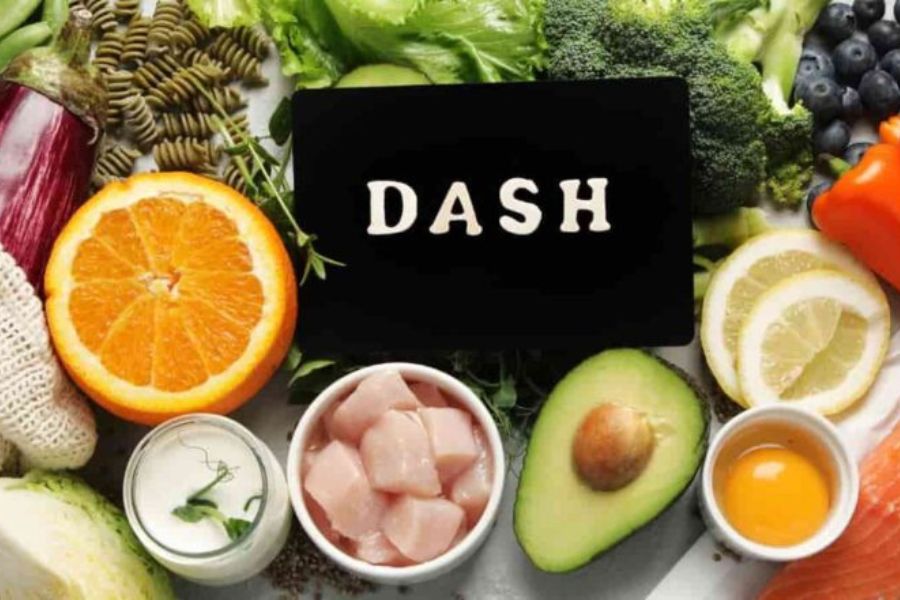
You focus on foods that are naturally rich in potassium, calcium, and magnesium, like fruits, vegetables, whole grains, low fat dairy, beans, fish, poultry, and nuts, while limiting sodium, added sugar, and saturated fat (Mayo Clinic).
For most adults, the standard DASH plan suggests:
- Sodium up to 2,300 milligrams per day
- Plenty of fruits and vegetables
- Whole grains most of the time
- 2 to 3 servings of fat free or low fat dairy
- Lean proteins like chicken, fish, or legumes
There is also a lower sodium version that limits you to 1,500 milligrams per day, which some people follow if their doctor recommends tighter blood pressure control (Mayo Clinic).
Once you know the basic rules, it becomes much easier to spot or adapt dash diet recipes that work for you.
Make quick DASH diet breakfasts
Busy mornings can derail your intentions fast. If you stock a few key ingredients, you can pull together heart healthy breakfasts in 10 minutes or less that keep you full and support your blood pressure goals.
A good DASH breakfast usually includes three things. You want a whole grain or high fiber carbohydrate, a source of protein, and some fruit or vegetables for extra fiber and potassium. This combination helps you stay satisfied and stabilizes your blood sugar, which also makes it easier to avoid overeating later in the day.
Try ideas like oatmeal made with low fat milk, topped with berries and a small handful of nuts. The oats and berries bring fiber, the milk adds calcium and protein, and the nuts contribute healthy fats, all of which are encouraged on the DASH plan (Mayo Clinic).
If you prefer savory, scrambled eggs with chopped vegetables and a side of whole grain toast fit the guidelines too. Keep sodium in check by skipping salty processed meats like bacon and sausage and flavoring with herbs, garlic, or a sprinkle of low sodium cheese instead.
On mornings when you have almost no time, a smoothie can rescue you. Blend frozen berries, a banana, low fat yogurt, and a spoonful of nut butter. You get fruit, dairy, and protein in one glass, with no added salt and very little added sugar if you avoid sweetened yogurts.
Build satisfying DASH lunches
Lunch is your chance to re-balance your day, especially if breakfast was rushed. DASH friendly lunches emphasize vegetables, lean protein, and whole grains so you stay full all afternoon without a heavy, salty slump.
One easy pattern is the grain bowl. Start with a base of brown rice, quinoa, or whole wheat couscous. Add a generous helping of vegetables, such as roasted carrots and broccoli or a simple mix of baby spinach and cherry tomatoes. Finish with a protein like grilled chicken, beans, or baked tofu, plus a small drizzle of olive oil and lemon juice instead of bottled dressings that often hide extra sodium.
Convenience foods can actually help you eat better if you choose smartly. Recipes such as Vegan Superfood Grain Bowls use timesavers like prewashed baby kale, microwavable quinoa, and precooked beets to assemble a nutrient packed meal in about 15 minutes, which fits well within DASH guidelines when you keep the seasoning light on salt (EatingWell).
Sandwiches can work too. Choose whole grain bread, layer on lean turkey or hummus, load up the vegetables, and skip or limit high sodium condiments. Pair your sandwich with a piece of fruit instead of chips to keep your potassium high and your sodium lower.
If you like to meal prep, chili lime chicken bowls or similar dishes that combine pre cooked chicken, brown rice, and vegetables are easy to portion into containers. These kinds of meals also show up in DASH focused recipe collections and make sticking to the plan much more realistic on busy workdays (EatingWell).
Enjoy DASH dinners in 30 minutes or less
Dinner is often where you feel tempted to reach for takeout. Having a few reliable DASH diet recipes that come together in 30 minutes or less can make a big difference.
The overall pattern is simple. Fill half your plate with vegetables, one quarter with lean protein, and one quarter with whole grains. Season generously with herbs, spices, citrus, vinegar, and a moderate amount of healthy fats like olive oil so you do not miss the salt.
Recipe collections designed around the DASH diet show how flexible dinner can be. For example, Winter Vegetable Mulligatawny Soup, White Bean Soup with Pasta, and Stuffed Eggplant with Couscous and Almonds all combine vegetables and whole grains with legumes or lean proteins to create hearty, satisfying meals under 500 calories and with at least 6 grams of fiber per serving, which can support weight loss and heart health together (EatingWell).
If you want something faster, Peppery Barbecue Glazed Shrimp with Vegetables and Orzo or Baked Halibut with Brussels Sprouts and Quinoa can be on the table in about 30 minutes. These options highlight fish, whole grains, and vegetables, exactly the kind of pattern the DASH diet encourages (EatingWell).
You can also lean on one pan stir fries. A dish like Chicken with Ginger Soy Vegetables and Brown Rice combines crisp tender vegetables, brown rice, and chicken in a flavorful sauce and can be varied with lemon and Italian seasonings for a different taste on another night (EatingWell). To keep it more DASH friendly, use low sodium soy sauce and limit how much you add.
If comfort food is what you are craving, you do not have to give it up. A recipe such as Beef and Bean Sloppy Joes cuts back on meat and added sugar by replacing some of the beef with beans and reducing ketchup. That simple tweak increases fiber and reduces added sugar, bringing a nostalgic favorite closer to DASH standards (EatingWell).
A helpful dinner habit: if a recipe seems salty or heavy, ask yourself what you can swap. Could you use low sodium broth, half as much cheese, or more vegetables instead of extra meat?
Choose desserts that support DASH
You might assume dessert is off limits on a heart healthy plan. In reality, you can absolutely enjoy something sweet if you approach it thoughtfully. Registered dietitian Danielle Smith notes that desserts can fit into the DASH diet when you choose options that are low in salt, saturated fat, heavily processed ingredients, and added sugar, all of which helps support blood pressure reduction (Business Insider).
The key is to lean on natural sweetness from fruit, use healthy fats in moderation, and keep portion sizes reasonable. You also want to pay attention to how often you are adding sugar. DASH guidelines suggest limiting added sugar to just a few tablespoons per week, which means you get more impact if you combine small amounts of sugar with fiber rich ingredients.
One creative idea is a deep dish cookie pie made with white beans or chickpeas and dark chocolate chips. The beans increase protein and fiber and dark chocolate adds antioxidants. Using natural sweeteners instead of refined sugar keeps this dessert more in line with DASH recommendations about added sugar (Business Insider).
If you prefer something lighter, dark chocolate covered frozen bananas are an easy treat. Bananas contribute potassium, which helps counterbalance sodium intake, and dark chocolate contains flavonoids that have been associated with lower blood pressure in people with hypertension (Business Insider).
You can also keep things as simple as a bowl of berries with a spoonful of whipped cream or a dairy free alternative. Different berries offer different benefits, such as vitamin C in strawberries and vitamin K in blueberries, along with fiber and antioxidants that support heart health (Business Insider).
For a more substantial dessert that could double as a snack, a vegan, gluten free cherry crumble made with oats and cherries is a smart option. Oats add fiber, cherries bring antioxidants, vitamins, and minerals, and tart cherries in particular may help with blood pressure regulation. Adding a small scoop of whipped cream can also help you meet the DASH recommendation of two to three servings of dairy per day if you tolerate it well (Business Insider).
Fit the DASH diet into everyday life
Even the best dash diet recipes will not help you if they feel too complicated or rigid for your schedule. Focus on a few practical strategies so these ideas become habits and not just good intentions.
Start by planning a simple framework instead of a strict menu. For example, pick one breakfast, one lunch, and two or three dinners from the ideas above and repeat them through the week. Variety is helpful, but repetition makes grocery shopping and cooking much simpler when you are getting started.
Next, keep your kitchen stocked with DASH friendly basics. Whole grains like brown rice, oats, and quinoa, canned beans with no salt added, frozen vegetables and fruits, low fat yogurt, and nuts or seeds all make it much easier to throw together a meal that aligns with the plan. Since the DASH diet uses common grocery store foods and standard serving suggestions, you do not have to chase specialty items to follow it (Mayo Clinic).
Finally, remember that drinks matter too. Excess alcohol can raise blood pressure, so men are generally advised to limit intake to two drinks a day and women to one. Caffeine is not specifically addressed by the DASH diet because its impact on blood pressure is less clear, so if you are concerned, talk with your healthcare provider about what is right for you (Mayo Clinic).
You do not need to overhaul your eating overnight. You might start by adding one extra vegetable to dinner or swapping your usual dessert for frozen bananas dipped in dark chocolate. As these small choices stack up, you will be following the DASH pattern most of the time, which is what supports both weight loss and heart health in a way that feels realistic for the long term.
About the Author