How exercise and sleep connect
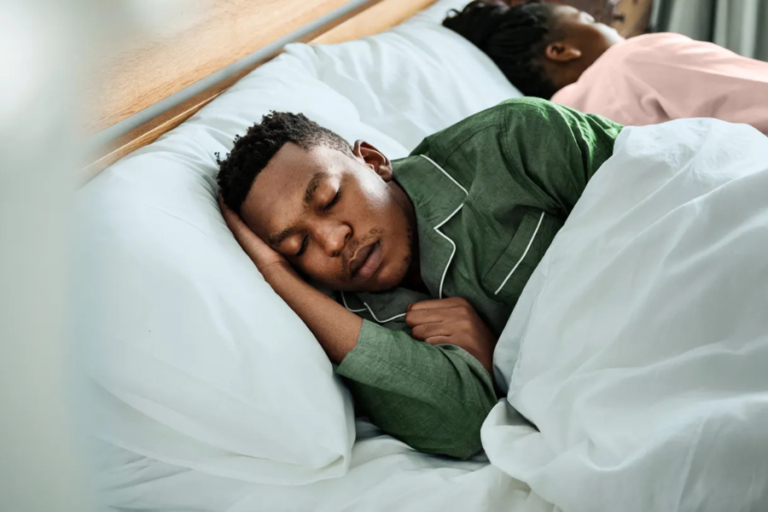
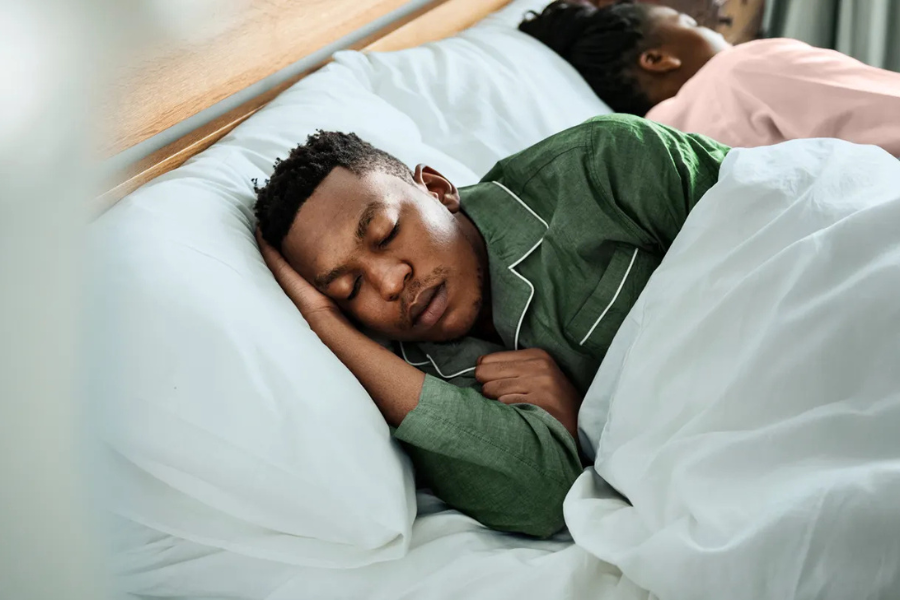
If you have ever wondered, does exercise help or hurt sleep, you are not alone. The short answer is that regular physical activity almost always helps you fall asleep faster and sleep more deeply, but the type, timing, and amount of exercise matter.
Researchers consistently find that people who move their bodies sleep better overall (PMC). Moderate exercise can improve sleep quality the same night, while very intense or very frequent workouts, especially late at night, may keep you awake instead of helping you wind down.
Understanding how exercise affects your sleep makes it easier to design a routine that supports rest instead of sabotaging it.
How exercise helps you sleep
Regular movement benefits your sleep on several levels. Studies show that physical activity is linked to:
- Better overall sleep quality
- Less time spent trying to fall asleep
- Fewer awakenings during the night
- Longer total sleep time (PMC)
Deeper, more restorative sleep
Moderate aerobic exercise increases slow wave sleep, which is the deep, restorative stage that helps your brain and body recover (Johns Hopkins Medicine). More time in deep sleep can mean:
- Feeling more refreshed in the morning
- Better concentration and mood during the day
- Less daytime sleepiness
Falling asleep faster
Studies show that regular exercise is associated with reduced sleep latency, which simply means you fall asleep more quickly (PMC). In some cases, 30 minutes of moderate aerobic activity is enough to improve sleep that same night (Johns Hopkins Medicine).
Calmer mood, less stress
Exercise helps regulate mood, reduce anxiety, and decompress your mind, all of which are important for drifting off naturally (Johns Hopkins Medicine). When your stress level is lower, your body is not pumping out as many stimulating hormones that keep you alert and wired at night.
Support for insomnia and sleep disorders
For people who already struggle with sleep, exercise can be a powerful non drug tool. Research suggests that:
- Moderate aerobic exercise three times a week improves insomnia symptoms and sleep quality in adults (PMC)
- Short term exercise programs lasting three months or less may bring noticeable improvements in insomnia symptoms (PMC)
- Exercise can reduce obstructive sleep apnea severity, even without weight loss (Nature)
Some studies even suggest that aerobic exercise can decrease sleep complaints and insomnia at levels similar to sleeping pills, although more research is needed before comparing them directly (Johns Hopkins Medicine).
When exercise can hurt your sleep
Exercise is not automatically helpful in every situation. If you push too hard, move too late, or overtrain, your sleep can suffer.
Too intense or too close to bedtime
Intense exercise raises your heart rate, body temperature, and stress hormones. If you do this right before bed, your body can feel too activated to switch into sleep mode. Research shows that:
- High intensity workouts within an hour of bedtime can delay sleep and reduce sleep quality (PMC; Harvard Health)
- Vigorous exercise less than one hour before bed may lead to longer time to fall asleep and poorer sleep in healthy adults (Harvard Health)
- Many experts suggest avoiding strenuous activity for at least two hours before bedtime (Harvard Health; Premier Health)
You might notice this as lying awake with a racing heart, feeling wired, or experiencing a second wind when you would rather be winding down.
Too much total exercise
There is also evidence that both very low and very high levels of physical activity can be linked with worse sleep. One large analysis found that:
- Very low activity, less than about 10 continuous minutes per week, and
- Very high activity, more than 300 minutes per week,
were both associated with increased risk of insomnia (Psychology Today).
Other research involving Russian adults found that people who reported high physical load six or more times a week had more trouble falling and staying asleep, and were more likely to use sleep medications (Psychology Today).
In other words, if you are constantly exhausted from training and still cannot sleep, your body may be telling you that you are doing too much.
Mismatch with your natural rhythm
Some people simply do not sleep well if they work out at night, even at moderate intensity. Others feel fine, or even sleep better with evening exercise. Research suggests that the impact of timing depends on your:
- Chronotype, whether you are a morning type or evening type
- Age
- Health status (Sleep Foundation)
For early birds, late workouts may clash with your natural rhythm and make sleep harder. For night owls, evening exercise can fit better and may not cause problems.
Best types of exercise for better sleep
You do not need high performance training to improve your rest. In fact, moderate intensity activities tend to work best for most people.
Moderate aerobic exercise
Studies point to moderate aerobic activities as some of the most effective for sleep. These include:
- Brisk walking
- Cycling at a comfortable pace
- Swimming laps at a steady pace
- Light jogging
Moderate intensity means you are breathing faster and your heart rate is up, but you can still talk in short sentences. Research suggests that doing aerobic exercise three or more times per week improves sleep quality and reduces insomnia symptoms in adults (PMC).
A review in 2025 also found that 30 minutes of moderate aerobic exercise daily improved sleep duration by about 15 minutes in women with insomnia who usually slept less than 6.5 hours (Nature).
Mind body exercises
Mind body practices can be especially helpful if your sleep problems are tied to stress or racing thoughts. Examples include:
- Yoga
- Tai chi
- Gentle stretching routines
These activities combine movement with breathing and relaxation, and they have been shown to reduce insomnia symptoms and improve perceived sleep quality (PMC).
Low impact options
If you have joint pain, limited mobility, or you are just starting out, low impact activities still provide sleep benefits, such as:
- Easy walking
- Water aerobics
- Stationary biking at low resistance
Research indicates that even short bouts of exercise can improve total sleep time and sleep quality (Sleep Foundation).
How much exercise you really need
You do not have to train for a marathon to improve your sleep. The key is consistency, not intensity.
General guidelines for sleep support
From the studies included in recent reviews, a sleep friendly exercise pattern often looks like:
- Frequency: 3 to 7 days per week of physical activity
- Intensity: mostly moderate, with some light and occasional vigorous days if it suits you
- Duration: at least 30 minutes on most days (Johns Hopkins Medicine; Sleep Foundation)
Regular aerobic exercise four to seven times per week is linked with better sleep quality overall (PMC).
When more is not better
Piling on extra workouts might seem like a shortcut to deeper sleep, but studies suggest that very intense activity six or more times a week can actually raise your risk of insomnia (PMC; Psychology Today).
Warning signs that you may be overdoing it include:
- Feeling wired but tired at night
- Waking up frequently or too early
- Heavy fatigue that does not improve with rest days
- Increased irritability or low mood
If this sounds familiar, scaling back the volume or intensity of your workouts may actually help your sleep recover.
Best time of day to exercise for sleep
There is no single perfect time that works for everyone. Current science suggests that the best time to exercise for sleep benefits depends on your schedule, your body, and how you personally react to activity at different times of day (Sleep Foundation).
Still, research does offer some useful patterns.
Morning and afternoon exercise
For many people, morning or afternoon workouts are a safe bet for better sleep. Studies indicate that:
- Morning or afternoon aerobic exercise can shift your internal clock earlier and promote earlier melatonin release
- Morning outdoor exercise adds exposure to natural light, which helps stabilize your circadian rhythm and supports earlier sleep onset (Sleep Foundation)
Late afternoon is often highlighted as an ideal time so your body has time to cool down and transition comfortably into nighttime rest (Premier Health).
Evening exercise, done wisely
You may have heard that exercising at night always ruins sleep, but research paints a more nuanced picture. A review of 23 studies found that evening exercise did not harm sleep for most healthy adults and often helped people fall asleep faster and spend more time in deep sleep (Harvard Health).
However, there are some important caveats:
- Moderate exercise that ends at least 90 minutes before bed generally does not hurt sleep and may even improve restorative deep sleep (Sleep Foundation)
- Vigorous, high intensity exercise within one hour of bedtime can delay sleep and worsen sleep quality (Harvard Health)
- Moderate or low intensity exercise close to bedtime seems less likely to disrupt sleep in young, healthy people (Nature)
If evenings are the only time you can move, choosing a gentler workout and giving your body at least 90 minutes to cool down before bed is a practical strategy.
How to find your personal sweet spot
Since responses to exercise timing vary, it helps to experiment. For one or two weeks at a time, you can try:
- Morning workouts, then notice how easily you fall asleep and how rested you feel
- Afternoon workouts, especially between 3 p.m. and 6 p.m.
- Early evening workouts, ending at least 90 minutes before bed
Pay attention to patterns. If you sleep best after afternoon walks but struggle after late night high intensity classes, your body is giving you clear feedback.
Simple ways to start an exercise routine for better sleep
You do not need a gym membership or fancy equipment. The goal is to build a routine that fits into your daily life and is realistic to maintain.
Step 1: Start small and steady
Begin with a level that feels easy to repeat:
- 10 to 15 minutes of brisk walking most days of the week
- A beginner yoga or stretching video at home
- A gentle bike ride around your neighborhood
You can gradually add 5 to 10 minutes every week until you are regularly doing around 30 minutes on most days.
Step 2: Pick a consistent time window
Choose a time of day that you can protect most days, such as:
- A short walk after breakfast
- A lunchtime stroll
- A late afternoon session before dinner
Consistency seems to amplify the sleep benefits, especially when you stay active four to seven days per week (PMC).
Step 3: Keep evenings calm
If you like moving at night, try to:
- Finish intense workouts at least two to three hours before bed (Premier Health)
- Choose gentler activities near bedtime, such as stretching or slow yoga
- Set a consistent wind down routine after your workout so your body knows sleep is coming
Step 4: Pair exercise with good sleep habits
Exercise works best for sleep when it is part of an overall healthy routine. Simple sleep hygiene habits include:
- Going to bed and waking at roughly the same time every day
- Creating a relaxing pre sleep routine, such as reading or a warm shower
- Limiting bright screens and strong lights before bed
- Avoiding long daytime naps and keeping any nap to 20 to 30 minutes in the early afternoon (Harvard Health)
Together, these habits make it easier for your brain and body to respond positively to the sleep boost that exercise provides.
When to talk with a doctor
If you already have a diagnosed sleep disorder, chronic health condition, or you are starting exercise for the first time in a long time, it is wise to check in with your healthcare provider before making big changes.
You should also reach out to a professional if you notice that:
- Your sleep gets worse after starting a new, intense training plan
- You rely on sleep medications more often while doing heavy exercise (Psychology Today)
- You have loud snoring, gasping awakenings, or extreme daytime sleepiness, which can be signs of sleep apnea
A doctor or sleep specialist can help you tailor an exercise plan and sleep routine that supports your specific health needs.
Key takeaways
To bring it all together, here is how exercise can help or hurt your sleep:
- Regular, moderate exercise almost always helps you fall asleep faster, sleep more deeply, and wake feeling more rested
- Aerobic activities and mind body exercises like yoga are especially effective for improving sleep quality and reducing insomnia symptoms (PMC)
- Doing too much, too intensely, or too close to bedtime can backfire and make sleep harder
- Morning and afternoon workouts are a safe choice for most people, and early evening exercise can work if you avoid high intensity right before bed
- Your own experience matters, so it helps to experiment with timing, intensity, and frequency until you find a pattern that leaves you both pleasantly tired and ready for sleep
You can start as simply as a 15 minute walk today. Notice how you feel that night and the next morning. Small, consistent steps can gradually create a positive loop where better sleep makes it easier to exercise, and regular movement keeps improving your sleep in return.
About the Author