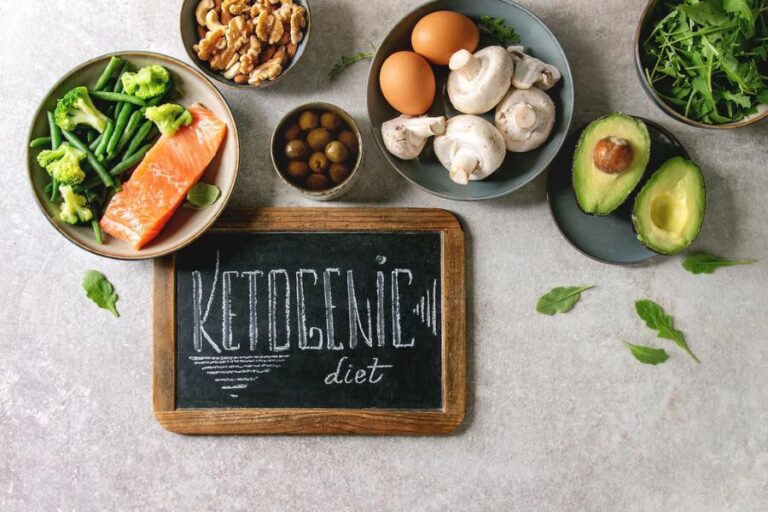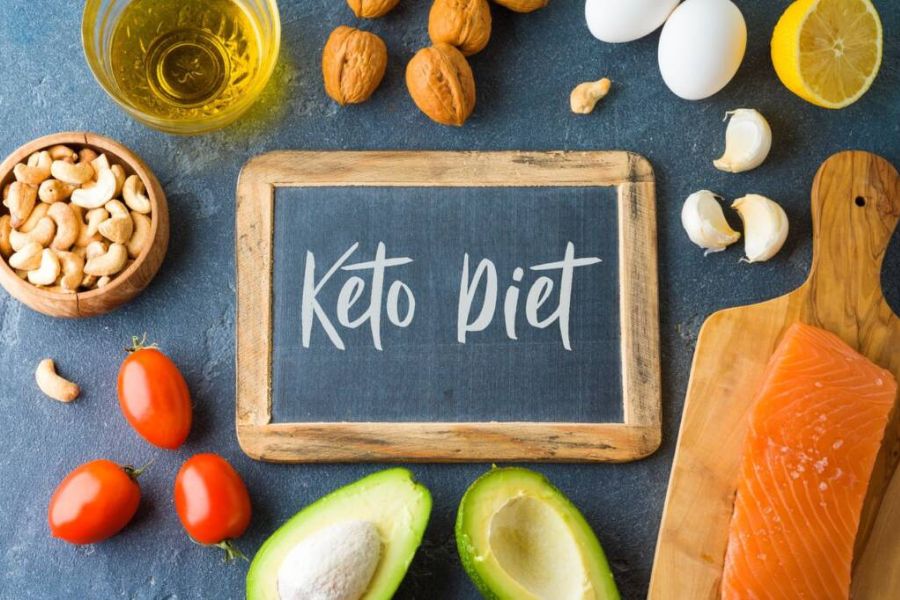
Understand the basics of keto
When you look up foods allowed on keto, it can feel like you are reading a new language. At its core, the ketogenic diet is a high fat, moderate protein, very low carbohydrate way of eating that nudges your body into a state called ketosis. In ketosis, you burn fat for fuel instead of relying on glucose from carbs and sugar (EatingWell).
Most keto approaches keep you around 20 to 50 grams of carbs per day, or about 5 to 10 percent of your calories from carbohydrates (Healthline). That means:
- Fat becomes your main energy source
- Protein stays moderate, not high
- Carbs are kept very low so ketosis can stay active
You do not have to count every macro forever, but understanding the big picture will help you choose keto friendly foods at a glance.
What “keto friendly” really means
A food usually fits well on keto if it:
- Has very few net carbs (total carbs minus fiber)
- Provides plenty of fat or at least does not crowd out fat
- Offers protein in reasonable amounts, not excessive
You will see a few patterns:
- Animal proteins and most fats are naturally very low carb
- Nonstarchy vegetables and some fruits work in smaller portions
- Grains, sugars, juices, and most sweets are typically off the list
Once you know these patterns, transforming your meals gets much simpler.
Choose satisfying keto proteins
High quality protein is a big part of staying satisfied on a keto diet. It also supports muscle maintenance while you lose weight. Many experts suggest around 10 to 20 percent of daily calories from protein on a “clean” keto plan (Lose It).
Seafood and fatty fish
Seafood is one of the most powerful categories of foods allowed on keto. Fish like salmon, sardines, mackerel, and albacore tuna are virtually carb free and rich in omega 3 fats that may help with blood sugar control and insulin levels (Healthline, EatingWell).
Simple ways to use them:
- Bake salmon with olive oil and lemon
- Pan sear mackerel and serve over sautéed spinach
- Mix canned tuna or sardines with avocado for a quick lunch
Try to include at least two 3 ounce servings of fatty fish per week for heart and metabolic health benefits (EatingWell).
Meat and poultry
Fresh meats like beef, chicken, turkey, and pork have no carbohydrates and come with B vitamins and minerals you need (EatingWell).
On a cleaner version of keto, you might:
- Favor grass fed beef, which offers complete protein plus more omega 3 fats (Lose It)
- Use turkey or chicken thighs for a higher fat, more filling option
- Limit heavily processed meats that can bring extra additives and sodium
Eggs and plant based proteins
Eggs are a keto staple. Pasture raised eggs can provide triple the omega 3 fats compared with conventional eggs and higher levels of vitamins A and E (Lose It).
You can enjoy them:
- Scrambled in butter with spinach
- Poached over a bed of sautéed zucchini
- Hard boiled for an easy snack with a handful of nuts
If you prefer plant based options, tofu and some other soy products can fit into a clean keto plan as lower carb, higher fat proteins (Lose It).
How much protein is too much?
It can be tempting to turn keto into an all protein diet, but that can work against you. Consuming too much protein may lead your body to convert some of that protein into glucose, which can raise blood sugar and insulin and may interfere with ketosis. Many experts suggest around 0.6 to 1 gram of protein per pound of lean body mass (Lose It).
If you notice yourself loading every plate with large portions of meat and very little fat, that is a sign to rebalance.
Fill your plate with low carb vegetables
Nonstarchy vegetables give you volume, fiber, and micronutrients without pushing you over your carb limit. On keto, vegetables that contain less than about 5 grams of net carbs per 100 gram serving are considered very friendly (Diet Doctor).
Best everyday keto vegetables
These can show up on your plate often, in generous portions:
- Leafy greens like spinach, kale, and lettuce
- Zucchini and other summer squash
- Cucumbers and cabbage
- Asparagus and green beans in moderate portions
Broccoli, cauliflower, bell peppers, and similar nonstarchy veggies are also good choices, typically staying under 8 grams of net carbs per cup while offering antioxidants and minerals (EatingWell).
Veggies to use more sparingly
Some vegetables are higher in carbs, so you will want to measure portions, especially if you stay under 20 grams of net carbs per day:
- Bell peppers, especially in larger amounts, can add 4 to 7 grams of net carbs per medium pepper (Diet Doctor)
- Brussels sprouts, green beans, tomatoes, and onions also add up faster
Onions in particular can range from 6 to 19 grams of carbs per 100 grams, so it helps to use them mainly as a seasoning rather than the main vegetable. Caramelized or sautéed onions are easy to eat in larger amounts, which can quickly add carbs (Diet Doctor).
Add healthy fats to your vegetables
Fat is not just allowed on keto, it is essential. You can turn simple vegetables into satisfying meals by pairing them with keto friendly fats such as:
- Butter or ghee
- Olive or avocado oil
- Coconut oil
- Heavy cream
Sauté vegetables in butter or coconut oil, drizzle salads with olive oil and avocado, or roast broccoli with avocado oil. This approach boosts your fat intake so your body can stay in ketosis and tap into stored body fat for energy (Diet Doctor).
Enjoy fruits that fit your carb limit
Fruit often raises questions when you are learning which foods are allowed on keto. The key is to focus on lower carb fruits and keep portions aligned with your daily carb budget.
Avocados: a keto superstar
Avocados stand out as one of the most ideal fruits for keto. A 100 gram serving provides around 1.5 grams of net carbs, plus healthy fats, vitamin K, vitamin C, folate, and potassium (Healthline, Verywell Health).
You can:
- Slice them over salads
- Mash with lemon and salt as a topping
- Blend into smoothies with unsweetened almond or coconut milk
Berries and other low carb options
Several fruits can fit well as long as you watch serving size:
- Strawberries: about 8.7 grams of net carbs per cup and rich in vitamin C and antioxidants (Healthline)
- Raspberries: around 7 grams of net carbs per cup and a good source of vitamin C, manganese, and vitamin K (Healthline)
- Blackberries: low in sugar and high in fiber, with about 7.6 grams of fiber per cup which helps lower net carbs (Verywell Health)
Other fruit options that can work in moderation include:
- Watermelon, thanks to its high water content and relatively low carb count per serving (Healthline, Verywell Health)
- Lemons, which provide about 4 grams of net carbs per fruit and add vitamin C and pectin for blood sugar support (Healthline)
- Olives and tomatoes, which are botanically fruits and offer healthy fats or antioxidants like lycopene (Verywell Health)
Fruits like peaches, cantaloupe, star fruit, and plums may be used in smaller amounts, but dried fruits such as prunes are typically too high in carbs for strict keto (Verywell Health).
Pick the right dairy and milk alternatives
Dairy can be a powerful tool on keto, but the type you choose matters. The main issue is lactose, the natural sugar in milk, and any added sugars in processed dairy.
Keto friendly dairy choices
Low carb, higher fat dairy foods can help you meet your fat needs while supplying calcium, vitamin D, and protein. Options to lean on include:
- Hard and semi soft cheeses
- Heavy cream and some full fat cream cheeses
- Plain Greek yogurt in small amounts, if the carbs fit your goal
Including low carb dairy products can support important nutrients like calcium and high quality protein while you are following a ketogenic diet (Dairy Farmers of America).
Dairy products to limit or avoid
A cup of 1 percent cow’s milk contains about 12.7 grams of carbs, mostly from lactose, which could be one quarter or more of a typical keto daily carb limit (MedicineNet). Milk products such as whole milk, half and half, and evaporated milk each contain around 10 grams of lactose per serving, enough to disrupt ketosis if you pour freely (Dairy Farmers of America).
You will also want to avoid:
- Ice cream and flavored yogurts with added sugars
- Sweetened coffee creamers
- Dairy based desserts
Keto safe milk alternatives
Plant based milks can be excellent keto friendly options if you choose carefully. Unsweetened versions of:
- Almond milk
- Coconut milk
- Flax milk
typically contain fewer carbs and are considered keto safe milk choices (MedicineNet).
Watch labels closely. For example, sweetened almond milk can contain around 5 grams of carbohydrates per 100 grams, while unsweetened almond milk has less than 1 gram. That difference matters when you are aiming for 20 to 50 grams of carbs per day (MedicineNet).
Stock up on healthy fats, nuts, and seeds
Fat is the foundation of keto, so choosing the right sources is crucial. Many of the most satisfying foods allowed on keto fall right into this category.
Everyday cooking fats
Great keto fats include:
- Olive oil
- Avocado oil
- Coconut oil
- Butter and ghee
These are virtually carb free and can support heart health and reduced inflammation. Coconut oil also contains medium chain triglycerides (MCTs), which may help boost ketone production and support weight loss (Healthline, EatingWell).
Use them to:
- Pan roast vegetables
- Dress salads
- Sear meats and fish
Nuts and seeds for crunch and fiber
Nuts and seeds offer a unique combination of fat, fiber, and protein with relatively low carbs, which makes them ideal snack or topping options on keto. Regular intake has been linked to lower risks of heart disease and some cancers (Healthline, EatingWell).
You might reach for:
- Almonds, walnuts, or pecans
- Pumpkin or sunflower seeds
- Chia or flax seeds for thickening smoothies and puddings
Because nuts are calorie dense, you will still want to keep an eye on portions if weight loss is your primary goal.
Simple meal ideas to transform your day
Once you know which foods are allowed on keto, the next step is turning them into easy meals you actually look forward to.
Breakfast ideas
- Scrambled eggs cooked in butter with spinach and a side of avocado
- Greek yogurt parfait made with a small portion of plain Greek yogurt, a few raspberries, chia seeds, and chopped walnuts
- Omelet with cheese, mushrooms, and a sprinkle of chopped tomatoes
Lunch ideas
- Big salad with mixed greens, grilled salmon, olives, cucumber, olive oil, and lemon
- Lettuce wrap “sandwich” filled with turkey, cheese, avocado, and sliced bell peppers
- Tofu or chicken stir fry with broccoli and zucchini cooked in coconut oil
Dinner ideas
- Baked mackerel or sardines with roasted asparagus and a creamy lemon butter sauce
- Grass fed beef burger served over a bed of sautéed cabbage with melted cheese
- Roasted chicken thighs with cauliflower mash made with butter and cream
Snack ideas
- Handful of mixed nuts and seeds
- Celery sticks with cream cheese
- A few strawberries or raspberries with whipped heavy cream
- Hard boiled egg with a drizzle of olive oil and salt
You can mix and match these to fit your schedule, appetite, and carb target.
Common foods to watch or avoid
Some foods might look healthy but can push you out of ketosis quickly. Knowing what to skip makes it easier to stay on track.
Try to avoid or strictly limit:
- Grains and grain based foods such as bread, pasta, rice, tortillas, and cereals
- Legumes such as peas, beans, and lentils, which are relatively high in carbs (Diet Doctor)
- Most starchy vegetables, like potatoes and corn
- Sugary foods, sweets, pastries, and sugary beverages
- Sweetened plant milks and flavored dairy products
By choosing whole, minimally processed foods with low carb counts, you give your body the best chance to stay in ketosis and use fat for fuel.
What you can expect from a well structured keto plan
Many people are drawn to keto for weight loss and better blood sugar control. Some individuals may see significant early results, with reports of up to 10 pounds lost in the first two weeks when combining keto safe foods, including low carb milks and vegetables, with overall calorie awareness (MedicineNet).
Other possible benefits can include:
- Improved insulin sensitivity
- More stable energy across the day
- Reduced cravings for sugary foods
Results vary, and it is always a good idea to talk with your health care provider before making major dietary changes, especially if you have chronic conditions or take medications.
Key takeaways to guide your next meal
- Focus on fatty fish, meat, eggs, and some plant proteins for satisfying, moderate protein intake
- Fill your plate with nonstarchy vegetables and add healthy fats like butter, olive oil, and avocado oil
- Choose low carb fruits such as avocados and berries in measured portions
- Use higher fat, low sugar dairy and unsweetened plant milks, and be cautious with regular cow’s milk and sweetened products
- Rely on nuts, seeds, and cooking oils as your go to fat sources
- Limit grains, legumes, high sugar fruits, sweets, and starchy vegetables
Start by transforming just one meal today. Swap a grain heavy dish for a plate built around protein, healthy fats, and low carb vegetables. Notice how you feel, then build from there as you get more comfortable with the wide variety of foods allowed on keto.
About the Author