Glute activation exercises are one of the best ways to prepare your body for a productive workout session. By priming your glutes before intense strength training, you can improve overall stability, reduce the risk of injury, and even enhance your posture. Below, you will find several practical tips and exercises to make every rep count.
Recognize the importance of glute activation
Your glutes, which include the gluteus maximus, medius, and minimus, play a vital role in hip stability and power during many common movements. When these muscles are underused or improperly engaged, you may experience tightness in your hips or lower back. Focusing on glute activation helps ensure that your backside is ready to load and work rather than letting other muscles—like your lower back—take over.
What you might notice
- More control in lifts like squats and deadlifts.
- Reduced strain on your lower back and hamstrings.
- Better balance and agility during activities like running, jumping, or cycling.
Try these bodyweight glute exercises
Bodyweight exercises are a great way to start waking up your glutes while minimizing extra strain on your joints. Pair them with your warmup routine to feel the difference when you get to heavier lifts.
Simple glute bridges
- Lie on your back with knees bent and feet on the floor, hip-width apart.
- Press your heels into the ground and raise your hips until your body forms a straight line from knees to shoulders.
- Squeeze your glutes at the top, then slowly lower back down.
Fire hydrants
- Begin on all fours, keeping your back neutral and core braced.
- Lift one leg to the side, aiming to keep your knee bent at a right angle.
- Squeeze through your glutes and slowly return your knee to the starting position.
- Repeat on the other leg.
Add resistance bands effectively
Adding a looped resistance band around your thighs can increase the challenge of your glute activation exercises. Resistance bands create constant tension, forcing your muscles to engage through the entire range of motion.
Side steps
- Place a band just above your knees and stand with feet hip-width apart.
- Take a wide step to one side, keeping tension on the band.
- Step your other foot in, returning to the hip-width stance.
- Perform the same motion in the opposite direction.
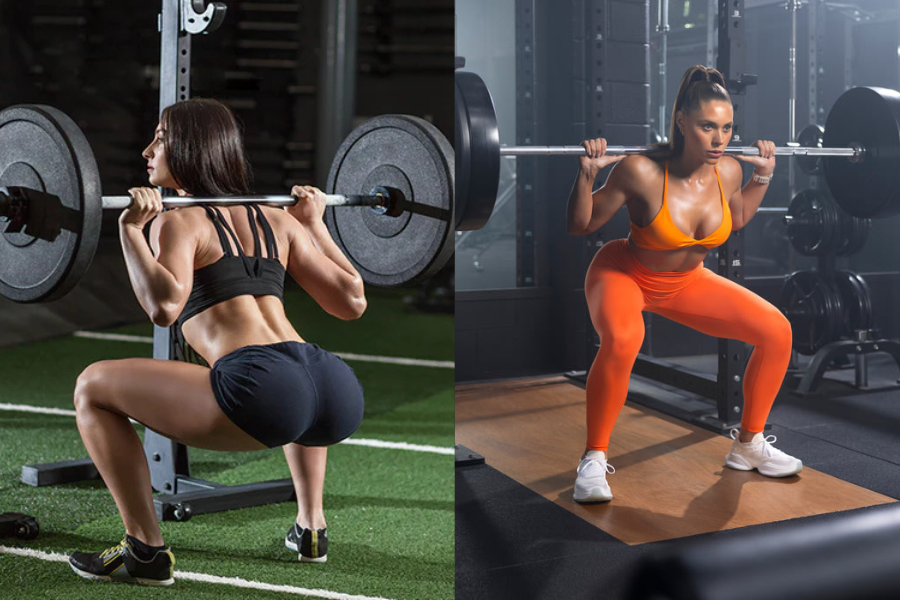
Squat pulses
- With the band still just above your knees, lower into a squat position.
- Pulse up and down a few inches, maintaining tension on the band.
- Keep your chest lifted and your core tight.
Include dynamic movements for power
Once your glutes are fired up, you can tap into dynamic exercises that teach your muscles to produce force more efficiently. These moves help bridge the gap between activation and real-world strength.
Walking lunges
- Start by standing tall with feet hip-width apart.
- Step forward into a lunge, bending both knees to about 90 degrees.
- Push off your front foot, bringing it forward for the next lunge.
- Maintain an upright torso throughout the movement.
Step-ups
- Stand in front of a stable bench or step about knee-high.
- Drive through the heel of your working leg to step up, engaging your glutes.
- Bring your other foot up, then step down one foot at a time.
- Switch legs to work both sides.
Track and refine regularly
As you progress, keep tabs on how you feel during and after workouts. If you notice pain in your lower back or hamstrings, consider adjusting your form or reducing resistance for a short time. Glute activation isn’t about jumping straight into the heaviest weights, but rather priming your muscles to do their best work.
Quick tracking ideas
- Note any fatigue or soreness in a workout journal.
- Record short videos of your form to spot any imbalances.
- Gradually add weight, more reps, or longer band tension as you feel comfortable.
Consistently practicing glute activation exercises can set the stage for safer, more effective workouts. Start with a couple of these moves as part of your warmup, and you may quickly notice better performance and fewer aches. By prioritizing your glutes, you encourage proper alignment, improved strength, and overall lower-body resilience.
About the Author