Glute exercises are a vital part of your strength training routine. By targeting and strengthening the muscles in your hips and backside, you support better posture, reduce lower back stress, and build a stable foundation for everyday activities. Whether you spend most of your day sitting or standing, these exercises can transform how you move and feel, both in and out of the gym.
Understand how glute exercises matter
Building strong gluteal muscles goes beyond purely aesthetic benefits. When you focus on developing your glutes, you’re also investing in improved alignment and balance.
They protect your lower back
- Your glutes help stabilize and support your pelvis.
- When these muscles are weak, your lower back compensates, leading to strain or discomfort.
They boost everyday movements
- Simple tasks like walking, climbing stairs, or lifting objects rely heavily on strong glutes.
- Over time, glute strength helps you maintain good posture even when you’re not consciously thinking about it.
Use targeted moves for better posture
When it comes to glute exercises, quality matters. Moves that isolate and engage your glutes help you stand taller and keep your spine in a safe, neutral position.
Glute bridge basics
- Lie on your back with knees bent and feet hip-width apart.
- Press through your heels to lift your hips, squeezing your glutes at the top.
- Lower slowly, keeping control and tension in your core.
This exercise opens up your hips and activates key stabilizers, making it an excellent foundation for your glute routine.
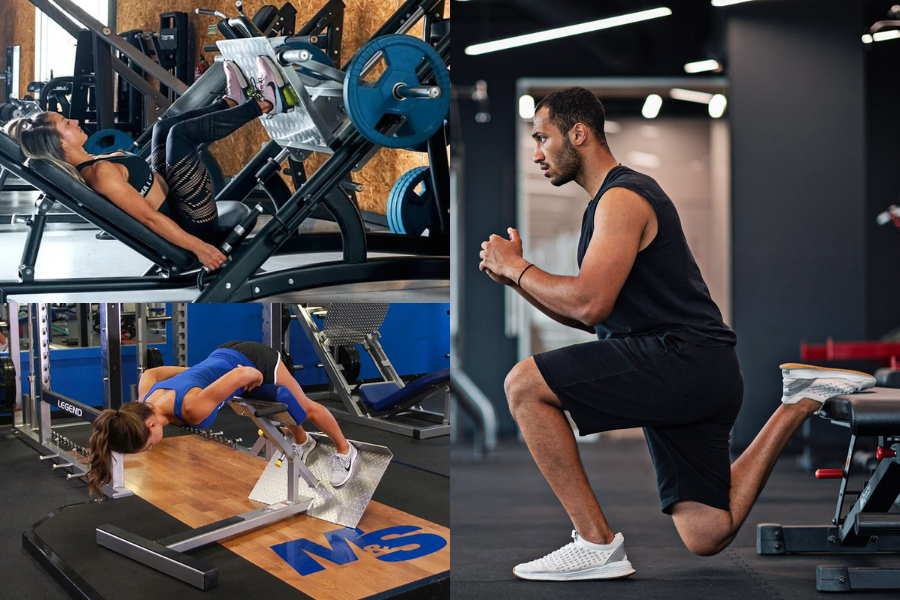
Squats and lunges
- Squats: Position your feet shoulder-width apart. Slowly lower your hips as if sitting in a chair, then push up through your heels.
- Lunges: Step one foot forward, lowering your back knee toward the ground. Keep your upper body upright and your core engaged.
Both moves train your glutes, quads, and hamstrings, helping you reinforce proper posture from the ground up.
Focus on form and alignment
Performing glute exercises with correct form ensures you get the most out of each movement. Paying attention to alignment minimizes the risk of injury and helps you establish better posture habits.
Avoid overarching your spine
- Engage your core muscles to stabilize your torso.
- Keep your chest lifted but avoid flaring your rib cage.
Maintain proper knee tracking
- In moves like squats and lunges, align your knees with your toes.
- This alignment supports your joints and keeps the focus on your glutes.
Blend glute work into routines
Making glute exercises a regular part of your routine doesn’t have to be overwhelming. Small adjustments to your typical workouts make a major difference in your strength and posture.
Integrate glute work throughout the week
- Dedicate specific workout days to lower-body training.
- Include low-impact activities, such as swimming or walking uphill, to continue glute engagement.
Keep variety in your program
- Add single-leg movements (single-leg deadlifts or single-leg bridges) to challenge balance.
- Gradually increase resistance with heavier weights or resistance bands to keep muscles adapting.
Key takeaways
- Strong glutes protect your lower back and help align your pelvis.
- Exercises like bridges, squats, and lunges form a solid foundation.
- Correct form (including a stable core and aligned knees) maximizes results.
- Consistent glute training supports better posture for both workouts and daily life.
Try adding one or two of these glute exercises into your next workout session. You’ll soon discover how a few targeted moves can lead to a stronger body, improved posture, and a more confident stride.
About the Author