Understand why glutes matter
You might be surprised by how much your glute muscles influence your everyday life. Glute workouts not only help shape and tone the lower body but also support better posture, ease lower back tension, and boost overall stability. When your glutes are strong, daily activities like climbing stairs or bending to pick up groceries feel more comfortable. Whether your fitness goal is to run faster or simply avoid aches, healthy glutes play a starring role.
Start with beginner exercises
If you are new to glute workouts, begin with simpler moves that activate the right muscles without overexerting yourself. You can build up your strength gradually and reduce the risk of strain.
Easy exercises to try
- Glute bridge: Lie on your back with knees bent, feet on the floor. Engage your core, then lift your hips until your body forms a straight line from shoulders to knees.
- Donkey kick: Get onto all fours. Keep your knee bent at a 90-degree angle and lift your leg until your thigh is in line with your body. Switch legs after a few reps.
- Clamshell: Lie on your side with legs bent and feet together. Keeping your feet touching, open your top knee like a clam, then slowly bring it back down.
Increase difficulty with advanced moves
Once you feel comfortable with beginner exercises, you can step up your glute workouts by adding weight or introducing more challenging positions. Overloading your muscles in a controlled way helps them adapt and grow stronger.
Moves to explore
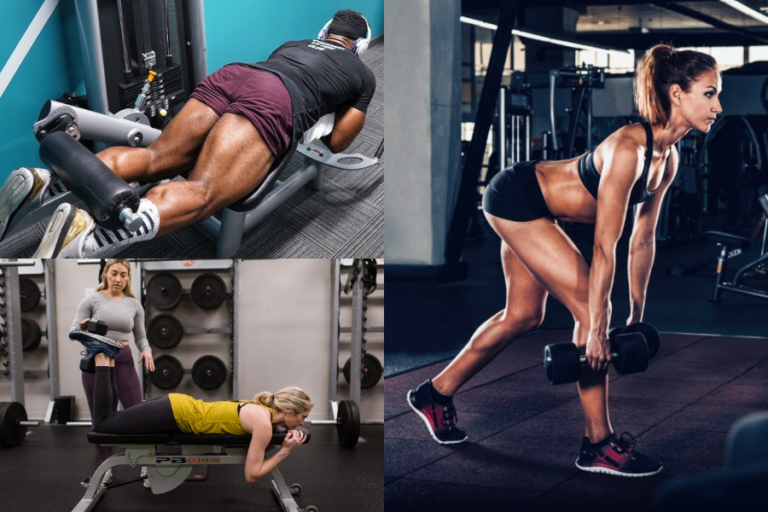
- Deadlift: With feet shoulder-width apart, hold a set of dumbbells or a barbell at hip level. Keeping your back straight, hinge forward at the hips, then drive them forward to stand back up.
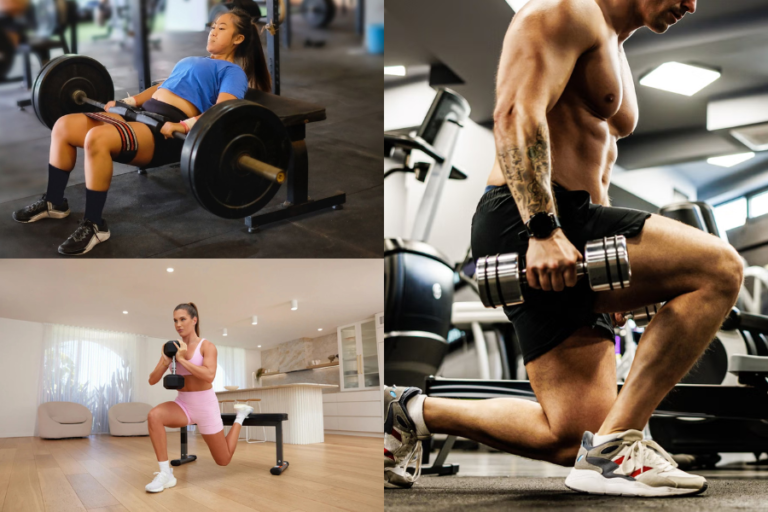
- Bulgarian split squat: Stand a few feet in front of a sturdy bench or chair. Place one foot behind you on the bench and slowly lower your body by bending your front knee. Switch legs after a set.
- Single-leg hip thrust: Sit with your upper back against a sturdy bench, knees bent. Lift one foot off the floor, then push through the other foot, driving your hips upward.
Fine-tune your form
Proper technique can make all the difference in achieving balanced, strong glutes. Focus on slow, controlled repetitions to create constant tension in your muscles. Keep your core engaged and maintain a neutral spine during each movement. If something feels off or uncomfortable, make small adjustments to your stance or the weight you are using. By paying close attention to form, you will see better results and avoid setbacks.
Tips for consistency
- Schedule three focused glute workouts per week to let your muscles recover in between sessions.
- Stretch or foam roll after workouts to reduce tightness and improve mobility.
- Track reps or record your personal best to see your progress over time.
Celebrate your stronger self
Glute training goes beyond appearances. Feeling steadier on your feet and noticing less tension in your lower back can be motivating signs that your hard work is paying off. Remember that building strength takes time and patience, so celebrate each milestone. Keep exploring new variations and pushing your limits in ways that feel comfortable and safe for you. Before you know it, your glutes will be powering you through daily tasks and workouts with ease. Enjoy the process—and your stronger self every step of the way.
About the Author