Understand the link between hormones and mental health
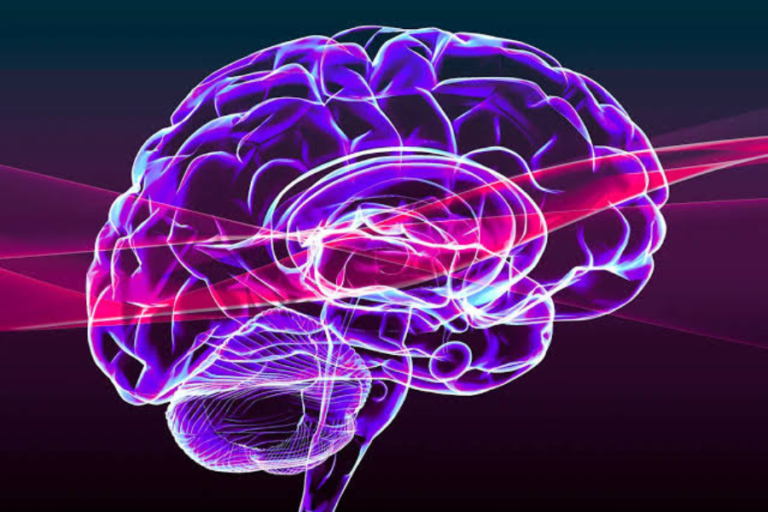
Your hormones and mental health are closely connected. Hormones are chemical messengers that help control how your body works, including metabolism, growth, reproduction, and stress. Almost all hormones secreted by your endocrine glands can influence mood, emotions, and mental health by affecting how your brain and body communicate (Hawai‘i CARES 988).
When these hormones are in balance, you are more likely to feel emotionally steady and resilient. When they are out of balance, you may notice symptoms like anxiety, low mood, irritability, sleep problems, or brain fog. Understanding how hormones affect your mental health can help you recognize when to seek support and what to ask your doctor about.
What hormones actually do
Hormones act like text messages sent through your bloodstream. Glands in your endocrine system release them, and different organs and brain areas read those messages and respond.
They help regulate:
- Mood and motivation
- Sleep and energy
- Appetite and weight
- Stress response
- Sexual function and fertility
- Growth and development
Your brain does not sit apart from all of this. It is deeply involved in sending, receiving, and responding to these hormonal signals, which is why physical and mental health are so tightly linked.
Meet the key hormones that affect mood
Some hormones have especially strong effects on mental health. Knowing their names and roles can make your symptoms feel less mysterious and give you language to use with your providers.
Serotonin: Mood, calm, and sleep
Serotonin helps regulate happiness, memory, sleep, body temperature, and hunger. When serotonin levels are in a healthy range, you are more likely to feel focused, calm, and generally content (Nationwide Children’s Hospital).
Low serotonin has been linked to:
- Depression
- Anxiety
- Poor sleep
- Digestive issues
Most serotonin is produced in your gut, not your brain, which is one reason gut health can influence mental health. Everyday habits like walking outdoors, getting sunshine, spending time with people, and eating tryptophan rich foods can help support serotonin levels (Nationwide Children’s Hospital).
Dopamine: Motivation and reward
Dopamine is often called a pleasure or reward chemical. Your brain releases dopamine when you do something that feels good, which reinforces important behaviors like eating and connecting with others. It plays a central role in the brain’s reward system and affects mood and motivation (Nationwide Children’s Hospital).
When dopamine is out of balance, you might notice:
- Low motivation or trouble feeling pleasure
- Cravings or compulsive behaviors
- Difficulties with focus
Although true hormone disorders affecting dopamine and serotonin are rare, when they do occur they can make regulating mood very challenging, which is why pediatric and adult endocrinologists study these imbalances closely (Nationwide Children’s Hospital).
Cortisol: Stress and anxiety
Cortisol is your main stress hormone. Your body releases it when you face a challenge so you can react quickly. In short bursts, this is helpful. Problems arise when cortisol is elevated for long periods due to chronic stress.
High or dysregulated cortisol is linked to:
- Changes in mood, including depression symptoms (Psych Central)
- Anxiety and a heightened stress response
- Problems with sleep and energy
Many people with depression have altered cortisol patterns, although baseline cortisol alone is not enough to diagnose depression (Psych Central). A Mendelian randomization study in 2024 found that genetically higher morning cortisol levels were associated with a higher risk of anxiety, but not major depression or general neuroticism, which suggests cortisol may play a more direct role in anxiety disorders (Biological Psychiatry Global Open Science).
Very high or very low cortisol can also be part of medical conditions such as Cushing’s syndrome or Addison’s disease, both of which include mood changes and depressive symptoms (Psych Central).
Thyroid hormones: Energy and emotional balance
Your thyroid gland in your neck makes hormones that control how fast or slow your body uses energy. These hormones affect your mood, energy, and even how you think.
If your thyroid is overactive (hyperthyroidism), you may feel:
- Anxious or “on edge”
- Emotionally unstable
- Overstimulated or wired
If your thyroid is underactive (hypothyroidism), you may feel:
- Depressed or low
- Sluggish or tired
- Foggy or slowed in your thinking
Mood changes often track with how severe the thyroid disorder is (Mayo Clinic). People with thyroid disease commonly experience emotional sensitivity, anxiety, depression, and cognitive difficulties that are directly tied to abnormal thyroid hormone levels (British Thyroid Foundation).
Changes in physical appearance, such as weight shifts, hair loss, or facial changes from thyroid eye disease, can also lower self-esteem and mood (British Thyroid Foundation). The good news is that many psychological symptoms improve once thyroid levels are brought under control, though some people may need extra psychological support even after treatment begins to work (British Thyroid Foundation).
Sex hormones: Estrogen, progesterone, and testosterone
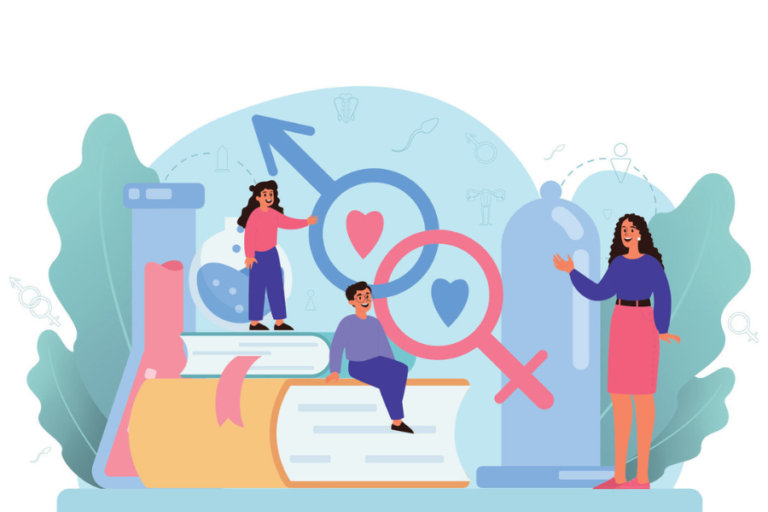
Sex hormones like estrogen, progesterone, and testosterone affect sexual health, fertility, and development. They also have strong effects on mood and emotions (Hawai‘i CARES 988).
You might notice mood shifts related to:
- Menstrual cycles
- Pregnancy
- Postpartum (after childbirth)
- Perimenopause and menopause
Menopause related declines in estrogen and progesterone, for example, are linked with higher risks of anxiety and depression (Hawai‘i CARES 988).
See how hormones shape mental health across life stages
Your hormones are not static. They change naturally throughout your life and those shifts can strongly influence your mental health.
Monthly cycles and mood
If you menstruate, hormone levels rise and fall throughout each month. This can lead to:
- Irritability or mood swings
- Increased anxiety
- Low mood before your period
For some people these changes are mild. For others they are intense and disruptive. If your mood symptoms are severe or interfere with daily life, conditions like premenstrual dysphoric disorder (PMDD) may be involved and it is important to talk with a professional.
Pregnancy and postpartum changes
During pregnancy, estrogen and progesterone levels rise sharply, then drop quickly after childbirth. This rapid shift, combined with sleep loss and lifestyle changes, can affect your mental health.
Research shows that hormonal fluctuations and environmental stressors can contribute to postpartum mental health issues and even obsessive compulsive disorder (OCD). One large study of 86,000 women found that 1.7 to 4 percent had their first onset of OCD after childbirth, and 25 to 40 percent had a recurrence of OCD symptoms in the postpartum period (Anxiety & Depression Association of America).
If you notice intrusive thoughts, compulsive behaviors, or intense anxiety after having a baby, this is not a personal failing. Hormonal shifts can play a real role, and effective treatment is available.
Perimenopause, menopause, and mood
As you approach menopause, estrogen and progesterone levels fluctuate and then decline. Psychiatrist Dr. Nina Vasan notes that these changes can significantly affect mental health and increase the risk of both anxiety and depression (Hawai‘i CARES 988).
You might notice:
- New or worsening anxiety
- Depressive symptoms
- Sleep disruptions
- Feeling “not like yourself”
A holistic approach, which can include hormone replacement therapy where appropriate, lifestyle changes, and psychological support, is often the most helpful path forward (Hawai‘i CARES 988).
Recognize when hormones might be part of the picture
Not every mental health issue is caused by hormones, but hormones and mental health interact so often that it makes sense to consider them together. You cannot self diagnose a hormone imbalance, but you can notice patterns that suggest it is worth checking.
You might talk with your doctor about hormones if you notice:
- Mood changes that track with your menstrual cycle, pregnancy, postpartum period, or menopause
- Anxiety or depression that begins after starting or changing a hormone related medication
- Emotional changes along with clear physical symptoms like weight changes, hair loss, tremors, heat or cold intolerance, or major shifts in sleep
- Persistent fatigue or brain fog that does not match your lifestyle or stress level
Endocrinological disorders often come with mental health symptoms, because the endocrine system’s job is to maintain balance in the body. When that balance is disrupted, your mood can shift too (Hawai‘i CARES 988).
Explore the mind body connection
Conditions like OCD, depression, and impulsive aggression highlight how your brain, hormones, and immune system work together.
Hormones, OCD, and anxiety
OCD is not only a “brain disorder.” It is closely tied to physiological health including hormonal and immune functioning (Anxiety & Depression Association of America). Risk factors include:
- Melatonin deficiency, which affects sleep
- Elevated cortisol, which affects how your body responds to stress
Fluctuations in estrogen and progesterone during the menstrual cycle, pregnancy, and postpartum can trigger or worsen OCD symptoms. High estrogen may increase anxiety, while progesterone tends to calm it, so swings between these hormones can be challenging (Anxiety & Depression Association of America).
Integrated treatment that addresses hormonal imbalances and co occurring physical conditions, such as insulin resistance or migraine, can lead to large improvements. In one case, this kind of multidisciplinary care reduced OCD symptoms by about 67 percent, even though hormones were still fluctuating (Anxiety & Depression Association of America).
Serotonin, dopamine, and impulsive aggression
Serotonin and dopamine also influence how you control impulses and manage anger. Research shows that low serotonin activity in parts of the brain that help regulate behavior can set the stage for impulsive aggression, which often occurs alongside depression, substance misuse, and suicidal behavior (NCBI PMC).
When serotonin signaling is low, dopamine activity can become relatively higher, and this imbalance contributes to more impulsive and aggressive actions. Lower levels of a serotonin metabolite called 5 HIAA in the cerebrospinal fluid have been linked across species with poor impulse control and increased aggression (NCBI PMC).
This does not mean that hormones excuse harmful behavior. It does mean that for some people, understanding and treating the underlying neurochemical issues can be an important part of recovery.
Support your hormones and mental health in daily life
You cannot control every hormone in your body, but you can build habits that support healthier patterns and make it easier for your brain and body to work together.
Start with realistic lifestyle shifts
Lifestyle changes are not a cure all, especially if you have a significant medical or psychiatric condition. Still, they can gently support feel good hormones like dopamine, serotonin, endorphins, and oxytocin and can make professional treatment more effective (Harvard Health Publishing).
You might try:
- Moving your body most days, even if it is just a short walk
- Getting outside in natural light when you can
- Building small, reliable routines around sleep and meals
- Spending time with people or pets who help you feel safe and connected
- Practicing simple relaxation skills, like slower breathing or guided meditations
Be cautious with hormone related supplements
You may see supplements that promise to “boost serotonin” or “balance hormones.” For most people, these are not necessary and can carry side effects like headaches, nausea, or serious but rare conditions such as eosinophilia myalgia syndrome linked to some 5 HTP products (Harvard Health Publishing).
If you are considering supplements, especially if you already have a hormone related condition, talk with a healthcare professional first. In some situations, like Parkinson’s disease, carefully prescribed medications targeting specific neurotransmitters are much safer and more effective than over the counter products (Harvard Health Publishing).
Work with professionals, not against them
When hormones and mental health are involved, you usually get the best results when different types of professionals work together.
Depending on your situation, your care team might include:
- A primary care doctor to coordinate testing and referrals
- An endocrinologist to diagnose and treat hormone or thyroid disorders
- A psychiatrist or psychiatric nurse practitioner to manage medications that affect brain chemistry
- A therapist to help you build coping skills and process the emotional impact of these changes
Treatment for hormone related mental health issues is often holistic. It may combine targeted medication, like hormone replacement therapy for menopause, with lifestyle changes and psychological support tailored to your symptoms (Hawai‘i CARES 988).
If you feel like you are doing everything “right” and still struggling, that is a signal to reach out, not a reason to blame yourself. Hormonal and neurochemical patterns are not under your direct control. Getting curious about them and asking questions is a way to take your wellbeing seriously.
Put this knowledge into action
To start taking more control of your wellbeing with hormones and mental health in mind, you could:
- Track your mood, sleep, and energy for a few weeks, and note any patterns with your cycle, stress, or life events.
- Write down any physical symptoms like weight changes, hair changes, heat or cold intolerance, or heart palpitations.
- Bring your notes to your next medical appointment and ask if hormone or thyroid testing makes sense for you.
- If you already have a diagnosis, ask how your treatment plan addresses both physical and mental health.
You do not have to become an endocrinologist to benefit from this knowledge. Simply understanding that hormones and mental health are closely linked can make your symptoms feel more understandable and give you clearer options for support.
About the Author