Understand what the “inner chest” really is
If you are searching for inner chest exercises, you are probably trying to fill that gap along your sternum and make your chest look fuller. It helps to know what you are actually training.
Your inner chest is not a separate muscle. It is part of the pectoralis major, mainly the sternocostal head that attaches along your breastbone. You cannot isolate it completely, but you can emphasize it with movements that bring your arms toward or across the center of your body, a motion called adduction.
In practical terms, this means:
- Pressing with a slight inward path instead of straight up and down
- Using fly variations where your hands move toward or past the midline of your chest
- Focusing on a strong squeeze at the top of each rep
You will still train your whole chest, but these tweaks help you feel more work in that inner portion near the sternum.
Set up your chest safely and effectively
Before you jump into inner chest exercises, you need a stable base. Proper setup keeps your shoulders safe and helps you actually feel your pecs doing the work.
Warm up before you lift
Cold, tight chest muscles limit range of motion and raise your risk of strains or tears. A short warmup is enough:
- 3 to 5 minutes of light cardio like brisk walking or cycling
- Dynamic shoulder circles and arm swings
- A couple of easy sets of push ups or light cable flyes to get blood into the pecs
Not warming up can compromise your inner chest activation during heavier sets, so treat it as part of the workout, not an optional extra.
Protect your shoulders with scapular positioning
Retracting your shoulders, or pinching your shoulder blades together, gives your chest a firm base. Fitness guides and physical therapists often recommend this positioning for pressing movements because it improves force generation and shoulder safety.
Try this setup on any bench press or dumbbell press:
- Lie back and place your feet flat on the floor.
- Think about tucking your shoulder blades into your back pockets.
- Gently squeeze your shoulder blades together and down.
- Keep that position throughout the set while your rib cage stays lifted.
This position helps you feel more tension where you want it, across the chest, including the inner fibers near the sternum.
Pay attention to posture and stretching
Your chest is involved in a lot of daily activities, especially when you hunch over phones and laptops. Over time, that can create tightness that pulls your shoulders forward. According to HSS physical therapist Anil Nandkumar, DPT, maintaining proper posture and following a well rounded strength training routine is important to prevent injuries and chronic tightness in the chest muscles.
Simple stretches you can use after training include:
-
Doorway stretch
-
Place your forearms on a door frame at 90 degrees.
-
Step one foot forward and gently lean through the doorway until you feel a stretch across your chest.
-
Hold 20 to 30 seconds, then relax.
-
Foam roller chest stretch
-
Lie lengthwise on a foam roller so your head and tailbone are supported.
-
Let your arms fall out to the sides, palms up.
-
Adjust until you feel a gentle stretch, then hold for 30 seconds.
Stretching reduces chest tightness and may help you avoid overuse issues like tendonitis and even more serious problems such as thoracic outlet syndrome, which can occur when structures in the shoulder region get compressed.
Focus on form, not ego lifting
If your goal is better inner chest development, your form matters more than the numbers on the bar. Letting your ego pick your weights often shifts the load to your shoulders or triceps instead of your pecs.
Helpful reminders during every set:
- Use a controlled tempo. Avoid bouncing in the bottom or slamming weights together at the top.
- Stop a rep if your shoulders roll forward or you lose scapular control.
- Think about bringing your upper arms toward the middle of your chest rather than just straightening your elbows.
A strong mind muscle connection is especially important for inner chest work. When your arms come together or cross the midline, consciously squeeze your chest and hold the contraction for a moment.
Use the right rep ranges for growth
To build a fuller inner chest, you want both size and strength. Research based programming often suggests mixing rep ranges for the best results:
-
Heavy compound lifts like bench presses:
-
3 to 4 sets of 3 to 8 reps
-
Focus on progressive overload and stable form
-
Isolation style lifts like fly variations and hex presses:
-
3 sets of 8 to 12 reps
-
Focus on a strong squeeze and smooth control
This combination helps you push more weight in the big lifts while still giving that inner chest region plenty of focused time under tension.
Build your foundation with presses
Pressing movements are the backbone of most chest programs. To emphasize inner chest, you will tweak the angle, grip, and path of the press.
Dumbbell bench press
Dumbbells encourage stability and allow a slightly inward path, which helps engage the inner chest.
How to do it
- Lie on a flat bench with a dumbbell in each hand, feet flat on the floor.
- Set your shoulders by pinching your shoulder blades together and down.
- Start with the dumbbells over your chest, palms facing forward.
- Lower them in a controlled arc until your elbows are just below bench level.
- Press up and slightly inward, as if you are tracing a triangle with your hands.
- Stop just before the dumbbells touch and squeeze your chest for a second at the top.
That slight inward motion naturally highlights adduction, which helps you feel work closer to the sternum.
Incline dumbbell bench press
Your upper chest, which runs from your collarbones down about halfway, plays a big role in how your whole chest looks. Because it is naturally thinner than the lower pecs, it can easily lag behind. An incline emphasizes this region and can support a higher, more athletic chest appearance.
How to do it
- Set a bench to about a 30 degree incline.
- Use the same shoulder setup and dumbbell position as the flat press.
- Lower the weights toward the upper chest, keeping elbows at roughly a 45 degree angle from your torso.
- Press up and slightly inward, again thinking of drawing a triangle above your face and chest.
Prioritizing this exercise early in your workout helps you avoid the “droopy” look that sometimes happens when lifters focus only on flat or decline presses.
Close grip incline bench press
A closer grip on an incline barbell or dumbbell press brings your elbows and hands nearer to your midline. That can increase involvement of the clavicular region and inner fibers.
Form tips
- Place your hands slightly inside shoulder width, not so close that your wrists feel jammed.
- Keep your elbows under your wrists the whole time.
- Lower the bar or dumbbells under control to just above your upper chest.
- Press up, focusing on driving your biceps toward each other, not just up toward the ceiling.
Workout plans that use this move often suggest 3 to 4 sets of 6 to 8 reps to build both strength and mass in the upper inner chest.
Chest press machines and free weights
Machine chest presses can be helpful, especially if you are new to strength training or managing injuries, because they guide your path and reduce the need for balance. They are often recommended for building basic chest strength and size and can even help your clothing fit better across the torso.
However, relying only on machines can limit your development. Free weights like barbells and dumbbells typically require more overall muscle engagement, which can benefit both aesthetics and functional strength. Many classic physiques were built mainly with free weights, with machines used as a supplement.
A good approach is to make free weight presses your main lifts, then use machines later in the workout when you want to safely push to fatigue without worrying about stabilizing small muscles.
Add fly variations for inner chest emphasis
Presses build mass, but fly motions are where you can really lean into adduction and inner chest activation. You cannot isolate the inner chest completely, but these inner chest exercises place more emphasis on it.
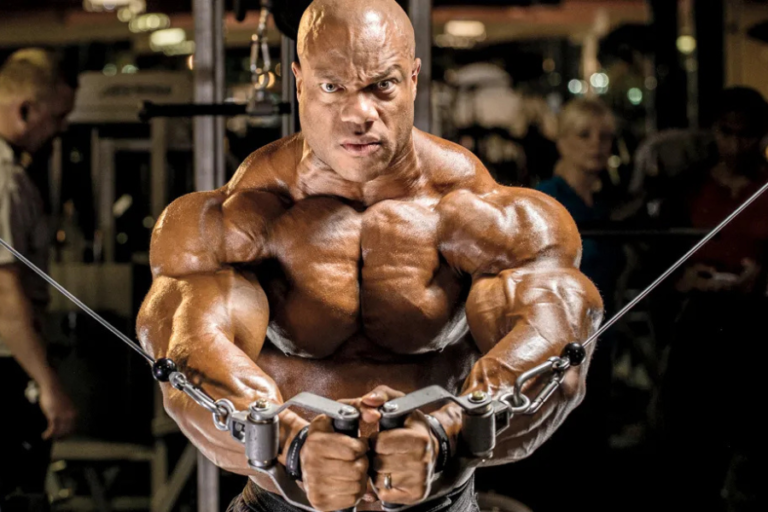
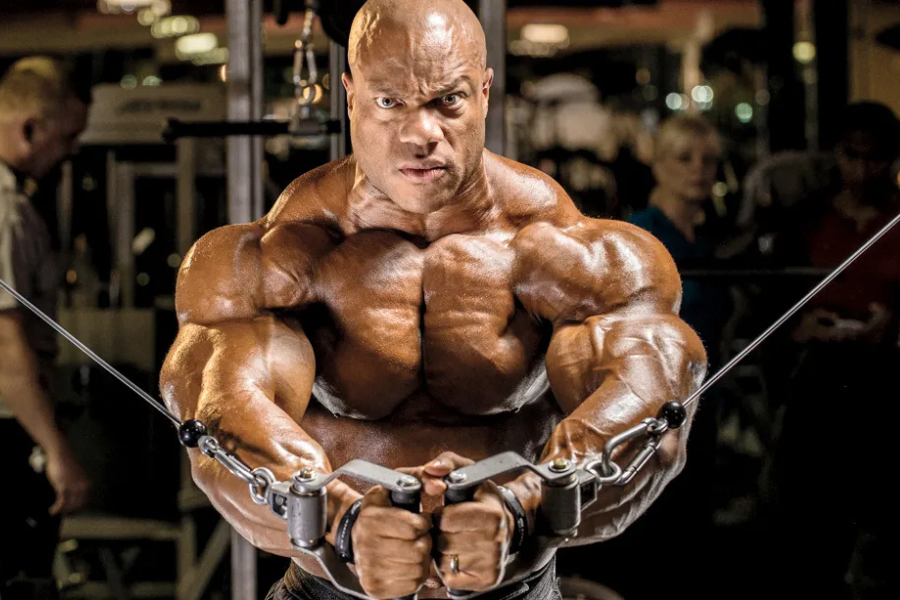
Cable fly and cable crossover
Cables provide steady tension through the entire range of motion, unlike dumbbells where resistance can drop off when your hands come together. This makes cable flyes a strong option for inner chest work.
Standard cable fly
- Set the pulleys slightly above shoulder height.
- Step forward into a staggered stance, knees soft, core braced.
- Start with your arms out to the sides, elbows slightly bent.
- Sweep your hands together in front of your chest in a wide hugging motion.
- Cross one hand slightly over the other, pause, and squeeze your chest.
- Slowly return to the starting position without letting the weights slam.
Back supported cable crossover
In this variation, you sit or lie against a bench for back support. You still focus on bringing your hands together or even slightly past each other to maximize inner chest squeeze, but your shoulders feel less strain because your back is supported.
Guides often recommend 3 sets of 10 to 12 reps on these moves for hypertrophy and control.
T bench fly
The T bench fly is a dumbbell variation that lets you go a bit heavier while still targeting the adduction pattern.
How to do it
- Place a flat bench lengthwise and another bench or box across it at one end to create a T shape.
- Lie with your upper back supported on the cross bench, hips slightly lowered so your body forms a bridge.
- Hold a dumbbell in each hand directly above your chest, palms facing each other.
- With a small bend in your elbows, lower your arms wide until you feel a stretch across the chest.
- Bring the weights back together over your chest, focusing on squeezing your inner pecs as your hands approach.
Typically, 3 sets of 10 to 12 reps works well. The stable base helps protect your shoulders while allowing a deeper stretch and strong contraction.
Single arm chest fly
Working one side at a time with cables or bands increases your focus and can shift more emphasis to the inner upper pec. It also reduces the stress on your shoulder joint compared to some heavy dumbbell flyes.
How to do it
- Stand sideways to a cable stack or anchor, handle in the far hand.
- Step out to create light tension at the starting position.
- With a slight bend in your elbow, sweep your arm across your body toward the opposite side of your chest.
- Pause when your hand crosses your midline and squeeze.
- Return slowly until you feel a stretch, then repeat.
You can pair these with single arm presses in the same workout to increase volume without overloading your joints.
Try specialized inner chest presses
Certain exercises use a neutral grip or plates to keep your hands close together throughout the movement. This can be very effective for emphasizing the inner region while limiting shoulder stress.
Hex press
The hex press uses dumbbells squeezed together during a press. The constant inward pressure increases activation in the inner chest.
How to do it
- Lie on a flat bench with two dumbbells held together over your chest, palms facing each other.
- Lightly press the dumbbells into each other so they stay in contact.
- Lower them toward your sternum, keeping your elbows close but comfortable.
- Press back up while still squeezing the dumbbells together and hold the top position for a second.
This neutral grip often feels easier on your shoulders than a wide barbell grip, which makes it a good choice if you tend to get shoulder discomfort from traditional presses.
Pinch plate press
The pinch plate press is similar, but you squeeze weight plates together instead of dumbbells. The constant adduction demand makes it an inner chest friendly move.
How to do it
- Stand or lie on a bench holding two flat plates between your palms at chest level.
- Press the plates together firmly, elbows slightly tucked in.
- Extend your arms forward until your elbows are almost straight.
- Keep crushing the plates together for the entire movement.
- Slowly bring them back to your chest without losing that squeeze.
Because the neutral grip reduces stress on your shoulder joint, this exercise is often recommended when you want to work the chest without aggravating shoulder issues.
Use push ups and weighted variations
You do not have to be in a gym to train your inner chest. Push ups are a versatile option and work well when you adjust your hand position or resistance.
Start with modified push ups
If standard push ups are too challenging or cause shoulder discomfort, ease in with simpler variations. HSS experts recommend beginning with:
- Wall push ups
- Stand an arm’s length from a wall, place your hands slightly wider than shoulder width, and lean toward the wall.
- Incline push ups
- Place your hands on a sturdy elevated surface like a bench or table and perform push ups with your body at an angle.
- Knee push ups
- From a modified plank position on your knees, lower and press back up.
These allow you to practice good form with less risk of pain or improper technique.
Move toward closer grip or weighted push ups
As you get stronger:
- Gradually narrow your hand position, so your thumbs are a bit closer to the midline. This shift can increase inner chest involvement, as long as your wrists and shoulders feel comfortable.
- Add resistance with a weight plate on your upper back or a weighted vest for heavier sets. Weighted push ups are often listed among the most effective inner chest exercises when your form is solid.
Aim to keep your elbows at about a 30 to 45 degree angle from your body rather than flared straight out. This protects your shoulders and keeps the focus on your pecs.
Support pressing strength with pullovers
The dumbbell pullover is not a pure inner chest exercise, but it can support chest development and overall upper body stability.
How to do it
- Lie on a bench with your head near one end and feet planted.
- Hold a single dumbbell with both hands over your chest.
- With just a slight bend in your elbows, slowly lower the weight back over and behind your head.
- Stop when you feel a stretch in your chest and lats, then pull the weight back over your chest.
You will feel this in your lats as well, which is normal. Used alongside your other chest work, it can help improve shoulder mobility and support the feeling of expansion across your chest.
Combine exercises into a simple inner chest workout
You do not need a complicated routine. You do want a mix of presses and flyes, plus upper chest and inner chest emphasis. Here is a sample gym workout you can adapt:
- Incline dumbbell bench press
- 3 to 4 sets of 6 to 8 reps
- Close grip incline bench press or hex press
- 3 sets of 6 to 8 reps
- Flat dumbbell bench press
- 3 sets of 8 to 10 reps
- Cable fly or back supported cable crossover
- 3 sets of 10 to 12 reps, focus on crossing slightly at the top
- Single arm cable fly
- 2 to 3 sets of 10 to 12 reps each side
- Chest stretch routine
- Doorway stretch and foam roller chest stretch for 2 rounds each
On days when you train at home, you might use:
- Close grip or diamond style push ups
- Incline push ups on a sturdy surface
- Resistance band flyes or single arm flyes
- A short chest stretching sequence
Rest 48 to 72 hours between hard chest sessions so your muscles have time to recover and grow.
Avoid common inner chest training mistakes
A few patterns hold a lot of lifters back from the chest they want. Watch for these in your own training:
- Only doing flat barbell bench
- Over time this can overdevelop your lower pecs and leave your upper chest and inner chest behind.
- Using only machines
- They are useful, but free weights encourage more muscle recruitment, which is helpful for full, dense pecs.
- Rushing reps and skipping the squeeze
- If you never pause to contract at the top of a fly or press, you miss a lot of potential inner chest stimulation.
- Ignoring shoulder and chest tightness
- Tight muscles and poor posture can raise your injury risk, especially when you go heavy. Stretching and mobility work matter.
- Expecting to erase a genetic gap
- You can reduce a chest gap by adding mass, especially with adduction focused work, but the exact shape of your chest is partly genetic. Aim for progress, not perfection.
Put it all together
If you want a fuller looking chest, inner chest exercises should be part of your routine, not your entire focus. Your best approach is to:
- Train the whole chest with a bias toward adduction based moves like flyes, hex presses, and inward path dumbbell presses.
- Give attention to your upper chest with incline variations so your chest looks higher and more balanced.
- Warm up properly, retract your shoulders, and stretch regularly to protect your joints and keep your range of motion.
- Use smart rep ranges, avoid ego lifting, and concentrate on a strong squeeze at the top of each rep.
Start by adding one or two of the exercises here to your next chest day. Pay attention to where you feel the work and adjust until you get that clear inner chest contraction. Over time, consistent effort with good form will do more for your chest than any single “secret” move.
About the Author