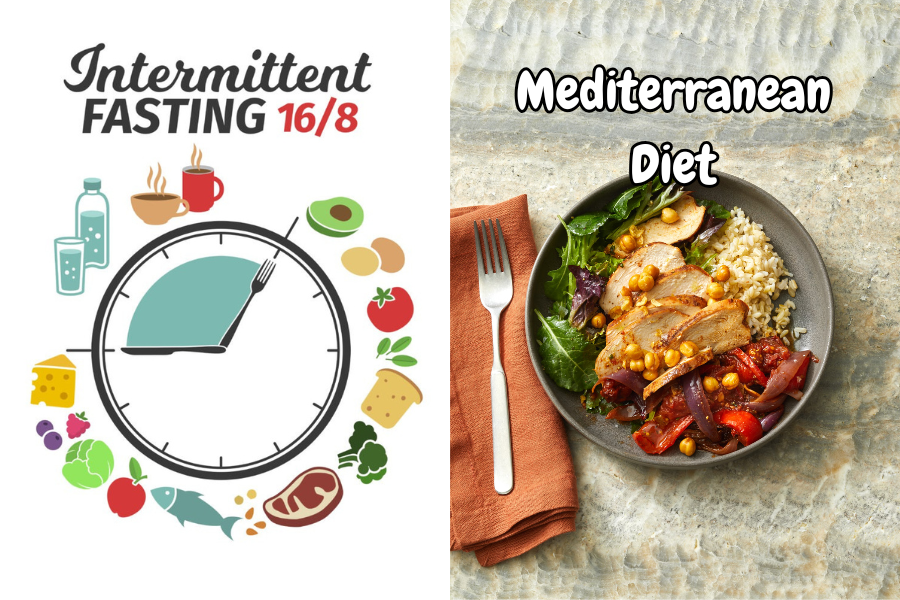
Understand intermittent fasting vs Mediterranean diet
If you are comparing intermittent fasting vs Mediterranean diet for weight loss, you are really asking two slightly different questions:
- When should you eat?
- What should you eat?
Intermittent fasting focuses on when you eat by cycling between eating and fasting periods. The Mediterranean diet focuses on what you eat by emphasizing plant-based foods and healthy fats. Both can support weight loss and better health, but in different ways and on different timelines.
Below, you will see how each approach works, what the science says, and how to decide which one is a better fit for your life and your goals.
Learn the basics of each approach
What intermittent fasting is
Intermittent fasting (IF) is a pattern of eating that alternates between periods of eating and fasting. The focus is on timing rather than specific foods, although what you eat still matters for your results.
Common intermittent fasting schedules include:
- 16:8 method
- You fast for 16 hours, then eat within an 8 hour window each day.
- 5:2 method
- You eat normally 5 days per week, then significantly reduce calories on 2 nonconsecutive days.
- Alternate day fasting
- You rotate between days of very low calorie intake and days of regular eating.
According to Prolon, intermittent fasting can be a flexible and effective option for weight loss because it centers on when you eat instead of strict food lists (Prolon).
What the Mediterranean diet is
The Mediterranean diet is a plant-forward way of eating inspired by the traditional diets of countries that border the Mediterranean Sea. Rather than a short term diet, it is closer to a long term lifestyle.
Key features of the Mediterranean diet include (Prolon):
- Plenty of vegetables and fruits
- Whole grains like oats, quinoa, and brown rice
- Nuts and seeds
- Legumes such as beans and lentils
- Healthy fats, especially olive oil
- Moderate amounts of fish and seafood
- Limited red meat and processed foods
The Mediterranean diet is widely known as a heart healthy approach that also supports sustainable weight management over time.
Compare how each helps with weight loss
How intermittent fasting supports weight loss
Intermittent fasting can help you lose weight mainly because it:
- Narrows your eating window, which often leads to fewer total calories
- Encourages your body to use stored energy between meals
- May improve insulin sensitivity in the short term
Because you spend more time in a fasting state, your body has longer breaks from processing food. For some people, this makes it easier to maintain a calorie deficit without counting every bite.
However, the quality of your food still matters. If you eat mostly ultra processed or high sugar foods during your eating window, your results will likely be limited.
How the Mediterranean diet supports weight loss
The Mediterranean diet can help with weight loss by:
- Prioritizing high fiber foods that keep you feeling full
- Using healthy fats like olive oil that support satiety
- Reducing highly processed foods that are easy to overeat
- Promoting a steady, balanced intake rather than sharp spikes and crashes
Even though it does not focus directly on calories, this style of eating naturally nudges you toward nutrient dense, lower calorie meals. Over time, that can lead to gradual and sustainable weight loss.
Short term vs long term results
When you look at intermittent fasting vs Mediterranean diet side by side, a simple pattern emerges:
-
Intermittent fasting
-
May give you quicker changes on the scale, especially at the beginning
-
Results depend heavily on how much and what you eat during your eating window
-
Mediterranean diet
-
Often leads to slower, steadier weight loss
-
Emphasizes overall health and habits you can keep for years
Prolon notes that intermittent fasting may lead to faster weight loss results, while the Mediterranean diet is better known for long term, heart healthy benefits (Prolon).
Review what the science says about health
Evidence in people with type 2 diabetes
A large review of 22 randomized controlled trials looked at the effects of the Mediterranean diet and intermittent fasting in adults with type 2 diabetes between 2013 and 2023 (PubMed). The researchers compared outcomes such as:
- Blood sugar control
- Cholesterol and other lipid levels
- Body weight and other body measurements
The review found that both intermittent fasting and the Mediterranean diet:
- Improved blood sugar control
- Improved lipid profiles
- Led to better anthropometric measures such as weight and waist size
However, the Mediterranean diet showed more consistent and sustainable benefits over the long term.
The authors suggested that the superior long term effects of the Mediterranean diet may be linked to its higher content of:
- Antioxidants
- Healthy fats
- Dietary fiber
All of these support healthier metabolism and more stable blood sugar over time (PubMed).
Benefits and risks of intermittent fasting for health
The same review and other research point out that intermittent fasting:
- Can improve blood sugar levels and lipid profiles in the short term
- May help with weight loss and metabolic health
At the same time, intermittent fasting can carry some downsides, especially if you have diabetes or use blood sugar lowering medications. These include:
- Increased risk of low blood sugar (hypoglycemia)
- Difficulty sticking with strict fasting windows over time
- Possible overeating during eating windows if you feel overly hungry (PubMed)
This does not mean intermittent fasting is unsafe for everyone, but it does mean you should talk with your healthcare provider before starting, especially if you have any medical conditions.
Why the Mediterranean diet stands out
In the same set of trials, the Mediterranean diet stood out as the preferred long term strategy for managing type 2 diabetes and supporting overall metabolic health. The review concluded that:
- The Mediterranean diet is a strong option for ongoing management
- Intermittent fasting may be useful as a short term or complementary strategy
- More research is needed to define the best ways to combine or compare them directly (PubMed)
Even if you do not have diabetes, these findings are useful. They suggest that if you want something you can follow for years, a Mediterranean style pattern may be easier to maintain and more protective for your health.
Explore fasting types beyond daily IF
Prolonged fasting and fasting mimicking diets
In addition to day to day intermittent fasting, some people explore longer fasts or specialized programs.
According to Prolon:
-
Prolonged fasting
-
Lasts longer than 72 hours
-
Is usually done only a few times per year
-
May support deeper benefits like cellular rejuvenation, weight loss, and longevity that go beyond shorter intermittent fasts (Prolon)
-
Fasting Mimicking Diet (FMD)
-
Prolon’s 5 day Fasting Mimicking Diet is designed to trigger many of the same effects as fasting while still allowing some food intake
-
This structure can make fasting feel more manageable while still supporting weight loss and metabolic health (Prolon)
If you are considering prolonged fasting or a fasting mimicking program, it is especially important to talk to your doctor first. These approaches are more intensive than typical daily IF.
Weigh the pros and cons side by side
The table below gives you a quick comparison of intermittent fasting vs Mediterranean diet for weight loss and health.
| Feature | Intermittent fasting | Mediterranean diet |
|---|---|---|
| Main focus | When you eat | What and how you eat |
| Typical speed of weight loss | Often quicker at first | Gradual and steady |
| Long term sustainability | Can be challenging for some | Generally high, more lifestyle based |
| Food quality rules | Flexible, but quality still matters | Clear emphasis on whole, plant based foods and healthy fats |
| Evidence for metabolic health | Short term improvements in blood sugar and lipids | Consistent long term benefits for metabolic and heart health |
| Key risks or challenges | Hypoglycemia risk in some, adherence difficulties | Requires shifts in shopping, cooking, and some daily habits |
| Best suited for | You prefer structured timing and clear windows | You prefer a flexible, flavorful, food focused approach |
Decide which approach fits your life
Questions to ask yourself
To choose between intermittent fasting vs Mediterranean diet, or to combine elements of both, it helps to consider:
- Your daily schedule
- Do you work shifts, have early mornings, or late nights that make fixed fasting windows tough?
- Your relationship with hunger
- Do you tend to get irritable, lightheaded, or anxious when you go long hours without food?
- Your cooking habits
- Are you willing to shop and cook more whole foods like vegetables, beans, and fish?
- Your medical history
- Do you have diabetes, low blood pressure, or take medications that could be affected by long fasting periods?
Being honest about your preferences and constraints will give you a better chance of sticking with any plan you start.
When intermittent fasting might suit you
Intermittent fasting may be a good option if:
- You like clear, time based boundaries
- You prefer fewer, larger meals over many small snacks
- You want a straightforward structure you can repeat each day
- You feel comfortable going without food for longer stretches
If you choose IF, you can still use Mediterranean style meals during your eating window. This can help protect your health and improve your long term success.
When the Mediterranean diet might suit you
The Mediterranean diet might be a better fit if:
- You enjoy cooking or are open to learning simple recipes
- You like the idea of a lifestyle shift instead of a short term diet
- You prefer steady, moderate hunger levels throughout the day
- You want an eating pattern with strong evidence for heart and metabolic health
You can still apply light timing strategies within this pattern, such as avoiding late night eating or keeping a consistent daily meal schedule.
Combine the strengths of both
You do not have to choose an all or nothing approach. Many people blend elements of intermittent fasting and the Mediterranean diet to get the best of each.
Here are a few ways you might combine them:
- Use a gentle fasting window
- Try a 12:12 or 14:10 schedule where you stop eating after dinner and wait until breakfast or a bit later the next day.
- Fill your eating window with Mediterranean style meals
- Focus on vegetables, whole grains, beans, nuts, seeds, fish, and olive oil.
- Avoid extreme restriction
- Rather than very long fasts, use moderate timing and prioritize how your body feels.
If you are curious about deeper fasting benefits but prefer some structure and food, a program like a 5 day Fasting Mimicking Diet may also be an option to discuss with your healthcare provider (Prolon).
Take practical next steps
To move from reading to action, you can start small. Here are a few ideas you can try this week:
-
Pick a simple change
-
For a Mediterranean style shift, add at least one vegetable to every meal.
-
For an intermittent fasting shift, set a consistent “kitchen closed” time in the evening.
-
Plan one Mediterranean inspired day
-
Breakfast: Oatmeal with berries and nuts.
-
Lunch: Salad with leafy greens, chickpeas, olive oil, and lemon.
-
Dinner: Grilled fish, roasted vegetables, and a small portion of whole grains.
-
Notice how you feel
-
Pay attention to your energy, hunger, sleep, and mood.
If you have a medical condition, especially type 2 diabetes, talk with your doctor or a registered dietitian before starting intermittent fasting or making major changes to your diet. They can help you tailor an approach that supports both your weight loss goals and your overall health.
Over time, the best plan for you is the one that respects your body, fits your routine, and feels realistic to maintain.
About the Author