Understand how the keto diet works
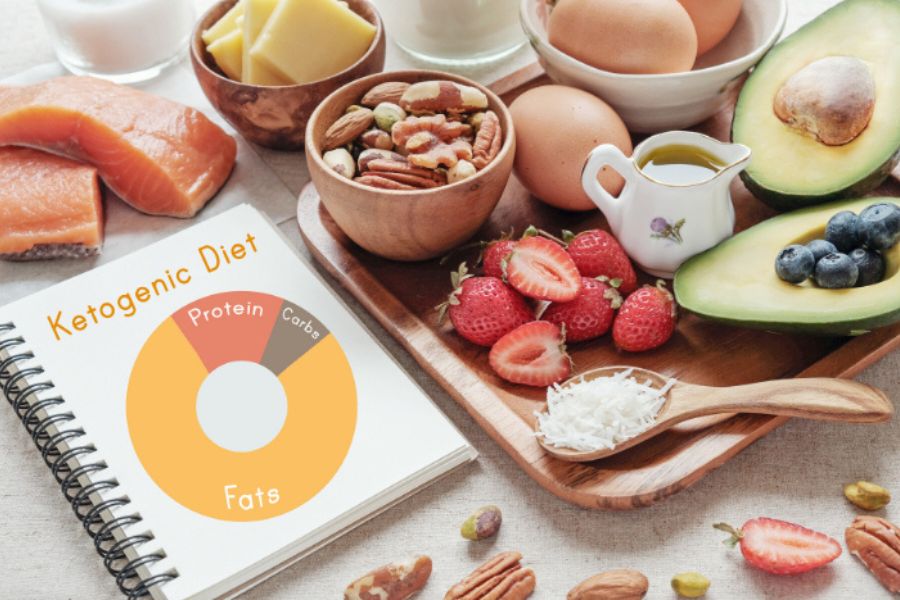
If you are curious about trying the keto diet for weight loss, it helps to understand what is actually happening inside your body. The ketogenic diet is a very low carbohydrate, high fat way of eating. Typically about 70 to 80% of your calories come from fat, 10 to 20% from protein, and only 5 to 10% from carbohydrates, often less than 50 grams per day (Cleveland Clinic, Harvard T.H. Chan School of Public Health).
When you keep carbs this low for several days, your body shifts into a state called ketosis. In ketosis, you burn fat for fuel instead of glucose, and your liver produces ketones that become your main energy source (Cleveland Clinic). This metabolic switch is what links the keto diet to potential weight loss.
You typically reach ketosis within 2 to 4 days if you are eating between 20 and 50 grams of carbohydrates, although your previous diet, activity level, and whether you use intermittent fasting can change the timing (Cleveland Clinic).
Typical keto macronutrient breakdown
- Fat: 70 to 80% of daily calories
- Protein: 10 to 20% of daily calories
- Carbohydrates: 5 to 10% of daily calories, usually under 50 grams per day
This structure is what differentiates a true ketogenic diet from other low carb plans.
See how keto supports weight loss
You may have noticed stories about rapid results on a keto diet for weight loss. Research helps explain why that can happen, especially in the first few months.
Early rapid weight loss
In the first week or two, it is common to see the number on the scale drop quickly. Studies show you can lose up to about 10 pounds in that early phase, mostly because your body is using up stored glycogen and shedding the water that is stored with it (NCBI Bookshelf, Northwestern Medicine). That early change is motivating, but it is important to remember that much of it is water, not fat.
Fat loss and appetite changes
After the initial phase, fat loss becomes more important. Several randomized controlled trials and meta analyses show that keto diets can:
- Reduce body weight and body mass index
- Improve insulin sensitivity
- Lower triglycerides and blood sugar
- Raise HDL (the so called good cholesterol) (NCBI Bookshelf)
Being in ketosis can also reduce hunger and help preserve lean muscle while you lose fat, especially around your midsection (Cleveland Clinic). Many people find they naturally eat less because they feel fuller between meals.
How keto compares with other diets
When you look beyond the first few months, the picture becomes more mixed:
- Some meta analyses find that the ketogenic diet leads to greater long term weight loss than low fat diets and better triglyceride and HDL cholesterol levels, but it may raise LDL cholesterol in some people (NCBI Bookshelf).
- Other research suggests that after about one year, weight loss on keto is not significantly different from more conventional diets as long as total calories are similar (Harvard T.H. Chan School of Public Health).
In other words, the keto diet for weight loss can be effective, but it is not a magic shortcut. Long term results still depend on whether you can stick with the plan and maintain an overall calorie balance that supports your goals.
Weigh the pros and cons
Before you change how you eat, it is worth laying out what you might gain and what you need to watch for.
Potential benefits for weight and health
Research links well planned ketogenic diets to several short term benefits:
- Weight and body fat loss, especially in the first few months (NCBI Bookshelf)
- Improved blood sugar control and lower hemoglobin A1c in people with obesity or type 2 diabetes (NCBI Bookshelf)
- Better triglycerides and higher HDL cholesterol compared with low fat diets (NCBI Bookshelf)
- Reduced hunger and more stable energy as your body adapts to burning fat for fuel (Cleveland Clinic)
These changes can be encouraging if you have struggled with weight or blood sugar in the past.
Common drawbacks and side effects
At the same time, the keto diet brings real challenges.
Short term effects often grouped as the “keto flu” include:
- Headache
- Fatigue or low energy
- Nausea or upset stomach
- Irritability
- “Keto breath”
- Constipation (Cleveland Clinic, Harvard T.H. Chan School of Public Health)
These symptoms usually appear as your body adjusts to ketosis and may improve with time, hydration, and careful electrolyte intake. However, they can be uncomfortable enough to push you off the plan.
Longer term, experts highlight several concerns:
- Nutrient deficiencies if you do not carefully include a variety of permitted vegetables, nuts, and seeds, since many fruits, whole grains, and some dairy are restricted (Harvard T.H. Chan School of Public Health, Northwestern Medicine)
- Low fiber intake, which can worsen constipation
- Potential increases in LDL cholesterol, especially if you rely heavily on saturated fats (NCBI Bookshelf, Harvard T.H. Chan School of Public Health)
- Higher risks of kidney stones, osteoporosis, and elevated uric acid with long term strict keto (Harvard T.H. Chan School of Public Health)
- Possible drops in blood pressure and blood sugar that need medical supervision, especially if you take medications (Northwestern Medicine, University of Chicago Medicine)
Dietitians at Northwestern Medicine and University of Chicago Medicine also point out that strict tracking and heavy food rules can affect your relationship with food and your social life, and that they do not generally recommend keto for long term health or weight management (Northwestern Medicine, University of Chicago Medicine).
Decide if keto is right for you
The keto diet for weight loss is not a perfect fit for everyone. Taking a few minutes to think through your own situation can help you decide.
When keto may be worth considering
You might be a good candidate to explore keto, with medical guidance, if:
- You have tried more moderate approaches without success and are looking for a structured plan.
- You are motivated by clear rules and do not mind tracking what you eat.
- You enjoy foods that are naturally higher in fat, such as eggs, fish, nuts, seeds, and avocado.
- Your doctor agrees that a period of low carbohydrate eating is safe for you.
For some people, a limited time on a ketogenic plan can be a way to jump start weight loss or improve specific health markers, followed by a gradual return to a more balanced pattern that includes more carbohydrates (Harvard T.H. Chan School of Public Health).
When you should be cautious or avoid keto
Keto is not recommended if you have certain medical conditions. Experts advise that you avoid or approach keto with extreme caution if you have:
- Pancreas, liver, thyroid, or gallbladder disease
- A history of kidney stones or significant kidney disease
- Existing or past disordered eating
- Type 2 diabetes treated with medications that lower blood sugar, unless your care team closely monitors and adjusts your treatment (University of Chicago Medicine)
Because the keto diet can significantly change your blood pressure, blood sugar, and cholesterol, it is important to talk with your healthcare provider first, especially if you take prescription medications.
Build a healthy keto plate
If you decide to try a keto diet for weight loss, the quality of the foods you choose matters as much as the numbers. A keto plate focused on whole foods looks very different from one built around processed meats and heavy cream.
Focus on healthy fats
The ketogenic diet allows many high fat foods, but not all fats support long term health equally. Experts at Northwestern Medicine suggest emphasizing:
- Extra virgin olive oil
- Avocado and avocado oil
- Nuts and seeds
- Fatty fish like salmon, mackerel, and sardines (Northwestern Medicine)
You can still include butter, cheese, and red meat if they fit your macros and health goals, but try not to make them your only fat sources.
Choose adequate, not excessive, protein
Keto is not a high protein diet. Too much protein can interfere with ketosis, so you want a moderate amount that supports your muscles without crowding out fat. Many standard keto plans aim for 10 to 20% of calories from protein (Cleveland Clinic).
Good protein choices on keto include:
- Eggs
- Poultry
- Fish and seafood
- Tofu and tempeh (if you include soy)
- Meat in moderate portions
Pile on low carb vegetables
Even with strict carb limits, you still need vegetables for fiber, vitamins, and minerals. Focus on non starchy options, such as:
- Leafy greens like spinach, kale, and lettuce
- Broccoli, cauliflower, and Brussels sprouts
- Zucchini, cucumber, and bell peppers
- Green beans and asparagus
These add volume and nutrients to your meals without quickly using up your carb allowance.
Use a sample 7 day keto framework
Planning is what makes a keto diet easier to follow. Whole Foods Market created a 7 day keto friendly meal plan that can give you a sense of how a week might look in real life (Whole Foods Market).
Their plan:
- Covers breakfast, lunch, dinner, snacks, and desserts for 7 days
- Serves two adults, often with recipes scaled for two to six servings
- Repeats breakfasts and uses dinner leftovers for lunches to save time
- Includes recipes such as prime rib, sea bass, and keto friendly yogurt
- Suggests grab and go options like sashimi and rotisserie chicken for busy days (Whole Foods Market)
You can use that structure as inspiration, then adapt it to your tastes, budget, and schedule.
Practical planning tips
To make your first week smoother:
- Pick 2 breakfasts you are happy to repeat, such as eggs with avocado and a full fat yogurt bowl.
- Cook larger dinners so you can pack leftovers for lunch the next day.
- Keep simple keto friendly snacks on hand, for example:
- Celery, cucumber, or carrots with a high fat dip
- Parmesan crisps
- Pork rinds
- Keto friendly protein drinks (Whole Foods Market)
- Block out one or two prep sessions to chop vegetables and cook basic proteins so assembling meals takes minutes, not hours.
Remember that the Whole Foods Market plan, like any online sample menu, is not medical advice. They specifically recommend checking with your doctor or dietitian before starting a restricted diet such as keto (Whole Foods Market).
Stay realistic about long term results
It is easy to focus only on the first few months of a keto diet for weight loss, when the scale moves quickly. Looking ahead can save you frustration later.
Adherence often drops over time
Because keto is restrictive, it can be hard to maintain. Studies show that:
- Retention in some keto weight loss programs goes from almost full participation at 3 months to about 8.4% at 9 months, often due to monotony and social pressures (NCBI Bookshelf).
- Many people regain at least half of the weight they lost once they stop the diet (Northwestern Medicine).
- Dietitians at the University of Chicago Medicine note that weight regain on keto can sometimes exceed the original loss if you return quickly to old habits (University of Chicago Medicine).
None of this means you are doing something “wrong” if you find keto challenging. It simply reflects how strict the approach is and how it fits with everyday life.
Think in phases, not forever
One way to approach keto is to treat it as a tool, not a permanent identity.
You might:
- Use a medically supervised keto phase to lose weight and improve specific markers such as blood sugar.
- Learn which foods help you feel satisfied, energized, and in control of your appetite.
- Gradually reintroduce more whole grain, fruit, and legume carbohydrates while watching your weight and lab results (Harvard T.H. Chan School of Public Health).
This type of plan can soften the transition off keto and help you protect the progress you worked for.
Key takeaways before you start
If you are considering a keto diet for weight loss, keep these points in mind:
- Keto shifts your body into ketosis, where you burn fat and produce ketones by sharply limiting carbs and increasing fat.
- You may see fast early weight loss, largely from water, followed by fat loss if you maintain a calorie deficit.
- Research supports short term improvements in weight, blood sugar, and some cholesterol markers, but long term results often look similar to other diets when calories are matched.
- Side effects and risks include keto flu symptoms, nutrient gaps, constipation, possible LDL increases, kidney stone risk, and challenges for heart and kidney health in some people.
- Adherence drops over time for many, and weight regain after stopping keto is common.
- Quality matters. Whole foods and healthy fats can make keto more nourishing than a version heavy in processed meats and butter.
- You should check with a healthcare professional before starting, especially if you have medical conditions or take medications.
You do not have to decide everything today. Your next step can be as simple as booking an appointment with your doctor or a registered dietitian, then asking whether a short, structured keto phase fits your health history, your lifestyle, and the kind of relationship with food you want over the long term.
About the Author