Understand keto fat loss vs muscle loss
If you are starting keto to lose weight, you probably care about burning fat, not losing hard earned muscle. That is exactly what the keto fat loss vs muscle loss conversation is about. You want your body to tap into stored fat while keeping your muscles strong, firm, and functional.
When you switch to a ketogenic diet, your body changes its main fuel source from carbs to fat. How you set up your calories, protein, and workouts determines whether you lose mostly fat, mostly muscle, or a mix of both. With a few smart choices, you can guide your body toward fat loss while protecting your lean mass.
In this guide, you will learn:
- What happens in your body when you lose weight
- How keto can help you burn more fat and keep muscle
- The key mistakes that lead to muscle loss on keto
- Practical steps you can start today
Always speak with your healthcare provider before making major diet or exercise changes, especially if you have medical conditions or take medications.
What really happens when you lose weight
How your body uses energy
When you eat fewer calories than you burn, your body has to make up the difference from stored energy. It does this in a specific order:
-
Glycogen first
Your body taps into glycogen, which is stored carbohydrate in your muscles and liver. Each gram of glycogen holds water, so as these stores empty, you lose water weight along with it. -
Fat second
As glycogen drops, your body increases fat burning. This is where true fat loss happens. On keto, this stage is encouraged because you are already eating very few carbs and more fat. -
Muscle as a last resort
Your body can also break down muscle tissue for energy. This tends to happen when:
- You are not active
- You eat very little protein
- Your calorie deficit is too aggressive
A 2025 guide by Tiffany Joy Yamut, RN, notes that muscle loss during weight loss is commonly linked to lack of physical activity and poor nutrition, especially low protein and extreme calorie restriction (Perfect Keto).
Your goal is to send your body a clear signal: burn fat for energy, but keep muscle because it is still needed.
Why muscle matters during fat loss
You might think muscle is only for athletes, but it affects your results in several important ways:
-
Higher resting metabolism
More muscle means you burn more calories at rest. Losing muscle makes it easier to regain fat later. -
Better shape and strength
When you lose fat but keep muscle, your body looks tighter and more defined, not just smaller. -
Better aging and independence
Muscle protects your joints and helps you stay active and capable as you get older.
So, when you compare keto fat loss vs muscle loss, you are really deciding whether your weight loss will support your long term health or work against it.
How keto changes fat loss and muscle loss
How keto shifts your metabolism
On a standard high carb diet, your body relies heavily on glucose for energy. Ketogenic eating changes this pattern. When you reduce carbs sharply, your body:
- Uses up glycogen stores
- Releases fatty acids from fat tissue
- Converts some of those fats into ketones in the liver
- Starts using ketones and fat as primary fuel
A 2023 review found that the ketogenic diet effectively reduces body fat in the short term and can preserve muscle mass during weight loss (PMC). In other words, keto encourages your body to burn more fat while offering a decent chance of protecting muscle, if you do it correctly.
Keto and visceral fat loss
Visceral fat is the deeper belly fat that surrounds your organs and is strongly linked with heart disease and metabolic problems. Several studies in that 2023 review reported that keto led to a greater reduction in visceral fat compared with low fat diets in older adults over 8 weeks (PMC).
That means keto may be especially useful if your main goal is to shrink dangerous belly fat, not just see a lower number on the scale.
Keto and muscle preservation
Research is mixed but encouraging when it comes to keto and muscle:
- Some studies suggest that keto might initially reduce muscle mass, partly because of glycogen loss and changes in protein metabolism.
- Other studies, including a controlled 8 week experiment in natural bodybuilders, found that keto significantly reduced body fat without muscle loss, while improving insulin sensitivity and lowering inflammatory markers (PMC).
The takeaway is that keto can maintain muscle during fat loss phases, especially when you match it with good training and nutrition. It does not automatically cause muscle loss. The details of how you follow the diet matter.
Why you might lose muscle on keto
Common mistakes that cost you muscle
If you hear stories of people losing muscle on keto, it is almost always tied to a few predictable issues:
-
Calories are too low for too long
A massive, long term calorie deficit pushes your body to break down muscle for energy. A moderate deficit is safer. -
Protein intake is too low
Protein provides the building blocks for muscle maintenance. Without enough, your body struggles to repair and hold onto lean tissue. -
Little or no strength training
If your muscles are not being challenged, your body has no reason to keep them. You are sending the message, “These are not needed.” -
High stress and poor sleep
Chronically high stress hormones can increase muscle breakdown and make recovery harder. -
Relying only on the scale
Rapid drops in scale weight at the start of keto mostly reflect water and glycogen loss, not fat. If you try to keep that pace going, you may start losing muscle as well.
The role of rapid early weight loss
In the first 1 to 2 weeks of keto, it is common to lose 6.5 to 11 pounds. Studies from UC Davis Health note that this initial loss comes mainly from glycogen and water, not fat (UC Davis Health).
This early water drop can:
- Make you feel like the diet is “working” very quickly
- Tempt you to keep calories very low to chase that rapid loss
- Mask what is really happening with your muscle and fat stores
Use this phase as an adjustment period, not as a pace you try to maintain long term.
How to set your calories for fat loss and muscle retention
Why a moderate deficit works best
To favor keto fat loss vs muscle loss, you want to lose weight at a reasonable pace. A moderate calorie deficit gives your body enough energy and nutrients to maintain muscle while still tapping into fat stores.
A common guideline is:
- Aim for a deficit of about 500 calories per day
- This often leads to about 1 pound of weight loss per week, which supports lean mass preservation for many people (Perfect Keto)
Extreme calorie cuts might seem tempting, but over time they can:
- Slow your metabolism
- Increase fatigue and hunger
- Raise your risk of muscle loss
How to check if your deficit is too aggressive
You might be dieting too hard if:
- Your strength in the gym is dropping quickly
- You feel unusually weak or lightheaded
- You have intense cravings or feel constantly cold
- You are losing more than about 1.5 to 2 pounds per week for several weeks in a row, especially if you are already relatively lean
In that case, it can help to slightly increase your calories, especially from protein and healthy fats, and see if your energy and performance improve.
How much protein you need on keto
Protein as your muscle insurance policy
Protein is your best friend when it comes to keeping muscle while losing fat. It:
- Provides amino acids to repair and maintain muscle
- Has a high thermic effect, so your body burns more calories digesting it (about 20 to 30 percent of protein calories)
- Keeps you fuller for longer, which makes it easier to stick to your calorie target (Perfect Keto)
For active people who want to burn fat and build or maintain muscle, a practical protein range is about 0.73 to 1 gram per pound of body weight (Perfect Keto).
Simple way to set your protein
Here is a quick guide, assuming you do not have kidney disease and your doctor has not given you a specific protein limit:
-
If you are active and lifting weights:
Aim toward the higher end of the range (0.8 to 1 gram per pound). -
If you are more sedentary or have a lot of weight to lose:
Aim closer to 0.6 to 0.8 grams per pound of goal body weight and adjust based on how you feel.
Spread your protein across the day in 2 to 4 meals to keep a steady supply of amino acids for your muscles.
Why strength training is non negotiable
How strength training protects muscle on keto
Diet can open the door for fat loss, but strength training tells your body exactly which tissue to keep. When you regularly challenge your muscles, your body receives the message, “These muscles are needed.”
A 2025 guide highlights that prioritizing strength training, such as weightlifting and bodyweight exercises, raises your resting metabolism through increased muscle mass and helps preserve lean tissue during fat loss. The CDC recommends at least two strength training sessions per week for adults (Perfect Keto).
In practice, you will benefit from:
- 2 to 4 resistance training sessions per week
- Compound movements such as squats, presses, rows, and deadlifts
- Gradually increasing weights, reps, or sets over time
What a simple weekly plan might look like
Here is one example of a strength focused week:
-
Day 1
Lower body: squats or leg press, hip hinge (deadlift or Romanian deadlift), lunges, calf raises -
Day 2
Upper body: bench or push ups, row or pull downs, shoulder press, biceps curls, triceps extensions -
Day 3
Rest, light walking, stretching -
Day 4
Lower body again, similar moves with small variations -
Day 5
Upper body again, similar moves with small variations
Adjust volume and intensity to your experience level. If you are new, starting with 2 full body sessions per week can still make a big difference.
Intermittent fasting, keto, and muscle
How fasting and keto can work together
Some people combine intermittent fasting with keto to support fat loss. This approach can:
- Improve insulin sensitivity
- Increase fat oxidation
- Enhance metabolic efficiency when paired with resistance training (Perfect Keto)
When done carefully, this combination may help you maintain muscle while losing fat, especially if:
- You keep protein high during your eating window
- You still meet your total calorie and nutrient needs
- You schedule your workouts near your feeding times so you can fuel and recover
When to be cautious with fasting
Intermittent fasting can increase your risk of muscle loss in some situations:
- You consistently undereat protein because your eating window is too short
- You do intense or long workouts deep into a fast without proper recovery nutrition
- You already have a low body fat percentage and are pushing for further fat loss
You do not need fasting to succeed on keto. Think of it as an optional tool, not a requirement.
What research says about keto and aging muscles
Keto and sarcopenia (age-related muscle loss)
As you age, preserving muscle becomes even more critical. A UC Davis Health study led by molecular exercise physiologist Keith Baar found that a ketogenic diet prevented muscle mass loss due to aging (sarcopenia) in older animals (UC Davis Health).
In that research, the keto diet:
- Maintained muscle strength and endurance
- Prevented muscle deterioration
- Restored muscle function
Interestingly, the diet in this study was calorie neutral, so it was not a weight loss diet. The focus was on muscle function and health, not body fat percentage. That is different from common keto weight loss approaches that add a calorie deficit on top.
What this means for you
These findings suggest that keto, even without weight loss, might:
- Support muscle health as you age
- Help your muscles produce energy from fat more efficiently
- Increase the number of mitochondria in muscle, which can also help break down harmful neurotoxins and protect brain health (UC Davis Health)
However, the study also notes that relying on fat for energy limits your maximal energy production rate. That makes strict keto less suitable for very high intensity activities like sprinting or top level competitive athletics where you need rapid bursts of energy from carbs.
If you are older or more focused on health span than peak sprint performance, keto may offer unique muscle and brain benefits, especially when you combine it with strength training.
Keto and exercise performance
Where keto shines and where it struggles
The 2023 review examining keto and exercise performance found that:
- Keto may impair high intensity anaerobic and some endurance performance due to reduced glycogen availability
- Keto can enhance fat oxidation and maintain strength and power in certain athletic populations, depending on how long they have been adapted and what type of exercise they do (PMC)
In plain terms:
- If your training is mostly strength work, moderate cardio, and everyday movement, you can usually do very well on keto.
- If your sport demands repeated all out sprints or very long, high intensity endurance work, you may need a more tailored or flexible carb strategy.
Adapting your expectations
During the first few weeks:
- Expect some drop in high intensity performance as your body adapts to using fat and ketones
- Pay attention to hydration and electrolytes, since you lose more water and minerals early on
- Keep your training volume modest until your energy stabilizes
Once you are adapted, you may find that your steady state energy and strength work feel strong, especially if you are consistent with protein and strength training.
Putting it all together: your keto game plan
Priority 1: Create a smart calorie deficit
- Estimate your daily calorie needs and reduce them by about 500 calories per day
- Monitor your weight, strength, and how you feel over several weeks
- Adjust gradually rather than making sudden, large cuts
Priority 2: Hit your protein target
- Aim for about 0.73 to 1 gram of protein per pound of body weight, depending on your size and activity level (Perfect Keto)
- Include a good protein source at each meal, such as meat, fish, eggs, or dairy if tolerated
- Spread protein across 2 to 4 meals per day
Priority 3: Commit to strength training
- Train your major muscle groups at least two times per week, as recommended by the CDC (Perfect Keto)
- Focus on compound lifts and gradually increase the challenge over time
- Track your workouts so you can see whether you are maintaining or gaining strength
Priority 4: Manage carbs, fats, and lifestyle
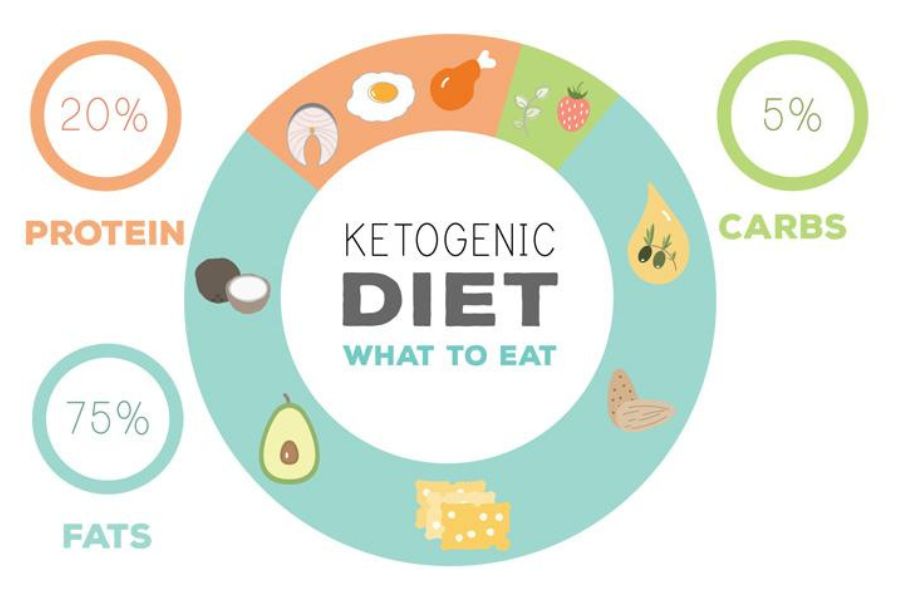
- Keep carbs low enough to stay in ketosis, typically around 20 to 50 grams per day for many people
- Fill the rest of your calories with healthy fats like olive oil, avocado, nuts, seeds, and fatty fish
- Prioritize sleep, stress management, and hydration since these all affect how your body handles fat loss and muscle maintenance
Early signs you are winning the keto fat loss vs muscle loss battle
You cannot see your muscle and fat compartments directly, but you can watch for some practical indicators:
- Your clothes fit looser around the waist and hips while your arms and legs still feel firm
- Your strength in key lifts is stable or improving
- Your energy is fairly consistent throughout the day
- The scale trends downward slowly over time, not in extreme drops and rebounds
- You see more definition in your shoulders, arms, and thighs, not just a smaller size overall
If instead you notice rapid weight loss, dropping strength, and increasing fatigue, it is worth revisiting your calories, protein intake, and training plan.
Final thoughts
Keto can tilt the balance of weight loss in your favor so that more of what you lose is fat, not muscle. Research shows that a well designed ketogenic diet can reduce body fat, especially visceral fat, while preserving lean mass in many people (PMC). Studies in older animals also suggest that keto can help maintain muscle strength and function as you age, even without weight loss (UC Davis Health).
Your best results will come from combining:
- A moderate calorie deficit
- Sufficient protein
- Regular strength training
- Thoughtful use of keto, and fasting only if it truly fits your lifestyle
You do not have to choose between keto fat loss vs muscle loss. With the right approach, you can move steadily toward a leaner, stronger, and healthier body on your own terms.
About the Author