Understand how keto and fruit fit together
If you love fruit, starting keto can feel confusing. You hear that carbs need to stay low, yet you are told fruit is healthy. So where does it fit in, and what should go on your personal keto fruits list so you can lose weight and still enjoy something sweet?
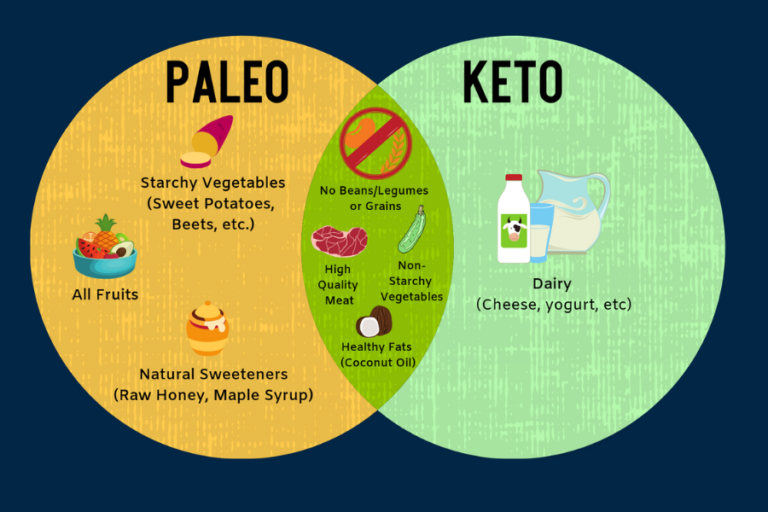
On a typical ketogenic diet, you limit carbs to about 5 to 10% of your daily calories so your body stays in ketosis. Many fruits are high in sugar and can quickly push you over that limit, which is why you often hear that fruit is “off the menu” on keto as of 2025 (Diet Doctor). The good news is that some fruits are naturally lower in net carbs, higher in fiber, or eaten in small portions, so you can still enjoy them without falling out of ketosis.
Below, you will see a simple keto fruits list, how much you can reasonably eat, and a few practical ways to build them into your day.
What makes a fruit keto friendly
Before you look at specific options, it helps to understand the basic criteria that make a fruit work on keto.
A fruit will usually fit into your keto plan when it is:
- Low in net carbs (total carbs minus fiber)
- Relatively high in fiber to slow down sugar absorption
- Naturally rich in healthy fats or water so it is more filling per gram of carbohydrate
- Easy to control in small portions, like berries or sliced fruit instead of large smoothies
For many people following keto, total daily carbs fall somewhere between 20 and 50 grams (Verywell Health). Your exact limit depends on your body size, activity level, and how strictly you want to follow the diet for weight loss and health.
Keeping this in mind, you are looking for fruits that can fit into that small carb “budget” and still leave room for vegetables and other foods.
Build your keto fruits list
This keto fruits list is designed to keep you on track while still giving you color, flavor, and nutrients. You will notice that avocados and berries appear frequently in expert recommendations for ketogenic diets (Health, Healthline, Verywell Health).
To make comparison easy, the approximate net carb numbers below are taken from the research you provided and are rounded for simplicity. Actual values can vary slightly by brand and ripeness.
Quick comparison of popular keto fruits
| Fruit | Approximate serving used in research | Approximate net carbs per serving* | Why it works on keto |
|---|---|---|---|
| Avocado | 100 g | ~1.5 g net carbs (Healthline) | Very low carb, high healthy fat, fiber, and potassium |
| Raspberries | 1 cup (123 g) | ~7 g net carbs (Healthline) | Very high fiber, relatively low net carbs |
| Strawberries | 1 cup (152 g) | ~8.7 g net carbs (Healthline) | Lower sugar than many fruits, packed with vitamin C |
| Watermelon | 1 cup (152 g) | ~11 g net carbs (Healthline) | Hydrating and relatively low carb per serving |
| Star fruit | 1 cup (108 g) | ~4.3 g net carbs (Healthline) | Very low net carbs, good vitamin C content |
| Green olives | 1 cup | 15 g monounsaturated fats (Health) | Technically a fruit, high in heart healthy fats |
| Peaches | 100 g | ~8 g net carbs (WebMD) | Fits in moderate keto if portions are measured |
*Net carb estimates are based on research sources and are meant as general guidance, not exact nutrition labels.
Avocado, your keto fruit essential
If you only pick one fruit for a strict keto diet, avocado is usually it. It is one of the rare fruits that is high in fat and very low in net carbs.
According to several sources, a 100 gram serving of avocado has about 1.5 grams of net carbs and nearly 7 grams of fiber, along with vitamin K, folate, vitamin C, and potassium (Healthline, Verywell Health). That combination makes it ideal for keto and helpful for electrolytes, which can drop when you first cut carbs.
Easy ways to use avocado on keto
- Mash it with salt, pepper, and lime for a quick topping for eggs or burgers
- Slice half an avocado on top of a salad instead of croutons
- Blend a small amount with coconut milk and ice for a rich, low carb smoothie base
- Use avocado in place of mayonnaise on lettuce wrapped sandwiches
If you are tracking portions for weight loss, you can start with about one-third to half of a medium avocado at a time, which fits most keto macros comfortably (Health).
Berries, your sweet keto treat
Berries are often called out as keto friendly fruits compared with apples, bananas, and grapes. Their fiber helps keep net carbs in check, and they bring in beneficial antioxidants.
Raspberries
Raspberries are one of the most keto friendly berries. A 1 cup (123 gram) serving has about 7 grams of net carbs and delivers vitamin C, manganese, vitamin K, copper, and a strong antioxidant profile (Healthline). They are also praised for their high fiber content, which helps you stay full (WebMD).
Try raspberries when you want to:
- Add a small handful to plain Greek yogurt
- Top a slice of low carb cheesecake or a chia pudding
- Eat a few frozen berries as an after dinner treat instead of dessert
For a strict keto plan, half a cup can be a comfortable portion to keep carbs lower (WebMD).
Strawberries
Strawberries give you a bright, sweet flavor and still land on the friendlier side of the carb spectrum. One cup (152 grams) of strawberries has about 8.7 grams of net carbs and is rich in vitamin C and other antioxidants (Healthline). One analysis notes that 100 grams of strawberries offer only 8 grams of carbs and 32 calories, yet deliver a high amount of vitamin C and potential heart benefits (EatingWell).
You can:
- Slice a few strawberries over whipped heavy cream
- Blend 3 to 4 berries into a protein shake for flavor
- Add thin slices to a spinach salad with goat cheese
If you are close to your daily carb limit, cut the portion back to a quarter or half cup and track how you feel.
Other berries on keto
- Blackberries are similar to raspberries in carb and fiber balance and are commonly recommended for keto (Verywell Health).
- Blueberries are higher in carbs, around 15 grams per 100 grams (EatingWell). You can still use a small sprinkle in a recipe, but they are easier to overeat, so it is best to measure carefully.
Watermelon, a refreshing keto option in moderation
Watermelon often surprises people on a keto fruits list. It tastes very sweet, yet it is mostly water, which keeps its carb content relatively low per serving.
Different analyses list slightly different numbers, but they all agree it is among the lowest carb fruits. One source notes that 100 grams of watermelon has about 7.5 grams of carbs and is 92% water, which makes it very hydrating (WebMD). Another points out that 1 cup, or roughly 10 small watermelon balls, is a reasonable serving for a lower carb plan.
Other research lists about 11 grams of net carbs per 1 cup (152 grams) and highlights its vitamin C, potassium, copper, and lycopene content (Healthline). Verywell Health also notes watermelon as a low carb fruit that supports hydration and provides antioxidants like vitamin C and lycopene (Verywell Health).
You can enjoy watermelon on keto if you:
- Keep portions small, such as half a cup at a time
- Avoid pairing it with other higher carb fruits on the same day
- Use it as a summer side dish with a protein focused meal like grilled chicken or fish
Star fruit and other low carb surprises
If you are bored with the usual choices, a few less common fruits can help you keep variety without a carb overload.
Star fruit (carambola)
Star fruit is a tropical fruit that looks like a star when sliced and is naturally low in carbs. One cup (108 grams) has about 4.3 grams of net carbs and provides vitamin C, copper, potassium, and pantothenic acid (Healthline). Verywell Health adds that star fruit also offers fiber plus minerals like magnesium, folate, selenium, and zinc, which support immune function and may help reduce disease risk (Verywell Health).
You can:
- Slice star fruit into salads for a decorative, tangy crunch
- Use a few slices to garnish sugar free drinks or sparkling water
- Pair it with a small portion of cheese as a snack
If you have kidney issues, it is a good idea to speak with a healthcare provider before eating star fruit, because it can be problematic for some people, even in small amounts.
Green olives
You might not think of olives as fruit, but botanically, they are. A cup of green olives contains about 15 grams of monounsaturated fatty acids, which are heart healthy fats that may reduce the risk of heart disease and stroke (Health). They fit the keto profile very well because they are high in fat and low in carbs.
Use olives to:
- Add healthy fats to salads instead of sugary dressings
- Snack on a small handful with a piece of cheese or some nuts
- Top keto friendly pizzas or casseroles to boost flavor
Because olives are salty, they can also help you maintain sodium levels when your body is flushing more water on a low carb diet.
Fruits that are harder to fit on keto
Some fruits are simply too high in sugar to fit into a typical keto plan, especially if you are aiming for less than 20 to 50 grams of carbs per day (Verywell Health). That does not mean they are unhealthy foods, only that they are not a great fit when ketosis is your goal.
According to multiple analyses, fruits that are higher in carbs and often best avoided or strongly limited on a ketogenic diet include:
- Bananas: A medium banana has around 24 grams of carbs, which can meet or exceed your daily keto carb target on its own (Diet Doctor).
- Apples: A large apple contains about 25 grams of carbs, similar to a banana and difficult to fit into keto macros (Diet Doctor).
- Grapes: Around 18 grams of carbs per 100 grams and easy to overeat, so best avoided if you want to stay in ketosis (EatingWell).
- Pineapple, cherries, and peaches in large portions: Higher in natural sugars, so they can push carb intake up if you are not careful (Health).
- Dried fruits like prunes, plus most fruit juices and smoothies (except small amounts of lemon or lime juice): These are very concentrated sources of sugar and typically exceed keto carb limits quickly (Verywell Health).
You might still work a thin slice of peach or a couple of grapes into a more flexible, low carb diet, but on a classic keto diet committed to ketosis, those choices are difficult to justify compared to lower carb alternatives.
Why you do not need a lot of fruit on keto
One common concern is that cutting back on fruit will leave you short on vitamins and minerals. However, many of the nutrients you usually associate with fruit can be obtained from low carb vegetables and keto friendly fruits.
For example, low carb vegetables like bell peppers and kale can have higher vitamin C content with far fewer carbs than citrus fruits (Diet Doctor). When you combine those vegetables with avocado, berries, olives, and moderate portions of lower carb fruits like star fruit and watermelon, you can build a nutrient dense plate without relying heavily on high sugar fruit.
It can also help to remember that modern fruit has often been selectively bred to maximize sweetness and yield while reducing fiber compared with ancestral seasonal fruits (Diet Doctor). That extra sweetness means your body is handling more sugar when you eat fruit year round, which is one reason keto guidelines tend to be more cautious about fruit.
How to build fruit into your daily keto plan
You do not have to give up fruit completely to follow keto, but it helps to be deliberate. A few simple habits can keep you in control.
1. Decide your daily carb budget
Start by deciding how many grams of carbs you plan to eat each day. Many keto approaches fall within:
- Strict keto: Around 20 grams of net carbs
- Moderate keto: Around 20 to 30 grams of net carbs
- Liberal low carb: Up to 50 grams of net carbs
Once you know your number, you can decide how many carbs you are comfortable “spending” on fruit.
2. Pick one fruit serving per day to start
If you are just beginning keto, it can be simplest to limit fruit to one small serving per day until you see how your body responds. Choose from the more keto friendly options:
- 1/3 to 1/2 medium avocado
- 1/4 to 1/2 cup raspberries
- 1/4 to 1/2 cup strawberries
- A few slices of star fruit
- 1/4 to 1/2 cup diced watermelon
- A small handful of olives
You can adjust portions up or down as you monitor your energy, hunger, and progress.
3. Pair fruit with protein or fat
To help stabilize blood sugar and stay satisfied, eat fruit alongside fat or protein rather than on an empty stomach. For example:
- Raspberries with Greek yogurt or cottage cheese
- Strawberries with whipped cream or mascarpone
- Avocado with eggs or smoked salmon
- Olives with cheese or sliced meats
This approach also keeps your meal feeling more complete, which can cut down on cravings.
4. Track, then relax once you learn your patterns
In the first few weeks, it can help to log your fruit portions and total carbs. As you get a feel for how your body responds to different fruits, you may be able to relax tracking and focus on a short list of “always safe” choices.
Sample day using the keto fruits list
To see how this can look in real life, here is a simple day where fruit fits into a keto friendly pattern. Portions are examples, not strict prescriptions, since your carb limit might be higher or lower.
-
Breakfast:
-
Scrambled eggs cooked in butter
-
1/2 avocado with salt and pepper
-
Lunch:
-
Grilled chicken salad with leafy greens, cucumbers, olives, and olive oil dressing
-
Snack:
-
1/4 cup raspberries with a dollop of full fat Greek yogurt
-
Dinner:
-
Baked salmon with roasted broccoli and cauliflower
-
Small side of cucumber slices with salt and vinegar
-
Optional dessert:
-
2 or 3 thin slices of star fruit or a few cubes of watermelon, if you have carbs left in your budget
This pattern keeps your main carbs in vegetables and uses fruit to add color, flavor, and micronutrients.
When keto friendly fruits might not be right for you
Even fruits that are considered keto friendly are not automatically a fit for every person. You might want to be extra cautious if you:
- Are very sensitive to sugar or notice that even small amounts of fruit lead to cravings
- Are using keto therapeutically for medical reasons and have been advised to stay under a very low carb limit
- Have kidney or other medical conditions that affect how you handle certain fruits, such as star fruit
In those cases, working with a healthcare professional or dietitian can help you customize your keto fruits list or decide whether to skip fruit altogether for a time.
Key takeaways for your keto fruits list
To keep fruit in your life and still stay in ketosis, focus on:
- Prioritizing ultra low carb fruits like avocado, olives, raspberries, strawberries, and star fruit (Healthline, Verywell Health, Health)
- Limiting higher sugar fruits such as bananas, apples, grapes, pineapple, and dried fruits, which can quickly exceed your daily carb limit (Diet Doctor, Verywell Health)
- Using low carb vegetables like bell peppers and leafy greens to supply many of the vitamins you might expect from fruit (Diet Doctor)
- Tracking portions especially in the beginning, so you know how fruit affects your energy, hunger, and weight loss
You do not have to choose between enjoying fruit and making progress with keto. Start by picking one fruit from the list above to include today, measure a small portion, and see how you feel. Over time, you will build a personal keto fruits list that supports your goals, tastes good, and fits your lifestyle.
About the Author