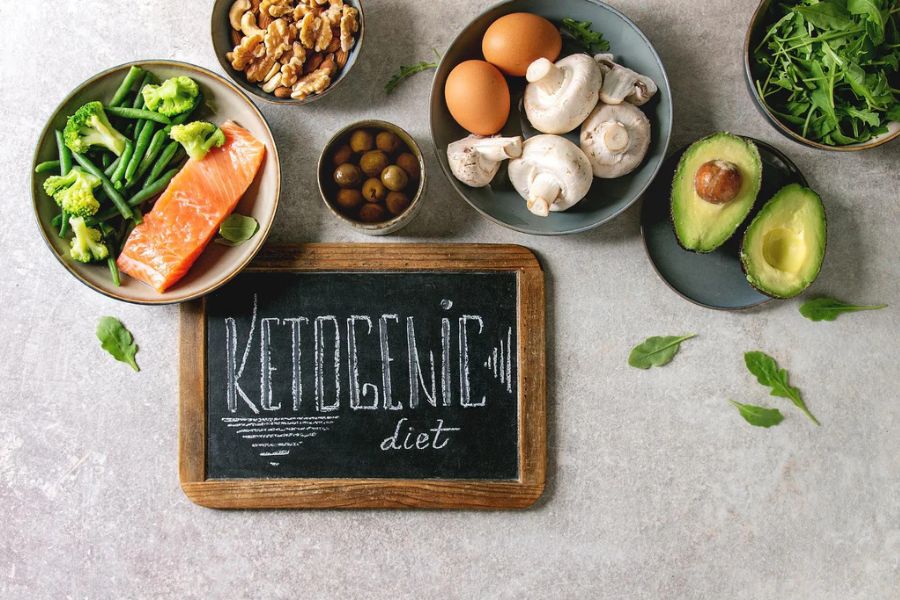
Understand what a keto weight loss plateau is
If you have been following a ketogenic diet and suddenly stop losing weight, you may be in a keto weight loss plateau. A plateau is a stretch of time when the scale and your measurements stay the same even though you are still eating keto and, in many cases, exercising consistently.
This stall is very common with ketogenic and other low carb diets. In fact, a 1 year low carb study in people with type 2 diabetes found that many participants lost weight for about 9 months, then spent around 3 months at a stable weight while eating the same way the whole time (Virta Health). In other words, your body often pauses after a big drop and settles at a new normal.
On keto, a plateau usually shows up after an initial burst of rapid loss. In the first weeks you lose water and some fat. Later, weight loss naturally slows as your body adjusts and your metabolism changes (Healthline).
A plateau can feel discouraging, but it does not automatically mean you are doing anything wrong. It is often a sign that your body is adapting and that you may need a few strategic adjustments, not a full overhaul.
How to tell if it is really a plateau
What looks like a keto weight loss plateau is sometimes just normal day to day fluctuation. You are more likely in a true plateau if:
- Your weight and measurements have not changed at all for at least 3 to 4 weeks
- Your clothes fit exactly the same
- You have been tracking and sticking with your usual keto macros and routine
If your weight bounces a few pounds up and down during a single week, that is usually water, hormones, or sodium, not a real stall.
Why keto weight loss plateaus happen
Once you understand what is behind a keto weight loss plateau, it becomes easier to choose the right fixes instead of trying everything at once.
Your metabolism slows as you lose weight
As you lose weight, your body needs fewer calories to maintain itself. This means your daily energy burn gradually drops, so the calorie intake that helped you lose at the start of keto might only maintain your new weight later on. Healthline notes that a slower metabolism as weight decreases is one of the main reasons plateaus are so common on keto (Healthline).
You may be drifting out of ketosis
Ketosis is the metabolic state that makes keto work. If you are eating more carbohydrates or protein than your body can handle, you can slip out of ketosis and stall fat loss.
A few key points from the research:
- Standard keto usually limits carbs to about 20 to 50 grams per day
- Hidden carbs in processed meats, seasonings, condiments, and starchy vegetables can add up quickly, even when foods look “keto friendly” (Healthline)
- Too much protein can convert to glucose and reduce ketone production, which can slow fat burning (Healthline; Virta Health)
In other words, you can be eating mostly low carb foods, still be over your personal carb or protein limit, and end up in a plateau.
You may be overeating fat or calories
Keto is not automatically “eat unlimited fat and still lose weight.” If you are adding heavy amounts of oils or high fat extras, you can easily overshoot your energy needs.
Virta Health notes that excess dietary fat, especially from added oils or supplements like MCT and coconut oil, can keep you from burning your own stored fat and can contribute to a weight loss stall even if your ketones look good on paper (Virta Health).
Stress, sleep, and movement also play a role
Your body is not just a math equation of carbs and fats. Stress, sleep, and daily movement all shape how your body responds to keto.
Research summaries point out that:
- Chronic stress can raise cortisol, which is linked to more belly fat and slower weight loss (Perfect Keto)
- Poor sleep can disrupt appetite hormones like leptin and ghrelin, making you hungrier and more likely to overeat (Perfect Keto)
- A low activity level or mostly sedentary day can lower your overall energy burn, which makes plateaus more likely (Perfect Keto)
Healthline also highlights that updating your exercise routine, managing stress, and improving sleep are all helpful strategies to overcome keto plateaus (Healthline).
Mindless eating and boredom can creep in
Over time, it is easy to slide into grazing or emotional eating, even with keto foods. Virta Health notes that boredom, eating out of habit, and relying too heavily on calorie counting instead of listening to hunger cues can all contribute to a stall (Virta Health).
A few extra nuts here, some cheese there, and a couple of “keto treats” in the evening can add more calories and carbs than you intended.
Learn from real keto plateau experiences
Sometimes it helps to see how a plateau plays out for a real person. One Reddit user shared that they lost weight quickly on keto, from 278 pounds down to 240 pounds in about two months, then hit a plateau for a month where their weight stayed between 240 and 242 pounds despite staying strict with keto and exercise (Reddit).
They continued the same plan, and then, without any obvious changes, their weight dropped suddenly from 241 to 234 pounds in a single week (Reddit). This kind of “stuck, then sudden drop” pattern shows that plateaus often reflect the body catching up and rebalancing, not total failure.
The takeaway for you: a keto weight loss plateau can be temporary, and your body may resume progress even if you do not overhaul every part of your diet.
Check if your plateau might be a new “set point”
Sometimes a plateau is less about a temporary stall and more about reaching a weight that your body is comfortable maintaining with your current habits.
In the 1 year low carb study mentioned earlier, people averaged 9 months of steady weight loss, then around 3 months of weight stability without changing how they ate (Virta Health). This pattern suggests your body may establish a new set point after a big loss.
If your weight has been stable for several months, your health markers are better, and you feel good, your plateau may simply be a signal that:
- Your current intake and activity level are appropriate for maintaining this weight
- Further loss may require more purposeful changes, such as additional movement, refined macros, or tighter eating windows
You get to decide whether you want to maintain or gently push past this point. There is no right answer for everyone.
Fix hidden carb creep in your diet
One of the easiest first steps to break a keto weight loss plateau is to look for hidden carbs.
Common hidden carb sources
Even if you log your main meals, little extras can add up. Review:
- Processed meats such as sausages or deli meats with fillers or sugar
- Condiments such as ketchup, barbecue sauce, store bought salad dressings, and “sugar free” sauces
- Seasonings and spice blends that include sugar, starch, or maltodextrin
- Starchy vegetables like potatoes, corn, peas, and certain root vegetables
Healthline recommends monitoring these hidden sources of carbohydrates to stay in the 20 to 50 gram per day range that is standard for keto (Healthline). Perfect Keto also notes that exceeding roughly 30 to 50 grams of carbs per day is a common reason people get stuck (Perfect Keto).
Simple carb tightening steps
Try these adjustments for 1 to 2 weeks:
- Measure carb containing foods rather than eyeballing portions
- Swap sugary condiments for mustard, oil and vinegar, or homemade dressings
- Choose plain meats and season them yourself
- Double check labels on “keto” bars, shakes, and snacks
If you notice reduced cravings and better energy after cleaning up your carbs, it is a good sign that you have moved closer to consistent ketosis.
Adjust your protein and fat balance
If carbs are in check, your next step is to look at protein and fat.
Keep protein in a reasonable range
Protein is important for muscle and long term health, but excessive intake can lower ketone production. Virta Health highlights that extra protein, even from small additions like another egg or another ounce of nuts, can gradually reduce ketones and slow progress (Virta Health).
You might benefit from:
- Keeping your protein portions consistent from day to day
- Avoiding the “just in case” second or third serving of high protein foods if you are not truly hungry
- Spacing protein across meals rather than front loading or back loading your day
If you already eat fairly modest protein and are very active or strength training, you may not need to lower it. In that case, focus more on total calories and fat.
Avoid overdoing added fats
On keto, it is easy to pour generous amounts of oil on every meal or lean heavily on bulletproof style drinks. Since dietary fat is energy dense, those extras can be the tipping point keeping you at a standstill.
Virta Health notes that too much added fat, including MCT and coconut oils, can prevent your body from accessing its own stored fat and instead lead to maintaining your current weight (Virta Health).
Try this for a week or two:
- Use just enough fat to cook and dress your food, not more
- Limit high fat drinks that add calories but not satiety
- Prioritize whole food fat sources like avocado, eggs, and olive oil over extra “fat bombs”
Recalculate your calorie needs as you progress
Although keto focuses on macros, energy intake still matters. Perfect Keto suggests recalculating your calorie and macro targets as your weight changes, since your body’s needs shift over time (Perfect Keto).
You can:
- Use a reputable calculator to estimate your daily needs at your current weight
- Compare that estimate with what you are actually eating
- Make a small adjustment, such as reducing 100 to 200 calories per day, rather than a drastic cut
The goal is a gentle deficit, not extreme restriction. You want a plan that feels sustainable, not punishing.
Use intermittent fasting to support ketosis
If your schedule and health allow, intermittent fasting can be a powerful tool for getting past a keto weight loss plateau.
Healthline reports that fasting, especially the 16/8 method, can help your body transition into ketosis more quickly and may support metabolism and fat loss (Healthline). Perfect Keto also lists intermittent fasting methods such as 16:8 or one meal a day (OMAD) as effective strategies for breaking plateaus (Perfect Keto).
Simple fasting approaches to try
-
16/8 method
Fast for 16 hours and eat within an 8 hour window. For example, you might eat from 11 a.m. to 7 p.m. and fast the rest of the time. -
12/12 gentle fast
If 16/8 feels too strict at first, aim for a 12 hour overnight fast, such as finishing dinner at 7 p.m. and eating breakfast at 7 a.m.
Whichever method you use, focus on nutrient dense meals and listen to your body. Intermittent fasting is a tool, not a requirement, and it is not appropriate for everyone.
Move your body in ways that support fat loss
Keto can work on its own, but adding movement often helps you get past a stall.
Perfect Keto notes that increasing physical activity and everyday movement, called non exercise activity thermogenesis or NEAT, can help you burn more energy and move out of a plateau (Perfect Keto).
Add more structured activity
If you are currently mostly sedentary, even modest exercise can make a difference. You might:
- Walk 20 to 30 minutes most days
- Add light strength training 2 or 3 times per week
- Mix in gentle cardio like cycling or swimming
Changing up an old routine can also help your body respond again if you have been doing the exact same workout for months.
Boost your daily NEAT
Little movements throughout the day add up. Try:
- Standing up or walking around during phone calls
- Taking the stairs when you can
- Doing short stretching or movement breaks if you sit for long periods
- Parking slightly farther from entrances
You do not have to become an athlete to see benefits. Consistency matters more than intensity.
Manage stress and sleep for better results
You can be eating perfectly and still struggle to lose weight if your stress and sleep are off.
Perfect Keto highlights that chronic stress can raise cortisol, which is associated with stubborn visceral fat and slower progress (Perfect Keto). Poor sleep, in turn, can disrupt hunger hormones and make you crave more food than your body actually needs.
Practical ways to support sleep and stress
- Aim for a regular bedtime and wake time each day
- Create a wind down routine that might include reading or light stretching
- Limit screens close to bedtime
- Try stress relief practices that work for you, such as walking outside, journaling, or brief breathing exercises
Even small improvements in sleep and stress can help your body feel safe enough to resume letting go of stored fat.
Practice mindful eating and honest tracking
If you have been on keto for a while, it is easy to drift from deliberate to automatic eating. Virta Health points out that boredom with food, eating from emotion, and ignoring true hunger signals can all contribute to a keto weight loss plateau (Virta Health).
Try a short reset period
For 5 to 7 days, you might:
- Track everything you eat and drink, including small bites and sips
- Pause before you eat and ask, “Am I actually hungry or just bored or stressed?”
- Eat slowly and stop when you feel comfortably satisfied instead of stuffed
- Keep meals simple, focusing on whole foods instead of complicated recipes or many snacks
This short reset can highlight patterns that crept in when you were not paying close attention and can reveal simple tweaks that help you move forward.
When to accept, when to push, and when to get help
If you are in a keto weight loss plateau, you have options. You can:
- Accept your current weight as a healthy new normal
- Gently push past the plateau with the strategies above
- Seek personalized help if you feel stuck, unwell, or unsure
You may want to talk with a healthcare provider or a qualified nutrition professional if:
- Your plateau lasts many months and you feel exhausted, unwell, or overly restricted
- You have a medical condition like diabetes or heart disease that requires closer monitoring
- You are considering more aggressive approaches such as very narrow eating windows
They can help you tailor keto or low carb eating to your specific health needs and goals.
Key takeaways you can use today
To recap, here are the main ideas to keep in mind as you work through a keto weight loss plateau:
- Plateaus are normal on keto, often appearing after a period of rapid loss as your metabolism adapts (Healthline; Virta Health)
- Hidden carbs, excess protein, and too much dietary fat can disrupt ketosis or raise your total calories enough to stall progress
- Intermittent fasting, especially 16/8, can help deepen ketosis and support fat loss for many people (Healthline; Perfect Keto)
- Movement, stress management, and good sleep are just as important as your macro numbers
- Mindful eating and honest tracking often reveal small changes that make a big difference
You do not need to change everything at once. Choose one or two strategies that feel manageable, try them consistently for a couple of weeks, and watch how your body responds. Your plateau is not the end of your progress, it is simply a signal that it is time to adjust your approach and keep going.
About the Author