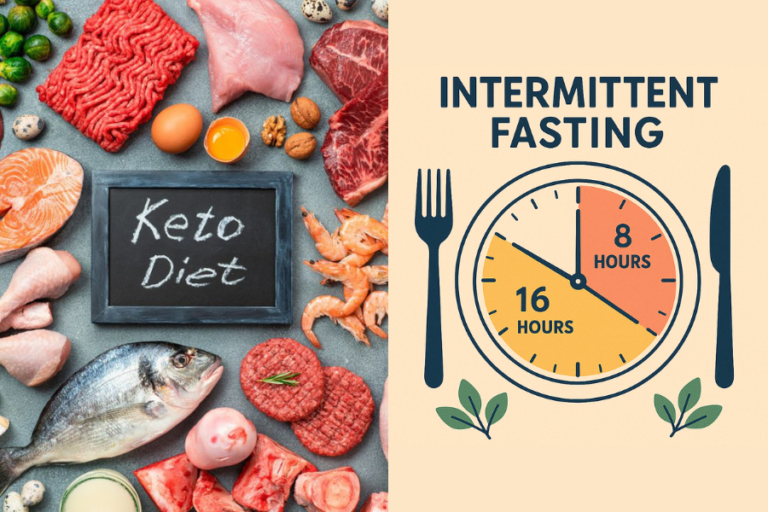
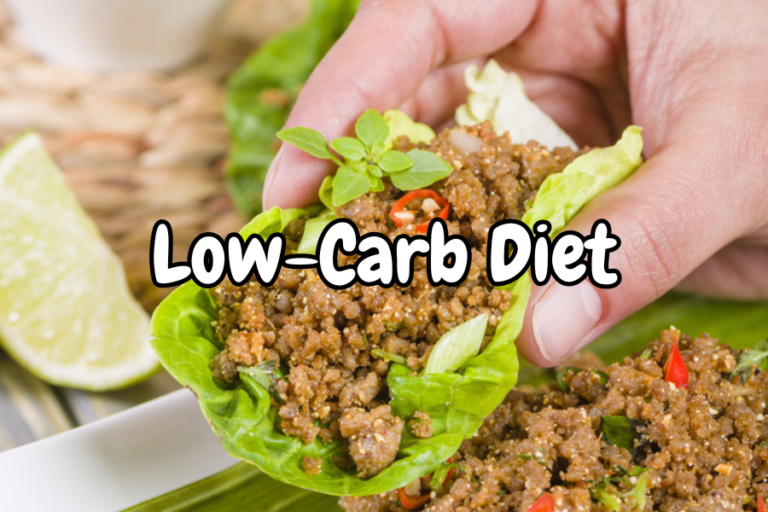
A low carb diet can feel like a big shift, especially if you are used to relying on bread, pasta, and sugary snacks to get through the day. With a bit of planning and a clear understanding of how low carb eating works, you can use it as a practical tool to lose weight and improve your health without feeling constantly hungry.
This guide walks you through what a low carb diet is, what you can realistically expect, and how to start with confidence and clarity.
Understand what a low carb diet really is
A low carb diet does not mean never eating carbohydrates again. Instead, you intentionally limit the carbs you eat, especially refined and starchy ones, and replace them with protein, healthy fats, and fiber-rich vegetables.
Health organizations define “low carb” in slightly different ways. Diabetes UK describes a low carb diet as reducing carbohydrate intake to less than 130 grams per day, not cutting carbs out entirely, since many carb foods contain important vitamins, minerals, and fiber (Diabetes UK).
Other medical sources focus on even lower ranges. The Mayo Clinic notes that many low carb plans restrict carbs to about 20 to 57 grams per day, compared with the typical guideline of getting 45 to 65 percent of your daily calories from carbohydrates (Mayo Clinic).
In practice, your version of low carb can sit anywhere on this spectrum. What matters most is that your approach is sustainable for you.
Learn how a low carb diet may help you
Low carb diets have been studied for weight loss and several health conditions. Knowing the potential benefits can help you stay motivated when you are changing long‑standing habits.
Weight loss and appetite
When you reduce carbohydrates and increase protein and fat, you often feel full on fewer calories. Research shows that low carb diets tend to reduce appetite automatically, which makes it easier to eat less without feeling deprived or obsessed with food all day (Healthline).
Many people also notice faster initial weight loss compared with low fat diets. Some of this early drop is water weight as your body uses stored glycogen, but low carb plans can also lead to greater short‑term fat loss. Over 6 to 12 months, the difference between low carb and other diets tends to narrow, so your long‑term success still depends on consistency and overall calorie balance (Mayo Clinic).
Fat around your midsection
A key advantage of a low carb diet is its effect on visceral fat, the fat that surrounds your organs and sits deep in your abdominal cavity. Studies suggest that a significant portion of fat lost on low carb diets comes from this visceral fat, which is closely linked to inflammation, insulin resistance, and metabolic diseases (Healthline).
Reducing this type of fat can help shrink your waistline and may also lower long‑term health risks.
Blood sugar and insulin
If you live with insulin resistance or type 2 diabetes, lowering your carbohydrate intake can have a strong effect on blood sugar. By eating fewer carbs, your body needs to produce less insulin, which can help stabilize your blood glucose levels (Obesity Medicine Association).
Some research on low carb and ketogenic diets shows that people with type 2 diabetes can significantly reduce or even discontinue some glucose‑lowering medications, under medical supervision, after several months on a carefully designed plan (Healthline). Diabetes UK also notes that low carb diets can be safe and effective in the short term to help people with type 2 diabetes manage their weight, blood glucose, and heart disease risk, though they are not recommended for children or people with type 1 diabetes (Diabetes UK).
If you take insulin or medicines that increase the risk of low blood sugar, you should speak with your healthcare team before you start, since medication doses may need adjusting (Diabetes UK).
Heart and metabolic health
Low carb diets can also influence other markers linked to heart disease. Cutting back on refined carbohydrates and sugar often leads to a reduction in blood triglycerides, and high triglycerides are considered a strong risk factor for heart problems (Healthline).
Some research summarized by the Mayo Clinic suggests that low carb diets may help reduce the risk of type 2 diabetes and heart disease when they are built on healthy sources of carbs, fats, and proteins, not just any high fat foods (Mayo Clinic).
Know the risks and trade‑offs
Before you cut your carbs significantly, it helps to understand the potential downsides and how to manage them.
Short‑term side effects
If you reduce carbs suddenly, especially to very low levels, you may notice symptoms like:
- Headache
- Fatigue or weakness
- Irritability
- Bad breath
These are often linked to ketosis, when your body starts relying on fat and ketones for energy. The Mayo Clinic points out that this rapid shift can bring short‑term side effects such as bad breath, headache, fatigue, and weakness (Mayo Clinic).
These symptoms often ease after a few days to a couple of weeks, particularly if you drink plenty of water, get enough electrolytes, and avoid extreme calorie restriction on top of low carbs.
Longer‑term concerns
Very strict low carb or ketogenic diets may cause other issues over time, especially if they limit entire food groups and rely heavily on processed meats and high saturated fat foods.
The Mayo Clinic notes that long‑term severe carb restriction can lead to vitamin or mineral deficiencies and digestive problems if you are not getting enough fiber and plant foods. A pattern that includes large amounts of animal fats and proteins may also increase the risk of heart disease or certain cancers (Mayo Clinic).
Experts at Northwestern Medicine draw similar cautions about high fat ketogenic diets. They highlight potential nutrient gaps when fruits, legumes, vegetables, and whole grains are significantly reduced, which can lead to constipation, muscle cramps, fatigue, and weakened immune function. They also report that a high intake of saturated fat can raise LDL, or “bad,” cholesterol within a few weeks and may raise the risk of heart attack and stroke if not balanced with healthier fats (Northwestern Medicine).
If you choose a low carb diet, you can reduce these risks by focusing on whole foods, plenty of non‑starchy vegetables, lean or moderate‑fat proteins, and unsaturated fats like olive oil, avocado, nuts, and fatty fish.
Decide what “low carb” looks like for you
There is no single low carb number that works for everyone. Your ideal level depends on your health status, preferences, and how your body responds.
You can think about a few broad ranges:
- Moderate low carb: Under about 130 grams of carbs per day. This is the range Diabetes UK uses when they talk about low carb for blood sugar and weight management (Diabetes UK).
- Low carb: Often 50 to 100 grams of carbs per day.
- Very low carb or ketogenic: Commonly 20 to 50 grams of carbs per day, which is a range the Obesity Medicine Association associates with ketogenic diets (Obesity Medicine Association).
If you are new to low carb, you might feel more comfortable starting in the moderate range and gradually lowering your carb intake if needed. This slower approach gives you time to adjust and notice how you feel.
Build your low carb plate
Once you have a rough carb target, you need a sense of what to put on your plate at each meal. The goal is to keep carbs in check while still enjoying satisfying, varied food.
Focus on proteins and healthy fats
Most animal proteins are naturally low in carbs, which makes them simple staples. Meat, eggs, and seafood are almost carbohydrate free, with the exception of organ meats like beef liver, which contain a small amount of carbs, and some processed meats that may have added sugars or starches. Reading labels helps you spot any hidden carbohydrates (Healthline).
Healthy fat sources such as olive oil, avocado oil, nuts, seeds, avocado, and olives also fit easily into a low carb diet. Fats and oils contain virtually zero carbohydrates, so they can help keep you full without raising your carb count (Healthline).
If you tolerate dairy, full‑fat options like plain Greek yogurt, cheese, and cream can be part of your plan. Most dairy foods contain between 2 and 11 grams of carbs per 100 grams. It is important to watch for added sugars in flavored yogurts, desserts, and coffee creamers (Healthline).
Load up on low carb vegetables and select fruits
Non‑starchy vegetables should take up a large portion of your plate. Leafy greens and cruciferous vegetables such as broccoli, cauliflower, and Brussels sprouts are generally low in carbs, around 3 to 9 grams per 100 grams, and rich in fiber and nutrients. Starchy root vegetables like potatoes and many winter squashes are higher in carbs, so you will need to watch portions or enjoy them less often (Healthline).
The Obesity Medicine Association lists examples of very low carb vegetables that support a nutrient‑dense diet. These include alfalfa sprouts, celery, cucumbers, iceberg lettuce, mushrooms, leafy greens, broccoli, cauliflower, zucchini, asparagus, and radishes (Obesity Medicine Association).
Fruit contains natural sugar and tends to be higher in carbohydrates than vegetables. Many low carb plans limit fruit to one or two servings a day, with an emphasis on lower sugar options. Raspberries, blackberries, strawberries, kiwi, peaches, watermelon, cantaloupe, clementines, and grapefruit are often suggested as better choices, while very fatty fruits like avocado and olives are particularly low in usable carbs (Obesity Medicine Association, Healthline).
Sample low carb meal ideas
To visualize how this looks in daily life, here are examples similar to those highlighted by the Obesity Medicine Association (Obesity Medicine Association):
- Breakfast: Scrambled eggs cooked in olive oil with a side of sautéed spinach. Or a veggie omelet with mushrooms, peppers, and cheese.
- Lunch: A lettuce‑wrapped sandwich with turkey, cheese, tomato, and mayo. Or a large salad with grilled chicken, mixed greens, cucumbers, and a vinaigrette.
- Dinner: Steak with roasted broccoli and a green salad. Or baked chicken thighs with riced cauliflower and asparagus.
Snacks might include a handful of nuts, cheese slices, hard‑boiled eggs, or sliced cucumber with hummus, depending on your carb target.
Plan your first week with confidence
Instead of trying to overhaul your entire diet overnight, you can treat your first week as a test run. The goal is to reduce your carbs in a clear, measurable way and pay attention to how your body responds.
-
Choose your carb range for the week
Decide whether you want to aim for under 130 grams, under 100 grams, or closer to a ketogenic 20 to 50 grams per day. If you are unsure, start higher and adjust later. -
Write down simple go‑to meals
Pick 2 or 3 options each for breakfast, lunch, and dinner. Include plenty of non‑starchy vegetables, a clear source of protein, and at least one healthy fat. Having a short list of meals reduces decision fatigue when you are hungry. -
Shop for low carb staples
Stock your kitchen with ingredients you will actually use. Think eggs, chicken, fish, tofu or tempeh if you are plant‑based, frozen or fresh vegetables, salad greens, olive or avocado oil, nuts, seeds, full‑fat yogurt, cheese, and a few low sugar fruits. -
Clear out your biggest triggers
If certain high carb foods regularly lead to overeating, consider moving them out of your home for at least the first week. This might include sugary cereals, cookies, chips, or white bread. You can always reintroduce small amounts later if they fit your plan. -
Track your carbs accurately
The Obesity Medicine Association cautions against relying solely on “net carbs,” which subtract fiber and sugar alcohols, because they may not reflect how your body responds. They recommend counting total carbohydrates when you are following a structured low carb plan (Obesity Medicine Association). Using a food tracking app or nutrition labels can help you stay within your chosen range. -
Watch how you feel
During your first week, pay attention to your energy, hunger signals, sleep, and digestion. Mild fatigue and cravings can be normal at first, but severe or worrying symptoms are a sign to revisit your carb level, overall calories, hydration, and possibly talk with a healthcare professional.
Adjust and personalize your approach
After a couple of weeks, you will have real feedback from your own body. You can then fine‑tune your low carb diet so it feels more natural and less like a short‑term project.
If you are losing weight too quickly and feel drained, you might raise your carb intake slightly with extra vegetables, legumes, or fruit. If you are not seeing any changes, you might lower carbs a bit more, adjust your portion sizes, or look at hidden sources of sugar in sauces and snacks.
It also helps to keep your diet as varied as possible. A flexible low carb plan that includes vegetables from different color groups, lean and fatty proteins, nuts, seeds, and some whole fruits is more likely to give you the fiber and micronutrients you need over the long term (Diabetes UK).
You are not aiming for perfection. You are building a way of eating that supports your weight, blood sugar, and overall health in a way you can live with. Starting with a clear understanding of what a low carb diet is, how it works, and how to design your own plate puts you in a strong position to make it work for you.
About the Author