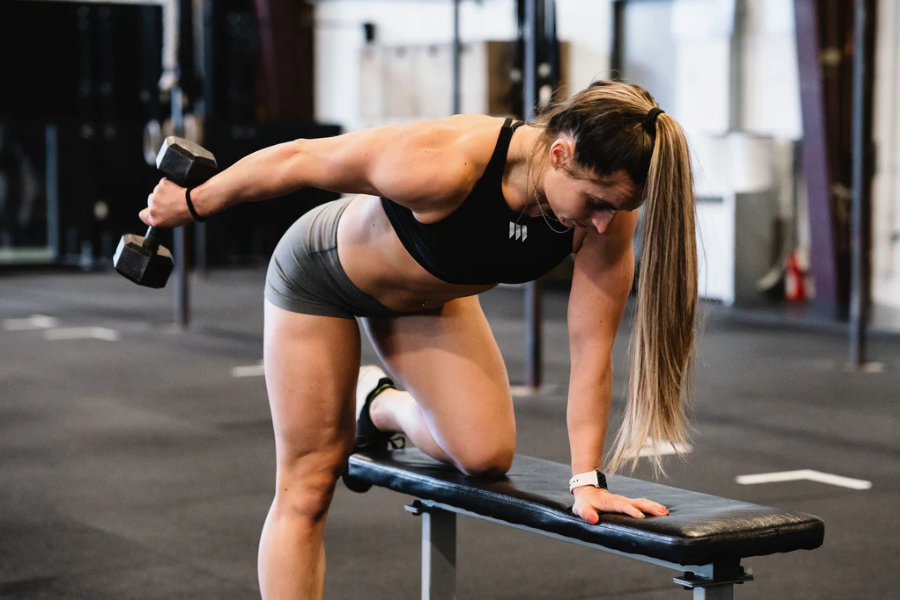
Understand nutrition for tricep growth
If you want bigger, stronger arms, you cannot rely on tricep workouts alone. The right nutrition for tricep growth gives your body the raw materials and energy it needs to build muscle after every set of pushdowns, dips, or close grip presses.
You do not need a complicated diet. You do need enough total calories, the right amount of protein, and smart choices with carbohydrates and fats. Below, you will find the key principles plus specific foods to put on your plate.
Get your calories in the right range
Your triceps will not grow if you are under fueled, even if your protein intake is high.
Research on strength and power athletes found that when daily calories were too low, lean tissue gains were limited even though protein intake was at or above recommended levels. This applies to your triceps as much as any other muscle group.
How to estimate a growth friendly calorie target
You can use your body weight as a simple guide:
- If you are active and lifting regularly, a common range is:
- 18 to 20 calories per pound of bodyweight for muscle gain without excessive fat gain, as suggested by a two month roadmap for bodybuilders from Muscle & Fitness.
- If you are completely new to tracking, start at:
- Bodyweight (in pounds) × 16 to 18, then adjust by 150 to 250 calories at a time based on progress.
You will know you are in the right zone if:
- Your weight goes up slowly, about 0.25 to 0.5 pound per week.
- Your tricep exercises feel strong and you are adding reps or weight over time.
- You feel recovered enough to push in your next tricep workout.
Dial in protein for tricep growth
Protein is the building block for new muscle tissue, including your triceps. You need enough, but more is not always better.
How much protein you actually need
Several research reviews on resistance training suggest that:
- Around 1.6 to 2.0 grams of protein per kilogram of body weight per day (about 0.7 to 0.9 grams per pound) is enough to maximize muscle growth for trained individuals.
- A meta analysis of 49 studies found that about 1.6 g/kg/day is associated with the greatest muscle gains and that going beyond roughly 2.2 g/kg/day does not add extra benefit for size or strength.
A study on collegiate strength athletes also showed no significant body composition or strength advantage when protein intake exceeded 2.0 g/kg/day compared with more moderate intakes, as long as calories were adequate.
In practical terms:
- If you weigh 150 pounds, aim for roughly 105 to 135 grams of protein per day.
- If you weigh 180 pounds, aim for roughly 125 to 160 grams per day.
You may see higher ranges, like 1 to 1.5 grams per pound of bodyweight, in bodybuilding plans. The Muscle & Fitness roadmap recommends 1 to 1.5 grams per pound for more advanced or aggressive muscle gain phases in bodybuilders, which is 180 to 270 grams per day for a 180 pound athlete. If you are not a competitive bodybuilder, you probably do not need the top of that range.
Best high protein foods for your triceps
Focus on high quality protein sources that provide all essential amino acids, especially leucine, which is important for triggering muscle protein synthesis:
- Chicken breast
- Turkey breast
- Lean beef (sirloin, round)
- Pork tenderloin
- Fish such as salmon, tuna, cod
- Eggs and egg whites
- Greek yogurt and cottage cheese
- Cow’s milk and high protein dairy
- Tofu, tempeh, and edamame
- Whey or casein protein powder
Research highlighted by Healthline notes that foods rich in leucine, like eggs, shrimp, and cottage cheese, are particularly effective at stimulating muscle protein synthesis and supporting growth, including in your triceps.
Protein timing and frequency
You will get the most from your protein intake if you:
- Spread it over 3 to 5 meals and snacks, instead of saving most of it for one big dinner.
- Aim for about 20 to 40 grams of protein at each meal or snack, which fits with evidence that this amount increases muscle protein synthesis for several hours.
- Include protein in the meal after your tricep workout to support recovery.
According to NASM, 20 to 40 gram doses of whey protein, taken every 3 to 4 hours or within 2 hours post exercise for 8 to 12 weeks, have been shown to increase lean body mass and strength, while reducing fat mass in resistance trained individuals.
Use carbohydrates to power tricep workouts
Carbohydrates supply the energy for hard sets and help you recover between workouts. If carbs are too low, you may feel flat, your training quality can drop, and your tricep growth may stall.
Why carbs matter for your triceps
Registered dietitians at Nourish To Flourish in Richmond, Midlothian, Chesterfield, Henrico, and West End, VA, emphasize that:
- Carbohydrates provide the energy you need for intense resistance training, which is essential for tricep growth.
- Carbs help spare protein from being burned for energy, so more protein can be used for muscle repair and growth.
- Adequate carbohydrate intake supports hormonal balance that favors muscle building.
- Carbs support faster recovery after workouts and help rebuild muscle glycogen, which prepares your triceps for the next session.
These insights come from their nutrition counseling guidance on muscle growth and performance.
In addition, research on resistance training athletes suggests that:
- Around 4 to 7 grams of carbohydrate per kilogram of body weight per day supports heavy training and glycogen restoration, which is important for hypertrophy. Very low carb or ketogenic diets can impair muscle mass gains.
Practical carb targets
A straightforward starting point:
- Moderate training days: 3 to 5 g/kg/day
- Heavy training or tricep focused volume days: 4 to 7 g/kg/day
If you weigh 160 pounds (about 73 kg), this might be:
- Around 220 to 365 grams of carbs per day, depending on how hard and often you train.
The Muscle & Fitness roadmap suggests at least 2 grams of carbohydrate per pound of bodyweight daily for bodybuilders, which is 360 grams of carbs for a 180 pound athlete, with a focus on slow digesting carbs like oatmeal and sweet potatoes, and faster carbs around the workout window.
Smart carb food choices
To support nutrition for tricep growth, lean on:
- Whole grains: oats, brown rice, quinoa, whole wheat pasta, whole grain bread
- Starchy vegetables: potatoes, sweet potatoes, squash, corn
- Legumes: lentils, black beans, chickpeas
- Fruit: bananas, berries, apples, oranges, grapes
- Dairy: milk, yogurt, kefir
Save most refined or sugary carbs for directly after your workout if you enjoy them. Combining fast digesting carbs with protein immediately post workout can enhance muscle protein synthesis more than either alone, due to rapid digestion and improved recovery.
Include healthy fats for hormones and joint health
Fats support hormone production, joint comfort, and overall health, all of which make it easier to train triceps hard and often.
The Muscle & Fitness roadmap recommends:
- Around 0.5 to 0.7 grams of fat per pound of bodyweight for those chasing muscle gain.
- For a 180 pound person, that is about 90 to 125 grams of fat per day, with an emphasis on unsaturated fats from foods like fatty fish, nuts, olive oil, avocados, and peanut butter.
Best fat sources for muscular health
Build your fat intake mostly from:
- Fatty fish: salmon, mackerel, sardines, trout, tuna
- Nuts and seeds: almonds, walnuts, chia seeds, flaxseeds, pumpkin seeds
- Plant oils: extra virgin olive oil, avocado oil
- Avocados
- Nut butters
- Whole eggs and full fat dairy, in moderation
Healthline’s 2024 guidance notes that omega 3 rich foods, such as salmon and tuna, can support muscle health and muscle mass gain, which naturally includes your triceps.
Build tricep friendly meals
Once you understand the building blocks, putting together meals that support tricep growth gets much easier. Each meal should ideally include:
- A substantial protein source
- A portion of complex carbohydrates
- Some healthy fat
- Colorful vegetables or fruit
Sample meal ideas
You can mix and match around your preferences. For example:
- Breakfast
- Vegetable omelet made with whole eggs and egg whites
- Oatmeal cooked in milk, topped with berries and a spoonful of peanut butter
- Lunch
- Grilled chicken breast or tofu
- Quinoa or brown rice
- Mixed salad with olive oil vinaigrette
- Pre workout snack
- Greek yogurt with banana and a sprinkle of granola
- Post workout meal
- Lean beef or salmon
- Baked sweet potato
- Steamed broccoli or green beans
- Evening snack
- Cottage cheese or casein shake
- A handful of walnuts or almonds
This basic structure gives you a steady stream of amino acids, glycogen restoring carbs, and supportive fats, all of which contribute to stronger, fuller triceps over time.
Use supplements wisely for tricep growth
Supplements are optional. They can help you hit your targets, but they cannot replace solid food choices or a well designed tricep workout.
Protein powders
If you struggle to reach your daily protein goal with food alone, whey or casein can help.
NASM notes that:
- Whey protein is a complete protein with very high digestibility.
- 20 to 40 grams per serving, taken every 3 to 4 hours or within 2 hours after training, has been shown to increase lean mass, improve strength, and reduce fat mass when combined with resistance training over 8 to 12 weeks.
The Muscle & Fitness roadmap recommends:
- 20 grams of whey protein before workouts, and 40 grams after, to support muscle growth, including in the triceps.
Casein, which digests more slowly, can be a useful pre bed option to reduce overnight muscle breakdown. A common dose is 20 to 40 grams before sleep.
If your daily food has enough protein, extra BCAA supplements do not seem to add much for muscle gain. Research suggests that BCAA supplements do not provide significant additional benefits for muscle growth when overall protein intake is adequate, even in females who lift.
Creatine
Creatine is one of the most researched and effective supplements for strength and muscle gains, including in your triceps.
Guidance from NASM and other reviews indicate that:
- Creatine supplementation can increase muscle creatine stores by up to about 40 percent above normal levels.
- This can improve strength, increase cell water content, support muscle growth related hormones like IGF 1, and reduce muscle protein breakdown.
- A common protocol is a loading phase of about 0.3 g/kg bodyweight four times per day for 5 to 7 days, followed by 3 to 5 grams per day as a maintenance dose.
- Taking creatine after exercise may be especially effective for supporting recovery and muscle gain.
Women tend to have lower baseline creatine stores than men, and levels can fluctuate with hormonal changes like menstruation, pregnancy, and menopause. This means creatine can be particularly helpful for women to maintain muscle size, strength, bone density, and possibly mood and cognition across life stages.
Other supplements with some support
Some additional options that appear in the research and NASM guidance include:
-
Essential amino acids (EAAs)
-
Doses of about 5 to 9 grams before or after resistance exercise can stimulate muscle protein synthesis.
-
However, they are less effective than complete high quality protein sources, so think of them as a backup rather than a primary strategy.
-
HMB (beta hydroxy beta methyl butyrate)
-
Doses of about 1.5 to 3 grams per day for 3 to 12 weeks have shown increases in strength and muscle mass in trained and untrained individuals by reducing muscle protein breakdown.
-
Taking around 1 to 2 grams 30 to 60 minutes before exercise is currently recommended in some protocols.
-
Weight gainer powders and carb powders
-
High calorie gainers and carbohydrate supplements like Vitargo or Karbolyn can help if you cannot reach your calorie or carb targets from food alone.
-
Combining carbs and protein immediately after exercise can support muscle protein synthesis and recovery more than either alone, largely due to faster digestion and better glycogen restoration.
-
They are not magical for muscle gain, they are just convenient sources of calories and carbs when appetite or schedule is an issue.
Avoid common nutrition mistakes that limit tricep gains
Even if your workout plan is solid, a few easy nutrition slip ups can slow your tricep progress.
Mistake 1: Chasing extreme protein but under eating calories
Studies in strength athletes show that very high protein intakes above about 2.0 g/kg/day do not provide extra benefits for muscle size or strength when calories are not high enough.
Fix it:
Check that your total calories are in a surplus and that your carbohydrates and fats are not too low. Protein is important, but it is only part of the picture.
Mistake 2: Training triceps hard on very low carbs
Low carb or ketogenic dieting can reduce your ability to perform and recover from high volume training and has been linked with impaired hypertrophy in resistance athletes.
Fix it:
If tricep growth is a priority, consider at least moderate carb intake, especially on days when you press, dip, or extend heavy.
Mistake 3: Relying on supplements instead of meals
Supplements like whey, creatine, or HMB can help, but they are not a shortcut if the rest of your diet is inconsistent.
Fix it:
Build 2 to 4 solid, protein rich meals first, then use supplements to fill genuine gaps.
Put it all together for stronger triceps
When you combine smart tricep workouts with the right nutrition strategy, you give your arms the best chance to grow.
To recap, your plan for effective nutrition for tricep growth can look like this:
- Aim for a slight daily calorie surplus so your body has enough energy to build new muscle.
- Target about 0.7 to 0.9 grams of protein per pound of bodyweight from high quality sources.
- Eat enough carbohydrates, roughly 3 to 7 g/kg/day depending on training demands, to fuel and recover from tricep focused sessions.
- Include healthy fats, especially omega 3 rich foods, to support hormones and joint health.
- Build meals around protein, complex carbs, and colorful plants, then layer in helpful supplements like whey and creatine if needed.
Pick one or two changes you can start with today, such as adding a protein rich breakfast or increasing carbs on heavy tricep days. Over the next several weeks, those small, consistent upgrades will show up in stronger presses, deeper dips, and visibly fuller triceps.
About the Author