Understand why weight management feels harder for women
When you look into weight management for women, it quickly becomes clear that you are not starting from the same place as men. Biology, hormones, and life stages all influence how easily you lose or gain weight. Understanding what is happening behind the scenes helps you be kinder to yourself and more strategic with your plan.
Several factors make weight loss and long‑term weight management more challenging for women:
- You naturally carry a higher percentage of body fat and less muscle. Women average about 25 to 30% body fat, compared to 18 to 23% in men, which means a slower resting metabolism (Women’s Wellness MD).
- Hormonal shifts tied to your menstrual cycle, pregnancy, perimenopause, and menopause all affect appetite, energy levels, and where your body stores fat (Alevizos Medical).
- Conditions that are more common in women, such as thyroid disease and polycystic ovary syndrome (PCOS), can slow your metabolism and promote weight gain, even if your habits have not changed much (Women’s Wellness MD).
- Emotional pressures and stress, from caregiving to work to social expectations about appearance, increase the risk of emotional eating and irregular routines (Alevizos Medical).
None of this means you are destined to struggle forever. It simply explains why “eat less, move more” often feels incomplete. A winning approach to weight management for women starts with your hormones and health, then layers in realistic, sustainable changes.
Know the key hormones that influence your weight
Your hormones act as messengers that tell your brain how hungry you are, how much energy you have, and where to store fat. When these signals are in balance, your body tends to maintain a healthy weight more easily. When they are out of sync, you can feel like you are working twice as hard for half the results.
Leptin and amylin: Appetite and fullness signals
Leptin is produced in your body fat and is often called the “satiety hormone.” In a healthy system, higher leptin levels signal your brain that you have enough fat stored, so appetite decreases. In obesity, leptin levels are often high but the brain stops responding to the signal, a problem known as leptin resistance. This makes it harder to lose weight because your brain continues to act as if you are in a calorie deficit even when you are not (Brown Health).
Amylin is a hormone released by your pancreas. It helps reduce food intake and can lower leptin resistance, which may support weight loss. Amylin is used in the treatment of diabetes and has potential benefits for weight management as well (Brown Health).
What this means for you:
- Paying attention to overall body fat and long‑term habits helps support leptin balance.
- If you live with diabetes or find it very hard to feel full, your healthcare provider might talk with you about medications that act on amylin or leptin pathways.
Ghrelin: The hunger hormone
Ghrelin is produced in your stomach and is often called the “hunger hormone.” Levels rise when your stomach is empty and drop after you eat. Skipping meals can cause ghrelin to spike, which often leads to intense hunger and overeating later (Brown Health).
You can help keep ghrelin in check by:
- Eating regular meals instead of “saving up” calories
- Including both carbohydrates and protein at meals to lower and sustain ghrelin suppression (Brown Health)
GLP‑1 and GIP: Fullness and satisfaction
Glucagon‑like peptide 1 (GLP‑1) and gastric inhibitory peptide (GIP) are hormones produced in your intestines in response to food. They help you feel full and satisfied and they naturally limit how much you eat (Brown Health).
Synthetic GLP‑1 medications are now widely used as long‑term treatments for obesity and can support significant weight loss in some women (Brown Health). If you feel you are doing everything “right” and still not seeing changes, it may be worth asking your provider if these medicines are appropriate for you.
Cortisol: Stress and belly fat
Cortisol is often called the “stress hormone.” In short bursts it helps you respond to emergencies. When stress becomes chronic, cortisol stays elevated and can:
- Increase your appetite
- Push your body to store more fat around your abdomen
- Make it harder to stick with healthy routines because you feel tired or overwhelmed
Chronic stress and high cortisol are closely tied to weight gain, especially around the midsection, so stress management is an important part of weight control for women (Brown Health).
Estrogen, thyroid, and PCOS: Female‑specific factors
For many women, hormonal weight gain shows up during perimenopause and menopause. Estradiol, a form of estrogen, helps regulate metabolism and body weight. As estradiol declines, you may notice weight gain, particularly around your hips, thighs, and abdomen (Endocrinology Consultants).
Other hormone‑related conditions that can impact your weight include:
- Thyroid deficiency (hypothyroidism): Slows metabolism, reduces calorie burn, and often leads to weight gain. Women are 5 to 8 times more likely than men to have thyroid disease (Women’s Wellness MD).
- PCOS: Associated with elevated androgens and insulin resistance, which increase hunger, promote fat storage, and make fat loss harder (Women’s Wellness MD; Alevizos Medical).
If you notice weight gain along with headaches, insomnia, mood swings, or very heavy or painful periods, it is worth asking for an evaluation of your hormones (Endocrinology Consultants).
Recognize when weight gain is hormone related
Not all weight gain is caused by lifestyle choices. Hormonal imbalances can shift your weight even when your habits have not changed much. For women, common signs of hormone‑related weight changes include:
- Sudden or steady weight gain around your abdomen, hips, or thighs
- Fatigue that does not improve with rest
- Changes in your cycle, such as irregular or very painful periods
- Hot flashes, night sweats, or symptoms of perimenopause or menopause
- Difficulty losing weight despite consistent efforts
- New or worsening mood swings, anxiety, or sleep problems
Conditions that often contribute to hormonal weight gain in women include thyroid deficiency, declining estrogen, and PCOS (Endocrinology Consultants).
Untreated hormonal weight gain increases your risk of several serious health problems such as type 2 diabetes, infertility, mood disorders, high blood pressure, high cholesterol, heart disease, stroke, sleep apnea, asthma exacerbation, certain cancers, and reduced lifespan (Endocrinology Consultants).
Early evaluation by an endocrinologist can help you identify what is going on and choose effective interventions, including lifestyle changes, hormone replacement when appropriate, or targeted medications (Endocrinology Consultants).
Set realistic weight management goals
Part of winning weight management for women is redefining what “success” looks like. Crash diets and all‑or‑nothing expectations may show dramatic results for a few weeks, but they rarely last and often leave you feeling discouraged.
Health experts like the Centers for Disease Control and Prevention (CDC) and Mayo Clinic recommend a steady loss of about 1 to 2 pounds per week as a realistic, sustainable pace (CDC; Mayo Clinic). To reach that rate, you typically need to burn about 500 to 750 calories more per day than you consume (Mayo Clinic).
Even modest weight loss makes a meaningful difference. Losing about 5% of your body weight can significantly improve blood pressure, cholesterol, and blood sugar and lower your risk of chronic disease (CDC; Mayo Clinic).
Turn big goals into small, clear steps
Vague goals like “eat better” or “get in shape” are hard to follow. Instead, set specific, short‑term goals that fit your life. The CDC suggests examples such as:
- Walking 15 minutes three days a week
- Adding one serving of vegetables to lunch and dinner
- Replacing sugary drinks with water on weekdays (CDC)
Avoid extreme goals like “lose 20 pounds in two weeks.” These are difficult to achieve and can lead to frustration or unhealthy habits when you feel you have “failed” (CDC).
You can also create two types of goals:
- Outcome goals: For example, “I want to lose 15 pounds.”
- Action goals: For example, “I will walk 30 minutes at least five days this week.”
You cannot control the scale directly, but you can control the actions you take day to day.
Build a sustainable eating pattern
You do not need a perfect diet to succeed. What you need is a pattern of eating that helps you feel satisfied, supports your hormones, and fits your real life.
Focus on plant‑based, fiber‑rich foods
The Mayo Clinic encourages eating plenty of fruits, vegetables, and whole grains because they are low in calories and high in fiber, which helps you feel full on fewer calories (Mayo Clinic).
Try shaping your plate around:
- Vegetables: Aim for at least half your plate at lunch and dinner.
- Fruits: Enjoy them as snacks or dessert, especially whole fruits rather than juices.
- Whole grains: Such as oats, brown rice, quinoa, and whole‑wheat bread.
- Lean protein: Beans, lentils, tofu, eggs, poultry, or fish.
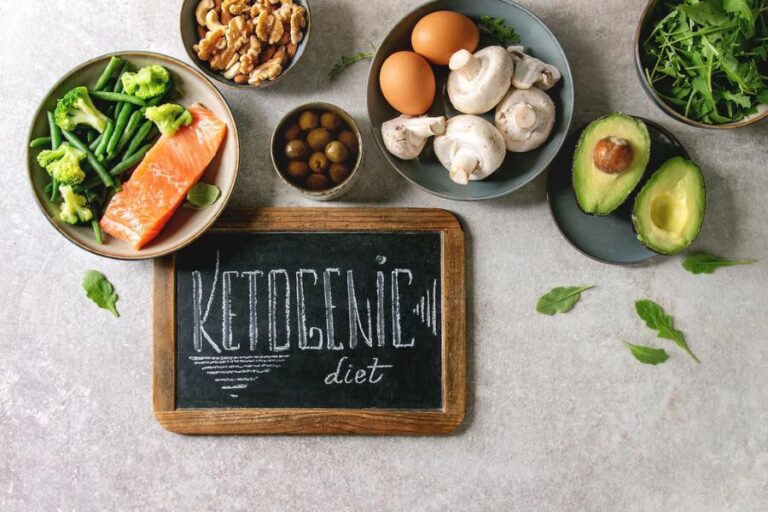
- Healthy fats: Nuts, seeds, avocado, and olive oil in reasonable portions.
If you live with diabetes or have concerns about blood sugar, you may need to emphasize non‑starchy vegetables even more and be mindful of fruit portions (Mayo Clinic).
Eat regularly to support hunger hormones
Skipping meals might seem like a shortcut, but it can backfire. Long gaps without eating raise ghrelin levels, increase hunger, and make it harder to make balanced choices later (Brown Health).
You can support more stable hunger signals by:
- Eating roughly every 3 to 5 hours while awake
- Including both protein and carbohydrates at meals to keep you full longer (Brown Health)
- Planning simple, go‑to options for busy days, such as yogurt with fruit, a hard‑boiled egg with whole‑grain toast, or a bean and veggie soup
Consider structured programs when you want more guidance
Some women find it helpful to follow a structured program, especially at the beginning. The Mayo Clinic Diet, for example, is designed as a long‑term lifestyle plan that helps you add healthy habits and let go of less helpful ones. It encourages unlimited vegetables and fruits from the base of the Mayo Clinic Healthy Weight Pyramid and promotes at least 30 minutes of physical activity a day (Mayo Clinic).
During the first two weeks on this program, it is possible to lose about 6 to 10 pounds, followed by a slower, steady loss of 1 to 2 pounds per week (Mayo Clinic). If you have diabetes or other medical conditions, you should work with your provider to tailor any diet to your needs.
Move your body in ways that work for you
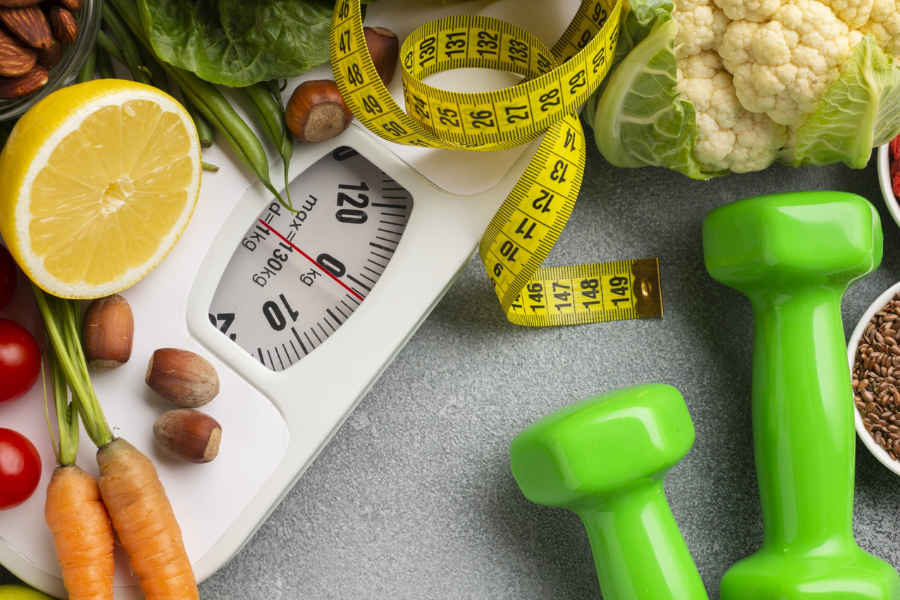
Exercise is not a punishment for eating. It is a tool that supports your heart, mood, sleep, and long‑term weight management. The goal is not perfection. It is consistency.
How much exercise should you aim for?
The Mayo Clinic recommends:
- At least 30 minutes of aerobic activity most days of the week
- Strength training at least twice a week to maintain or build muscle (Mayo Clinic)
Aerobic exercise can include walking, cycling, swimming, dance classes, or anything that raises your heart rate and you can sustain. Strength training can include weights, resistance bands, or body‑weight exercises like squats and pushups.
What the research says about exercise and weight loss
A large overview of 12 systematic reviews, covering 149 studies, found that exercise programs in adults with overweight or obesity led to average weight losses of about 1.5 to 3.5 kilograms (NCBI – Obesity Reviews).
Key findings include:
- Aerobic training tends to produce about 1 kilogram more weight and fat loss than resistance training alone in adults with overweight or obesity (NCBI – Obesity Reviews).
- Both moderate‑intensity continuous training and high‑intensity interval training (HIIT) can lead to similar results when total energy expenditure is matched (NCBI – Obesity Reviews).
- Aerobic and HIIT exercise can significantly reduce visceral fat, the deeper fat around your organs, by about 30 to 40 square centimeters, which is likely to improve cardiometabolic health (NCBI – Obesity Reviews).
- Resistance training is especially important for preserving lean body mass during diet‑induced weight loss, particularly in older adults, even though it does not reduce visceral fat as effectively on its own (NCBI – Obesity Reviews).
Current evidence does not clearly show that exercise alone prevents weight regain after weight loss, but it remains crucial for overall health and may help some people maintain their progress if they can stick with a routine they enjoy (NCBI – Obesity Reviews).
Make movement more doable
You do not have to start with an hour a day. Small steps count and they add up. Consider:
- Walking 10 minutes after each meal
- Taking the stairs instead of the elevator when you can
- Doing short strength sessions at home a few times a week
- Trying an activity that feels fun, like dancing, hiking, or a group class
If you are new to exercise or have health concerns, check with your clinician before making big changes.
Manage stress, sleep, and emotional eating
Your lifestyle outside the kitchen and gym has a big impact on weight management for women. Stress, sleep, and emotions can all influence your hormones, appetite, and follow‑through.
Lower stress to support cortisol and choices
Since chronic stress raises cortisol and can increase abdominal fat, finding ways to lower stress is a health strategy, not an indulgence (Brown Health). You might experiment with:
- Short breathing exercises during the day
- A brief walk outside when you feel overwhelmed
- Gentle stretching or yoga in the evening
- Setting clearer boundaries around work hours or screen time
If your stress feels unmanageable or is tied to trauma, consider talking with a therapist. Emotional health and physical health are deeply connected.
Prioritize sleep as part of your plan
Sleep affects hunger hormones, mood, and your ability to stick with habits. Poor sleep can increase appetite and cravings, especially for high‑calorie foods. While the research provided here does not detail specific sleep recommendations, aiming for enough, consistent sleep and a calming bedtime routine will support your overall efforts.
Address emotional and social pressures
Emotional eating, social events centered around food, and cultural expectations about your body can all make weight management complicated. Women often feel these pressures more intensely (Alevizos Medical).
You can support yourself by:
- Noticing patterns, such as reaching for snacks when you feel lonely or stressed
- Finding non‑food comforts like a walk, a bath, a book, or calling a friend
- Setting gentle boundaries, for example, sharing a dessert instead of feeling obliged to finish your own
Consider medical and professional support
You do not have to do this alone. In fact, support from professionals and loved ones can make weight management more effective and less stressful.
When to see an endocrinologist or specialist
If you suspect a hormonal issue or if weight gain is rapid, stubborn, or paired with other symptoms, an endocrinologist can help. They can:
- Test for thyroid issues, PCOS, or other hormone imbalances
- Talk with you about options like hormone replacement therapy when appropriate
- Prescribe medications to help regulate hormones or manage appetite (Endocrinology Consultants)
Early evaluation can minimize or even reverse hormonal weight gain and lower your risk of long‑term complications (Endocrinology Consultants).
Medically supervised weight loss programs
Some clinics offer personalized, medically supervised programs for women. These can include:
- Detailed medical evaluation to spot hormone or metabolic issues
- Prescription weight‑loss medications when appropriate
- Guidance on nutrition and exercise tailored to your body and schedule
- Coaching and accountability to help you stay motivated (Women’s Wellness MD; Alevizos Medical)
Certain programs also offer hormone therapies, stress‑management techniques, or specific diets under professional supervision, such as the hCG diet or medications like phentermine, though these are not suitable or necessary for everyone (Alevizos Medical).
Build a support network
The CDC notes that support from family, friends, coworkers, or healthcare providers plays a significant role in successful weight management. In some cases, that also means using community resources like recreation centers or nutrition services (CDC).
You might:
- Share your goals with a trusted friend and check in weekly
- Join a walking group or fitness class
- Ask your healthcare provider for a referral to a nutritionist or weight management specialist
Track progress and adjust as you go
Weight management for women is not about perfection. It is about paying attention and making small adjustments over time.
Monitor more than the scale
The scale is only one indicator of progress. You can also track:
- How your clothes fit
- Your energy levels during the day
- Your mood and stress levels
- How often you follow your action goals, such as number of walks per week
The CDC recommends regularly reviewing your goals, noticing what is working, and adjusting what is not. Reward yourself for progress with non‑food rewards, such as a new book, a class you have wanted to try, or a relaxing bath (CDC).
Be flexible through life stages
Your needs will shift during your menstrual cycle, pregnancy, postpartum, perimenopause, and menopause. Muscle mass, hormones, and responsibilities change. What worked for you at 25 might not be enough at 45. Staying flexible and open to adjusting your approach keeps you moving forward rather than getting stuck.
Putting it all together
Winning weight management for women is not about doing everything at once. It is about combining a few key ideas and building from there:
- Understand how your hormones and life stage affect your weight.
- Set realistic goals, like losing 5% of your body weight gradually or walking a few days a week.
- Center your meals around vegetables, fruits, whole grains, lean proteins, and healthy fats.
- Move regularly, aiming for both aerobic exercise and strength training over time.
- Take stress, sleep, and emotional health seriously, since they affect your hormones and habits.
- Ask for professional help if you suspect hormonal issues or if you want a medically guided plan.
You can start very small. Pick one step for this week, such as adding a 10‑minute walk after dinner or including a vegetable with lunch. As that becomes more natural, add another. Over time, those steady choices add up to a way of living that supports your weight, your health, and the way you feel in your own body.
About the Author