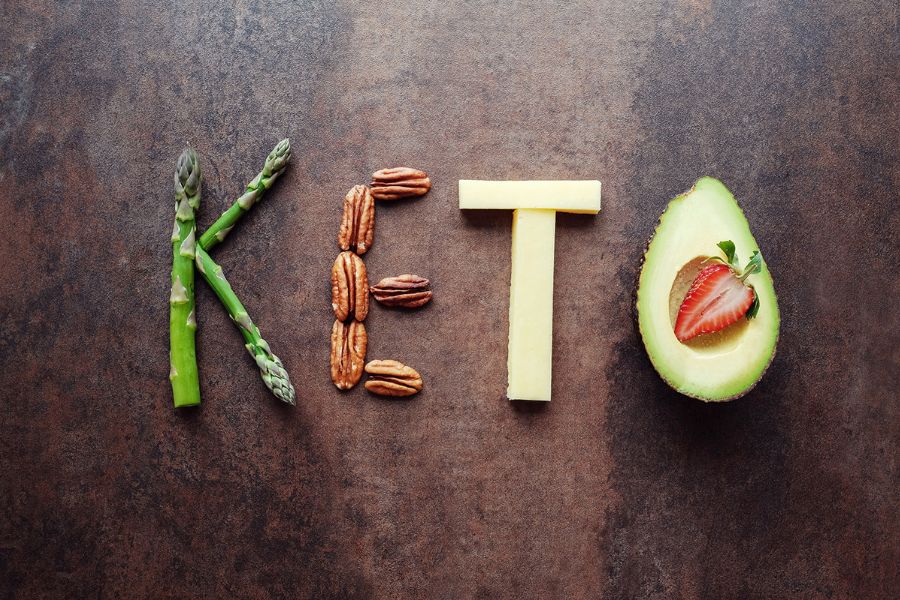
Understand what the keto diet is
If you have wondered what is the keto diet and why so many people talk about it for weight loss, you are not alone. At its core, the ketogenic diet is a way of eating that is very low in carbohydrates, high in fat, and moderate in protein.
When you follow a keto diet, you typically:
- Get about 70 to 75 percent of your daily calories from fat
- Limit carbohydrates to around 20 to 50 grams per day
- Eat enough protein to maintain muscle, but not so much that it turns into sugar in your body
This big drop in carbs pushes your body into a different metabolic state called ketosis. Instead of relying on glucose from carbs, your body starts to burn fat for energy and produces molecules called ketones.
According to the University of Chicago Medicine, it usually takes about 72 hours of strict low carb eating for your body to shift into ketosis and start using ketones as fuel (University of Chicago Medicine).
How ketosis works in your body
To understand what the keto diet does, it helps to know a bit about how your body usually runs.
Your normal fuel source
On a typical diet that includes bread, pasta, fruit, and other carbs, your body:
- Breaks carbs down into glucose
- Uses glucose right away for energy
- Stores extra glucose as glycogen in your liver and muscles
Glucose is the easiest fuel for your body to use, so it will always reach for that first.
What changes on keto
When you sharply cut your carb intake, your body:
- Runs through its stored glycogen
- Has less glucose available for energy
- Starts breaking down fat for fuel instead
As your liver breaks down fat, it produces ketone bodies, which your brain and other organs can use as an alternative energy source. This state is called nutritional ketosis and it is the foundation of the ketogenic diet (Healthline, NCBI Bookshelf).
Ketone bodies are not just fuel. Research has found that they also act as signaling molecules that can influence inflammation, nerve activity, and how genes are expressed, which helps explain some of the therapeutic effects seen in epilepsy and other conditions (NCBI Bookshelf).
Where keto came from originally
Although you often hear about keto as a weight loss diet, it did not start that way.
- The ketogenic diet was first developed in the 1920s at the Mayo Clinic as a treatment for drug resistant epilepsy in children (NCBI Bookshelf, UC Davis Health).
- By mimicking the effects of fasting, the diet helped reduce seizure frequency and severity.
- Over time, it became an accepted therapy for certain neurological disorders like epilepsy and some rare metabolic conditions.
Today, epilepsy is still the main condition where the ketogenic diet is widely used and supported by clinical guidelines (NCBI Bookshelf). More recently, keto has been promoted for weight loss, type 2 diabetes, and other health concerns, but these uses are still being studied.
Main types of ketogenic diets
You might see different versions of the keto diet mentioned online. Here are some of the most common styles described in medical resources.
Classic ketogenic diet
This is the original, strict version often used in hospitals for epilepsy:
- Very high in fat
- Very low in carbs
- Carefully calculated by a registered dietitian
- Typically requires close medical supervision
UC Davis Health notes that this classic plan is the most researched form for epilepsy treatment and is not usually started without professional guidance (UC Davis Health).
Modified ketogenic diet
This version:
- Still emphasizes high fat
- Allows slightly more protein and carbohydrates
- Is a bit easier to follow day to day
It is sometimes used when the classic diet feels too rigid but a therapeutic keto approach is still needed.
Modified Atkins diet
The modified Atkins diet:
- Keeps carbs very low
- Is high in fat
- Allows unlimited protein within reason
It is often described as more user friendly than the classic keto diet because it does not require precise weighing and measuring of every food (UC Davis Health).
For general weight loss, you will usually see a more flexible, “standard” keto approach that still keeps carbs around 20 to 50 grams per day but focuses on whole foods instead of detailed ratios (Healthline).
What you eat on a keto diet
To stay in ketosis, you need to choose foods that are naturally low in carbohydrates and higher in fat. Here is a simple breakdown based on current medical and nutrition resources.
Foods that usually fit keto
According to Healthline and several medical centers, common keto friendly foods include (Healthline, Northwestern Medicine):
-
Animal proteins
-
Meat and poultry
-
Fatty fish like salmon, sardines, and mackerel
-
Eggs
-
Healthy fats and oils
-
Olive oil
-
Avocado and avocado oil
-
Butter and ghee
-
Dairy (if you tolerate it)
-
Cheese
-
Heavy cream
-
Full fat yogurt in small amounts
-
Low carb vegetables
-
Leafy greens like spinach and kale
-
Broccoli, cauliflower, zucchini
-
Cabbage, cucumber, bell peppers in moderation
-
Nuts and seeds
-
Walnuts, almonds, pecans, macadamias
-
Chia, flax, and pumpkin seeds
Some high fiber fruits like raspberries may fit in small portions, but most fruit is limited (UC Davis Health).
Foods you typically avoid
To keep carbs very low, most ketogenic plans limit or cut out:
-
Starchy foods
-
Bread and baked goods
-
Pasta and rice
-
Potatoes and sweet potatoes
-
Corn, peas, beans, legumes (UC Davis Health)
-
Sugary foods
-
Desserts and candy
-
Regular soda and sweetened drinks
-
Most breakfast cereals
-
Many fruits
-
Bananas, grapes, apples, mangoes, oranges
The University of Chicago Medicine points out that keto diets often end up excluding most fresh fruits, many vegetables, whole grains, and low fat dairy, which can be a concern for long term nutrition (University of Chicago Medicine).
What about “keto” products
You have probably seen products like “keto coffee,” “fat bombs,” and packaged snacks labeled as keto. Clinical dietitians at the University of Chicago Medicine note that many of these items are unnecessary and can be costly. You can follow a keto diet using basic foods like eggs, vegetables, meat, nuts, and oils without specialty products (University of Chicago Medicine).
Why people use the keto diet
You might be considering keto for weight loss, blood sugar control, or general health. It helps to separate what is well established from what is still emerging.
Established medical uses
The strongest scientific support for the ketogenic diet is for:
- Drug resistant epilepsy in children
- Certain rare metabolic conditions like glucose transporter type 1 deficiency and pyruvate dehydrogenase deficiency (NCBI Bookshelf)
In these cases, keto is usually prescribed and monitored by a medical team.
Weight loss
Many people are drawn to keto because they hear that it can help them lose weight. Research summarized by Healthline and Northwestern Medicine suggests that keto can:
- Lead to rapid initial weight loss, often due to loss of water as your body uses up stored glycogen
- Reduce appetite for some people
- Improve insulin sensitivity and lower triglycerides in the short term (Healthline, Northwestern Medicine)
Some studies have shown slightly greater long term weight loss with keto compared to low fat diets, although the differences are not dramatic and long term safety still needs more research (Healthline).
Blood sugar and metabolic health
Because keto lowers carb intake, it can:
- Reduce blood sugar levels
- Lower insulin needs in some people with type 2 diabetes
- Improve certain markers of metabolic health in the short term (Healthline, NCBI Bookshelf)
However, medical experts caution that anyone with diabetes or on blood sugar medications needs close supervision if they try keto. Adjustments to medication are often required.
Other possible benefits being studied
Researchers are also exploring keto for:
- Alzheimer’s disease and age related brain decline (UC Davis Health)
- Certain cancers
- Other neurological conditions
These areas are still under investigation. It is too early to say that keto is a proven treatment, but the potential link is part of why the diet is getting so much attention (Healthline, Healthline).
Risks and side effects you should know
Before you decide if the keto diet makes sense for you, it is important to understand the potential downsides highlighted in recent research.
Short term side effects
When you first switch to keto, you might experience what many people call the “keto flu.” According to UC Davis Health and Northwestern Medicine, this can include (UC Davis Health, Northwestern Medicine):
- Headaches
- Fatigue
- Nausea
- Dizziness
- Irritability
These symptoms usually appear in the first few days as your body adjusts and then improve as you adapt to using ketones for fuel.
Nutrient gaps and digestion
Because the keto diet cuts out entire food groups, dietitians from several medical centers warn that you may face:
- Lower intake of certain vitamins and minerals
- Potential bone health concerns
- The need for multivitamin and mineral supplements in some cases (UC Davis Health)
Limiting whole grains, many fruits, and some vegetables can also reduce your fiber intake, which may affect digestion.
Cholesterol and heart health
For some people, high fat diets can increase LDL or “bad” cholesterol. UC Davis Health notes that some individuals on keto may see rises in LDL, which could affect heart risk over time (UC Davis Health).
To support heart health while on keto, Northwestern Medicine recommends focusing on healthy fats such as:
- Olive oil
- Avocados
- Nuts and seeds
and not relying mainly on processed meats or large amounts of saturated fat (Northwestern Medicine).
Possible kidney and liver concerns
Northwestern Medicine points out possible negative effects on kidney and heart health, especially when keto is followed without medical supervision (Northwestern Medicine).
A long term study in mice from the University of Utah Health raises additional questions:
- Mice on a keto diet avoided weight gain compared with a typical high fat Western diet and had lower body fat
- However, they developed fatty liver disease, and especially in male mice, liver function worsened
- They also had impaired blood sugar control due to stress on the pancreas, which led to high blood sugar when carbs were reintroduced, though this effect was reversible when the diet was stopped (University of Utah Health)
These results are in animals, not humans, but they highlight why more long term human research is needed.
Athletic performance
If you are active or play sports, keto may not be ideal. UC Davis Health notes that the ketogenic diet generally impairs athletic performance and is usually not recommended for athletes because carbohydrates are limited (UC Davis Health).
Is the keto diet sustainable for you
One of the main concerns from dietitians is how realistic it is to stay on keto over time.
The University of Chicago Medicine reports that because keto excludes fresh fruits, many vegetables, whole grains, and low fat dairy, it is usually not sustainable or realistic for long term weight loss or overall health for most people (University of Chicago Medicine).
You might lose weight in the short term, but if you return to your usual eating pattern later, weight often comes back. That is why many experts suggest:
- Viewing keto as a short term therapeutic option, ideally supervised by a clinician, rather than your forever diet
- Focusing on long term habits like more whole foods, fewer ultra processed foods, and regular movement, whether or not you choose keto
How to decide if keto is right for you
If you are considering keto to lose weight or improve your health, you can walk through a few questions:
1. What are your health conditions
You should be especially cautious and talk to a doctor or registered dietitian if you:
- Have diabetes or take medications that affect blood sugar
- Have kidney disease or a history of kidney stones
- Have liver disease or high cholesterol
- Are pregnant, breastfeeding, or have a history of disordered eating
Because keto shifts how your body uses fuel and can change lab values, professional guidance is important (Northwestern Medicine, Healthline).
2. Can you live with the restrictions
Ask yourself:
- Are you willing to limit bread, pasta, rice, most desserts, and many fruits for an extended period
- Will social events or travel be stressful with such strict rules
- Do you enjoy high fat foods enough to feel satisfied on this plan
If the restrictions feel overwhelming just thinking about them, a more moderate low carb diet might suit you better.
3. What is your long term plan
Keto can be one tool in a bigger health journey, but it is not a magic fix. Before you start, consider:
- How you will transition off keto eventually
- Which habits you want to keep, such as cooking more at home or eating fewer processed foods
- How you will monitor your health along the way, including labs if your doctor recommends them
Simple steps if you want to try keto carefully
If you and your healthcare provider decide that the keto diet could be appropriate for you, you can ease in with a few practical steps.
Step 1: Learn your carb budget
Most ketogenic plans limit you to 20 to 50 grams of carbs per day. Some people track total carbs, while others track net carbs, which means:
Net carbs = total carbs − fiber
Since fiber is indigestible and does not raise blood sugar, many keto plans subtract it from the carb count (Healthline).
Step 2: Shift your pantry slowly
Start by:
- Reducing sugary drinks and desserts
- Swapping refined grains for protein and non starchy vegetables
- Adding healthy fats like olive oil, avocado, and nuts to meals
Gradual changes can make the transition smoother and may reduce “keto flu” symptoms.
Step 3: Focus on whole foods
Even on keto, quality matters. Try to:
- Build meals around meat, fish, eggs, and non starchy vegetables
- Choose minimally processed cheese and full fat dairy if tolerated
- Use nuts, seeds, olives, and avocados as snacks
This supports better nutrition than relying on heavily processed “keto” packaged foods.
Step 4: Monitor how you feel
Once you are in ketosis, pay attention to:
- Energy levels
- Sleep quality
- Digestion
- Mood and mental clarity
Share any major changes with your healthcare provider, especially if you feel unwell, overly fatigued, or notice significant changes in labs like cholesterol or blood sugar.
Key takeaways about the keto diet
If you come back to the question “what is the keto diet,” you can think of it this way:
- It is a very low carb, high fat eating pattern that puts your body into ketosis so you use fat and ketones for fuel instead of glucose.
- It was originally designed for epilepsy, and that remains its best proven medical use.
- Keto can support short term weight loss and changes in blood sugar for some people, but long term safety and sustainability are less clear.
- Side effects can include the “keto flu,” nutrient gaps, possible cholesterol changes, and potential kidney or liver concerns, especially if you follow the diet for a long time or without guidance.
- Because it is strict, keto is not the best fit for everyone, and professional support is recommended before you start, particularly if you have other health conditions.
If you decide to explore keto, aim for a thoughtful, informed approach, not a quick fix. Use what you learn about your body to shape an eating pattern that feels realistic and supports your health over the long run.
About the Author