Understand the mind body link
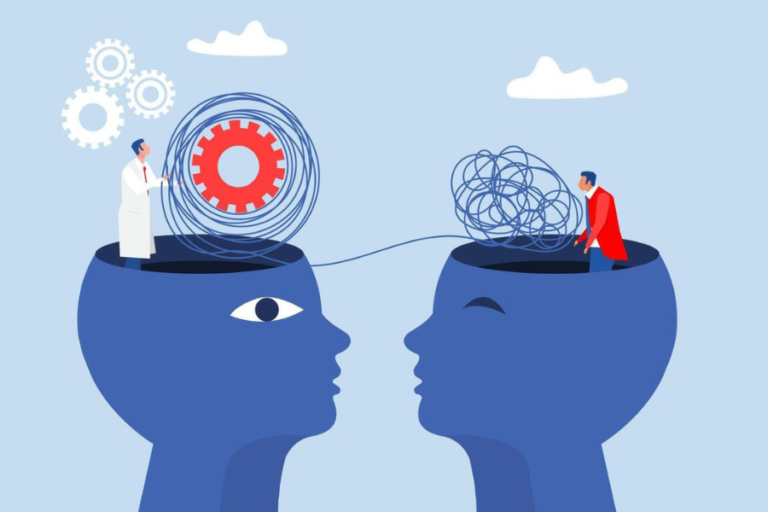
Your mental health and physical health connection is closer than it might seem. When you feel anxious, stressed, or low, your body often lets you know. Headaches, fatigue, an upset stomach, or restless sleep can all be physical signs of emotional strain (Mental Health Foundation).
The link works both ways. Long term physical conditions like diabetes, heart disease, or arthritis often come with higher rates of depression and anxiety. Nearly one in three people with a long term physical health condition also lives with a mental health problem (Mental Health Foundation).
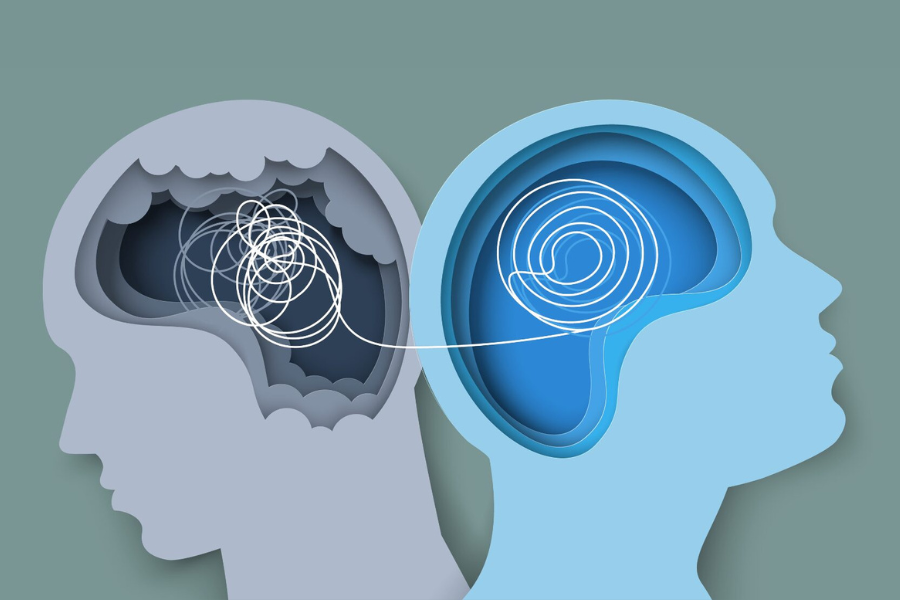
Seeing your mind and body as one connected system helps you focus on wellness as a whole, instead of trying to fix symptoms in isolation.
How mental health affects your body
When your mental health is under strain, your body often responds in clear, noticeable ways.
Common physical effects of ongoing stress, anxiety, or depression include (Mental Health Foundation):
- Persistent headaches
- Muscle tension and body aches
- Fatigue or low energy
- Digestive issues or upset stomach
- Difficulty sleeping or staying asleep
- Restlessness and trouble concentrating
Over time, poor mental health can also raise your risk for serious physical conditions:
- Depression is linked to diabetes, asthma, cancer, cardiovascular disease, and arthritis (WebMD).
- People with mental health conditions are more likely to develop preventable health problems like heart disease (Mental Health Foundation).
- Sleep disorders such as insomnia and sleep apnea are far more common in people with mental health conditions (WebMD).
How physical health affects your mind
The connection goes in the other direction as well. Physical health problems can weigh heavily on your mood, thinking, and outlook.
Research shows that about one third of people with serious medical conditions experience symptoms of depression (WebMD). Chronic physical diseases such as cardiovascular disease, diabetes, cancer, asthma, and arthritis are often complicated by:
- Anxiety
- Depressive symptoms
- Sleep difficulties
- Emotional distress and worry (Frontiers in Psychology)
Pain, fatigue, side effects from medication, and limitations in your daily life can all add emotional strain. Over time, this can make it harder to follow treatment plans or stay hopeful about your health.
Notice signs your mind and body are connected
You do not need a medical degree to see the mental health and physical health connection in your own life. You only need to pay attention.
Everyday examples you might recognize
Think about times when you:
- Got a tension headache during a stressful week at work
- Felt a knot in your stomach before a difficult conversation
- Lay awake at night replaying worries and woke up exhausted
- Came down with a cold after a period of intense pressure
These are simple but clear examples of your emotional state showing up in your body.
On the flip side, you may have noticed that you:
- Feel lighter and clearer after a brisk walk
- Sleep more deeply on days when you have been physically active
- Think more positively when you have been eating well and staying hydrated
These moments show how physical choices can lift your mental state.
When to take your symptoms seriously
It is easy to shrug off headaches or poor sleep as “just stress,” but ongoing symptoms are worth paying attention to, especially if you notice patterns like:
- Persistent fatigue that does not improve with rest
- Ongoing digestive problems without a clear physical cause
- Frequent colds or infections
- Chronic pain that feels worse when you are anxious or low
- Worsening mood when your physical condition flares up
In these situations, it helps to talk with both a medical professional and a mental health professional. An integrated approach can give you a more complete picture of what is going on.
Support mental health through movement
You do not need to become an athlete to benefit from exercise. Even short, gentle movement has a powerful effect on the mind body connection.
What exercise does inside your body
Regular physical activity improves both physical health and mental wellbeing in several ways:
- It releases endorphins, your body’s natural “feel good” chemicals, that boost mood and reduce pain (Mental Health Foundation).
- It helps regulate the hypothalamus pituitary adrenal (HPA) axis, which lowers stress hormone levels like cortisol and restores balance in other hormones that affect appetite and mood (Cureus).
- It increases dopamine, norepinephrine, and serotonin, which support motivation, focus, memory, and a more stable mood (HelpGuide).
Studies suggest that exercise can reduce symptoms of depression and anxiety across age groups, and in some cases can be as effective as medication or other standard treatments for mild to moderate depression (Cureus).
Types and amounts of activity that help
You do not have to work out intensely to feel better. Helpful options include:
- Brisk walking
- Light jogging
- Cycling
- Dancing at home
- Gardening or yard work
- Household chores that get you moving
Even 10 minutes of brisk walking can improve mental alertness, energy, and mood (Mental Health Foundation).
Health guidelines suggest aiming for at least:
- 150 minutes a week of moderate aerobic activity, such as brisk walking, or
- 75 minutes a week of vigorous aerobic activity, such as running,
for general physical and mental health benefits (Mayo Clinic).
One study found that running for 15 minutes a day or walking for an hour may reduce the risk of major depression by 26 percent (HelpGuide).
Simple ways to move more this week
If exercise feels overwhelming, focus on tiny, realistic changes:
- Walk around the block once a day before or after a meal.
- Take stretching breaks between tasks or meetings.
- Do a short online yoga or beginner workout video.
- Turn on music and move for two songs in your living room.
- Choose stairs over elevators when it feels comfortable.
If you live with a chronic condition or have been inactive, talk with your healthcare provider before starting something new so you can choose activities that are safe for you.
Nourish your brain with food
Food does not just fuel your body. It also supports your brain and emotional balance.
Why nutrition affects your mood
A balanced diet that includes proteins, essential fats, complex carbohydrates, vitamins, minerals, and plenty of water influences both the development and management of mental health conditions, including depression and dementia (Mental Health Foundation).
Nutrients support:
- Brain cell structure and communication
- Energy levels throughout the day
- Hormone and neurotransmitter production
- Inflammation control, which is linked to depression and chronic disease (Frontiers in Psychology)
When your blood sugar spikes and crashes, or when you are undernourished, your mood, focus, and energy tend to follow the same pattern.
Gentle steps toward a brain friendly plate
You do not need a perfect diet to support the mental health and physical health connection. Instead, aim for gradual improvements:
- Add a source of protein to most meals, such as eggs, beans, fish, poultry, tofu, or yogurt.
- Include colorful fruits and vegetables for vitamins and minerals.
- Choose whole grains when you can to help keep blood sugar more stable.
- Drink water regularly through the day so you do not mistake dehydration for tiredness or irritability.
If you notice that certain foods or drinks consistently leave you jittery, sluggish, or low, it can help to track patterns in a journal and discuss them with a professional, such as a doctor or registered dietitian.
Protect your sleep and stress levels
Sleep and stress management are central to the mind body connection. When one is out of balance, the other usually follows.
How sleep fits into the picture
People with mental health conditions are far more likely to have sleep disorders, including insomnia and sleep apnea, compared with the general population (WebMD). Poor sleep can:
- Lower your mood
- Increase irritability and anxiety
- Make pain feel more intense
- Weaken your immune system
Regular physical activity has been shown to improve both the quality and duration of sleep, including deeper REM sleep, especially in adults with mental illness (Cureus).
Simple habits for better rest
You can support your mental and physical health by creating gentler sleep routines:
- Go to bed and wake up at roughly the same time each day.
- Keep screens out of bed and dim them in the hour before sleep.
- Make your bedroom as dark, cool, and quiet as possible.
- Avoid heavy meals and large amounts of caffeine close to bedtime.
- Use a brief wind down ritual, such as stretching, reading, or listening to calming audio.
If you still struggle with sleep, or if you suspect a sleep disorder like sleep apnea, talking with a healthcare provider is important.
Lowering daily stress load
Chronic psychological stress can promote inflammation and interfere with your body’s natural regulation systems, which affects both mental health and physical disease progression (Frontiers in Psychology).
Gentle ways to reduce stress include:
- Taking short breathing breaks during the day
- Practicing mindfulness or guided relaxation
- Spending time outside in nature
- Setting small, realistic goals instead of long to do lists
- Reaching out to someone you trust and sharing how you feel
Activities like yoga and meditation may help activate your body’s relaxation response and improve mental health, although more research is still needed on possible risks for some individuals (Cureus). If you have a history of psychosis or severe mental health symptoms, it is wise to talk with a clinician before starting intensive meditation practices.
Seek whole person care
Because your mind and body are interconnected, you benefit most when your care takes both into account.
Why integrated support matters
People with severe mental disorders have a shorter life expectancy, often 10 to 25 years less than the general population, largely because of physical illnesses that are not always addressed in psychiatric care (PMC). At the same time, people with chronic physical illnesses often have psychological needs that can go unnoticed.
Multidisciplinary treatment, which combines physical and psychological approaches, has been shown to:
- Improve quality of life
- Support better treatment adherence
- Ease symptoms like pain and fatigue
- Lead to better long term outcomes in chronic physical diseases (Frontiers in Psychology)
Approaches that can help include psycho educational programs, mindfulness based therapies, peer support groups, and in some cases, newer techniques like non invasive brain stimulation.
How you can advocate for yourself
You are allowed to ask for care that considers your whole self. Helpful steps include:
- Telling your doctor about mood changes, sleep problems, or anxiety, not just physical symptoms.
- Letting your therapist or counselor know about your diagnoses, medications, and any pain or fatigue you experience.
- Asking your healthcare providers to communicate with each other when possible.
- Bringing a written list of questions or concerns to appointments so you do not have to remember everything on the spot.
If you feel your concerns are being overlooked, it is okay to seek a second opinion or ask for a referral to a specialist.
Put it into practice gently
The mental health and physical health connection is not a problem you need to solve all at once. It is an ongoing relationship you can tend to with small, steady actions.
You might start with one simple step this week:
- Add a 10 minute walk to your day.
- Swap one snack for a more nourishing option.
- Aim for a consistent bedtime.
- Schedule a check in with your doctor or therapist.
Each small shift creates a ripple across both your mind and body. Over time, these ripples can add up to a stronger sense of wellness, more energy, and a kinder relationship with yourself.
About the Author