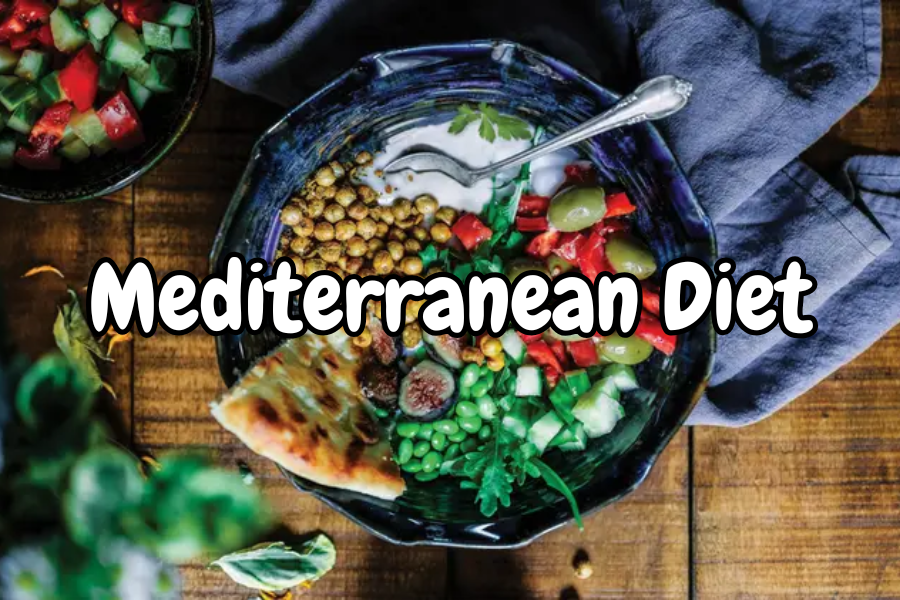
A Mediterranean diet is about more than big bowls of salad and grilled fish at dinner. The quiet hero is your everyday snacking. When you choose Mediterranean diet snacks that are rich in fiber, protein, and healthy fats, you support steady energy, easier weight management, and long-term health without feeling deprived. Many of these snacks are quick to prep, easy to pack, and fit right into a busy schedule.
Below you will find snack ideas, simple formulas, and make-ahead recipes that match the way you actually live and work.
Understand what makes a snack Mediterranean
To pick or build better Mediterranean diet snacks, it helps to know the basic pattern you are aiming for. The Mediterranean way of eating is consistently ranked among the healthiest in the world and centers on vegetables, fruits, whole grains, legumes, nuts, seeds, and extra virgin olive oil, with moderate amounts of seafood, dairy, and eggs (The Mediterranean Dish).
Your snacks ideally follow those same principles in smaller portions.
You will notice a few themes:
- Whole, minimally processed ingredients like olives, hummus, Greek yogurt, fresh fruit, and nuts
- Naturally high fiber and protein that keep you full between meals
- Healthy fats, especially from olive oil, nuts, and seeds, instead of refined oils or trans fats
- Very little added sugar, with sweetness coming mostly from fruit or small amounts of honey
By leaning on this pattern, your snacks do more than fill a gap. They help fight inflammation, tame cravings, and support weight loss when you also pay attention to portions (EatingWell).
Choose snacks that support weight loss
If you are using Mediterranean diet snacks to lose weight, you want options that feel satisfying without packing in empty calories. Many Mediterranean style snacks are naturally low in calories and provide at least 3 grams of fiber per serving, which helps you feel full on fewer calories (EatingWell).
You also want snacks that are simple to repeat and easy to portion out in advance, so you are not tempted by the vending machine at 3 p.m.
A helpful rule of thumb is to build each snack around at least one of these elements:
- Protein, for staying power and less muscle loss while you lose weight
- Fiber, for fullness and better digestion
- Healthy fats, for steady energy and blood sugar control
You can then round out the snack with colorful vegetables or fruit. The result is something that feels like a mini meal, not an afterthought.
Quick check: If a snack leaves you hungry again in under an hour, it is usually missing either protein, fiber, or fat.
Keep no-prep options on hand
On your busiest days, you may not have time to cook or portion anything. Having Mediterranean diet snacks that you can grab straight from the fridge or pantry keeps you on track with almost no effort.
Some ideas that require little more than opening a container include:
- A small handful of unsalted nuts, such as almonds or walnuts. Nuts provide fiber, antioxidants, protein, and omega 3 fats, and just a couple of tablespoons can be surprisingly satisfying (The Mediterranean Dish).
- Fresh fruit like an apple, orange, grapes, or berries. Pair fruit with nuts or a bit of cheese to add protein.
- Dried figs, dates, or apricots in small portions. Dried figs in particular provide fiber, potassium, and calcium, and can act as a naturally sweet treat between meals (Valley Fig).
- Whole grain toast or crackers topped with avocado, herbs, or a smear of hummus.
- Marinated olives with cherry tomatoes or cucumber slices.
These no-recipe snacks line up perfectly with the base of the Mediterranean diet pyramid, which emphasizes fruits, vegetables, nuts, legumes, and whole grains as daily staples (The Mediterranean Dish).
Build balanced snacks with simple formulas
When you have a few minutes, you can turn those basic ingredients into Mediterranean diet snacks that feel more intentional and filling. Think in terms of simple formulas rather than complicated recipes.
Veggies plus dip
Vegetables deliver volume and crunch without many calories, while dips add flavor, protein, and healthy fats.
Try:
- Carrot sticks, bell pepper strips, or cucumber rounds with hummus. Legumes like chickpeas are rich in plant based protein and fiber while being low in fat (The Mediterranean Dish).
- Cherry tomatoes and snap peas with tzatziki made from Greek yogurt, cucumber, garlic, and herbs.
- Sliced radishes, fennel, or celery with a cottage cheese or avocado herb dip (Valley Fig).
Because these snacks are mostly fiber rich vegetables with moderate amounts of protein and fat, they work well if you like to graze or need something before a workout.
Yogurt bowls for anytime
Greek yogurt is a Mediterranean staple that makes an excellent snack. It is lower in sugar than many flavored yogurts and provides calcium, vitamin B 12, probiotics, and high quality protein, which help keep you full (The Mediterranean Dish).
A basic formula is:
- 5 ounces of plain low fat or fat free Greek yogurt
- 1 serving of fresh fruit, such as berries or sliced peaches
- 1 tablespoon of nuts or seeds for crunch
You can sweeten with a small drizzle of honey if needed, but fruit and a few chopped dried figs are often enough. Versions like frozen Greek yogurt bark or chia seed pudding with fruit and nuts also fit comfortably within a Mediterranean pattern (Valley Fig).
Fruit and nut energy combos
For days when you are on the go from morning to night, compact energy bites and bars can save you. Many Mediterranean inspired recipes rely on a blend of oats, nuts, seeds, tahini or nut butter, and dried fruit.
Examples include High Protein Energy Bars with tahini, oats, apricots, figs, and maple syrup, which make a convenient grab and go option (EatingWell). You can also roll similar ingredients into Cranberry Almond Energy Balls made from cranberries, almonds, oats, dates, maple syrup, and tahini (EatingWell).
Energy balls and bars like these travel well in bags and lunchboxes and can double as pre or post workout fuel (Valley Fig).
Try crunchy, savory snacks instead of chips
If you crave something salty and crunchy, you do not have to rely on chips. Mediterranean diet snacks provide plenty of alternatives that also add protein and fiber.
Roasted chickpeas are one of the easiest options to batch cook. Ranch Roasted Chickpeas with garlic powder, onion powder, and dried herbs are a savory, fiber rich snack you can eat by the handful or sprinkle over salads and soups (EatingWell). Everything Bagel Crispy Chickpeas use similar techniques with everything bagel seasoning; removing the chickpea skins before roasting helps them get extra crispy (EatingWell).
You can also roast nuts and seeds with Mediterranean flavors. Spiced Roasted Walnuts seasoned with cinnamon and ginger provide omega 3 fats along with a crunchy topping for salads or yogurt bowls (EatingWell). Salt and Vinegar Pumpkin Seeds soaked in vinegar before roasting offer a tangy alternative to packaged snacks (EatingWell).
For a vegetable based crunch, homemade kale chips are simple and quick. Bake torn kale leaves with a little olive oil, salt, and your favorite spices, and avoid overcrowding the pan so they crisp up instead of steaming (EatingWell).
Prep snacks ahead for a smoother week
A little preparation once or twice a week can make your Mediterranean diet snacks almost automatic. The Mediterranean pattern encourages portioning and preparing snacks in advance so they are ready when you need them, especially plant based options that rely on fruits, vegetables, and healthy fats like extra virgin olive oil (Cleveland Clinic).
Consider setting aside 30 to 45 minutes on a weekend or quiet evening to:
- Wash and slice vegetables for dipping, then store them in clear containers so you see them first.
- Portion nuts, seeds, or trail mix into small bags or jars to prevent mindless handfuls.
- Cook a batch of roasted chickpeas, walnuts, or pumpkin seeds for the week.
- Stir together a simple hummus or yogurt based dip.
- Make a tray of energy balls or bars and freeze some for later.
Having a few of these ready gives you a mix of sweet and savory choices that still fit your health goals. It also supports the overall Mediterranean idea that snacks should be nutritious and ready to eat when needed, not something you scramble for at the last second (Cleveland Clinic).
Listen to your hunger and adjust portions
Even the healthiest Mediterranean diet snacks can work against your goals if your portions are too large or you eat them when you are not truly hungry. The Mediterranean diet encourages mindfulness, social meals, and enjoyment rather than strict rules, and that applies to snacks as well (Cleveland Clinic).
Pay attention to:
- Timing. Use snacks to bridge long gaps between meals, not just out of habit.
- Quantity. Start with a modest portion, then pause and check if you are still hungry.
- Balance. If dinner will be rich or higher in calories, lean on lighter snacks earlier in the day like vegetable sticks with dip or a small fruit and nut combo.
If you have specific medical needs or allergies, working with a dietitian can help you tailor Mediterranean snacks to your situation (Cleveland Clinic).
Putting it all together
Mediterranean diet snacks are not complicated recipes. They are small, thoughtful combinations of whole foods that keep you satisfied while you work, commute, or run errands. By centering your snacks on fiber rich plants, quality protein, and healthy fats, you get steady energy and support weight loss without feeling like you are constantly “on a diet.”
Start with one change, such as trading your usual chips for roasted chickpeas or pairing afternoon coffee with Greek yogurt and fruit instead of a pastry. As those swaps become habits, you will find that snacking is one of the easiest places to let the Mediterranean lifestyle support your health every day.
About the Author