A paleo diet meal plan can feel intimidating at first glance. No bread, no cheese, no beans, and definitely no drive‑thru. The good news is that you can still enjoy satisfying, flavorful meals while using paleo principles to support weight loss and better health.
Below, you will find a simple guide to what to eat, what to skip, and how to turn those ideas into an easy, friendly paleo diet meal plan you can actually follow.
Understand the basics of the paleo diet
The paleo diet is built around an idea that sounds simple: eat more like your hunter‑gatherer ancestors and less like a modern vending machine. In practice, that means focusing on whole, unprocessed foods like vegetables, fruits, meat, fish, eggs, nuts, and seeds, and cutting out most factory‑made items and refined ingredients. Researchers describe paleo as an eating pattern that tries to mimic Paleolithic foods, roughly 2.5 million to 10,000 years ago, before agriculture introduced grains, legumes, and dairy on a large scale (Mayo Clinic).
Short‑term studies suggest that this way of eating may help with weight management and certain heart risk factors by emphasizing lean proteins, vegetables, and less processed food (Mayo Clinic). The long‑term effects are not as clear yet, so it is wise to see paleo as one potential tool, not a magic cure for everything.
Know what to eat on a paleo diet
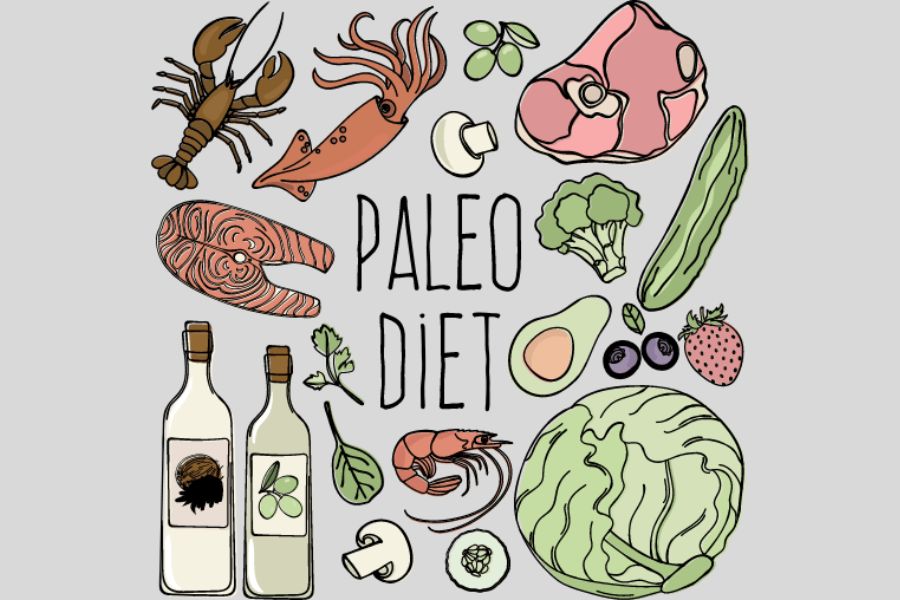
You have a wide range of foods to choose from when you build a paleo diet meal plan. Think fresh, colorful, and minimally processed. Many guides highlight these staple categories (Healthline, EatingWell):
-
Vegetables
Non‑starchy and starchy vegetables are both on the table. Broccoli, cauliflower, leafy greens, bell peppers, carrots, beets, Brussels sprouts, and squash all fit. Potatoes and sweet potatoes usually count as paleo, although some people prefer to enjoy them in moderation. -
Fruits
Berries, apples, oranges, pears, peaches, grapes, and melon are all fair game. If you are watching blood sugar or weight, you may want to be more mindful with very sweet fruits like bananas and mango, or simply pair them with protein or fat for better balance (EatingWell). -
Meat and poultry
Beef, pork, lamb, chicken, turkey, and game meats can all work. Grass‑fed and pasture‑raised options are often encouraged for their higher omega‑3 content, but they are not required to follow a paleo pattern (Healthline). -
Seafood
Fish and shellfish are encouraged, especially fatty fish like salmon, mackerel, and sardines, which provide heart‑healthy omega‑3 fats. Wild seafood is often highlighted for its favorable fat profile compared to some farmed fish (EatingWell). -
Eggs
Eggs are a convenient source of protein and nutrients. Pastured or omega‑3 enriched eggs are often recommended but are not mandatory. -
Nuts and seeds
Almonds, walnuts, cashews, pistachios, pecans, sunflower seeds, pumpkin seeds, chia seeds, and flaxseeds all fit. Keep an eye on portions if weight loss is your focus, since these foods are calorie‑dense. -
Healthy fats and oils
You will mainly rely on unrefined fats, for example:
-
Extra‑virgin olive oil
-
Avocado oil
-
Coconut oil
-
Walnut, macadamia, or flaxseed oil for low‑heat uses
These oils and whole foods like avocados and olives provide fats that support heart health and help you feel fuller longer (EatingWell).
- Herbs, spices, and extras
Fresh and dried herbs, spices, garlic, lemon juice, and vinegar help you add flavor without processed sauces. Some flexible paleo approaches also include small amounts of dark chocolate or red wine as occasional treats (Healthline).
Water is your main drink, but coffee and tea are generally fine, as long as you skip the sugary creamers.
Understand what to limit or avoid
To stay within paleo guidelines, you will skip several food groups and most ultra‑processed products. Sources like Healthline, the Mayo Clinic, and Ideal Nutrition Now are fairly consistent on what does not fit a standard paleo diet (Healthline, Mayo Clinic, Ideal Nutrition Now).
Here are the main categories you will avoid:
- Cereal grains, including wheat, barley, rye, oats, rice, and corn
- Legumes, such as beans, lentils, peas, and peanuts
- Dairy products like milk, yogurt, cheese, and ice cream
- Refined sugar and sugary drinks
- Refined vegetable oils that are highly processed, for example soybean, canola, and corn oil
- Processed foods with long ingredient lists, artificial sweeteners, or trans fats
- Beer and other grain‑based alcohols
The general rule of thumb is simple: if it looks like it came from a plant or animal and not from a factory, it probably fits. If it comes in a box with a long ingredient list, it probably does not (Healthline).
Weigh the potential benefits and downsides
Like any structured eating pattern, a paleo diet meal plan comes with trade‑offs. Understanding them will help you decide how strict you want to be and where you may need to adjust.
On the positive side, paleo encourages you to:
- Eat more vegetables and fruits
- Choose lean proteins and seafood
- Cut down on refined sugar and heavily processed snacks
These shifts alone can support weight loss, more stable energy, and improvements in cholesterol or blood pressure, at least in the short term (Mayo Clinic). Many people also find that focusing on simple, whole foods makes it easier to recognize true hunger and fullness.
There are also some concerns you should keep in mind:
- Cutting out whole grains, legumes, and dairy removes common sources of fiber, B vitamins, protein, calcium, and vitamin D. Several reviews note the potential for nutrient gaps if you do not plan carefully or supplement where needed (Mayo Clinic, Kevin’s Natural Foods).
- A very meat‑heavy paleo diet can become high in saturated fat, which might affect heart health if you follow it that way for a long time (Kevin’s Natural Foods).
- Depending on where you shop and which products you choose, a paleo pattern can be more expensive than a more flexible plan that includes beans and whole grains.
Research suggests that a paleo diet and a Mediterranean‑style diet can both improve some cardiovascular risk markers in the short term. However, the Mediterranean diet has stronger long‑term evidence and includes more food groups, which may reduce risk of deficiencies (Mayo Clinic). You can use this comparison as a reminder to keep your paleo meals varied and vegetable‑rich.
Build a friendly 1‑day paleo sample menu
To make all of this more practical, it helps to see a day laid out. You can scale this up to a full week by repeating your favorite meals, using leftovers, and rotating proteins, just as many sample plans do (Healthline, Whole Foods Market).
Think of this as a template rather than a fixed rulebook. Swap ingredients you dislike and adjust portions to match your appetite and goals.
Breakfast: Veggie and egg skillet
- Scrambled or fried eggs cooked in olive or avocado oil
- Sautéed spinach, bell peppers, and onions
- Half an avocado on the side
- A small handful of berries
This combination gives you protein, fiber, and healthy fats to keep you full through the morning.
Morning snack: Crunchy and fresh
- A small handful of almonds or walnuts
- Carrot and cucumber sticks
If you are trying to lose weight, you can skip snacks when you are not hungry. Use them as a tool, not a requirement.
Lunch: Paleo chicken and veggie bowl
- Grilled chicken breast or thighs
- A large bed of mixed greens and shredded cabbage
- Roasted sweet potato cubes
- Cherry tomatoes and sliced cucumber
- Olive oil, lemon juice, salt, and pepper as dressing
Bowls are a simple way to mix textures and flavors, and they make packed lunches easier too.
Afternoon snack: Fruit with protein
- An apple or pear
- A spoonful of almond butter for dipping
Pairing fruit with a source of fat or protein helps keep your blood sugar more stable.
Dinner: Salmon with roasted vegetables
- Baked or grilled salmon fillet
- Roasted Brussels sprouts and carrots tossed with olive oil and herbs
- A side of roasted potatoes or cauliflower mash
Fatty fish like salmon deliver omega‑3 fats that support heart health, which is one reason they feature prominently in many paleo meal ideas (EatingWell).
Dessert or evening treat (optional):
- A few squares of dark chocolate with at least 70 percent cocoa, if you choose to include small indulgences as some flexible paleo plans do (Healthline)
Sip water throughout the day, and add herbal tea or black coffee if you like.
Use simple strategies to stick with your meal plan
Knowing which foods fit paleo is one thing. Actually following a paleo diet meal plan during a busy week is another. A few practical habits can make the difference between feeling deprived and feeling organized.
Plan your meals around protein and produce
Start by choosing your main protein for each meal, such as chicken, salmon, eggs, or a slow‑cooked beef roast. Then, build the rest of the plate with vegetables and add a small portion of fruit or starchy veggies when you want them. This pattern mirrors many sample plans that center meals on lean protein and vegetables with simple seasonings (Healthline, Whole Foods Market).
Prep ahead when you can
Batch cooking pays off quickly with paleo because you rely less on convenience foods. You might:
- Roast a big tray of mixed vegetables and use them for multiple meals
- Grill or bake several chicken breasts at once
- Hard‑boil a dozen eggs for easy snacks
- Wash and chop salad greens so they are ready in the fridge
Whole Foods Market highlights how prepping ahead and using ready‑to‑eat options like rotisserie chicken or prepared salads can dramatically cut down weekday cooking time while still fitting paleo guidelines (Whole Foods Market).
Rely on easy paleo‑friendly snacks
Keeping a few quick options on hand makes it easier to skip less healthy choices. Following ideas from existing paleo meal plans, you could stock:
- Fresh fruit like apples, oranges, or berries
- Baby carrots or snap peas with guacamole
- Nuts and seeds
- Dried fruit without added sugar
- Seaweed snacks
- Pre‑cooked meats, such as leftover roast chicken (Healthline, Whole Foods Market)
You do not have to eat snacks every day, but having them ready removes a common stress point.
Adjust the plan to your life
Most people do better with a flexible approach than with a rigid list of rules. You might choose to:
- Follow paleo strictly during the week and be a bit more flexible on one weekend meal
- Include small amounts of gluten‑free grains like rice or pseudo‑grains like quinoa, which some modified paleo styles allow (Healthline, Ideal Nutrition Now)
- Add plant‑based milks like almond, coconut, or cashew milk if they help you enjoy your meals and stay on track (Ideal Nutrition Now)
Consistency matters more than perfection, especially when your goals include weight loss and better long‑term health.
Bring it all together
A friendly paleo diet meal plan does not have to be complicated. When you focus on whole foods, simple recipes, and a bit of planning, you can enjoy flavorful meals while moving toward your health goals.
If you are just starting, choose one meal to “paleo‑ify” this week, such as turning your usual pasta dinner into salmon with roasted vegetables. Once that feels natural, build out the rest of your day from there. Over time, you will learn which recipes you love, how much food truly satisfies you, and how to use this style of eating as a tool for better health rather than a strict rulebook.
About the Author